Whether a Golden British Shorthair Costs More
It’s a truly exciting prospect, isn't it? Bringing a British Shorthair into your home is a decision filled with joy, and if you've found yourself drawn to the radiant warmth of a golden British Shorthair, you're not alone. Many potential owners, understandably, wonder if this stunning color carries a higher price tag compared to their blue or lilac counterparts. The short answer is often yes, and this guide will delve deep into why that is, helping you navigate the unique world of acquiring one of these beautiful, rare felines.
The Allure and Rarity of the Golden British Shorthair
The golden British Shorthair is truly a sight to behold, with its coat shimmering in various shades from a warm apricot to a deeper, rich gold, often complemented by striking green or gold eyes. This unique coloration isn't just aesthetically pleasing; it represents a specific genetic combination that makes these cats relatively rare compared to the more common blue or cream British Shorthairs. The visual appeal, combined with its scarcity, directly influences its price in the market.
What Makes a Golden Coat So Special?
Unlike the solid blue, which is a foundational color for the breed, golden is a more complex genetic expression. It falls into the "shaded" or "chinchilla" categories, meaning the tips of the individual hairs are colored, while the roots are a pale cream or ivory. This creates a breathtaking depth and shimmer that changes with the light, giving the cat an almost ethereal glow. Imagine a tiny lion cub with that signature teddy bear face, and you're picturing a golden British Shorthair. This intricate genetic recipe means that producing a litter of consistently well-marked golden kittens requires extensive knowledge and careful pairing of parent cats. It's not just a matter of two golden parents producing golden kittens every time; the genetics involved are often recessive and can be carried silently by non-golden cats, making the breeding process more of an art than a simple science.
Demand Versus Supply in the Golden Market
As with any highly sought-after item, the economic principles of supply and demand play a significant role in the cost of a golden British Shorthair. The increasing visibility of these cats on social media and in online communities has fueled a surge in desire for them. People see these gorgeous, distinctive cats and fall head over heels, creating a long waiting list for litters. However, the supply is inherently limited due to the genetic factors we just discussed. A reputable breeder might only have one or two golden kittens in a litter, or sometimes none at all, even from parents with golden lineage. This imbalance means that breeders can, and often do, command a premium for these rare and beautiful felines. It's not about gouging; it's a reflection of the specialized breeding effort, the inherent rarity, and the undeniable market demand. This scarcity can make finding a golden British Shorthair a longer and more financially involved process than acquiring a more common color.
Why a Golden British Shorthair Generally Costs More
When you're looking at What a British Shorthair Costs to Buy in 2026, you'll quickly realize that prices vary widely. For golden British Shorthairs specifically, several factors contribute to their higher price point, making them one of the more expensive color varieties in the breed. It's not just the color itself, but the journey and expertise required to produce it.
The Intricacies of Breeding for Golden Hues
Breeding for specific, rare colors like golden isn't as straightforward as one might think. Breeders invest significant time, money, and expertise in understanding the genetics involved. They often need to acquire breeding cats from specific lines known for carrying the golden gene, which itself can be a costly endeavor. These cats might have been imported or come from established champion lines, adding to their initial value. Furthermore, ensuring the desired shade and pattern, along with the correct eye color (typically green or copper for goldens), requires careful selection and sometimes multiple generations of breeding. This meticulous process often involves more trial and error, smaller litters of the desired color, and therefore, higher overall costs for the breeder, which are then reflected in the kitten's price. When you consider What a British Shorthair Breeder Should Have Tested, adding genetic markers for specific colors might also be part of their extensive health panel, increasing their operational overhead.
Health Testing and Ethical Breeding Practices
Regardless of color, ethical breeders of British Shorthairs prioritize the health and well-being of their cats above all else. However, when dealing with rarer lines, the commitment to health testing can feel even more critical. Potential health concerns are a reality in any purebred line, and breeders dedicated to producing healthy golden British Shorthairs will invest heavily in screening their breeding stock. This includes regular echocardiograms for Hypertrophic Cardiomyopathy (HCM), DNA tests for Polycystic Kidney Disease (PKD) and Hemophilia B, and blood typing. These tests are not cheap, and they are performed on all breeding cats, not just the kittens being sold. A breeder committed to upholding the health standards of the breed, especially when working with more specialized color genetics, will have higher operating costs. This commitment is a good thing for you as a buyer, as it significantly reduces the risk of inheriting a kitten with serious genetic health issues. You're not just paying for a color; you're paying for peace of mind, knowing that your kitten comes from parents who have been rigorously screened.
The Appeal of Exclusivity and Show Quality
There's an undeniable draw to owning something unique, and a golden British Shorthair often embodies that sense of exclusivity. For many, the color itself elevates the cat's status. Beyond pet quality, some golden British Shorthairs might possess characteristics that make them suitable for the show ring, which further increases their value. Show-quality cats adhere closely to the breed standard in terms of head shape, body type, coat texture, and eye color – all factors that can be particularly challenging to achieve consistently with rarer color genetics. A kitten bred from champion golden lines, or one that exhibits exceptional type, will naturally command a higher price. Even if you're not planning to show, the fact that a kitten comes from such a lineage often means it has superior conformation and temperament, a testament to the breeder's dedication and success.
Factors Influencing British Shorthair Price Beyond Color
While the golden color certainly impacts the price, it's crucial to understand that many other variables contribute to Why British Shorthair Prices Range So Widely. The final cost of your British Shorthair kitten is a mosaic of different factors, each reflecting the breeder's investment and the kitten's unique attributes.
Breeder Reputation and Experience
A breeder's reputation is paramount and significantly influences the price. Established breeders with years of experience, a history of producing healthy, well-socialized kittens, and positive testimonials often charge more. They invest in continuous education, attend shows, maintain clean and enriched catteries, and offer lifelong support to their kitten buyers. This isn't just about selling a kitten; it's about being a responsible steward of the breed. Conversely, those selling British Shorthair kittens for prices that seem "too good to be true" often lack this dedication, potentially skipping essential health screenings or providing subpar care, which can lead to heartbreaking and expensive problems down the line. Remember, What a British Shorthair Sold Under a Thousand Signals is usually a red flag.
Pedigree and Champion Bloodlines
The lineage of a British Shorthair plays a huge role in its price. Kittens from champion bloodlines, where parents or grandparents have achieved titles in cat shows, often cost more. This is because these lines represent generations of careful breeding to produce cats that perfectly embody the breed standard. A strong pedigree not only indicates excellent conformation and health history but also signifies the breeder's commitment to improving the breed. While a pet owner might not intend to show their cat, the benefits of a solid pedigree, such as predictable temperament and adherence to type, are still highly valued. The investment in these top-tier breeding cats and the expenses associated with showing them are reflected in the price of their offspring.
Geographic Location and Time of Year
Where you live can also affect the price of a British Shorthair. Breeders in areas with a higher cost of living, or where veterinary services and quality cat food are more expensive, may need to charge more to cover their operational costs. Similarly, if there are fewer reputable British Shorthair breeders in your region, the limited supply can drive prices up due to higher demand. The time of year can also subtly influence availability and price, though this is usually less significant than other factors. Holidays or specific seasons might see slight fluctuations, but generally, the demand for well-bred British Shorthairs remains consistent year-round. Sometimes, attending regional cat shows can be a way to connect with breeders and understand local pricing structures.
Comparing Golden British Shorthair Costs to Other Colors
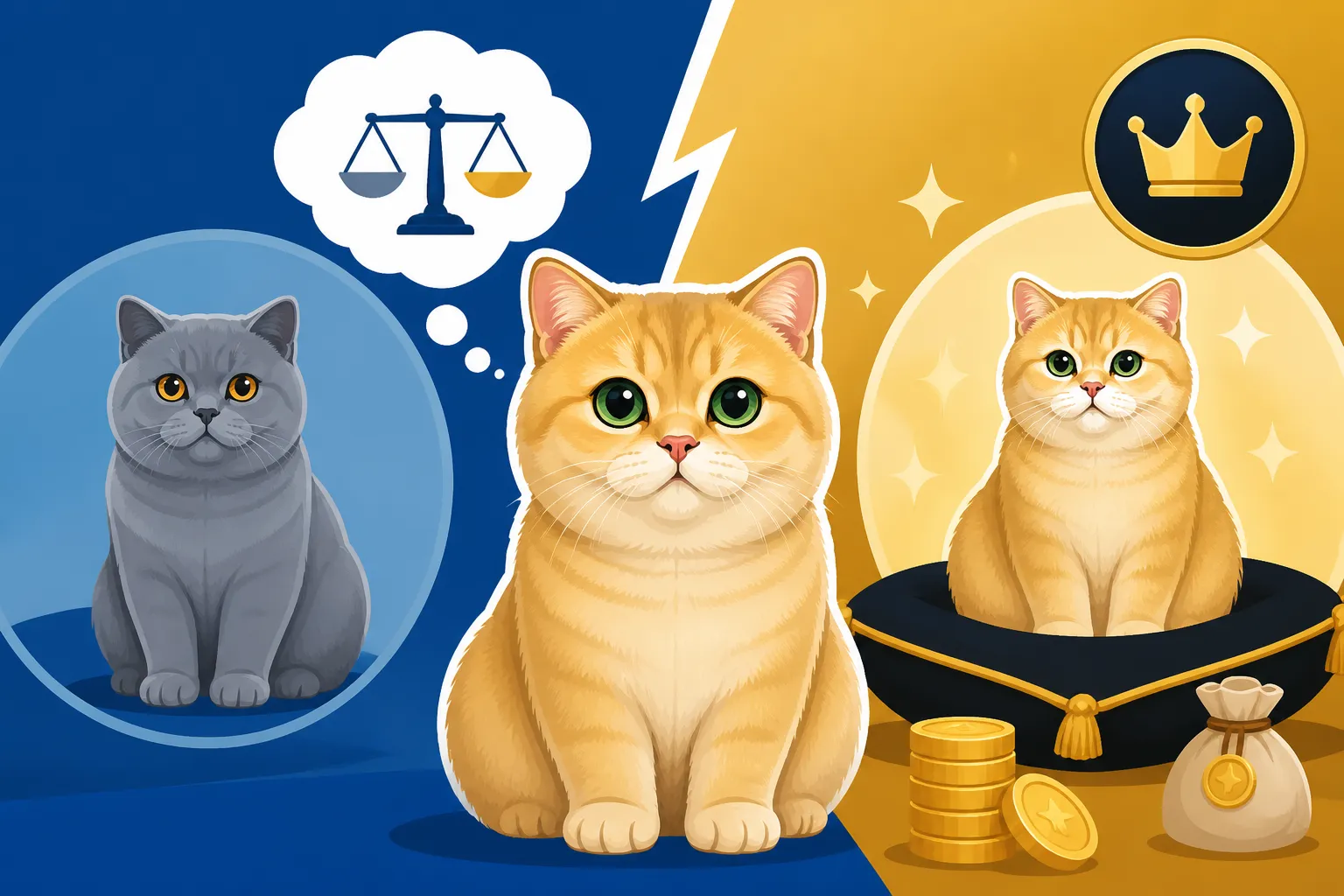
It’s natural to wonder how the golden British Shorthair stacks up against its colorful cousins. While the classic blue British Shorthair is iconic and beloved, its widespread popularity means that prices for blues tend to be on the lower end compared to some of the rarer shades. When considering Which British Shorthair Colors Cost the Most, golden consistently ranks among the top, alongside other specialty colors.
The Price Spectrum: Blue to Golden
Let's imagine a spectrum of British Shorthair kitten prices, moving from the most common to the most rare and sought-after. At one end, you have the beautiful and ever-popular blue British Shorthair. These are wonderful cats, representing the traditional look of the breed, and their availability means their price is generally the most accessible. As you move along the spectrum, you might encounter other solid colors like black, white, or cream, which may be slightly higher in price due to slightly less common demand or specific genetic requirements.
Then come the more intricate patterns and dilutions:
- Lilac and Chocolate: These colors, while still popular, are dilutions of blue and black respectively, requiring specific recessive genes. They often command a slightly higher price than blues because they are less commonly produced. What a Lilac British Shorthair Costs typically falls into this mid-to-high range.
- Silver Tabbies and Shaded Silvers: These cats feature stunning patterns and often green eyes, making them very attractive. Their prices often sit in the higher mid-range, reflecting the complexities of breeding for clear silver coats and distinct markings. What a Silver Tabby British Shorthair Costs would be a good reference.
- Colorpoints: With their Siamese-like markings and striking blue eyes, colorpoints are another unique genetic expression that commands a premium.
- Golden: And then, at the very top of the spectrum, often sits the golden British Shorthair. Its rarity, the specialized breeding required, and the high demand consistently place it among the most expensive British Shorthair color varieties. The depth of color, from light golden shaded to a richer golden tabby, all contribute to its premium pricing.
Here’s a simplified illustration of how color might influence initial purchase cost, though remember that actual prices always depend on the breeder, location, and individual kitten quality.
| British Shorthair Color/Pattern | Rarity Level | General Price Range (Relative) | Common Eye Color |
|---|---|---|---|
| Blue, Black, White | Common | Base to Mid-Range | Copper/Gold |
| Cream, Red, Solid Tortie | Moderate | Mid-Range | Copper/Gold |
| Lilac, Chocolate | Moderate | Mid-Range to Higher Mid-Range | Copper/Gold |
| Silver Tabby, Shaded Silver | Higher | Higher Mid-Range | Green, Blue-Green |
| Colorpoint | Higher | Higher Mid-Range | Blue |
| Golden (Shaded, Tabby) | Rare | Premium/High-End | Green, Copper/Gold |
Investment in a Lifetime Companion
While the initial cost for a golden British Shorthair might seem substantial, it's important to view it as an investment in a lifelong companion. The higher price often reflects the extensive efforts of a reputable breeder to produce a healthy, well-socialized kitten with excellent genetics and temperament. This initial investment can potentially save you significant amounts in future veterinary bills that might arise from poorly bred cats with unknown health histories. When you factor in Fifteen Years of a British Shorthair, Priced Out, the initial cost becomes a smaller percentage of the total lifetime expenditure. Focusing solely on the purchase price without considering the long-term health and well-being could be a costly mistake.
Beyond the Purchase Price: Long-Term Costs of a Golden British Shorthair
Bringing a golden British Shorthair home is just the first financial step. Responsible ownership means understanding the ongoing costs associated with caring for these magnificent felines over their The Twelve to Seventeen Years a British Shorthair Gets. These long-term expenses are substantial, and budgeting for them is crucial.
Veterinary Care and Health Maintenance
Regular veterinary care is non-negotiable for a healthy British Shorthair, regardless of color. This includes annual wellness exams, vaccinations, parasite prevention, and routine dental care. Given their predisposition to certain breed-specific conditions like Hypertrophic Cardiomyopathy (HCM) or Polycystic Kidney Disease (PKD), regular screenings are also vital. For example, knowing The Age a British Shorthair Should Start Screening for HCM with echocardiograms is important, and these specialized tests can add up over time. If your British Shorthair does develop a chronic condition, managing it will incur ongoing costs for medication, specialized diets, and more frequent vet visits. It’s wise to put money aside for potential emergencies; something like What a British Shorthair Owner Should Bank for a Clot can be a significant, unexpected expense. This is where pet insurance can be a real lifesaver, helping to mitigate the financial impact of unforeseen illnesses or accidents. Services like Healthy Paws offer various plans that can cover a significant portion of vet bills, providing peace of mind.
Nutrition and Enrichment for a Well-Rounded Life
British Shorthairs, particularly given their tendency towards Obesity Is the British Shorthair's Real Disease, thrive on a high-quality diet. This often means carefully selected wet food, or a combination of wet and dry, from reputable brands. Choosing premium foods, especially those formulated for weight management or specific health needs, can be a considerable monthly expense. Companies like Chewy offer a wide selection of top-tier cat foods and often have subscription services that can help manage costs and ensure you never run out. Beyond food, mental and physical enrichment is crucial, even for a relatively calm breed. Investing in sturdy cat trees, scratching posts (which are essential for their thick claws), and a variety of toys will contribute to their well-being. While British Shorthairs aren't typically high-energy, engaging them in daily play is important for their health and happiness.
Insurance and Unexpected Expenses
Pet insurance is a highly recommended consideration for any British Shorthair owner. While it's an additional monthly cost, it can provide invaluable financial protection against unexpected illnesses or injuries, which can easily run into thousands of dollars. Plans vary in what they cover and their deductibles, so it's important to research options thoroughly. Even with the best care and breeding, health issues can arise, and knowing you have support for costly treatments can relieve immense stress. Beyond health, other potential "surprise" costs could include professional grooming if your cat struggles with self-grooming in old age or if mats develop, or even pet-sitting or boarding fees if you travel. Considering the Insuring a British Shorthair decision early on can save you a lot of worry in the long run.
Finding a Reputable Breeder for a Golden British Shorthair
Finding a golden British Shorthair requires patience and diligence. Given their rarity and higher cost, it's even more critical to connect with a reputable breeder who prioritizes health, temperament, and ethical practices. Don't let the excitement of a specific color overshadow the importance of responsible breeding.
Identifying an Ethical Breeder
An ethical breeder will be transparent about their practices, eager to answer your questions, and focused on the welfare of their cats and kittens. They should be registered with reputable cat associations (like CFA or TICA), adhere to breed standards, and openly provide health documentation for their breeding cats. This includes proof of negative screenings for HCM, PKD, and Hemophilia B. They should be able to explain How PKD Reached the British Shorthair and what steps they take to prevent it. Expect to fill out an application and perhaps join a waiting list, especially for a golden kitten. They'll also want to ask you questions to ensure their kittens are going to loving, responsible homes. A truly dedicated breeder will never pressure you into a quick sale and will allow you to visit their cattery (or offer virtual tours) to see the living conditions and meet the parent cats.
Essential Questions to Ask Your Breeder
When you connect with a potential breeder, be prepared with a list of comprehensive questions. Don't be shy; a good breeder welcomes your interest and thoroughness. Ask about their breeding philosophy, the socialization process for the kittens, what kind of food they use, and what their health guarantee entails. Inquire about the parents' health screening results, not just a verbal assurance. Ask to see the actual reports, especially for heart scans and DNA tests. For a golden kitten, specifically ask about the lineage and how they achieve the golden color. Understanding Which Questions to Ask a British Shorthair Breeder is paramount to making an informed decision.
Understanding the Contract and Guarantees
A reputable breeder will always provide a written contract that outlines the terms of sale, health guarantees, and responsibilities of both parties. This contract should detail what happens if the kitten develops a genetic illness within a certain timeframe, whether they require the kitten to be spayed/neutered by a specific age, and if you must return the cat if you can no longer care for it. Pay close attention to the health guarantee, as this is your safety net against unforeseen medical issues directly related to breeding. While nothing can guarantee a pet will never get sick, a strong health guarantee from a breeder signifies their confidence in their breeding program and their willingness to stand behind their kittens. If a breeder is unwilling to provide a detailed contract, it's a significant red flag.
Disclaimer
This article is for general informational purposes only and does not constitute professional advice. Laws, prices and regulations vary by location and change over time. Consult a qualified professional for guidance on your specific situation.