What Fifteen Years of British Shorthair Echoes Cost
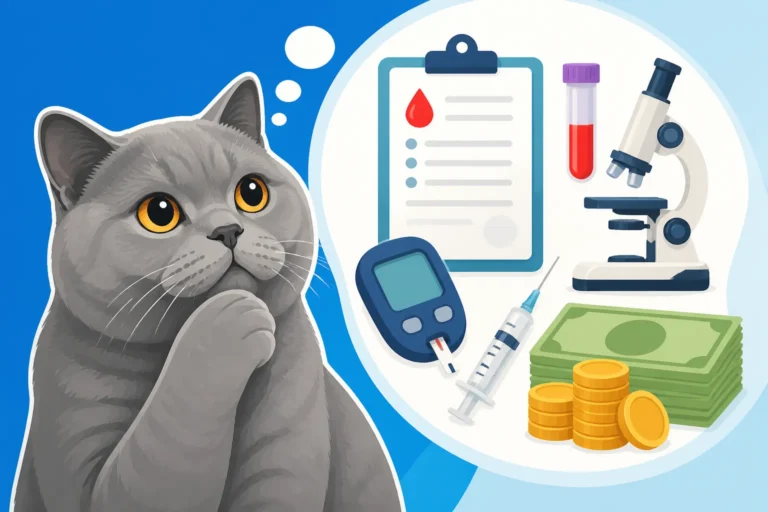
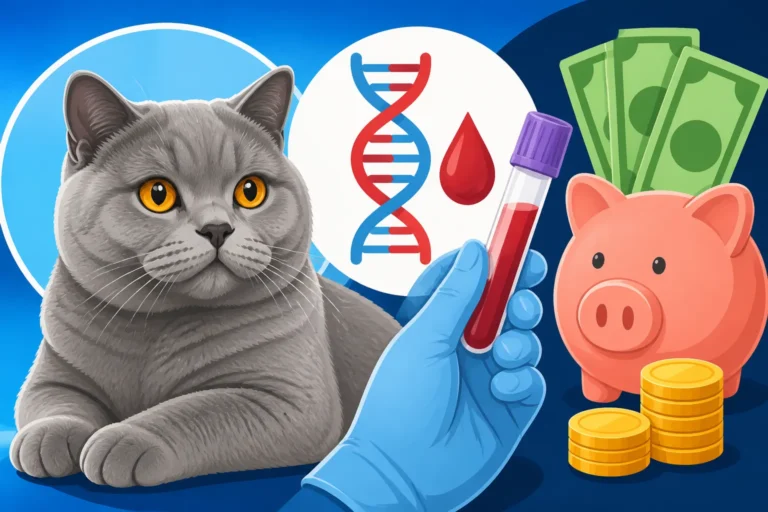
One of the most profound joys of sharing your home with a magnificent British Shorthair is watching them grow from a chunky kitten into a stately, calm companion. However, this journey often comes with a hidden financial commitment that many owners aren't fully prepared for: the ongoing cost of specialized health screenings, particularly for their heart. It’s a real frustration to discover these recurring expenses only after you've fallen head over heels for your furry family member, especially when you consider the lifetime picture. This guide will walk you through the reality of what fifteen years of British Shorthair echocardiograms can cost, helping you understand the "why," the "how much," and strategies to manage these vital investments in your beloved cat's well-being.
Why Regular Heart Screening is Crucial for British Shorthairs
It's heartbreaking to imagine your seemingly robust British Shorthair having a hidden health issue, but the truth is, this wonderful breed is predisposed to certain conditions that require diligent monitoring. The most significant of these is hypertrophic cardiomyopathy (HCM), a primary heart muscle disease that causes the walls of the heart to thicken. Unlike some other breeds, British Shorthairs don't have a reliable DNA test for HCM, making regular physical examinations and echocardiograms the only way to detect and monitor the condition. This isn't just a "nice to have"; it's a fundamental part of responsible British Shorthair ownership.
Understanding HCM in British Shorthairs
Hypertrophic cardiomyopathy is a sneaky disease. It progresses silently in many cats, showing no outward symptoms until it's quite advanced, sometimes even leading to sudden, catastrophic events. Imagine your perfectly happy, purring British Shorthair suddenly struggling to breathe or collapsing – it's a terrifying thought, and unfortunately, a reality for some owners. The disease causes the heart muscle to thicken, reducing the heart's ability to pump blood effectively. Over time, this can lead to fluid accumulation in the lungs (heart failure), blood clots, or even sudden cardiac death. Understanding that this is a prevalent, serious condition in the breed helps underscore why early and consistent screening isn't just recommended, but essential. You can learn more about What HCM Does to a British Shorthair's Heart.
The Importance of Early Detection
Catching HCM early is paramount because, while there's no cure, there are medications that can significantly slow its progression and improve your cat's quality of life. An early diagnosis allows your veterinarian or a specialist to start treatments that can manage symptoms, reduce the risk of complications like blood clots, and potentially extend your cat's lifespan considerably. Without regular screening, you might not know your cat has HCM until they are already in heart failure, at which point treatment options are more limited and outcomes less predictable. It's about proactive care versus reactive crisis management, and for a British Shorthair, proactive care makes all the difference. How Long a British Shorthair Lives After an HCM Diagnosis can vary greatly depending on early detection and management.
Why Annual Screening Matters
Since there isn't a DNA test that can definitively rule out HCM in British Shorthairs, consistent, annual echocardiograms performed by a veterinary cardiologist are the gold standard. A clear echo one year doesn't guarantee a clear echo the next, as HCM can develop at any age. Many breeders and experienced owners will tell you stories of cats developing HCM later in life, sometimes even past the age of five or seven. This ongoing vigilance means that your British Shorthair will likely need these specialized heart scans every single year of their adult life, or at least until a veterinarian or cardiologist advises otherwise based on their individual health. This continuous need for specialized imaging is a major factor in the cumulative lifetime cost of owning one of these magnificent cats. It is, unfortunately, The Yearly Echo That Replaces a British Shorthair Gene Test.
The Cost Components of a Single British Shorthair Echocardiogram
When you book an echocardiogram for your British Shorthair, you're not just paying for a quick peek at their heart. This is a specialized diagnostic procedure that requires specific equipment, expertise, and time, all of which contribute to the overall cost. It's important to understand these components so you can anticipate the expense and appreciate the value of the service you're receiving. The price isn't arbitrary; it reflects the high level of care and technology involved in assessing your cat's heart health.
Veterinarian vs. Cardiologist Fees
One of the biggest variables in the cost of an echocardiogram is who performs it. A general practice veterinarian may offer screening echoes, but for the most accurate and definitive diagnosis, it is highly recommended that a board-certified veterinary cardiologist performs the scan. A cardiologist has specialized training and equipment to interpret subtle changes in heart structure and function that a general practitioner might miss. Their fees will naturally be higher due to their advanced specialization and the comprehensive nature of their reports. While a general vet might charge a certain amount, a cardiologist's fee could be significantly more, reflecting their expertise and the depth of their examination. This distinction is crucial, as the quality of the scan directly impacts its usefulness in managing your cat's health. Why a Cardiologist Should Scan a British Shorthair is a question many owners ponder, and the answer lies in their specialized training.
Additional Diagnostic Charges
Beyond the basic echo fee, there might be other charges involved. These can include a consultation fee with the cardiologist, sedation if your cat is particularly anxious or uncooperative (though most British Shorthairs tolerate the procedure well without it, it's always an option), and potentially other tests if abnormalities are found. For instance, if the echo reveals concerns, the cardiologist might recommend additional diagnostics like a blood pressure check, a proBNP blood test (a biomarker for heart disease), or even a chest X-ray to look for fluid accumulation in the lungs. While these aren't part of the "echo cost" itself, they are often directly related and can add to the total bill for a cardiac workup.
Geographical and Clinic Variations
Just like with human healthcare, the cost of veterinary services, including echocardiograms, can vary significantly depending on where you live. Major metropolitan areas with higher costs of living generally have higher veterinary fees than rural areas. Similarly, a large, state-of-the-art veterinary specialty hospital might charge more than a smaller, independent clinic, even if both employ board-certified cardiologists. It's always a good idea to call around to different clinics or specialty centers in your area to get an estimate. However, don't just choose the cheapest option; ensure the echo is performed by an experienced professional, ideally a cardiologist, to get the most reliable results. This geographical variance is a reality many pet owners face when budgeting for specialized care.
Projecting the Lifetime Cost of British Shorthair Echoes
Thinking about a single echo cost is one thing, but when you multiply that by the potential lifespan of a British Shorthair – which can be anywhere from twelve to seventeen years – the numbers start to add up significantly. It's a long-term commitment, and understanding the cumulative cost is vital for responsible ownership. We're talking about a series of planned investments in their health, rather than a one-off expense.
Calculating Annual Echo Expenses
Let's consider an average scenario. While specific prices cannot be given, let's say a single echocardiogram, performed by a veterinary cardiologist, might fall within a certain range. If your British Shorthair starts annual screenings around age two or three (which is often recommended, sometimes even earlier if there's a murmur or family history), and continues until they are, say, twelve to fifteen years old, that's a decade or more of annual expenses.
Let's illustrate with a hypothetical example of typical cost components without using specific figures:
| Item | Typical Frequency | Cost Descriptor |
|---|---|---|
| Cardiologist Consultation | Per visit | Moderate to High |
| Echocardiogram Scan | Annually | High |
| Sedation (if needed) | Per visit | Low to Moderate |
| Ancillary Tests (e.g., blood pressure, ProBNP) | If indicated | Low to Moderate, per test |
So, for each year, you're looking at the consultation fee plus the echo scan itself, and potentially a little extra if sedation is used. If a cat lives for The Twelve to Seventeen Years a British Shorthair Gets, that's a lot of annual visits!
The Fifteen-Year Cumulative Total
Now, let's project that annual cost over fifteen years. If you factor in the cost of an echo each year, even if that cost remains relatively stable (which it often doesn't, due to inflation and advancements in care), you're looking at a substantial cumulative figure. For many owners, this is the biggest "surprise" cost associated with the breed. It's not a small sum, and it highlights the importance of financial planning for your British Shorthair's long-term health. Think of it like a subscription service for your cat's heart health – it's recurring and essential. If you start screening your British Shorthair at a young age, say around two years old, and they live to a healthy fifteen, that's thirteen years of echocardiograms. Even if the cost per echo feels manageable individually, the long-term impact on your budget is considerable. This is the financial reality of diligent care for a breed prone to HCM.
Beyond the Echo: Related Heart Health Costs
It's also important to remember that the echo itself is just the diagnostic tool. If your British Shorthair is diagnosed with HCM, then the costs can increase further. Management of HCM often involves daily medications, which can be expensive and may need to be given for the remainder of your cat's life. These medications can include beta-blockers, ACE inhibitors, or anti-clotting agents, all designed to manage the condition and prevent complications. Regular follow-up appointments with the cardiologist, blood tests to monitor medication levels and kidney function, and possibly emergency vet visits for complications like blood clots or heart failure exacerbations, all add to the financial picture. These related costs can sometimes dwarf the cost of the echoes themselves, making the initial screening investment feel like a small fraction of the potential overall expenses. An event like What Saddle Thrombus Does to a British Shorthair can incur significant emergency veterinary bills.
Managing the Financial Burden of Long-Term Heart Health
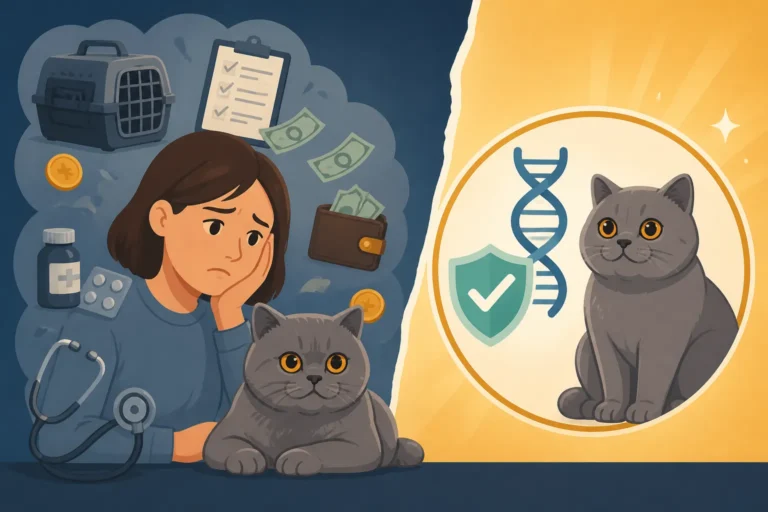
The prospect of these significant lifetime costs can feel daunting, even overwhelming. But it doesn't have to be a reason to shy away from bringing a British Shorthair into your life. There are proactive steps you can take to manage these expenses and ensure your beloved cat receives the best possible care without breaking the bank. It’s all about planning and being informed.
Considering Pet Insurance for Ongoing Care
One of the most effective ways to mitigate the financial shock of ongoing veterinary care, especially for conditions like HCM, is pet insurance. Many pet insurance providers offer plans that can cover a significant portion of diagnostic tests, specialist consultations, and ongoing medications. It's crucial to research plans carefully and understand what they cover, especially regarding hereditary or breed-specific conditions. Some plans might have waiting periods for certain conditions or classify HCM as a pre-existing condition if diagnosed before coverage begins. A company like Healthy Paws, for example, is known for its comprehensive accident and illness plans, which could be a lifesaver if your British Shorthair develops HCM. Getting insurance early, before any potential heart issues are detected, is often the smartest move. This way, if your British Shorthair needs annual echoes or treatment for HCM, a good portion of those bills could be reimbursed, significantly reducing your out-of-pocket expenses.
Budgeting and Savings Strategies
Even with pet insurance, you'll likely have deductibles and co-pays, so having a dedicated savings fund for your cat's health is a wise decision. Setting aside a small amount each month specifically for veterinary care, including those annual echocardiograms, can help spread the cost and prevent last-minute financial stress. You could consider opening a separate savings account just for your pet. Additionally, many veterinary clinics offer payment plans for larger bills, or you might look into veterinary credit cards that offer deferred interest options for a period of time. Exploring options like these can make the financial commitment feel much more manageable.
Finding Screening Day Opportunities
Some veterinary cardiologists or specialty clinics periodically offer "screening days" where echocardiograms are provided at a slightly reduced rate. These events are often held in conjunction with breed clubs or at large cat shows. While they might still be a significant expense, they can be a more budget-friendly option than a full-price appointment at a specialty hospital. Keep an eye out for announcements from local British Shorthair clubs, cat show organizers, or your regular veterinarian, as they might have information on these opportunities. It's a chance to get high-quality cardiac screening without the full specialist office visit premium. These events are invaluable opportunities, especially for breeders who need to screen multiple cats, but also for pet owners wanting to stay on top of their cat's health.
Remember, the goal is to provide your British Shorthair with a long, healthy, and happy life. Understanding and planning for the long-term financial aspects of their care, including those crucial annual heart screenings, is a significant part of that commitment.
Disclaimer
This article is for general informational purposes only and does not constitute professional advice. Laws, prices and regulations vary by location and change over time. Consult a qualified professional for guidance on your specific situation.