How PKD Reached the British Shorthair
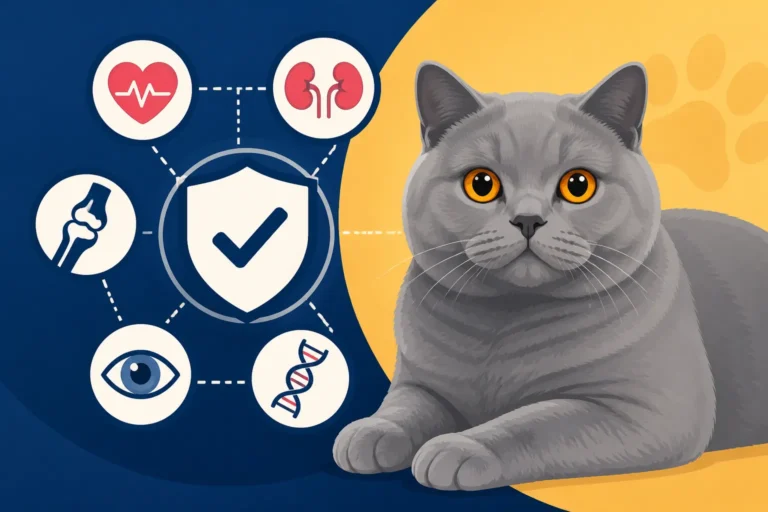
One of the most heart-wrenching concerns for any British Shorthair owner is the thought of their beloved feline companion facing a debilitating genetic illness. For a long time, Polycystic Kidney Disease (PKD) cast a worrying shadow over the breed, often leading to kidney failure and immense distress. This comprehensive guide will peel back the layers of history to explain exactly how this insidious condition made its way into the British Shorthair gene pool and, more importantly, what steps have been taken to combat it.
Understanding Polycystic Kidney Disease in Cats
When we talk about PKD in cats, we're discussing a serious hereditary condition that primarily affects the kidneys, but can also, less commonly, manifest in other organs like the liver or pancreas. It's a disease that can remain hidden for years, slowly progressing until the damage becomes irreversible, which is why it has been such a concern for breeders and owners alike.
What is PKD and How Does It Affect Felines?
At its core, Polycystic Kidney Disease is characterized by the formation of multiple fluid-filled sacs, or cysts, within the kidneys. These aren't just little bubbles; over time, these cysts grow in size and number, gradually taking up more and more space within the kidney tissue. As they expand, they unfortunately displace and ultimately destroy the normal, healthy kidney tissue that is essential for filtering waste products from the blood and maintaining fluid balance in the body.
The impact on a cat can be profound, though often subtle in its early stages. Kittens are born with these microscopic cysts, but they typically don't cause problems until the cat reaches adulthood, usually between three and ten years of age. This means a cat can appear perfectly healthy for years, all while the damage is slowly accumulating internally. Eventually, as more and more kidney function is lost, the cat will start showing signs of chronic kidney disease. These signs can include increased thirst, frequent urination, weight loss despite a good appetite, lethargy, poor coat condition, and even vomiting. It's a cruel progression because by the time these symptoms become noticeable, the disease is often quite advanced, and the kidneys are already significantly compromised. Owners often feel a deep sense of frustration, wondering why they didn't see it sooner, but the nature of PKD means it's a silent threat until it reaches a critical stage. This is why understanding What Polycystic Kidney Disease Does to a British Shorthair is so vital.
The Genetic Basis of PKD
The form of PKD that we're primarily concerned with in cats, especially the British Shorthair, is Autosomal Dominant Polycystic Kidney Disease, or ADPKD. This mouthful of a name simply means two very important things for understanding its inheritance and spread. First, "autosomal" tells us that the gene responsible for the disease is not linked to sex chromosomes, so both male and female cats are equally susceptible to inheriting it. Second, and perhaps most crucially, "dominant" means that a cat only needs to inherit one copy of the faulty gene from either parent to develop the disease.
This dominance is what makes ADPKD so challenging to manage without proper genetic testing. If a cat inherits even one copy of the defective PKD1 gene, they will develop PKD. They will also have a 50% chance of passing that same gene on to each of their offspring, regardless of whether the other parent is clear of the gene. A cat with two copies of the defective gene is usually not seen in the population as they tend to be non-viable. This genetic reality means that seemingly healthy carriers, those showing no outward signs, can inadvertently spread the gene through an entire breeding line if not tested. The discovery of the specific PKD1 gene mutation that causes the disease in cats, predominantly in Persians, was a monumental step forward, providing a clear target for diagnostic testing and ultimately, eradication efforts.
The Persian Connection: Tracing PKD's Origins
To understand how PKD found its way into the British Shorthair, we have to journey back in time and explore a critical period in the breed's history, one marked by both near-extinction and a determined effort to save it. This period involved careful, albeit sometimes risky, breeding choices that had unforeseen consequences for future generations.
Where PKD Was First Identified
Polycystic Kidney Disease was first and most notably identified as a significant health issue within the Persian cat breed. For decades, breeders of Persians grappled with this devastating disease, often witnessing their beautiful cats succumb to kidney failure at relatively young ages. It became clear that this wasn't just a random occurrence; there was a strong hereditary component. Veterinary geneticists and researchers dedicated considerable effort to pinpointing the cause within the Persian population, eventually leading to the identification of the specific PKD1 gene mutation.
This genetic mutation was widespread among Persians before the advent of DNA testing. Many prize-winning cats, highly sought after for their exquisite breed type and conformation, were unknowingly carrying and transmitting the gene. This meant that the gene was thoroughly integrated into the breed's foundational lines. The frustration for Persian breeders was immense; they were often unknowingly contributing to the problem, and the visual screening via ultrasound was the only tool they had, which could sometimes miss early or very small cysts, leading to false negatives.
The Rationale Behind Outcrossing to Persians
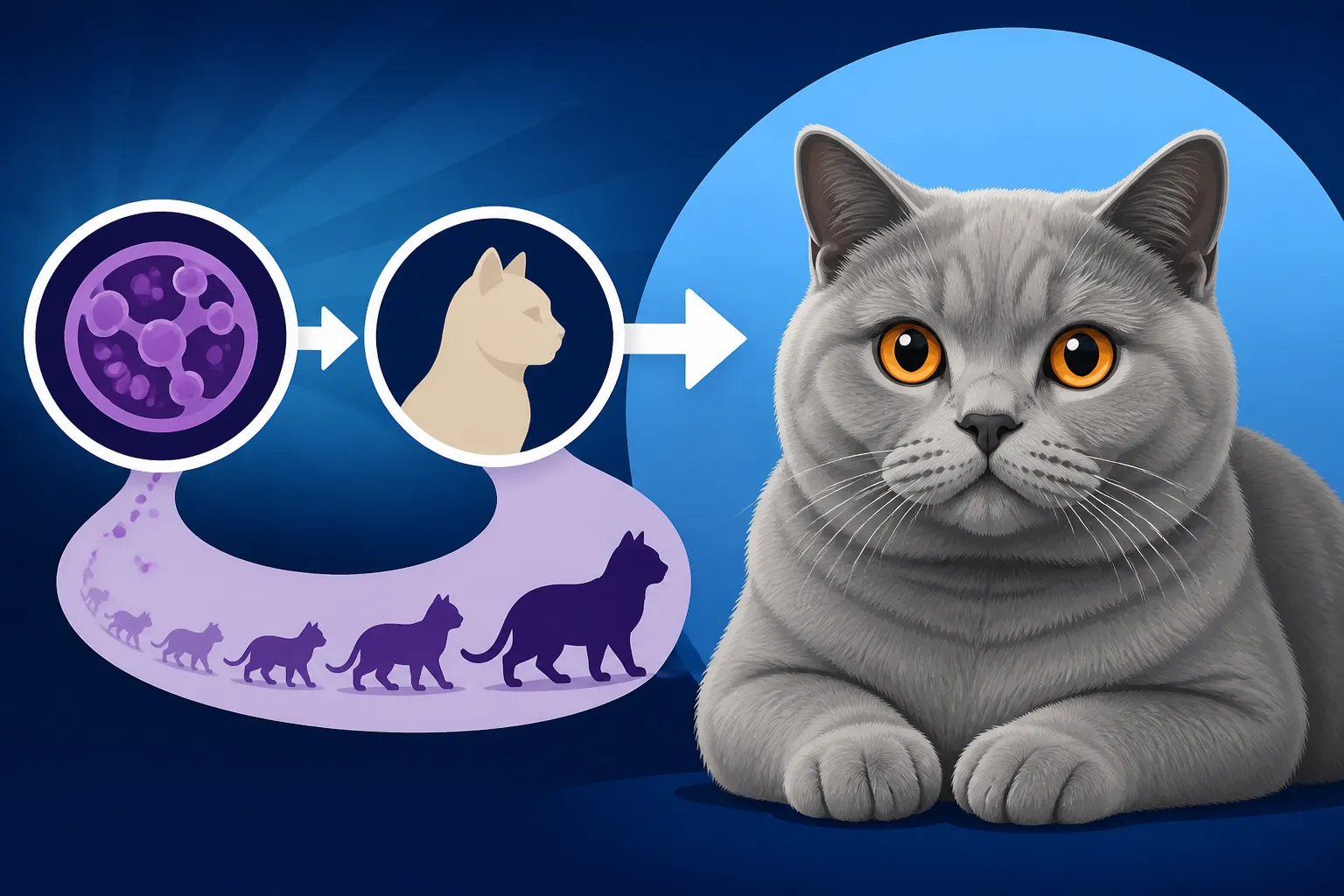
The history of the British Shorthair is one of resilience. The breed faced two catastrophic blows during the World Wars of the 20th century. During both World War I and World War II, breeding programs collapsed, resources dwindled, and cat populations plummeted. After WWII, the British Shorthair breed was on the brink of extinction, with perilously low numbers and a severely depleted gene pool. Breeders were faced with a dire choice: allow the breed to fade away or introduce new blood.
This wasn't a decision taken lightly. To preserve the unique characteristics of the British Shorthair – its robust, cobby body, round head, and distinctive dense coat – while also expanding genetic diversity and preventing inbreeding depression, breeders made the difficult but necessary choice to outcross to other breeds. The Persian cat, with its similar short nose and large, round eyes, was a natural, albeit risky, choice for these outcrosses. The hope was to introduce new genes, increase the population size, and restore the breed's vigor, all while maintaining the quintessential British Shorthair "look." This period of breed rebuilding is incredibly important, as detailed in The Persians That Rebuilt the British Shorthair After the War, and while it saved the breed, it also opened the door to inherited health issues present in the outcross breeds.
PKD's Journey into the British Shorthair Gene Pool
The outcrossing efforts were successful in boosting British Shorthair numbers and genetic diversity, but they came with an unintended consequence: the introduction of the PKD1 gene. This wasn't a malicious act, but rather a result of the limitations of genetic understanding and testing capabilities at the time.
The Breeding Practices That Introduced PKD
When British Shorthair breeders introduced Persian cats into their lines, the specific genetic mechanism for PKD was not yet fully understood, nor was there a reliable DNA test available. The focus was on phenotype – the physical characteristics – and widening the gene pool. If a Persian cat appeared healthy and produced offspring with desirable British Shorthair traits, it was considered a successful cross. Unfortunately, many of these "healthy" Persians were silent carriers of the PKD1 gene.
Because ADPKD is an autosomal dominant condition, only one parent needed to carry the gene for it to be passed on to half of their kittens. These first-generation crosses, often registered as British Shorthairs after several generations of backcrossing to purebred British Shorthairs, carried the PKD gene. Their offspring, in turn, continued to spread it through the developing British Shorthair population. The fact that the cysts often don't become problematic until later in life meant that many affected breeding cats would produce several litters before any signs of illness appeared, further entrenching the gene within the breed. This silent spread made the problem incredibly challenging to identify and control for many years.
The Spread Through Popular Sires and Queens
The impact of popular sires and queens on a breed's genetic health cannot be overstated. In any breeding program, certain individuals are highly prized for their exceptional conformation, temperament, or show success. These "popular" cats are often used extensively for breeding, siring or producing numerous litters. While this can rapidly improve desired breed characteristics, it also has the potential to amplify any inherited health conditions if the popular sire or queen is an unknowing carrier.
In the case of PKD in British Shorthairs, it's highly probable that some of the early outcrossed lines produced individuals who became very successful in the show ring and were subsequently used extensively for breeding. If these foundation cats carried the PKD1 gene, their widespread use would have rapidly disseminated the gene throughout the British Shorthair population. Each kitten inheriting the gene would then have the potential to pass it on, creating a ripple effect that touched many pedigrees. This scenario highlights why What a British Shorthair Breeder Should Have Tested is such a crucial topic today, emphasizing the responsibility that comes with selecting breeding animals. The sheer number of offspring from these influential cats meant that the gene became embedded across various catteries and geographical locations before its presence was widely recognized or easily detectable.
The Impact and Legacy of PKD in the British Shorthair
For years, PKD posed a significant threat to the British Shorthair breed, leading to heartbreak for many owners and a serious challenge for responsible breeders. However, the legacy of this struggle is not just one of disease, but also of scientific progress and dedicated efforts to ensure the breed's health for generations to come.
The Health Consequences for British Shorthairs
The introduction of the PKD1 gene into the British Shorthair breed meant that many cats developed Polycystic Kidney Disease, often without any prior warning for their owners. The disease, as discussed, is progressive, meaning the cysts continue to grow and multiply over time, slowly diminishing the kidney's ability to function. For affected British Shorthairs, this often led to chronic kidney disease (CKD), a condition that causes a gradual decline in health and, eventually, kidney failure.
Cats suffering from CKD might exhibit a range of symptoms including excessive thirst (polydipsia), increased urination (polyuria), weight loss, a dull coat, loss of appetite, lethargy, and occasionally vomiting or bad breath due to toxin buildup. The progression could be slow and insidious, making it difficult for owners to realize the severity of the problem until their beloved cat was already quite ill. The average The Age PKD Shows in a British Shorthair could vary, but it was often in their middle to senior years, meaning that cats who appeared robust and healthy in their youth would suddenly face a terminal diagnosis. This silent progression was particularly cruel, as it robbed many British Shorthairs of their full potential lifespan, often impacting them well before The Twelve to Seventeen Years a British Shorthair Gets they might otherwise have enjoyed.
The Ongoing Efforts to Eradicate PKD
The good news is that the story of PKD in the British Shorthair is largely one of success thanks to the tireless efforts of veterinary researchers, geneticists, and, crucially, responsible breeders. Once the specific PKD1 gene mutation was identified in Persians in the early 2000s, it paved the way for a definitive DNA test. This breakthrough was a game-changer for the British Shorthair community.
Breeders could now definitively test their breeding cats to determine if they carried the PKD1 gene. Cats testing negative were considered "clear" and could be bred with confidence regarding PKD. Cats testing positive were identified as affected and, crucially, removed from breeding programs. Over time, through diligent and widespread testing, the incidence of PKD in British Shorthairs has dramatically declined. Many breed registries and clubs now mandate or strongly recommend PKD testing for all breeding animals, and the vast majority of reputable British Shorthair breeders can now proudly state that their lines are PKD-negative. This collective effort has transformed PKD from a widespread concern into a rare diagnosis within responsibly bred British Shorthair populations, making Whether a British Shorthair Is a Healthy Breed a question with a much more positive answer today.
Screening and Prevention: Protecting Your British Shorthair
Understanding the history of PKD and its genetic basis is important, but what truly matters for current and prospective British Shorthair owners is how we prevent this disease and protect our cats today. Thanks to scientific advancements, we have powerful tools at our disposal.
The Importance of DNA Testing
The advent of the PKD1 DNA test has revolutionized the approach to Polycystic Kidney Disease. This simple, non-invasive test requires only a small sample of cells, usually collected with a buccal swab (a fancy term for swabbing the inside of a cat's cheek). The sample is then sent to a specialized laboratory, which analyzes the cat's DNA for the specific PKD1 gene mutation. The results are incredibly accurate, providing a definitive "clear," "carrier" (affected, heterozygous), or theoretically "affected, homozygous" (though, as mentioned, this last result is rarely seen as it is typically non-viable).
For breeders, this test is an absolute cornerstone of responsible breeding practices. It allows them to identify and remove affected cats from their breeding programs, thereby ensuring that kittens born from their cattery will not inherit the PKD1 gene. This is not just good practice; it's an ethical imperative. Prospective buyers should always ask for proof of PKD testing from both parents, usually in the form of official laboratory certificates. This test is far more reliable than ultrasound in determining genetic status, as it detects the presence of the gene itself, not just the physical manifestation of cysts, which can be small and hard to detect in young cats via ultrasound. Knowing What the British Shorthair PKD and Hemophilia Tests Cost can help owners understand the investment breeders make.
Ultrasound Screening as a Complementary Tool
While DNA testing is the gold standard for determining a cat's genetic status regarding PKD, ultrasound screening still holds value, particularly for older cats of unknown genetic history or as a historical tool. Before the DNA test became widely available, ultrasound was the primary method for screening cats for PKD. A veterinary ultrasonographer would meticulously scan the kidneys to look for the characteristic fluid-filled cysts.
Ultrasound is an effective diagnostic tool for detecting cysts, especially as they grow larger and more numerous with age. However, it has limitations as a screening tool for breeding. Tiny cysts, or cysts in very young cats, can be difficult to visualize, potentially leading to a false negative result. This means an ultrasound-clear cat could still carry the PKD1 gene and pass it on. This is why it's considered complementary to DNA testing rather than a replacement. For a cat whose genetic history is unknown, perhaps an adult rescue, an ultrasound can provide valuable information about the current health of their kidneys. But for breeding animals, particularly British Shorthairs today, DNA testing is the definitive method for ensuring a PKD-free future. Understanding Whether a British Shorthair Should Be PKD Tested requires knowledge of both methods.
Here’s a quick comparison of the two main screening methods:
| Feature | DNA Test | Ultrasound Scan |
|---|---|---|
| Detection | Detects the PKD1 gene mutation | Detects physical cysts in the kidneys |
| Age for Test | Any age, even kittens | Usually 6 months and older for reliable results |
| Accuracy | Definitive genetic status (clear/affected) | Dependent on cyst size and sonographer skill |
| Invasiveness | Non-invasive buccal swab | Non-invasive, requires sedation in some cases |
| Cost | Generally lower | Generally higher |
| Primary Use | Genetic screening for breeding | Diagnosis of existing kidney cysts/disease |
| Genetic Status | Determines if cat carries the gene | Does NOT determine genetic carrier status |
What to Ask Your Breeder and Why It Matters
When you’re looking to bring a British Shorthair kitten into your home, you’re not just choosing a cat; you’re investing in a family member who will hopefully bring joy for many years. Because of the historical presence of PKD, asking the right questions about health screening is absolutely paramount. It ensures you’re not only getting a healthy kitten but also supporting ethical breeding practices.
Essential Questions for Responsible Breeding
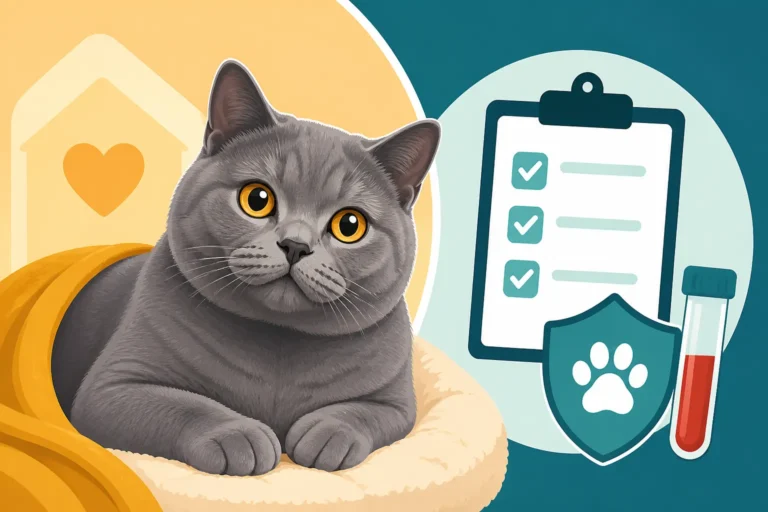
Navigating the world of cat breeders can be a bit daunting, especially with all the health considerations. But don't be shy about asking direct and detailed questions regarding PKD. A responsible breeder will welcome your inquiries and be transparent about their health testing protocols. The first and most critical question should be: "Are your breeding cats DNA tested for PKD, and can I see the results for both parents?" They should be able to provide official documentation from a reputable veterinary genetic laboratory, showing that both the sire (father) and dam (mother) are "PKD1 N/N" or "clear." This is non-negotiable. If they hesitate or offer excuses, it's a major red flag.
Beyond PKD, it's wise to ask about other genetic health screenings relevant to the breed, such as for Hypertrophic Cardiomyopathy (HCM), a common heart condition. Although there's no DNA test for HCM in British Shorthairs, responsible breeders will have their cats undergo regular cardiac ultrasounds (echocardiograms) performed by a board-certified veterinary cardiologist. You should also inquire about health guarantees outlined in their contract. A reputable breeder will offer a health guarantee for genetic conditions, reflecting their confidence in their breeding program. This level of transparency is a hallmark of someone who genuinely cares for the welfare of their cats and the breed as a whole. Remember, you're looking for Which Health Results a British Shorthair Breeder Must Show to ensure a healthy start for your new companion.
Resources for Prospective British Shorthair Owners
Beyond asking your breeder direct questions, there are several excellent resources available to help you make an informed decision and prepare for life with your British Shorthair. Reputable breed clubs, such as those affiliated with The Cat Fanciers' Association (CFA) or The International Cat Association (TICA), often publish breed standards, recommended health screenings, and lists of registered breeders who adhere to ethical guidelines. These clubs are invaluable sources of information and can often put you in touch with mentors or experienced owners.
Furthermore, considering pet health insurance from the outset can provide immense peace of mind. Companies like Healthy Paws offer comprehensive coverage that can help offset unexpected veterinary costs, particularly as your cat ages. While routine health screenings like a The Yearly Echo That Replaces a British Shorthair Gene Test might not always be covered, insurance can be a lifesaver if your cat develops an illness or has an accident. Even with all the proactive screening in the world, life happens, and having a safety net like Healthy Paws means you can focus on your cat's well-being without undue financial stress. It’s also worth exploring forums or online communities dedicated to British Shorthairs; these can be great places to learn from other owners' experiences, but always cross-reference information with official sources or your veterinarian. Taking the time to research thoroughly before bringing home your British Shorthair can prevent future heartbreak and ensure you start your journey together on the healthiest paw possible. For any pet owner, making sure your cat has the best possible care, and having that peace of mind, is priceless.
Disclaimer
This article is intended for informational purposes only and does not constitute veterinary advice. Always consult with a qualified veterinarian for any health concerns or before making any decisions about your pet's care. Breed health information can change, and individualized professional advice is essential.