Whether a British Shorthair Should Be PKD Tested
It can be incredibly worrying when you hear about genetic health issues in your beloved British Shorthair. Polycystic Kidney Disease, or PKD, is one of those conditions that frequently comes up, leaving many owners wondering if their furry companion is at risk and what steps they should take. This comprehensive guide will walk you through everything you need to know about PKD testing for British Shorthairs, from understanding the disease itself to the vital role testing plays in securing a long, healthy life for your cat.
What is Polycystic Kidney Disease and Why Does it Matter for British Shorthairs?
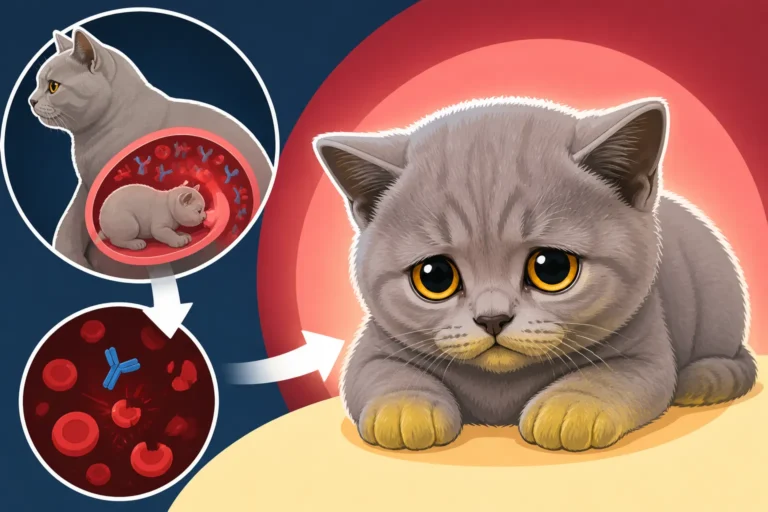
Polycystic Kidney Disease (PKD) is a hereditary kidney disease primarily found in certain cat breeds, and unfortunately, the British Shorthair is one of them. It's characterized by the development of multiple fluid-filled cysts within the kidneys, which are present from birth. These cysts gradually grow larger and increase in number over time, progressively taking over normal kidney tissue and eventually leading to kidney dysfunction or failure. It's a silent threat that can go unnoticed for years, making proactive knowledge and action so crucial for British Shorthair owners. Without proper understanding and testing, this condition can severely impact a cat's health and longevity.
Understanding the Genetic Component of PKD
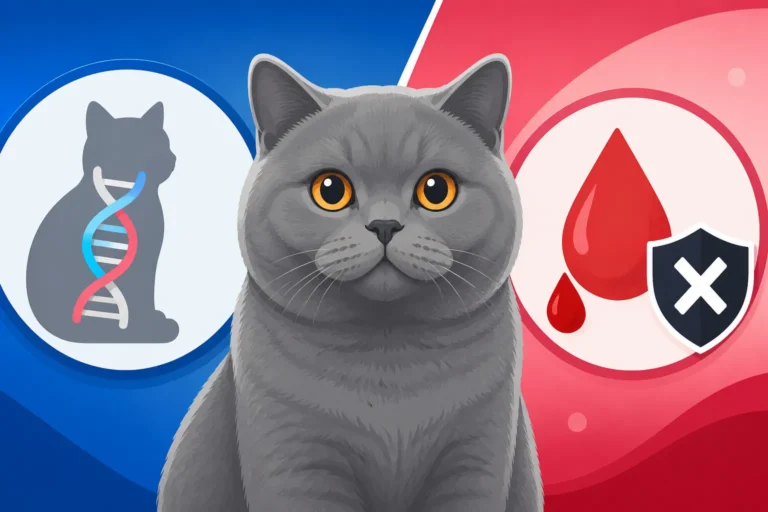
The underlying cause of PKD in British Shorthairs, and many other breeds, is a specific genetic mutation. Specifically, it's linked to the PKD1 gene, which means it's an inherited condition passed down through generations. This isn't something a cat "catches" later in life; they are born with the genetic predisposition, and the cysts begin to form and grow from a very young age. Because it's an autosomal dominant trait, a cat only needs to inherit one copy of the mutated gene from either parent to develop the disease. This is a critical point for breeders, as even one affected parent can pass the gene to 50% of their offspring.
This genetic inheritance pattern means that if your British Shorthair has even one parent with PKD, there's a significant chance they could inherit it. The good news is that this genetic origin also means we have a definitive way to identify carriers and affected cats through DNA testing, which we'll discuss in more detail later. Knowing the genetic basis is the first step in understanding why proactive testing is so incredibly important for the breed's health. It allows breeders to make informed decisions and prevent the spread of the disease, safeguarding the health of future British Shorthair generations.
The Progressive Nature of the Disease
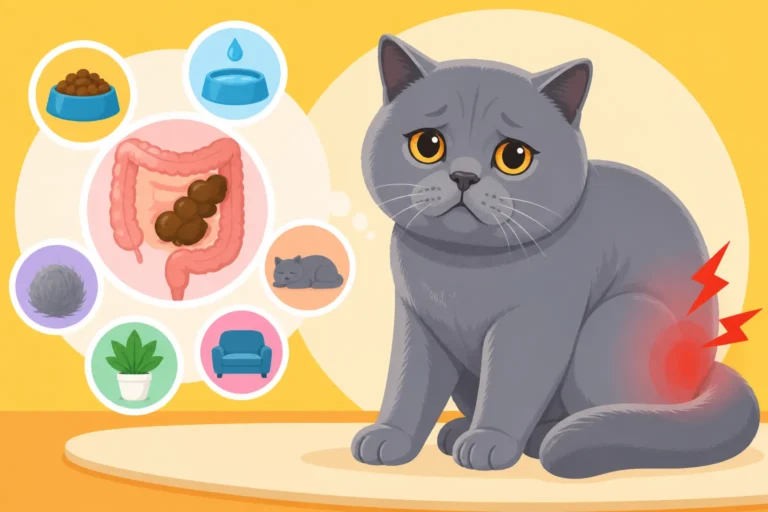
What makes PKD particularly insidious is its progressive nature. The cysts don't just appear overnight; they slowly enlarge and multiply over months and years, gradually compromising kidney function. Initially, your cat might show no outward signs of illness at all, leading owners to believe their cat is perfectly healthy. It's often not until a significant portion of the kidney tissue has been replaced by cysts that clinical symptoms become apparent. By this point, the kidneys are usually severely compromised, and managing the disease becomes a much greater challenge.
Imagine it like tiny balloons slowly inflating inside the kidneys, squeezing out the working kidney cells. Over time, these "balloons" get bigger and more numerous, leaving less and less functional kidney tissue. This slow, relentless progression means that early detection, before overt symptoms appear, is key to managing the disease and improving a British Shorthair's lifespan. Without early intervention, it can lead to serious complications and a reduced quality of life for your cherished companion. The stealthy nature of this disease highlights why being informed and proactive is so crucial for British Shorthair parents. For a deeper dive, understanding How PKD Cysts Damage a British Shorthair's Kidney explains the physiological impact.
How Polycystic Kidney Disease Manifests in British Shorthairs
The tricky thing with PKD, as mentioned, is its silent progression. Many British Shorthairs won't show any obvious signs for years, which can be incredibly frustrating for owners who want to catch problems early. The age at which symptoms appear can vary widely, often depending on the rate of cyst growth and the individual cat's resilience. Some cats might start showing signs around three to four years old, while for others, it might not be until they're much older, closer to seven or eight. This variability is why regular monitoring and screening are so vital, especially as the British Shorthair is known for its stoic nature.
Early Signs Versus Advanced Symptoms
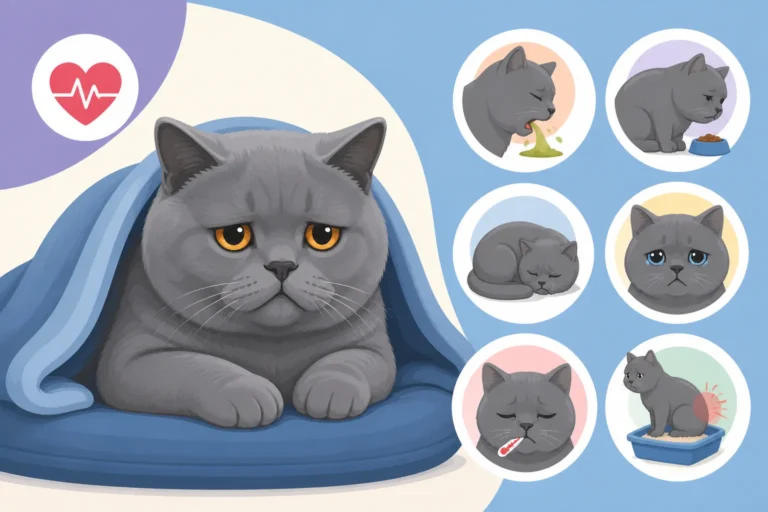
When the cysts are small and few, your British Shorthair might appear completely normal. They'll eat, play (in their characteristically calm way), and behave just as you'd expect. However, as the disease progresses and kidney function declines, you might start to notice subtle changes. Early signs can be vague, like increased thirst and urination, which many owners might attribute to normal variations or even warmer weather. They might also have a slightly reduced appetite or seem a bit more tired than usual. These are easy to miss, especially in a breed known for its placid and independent nature.
As the disease enters its more advanced stages, the symptoms become much more pronounced and concerning. You might see significant weight loss, lethargy, persistent vomiting, a poor coat condition, and a distinct lack of appetite. Some cats might develop anemia or hypertension (high blood pressure). In severe cases, you might even be able to feel enlarged, bumpy kidneys during a gentle palpation of their abdomen, though this should always be done by a vet. These are clear indicators that the kidneys are struggling, and immediate veterinary attention is needed. To learn more about specific indicators, you can read about Signs a British Shorthair's Kidneys Are Failing. It's a stark reminder of the disease's progression.
Impact on Quality of Life and Longevity
The gradual decline in kidney function due to PKD can significantly impact a British Shorthair's quality of life. Cats with advanced kidney disease often feel generally unwell, experiencing chronic nausea, weakness, and discomfort. They may become withdrawn, no longer enjoying their favorite quiet spots or gentle interactions. Their once plush coat can become dull and unkempt, a stark contrast to their usual dignified appearance, particularly if they are struggling with Why an Overweight British Shorthair Stops Grooming Its Back. The pain and discomfort from advanced PKD can make even simple movements difficult, further diminishing their joy in everyday activities.
Ultimately, untreated or advanced PKD can drastically shorten a British Shorthair's lifespan. While some cats with mild forms of the disease might live into their senior years with careful management, those with rapidly progressing or severe cyst development can succumb to kidney failure much earlier. This is precisely why testing and early intervention are not just about diagnosis, but about giving your beloved cat the best possible chance at a long, comfortable life. Understanding What Polycystic Kidney Disease Does to a British Shorthair really drives home the importance of this, showing how vital proactive screening is for their long-term welfare. The sooner you know, the sooner you can act to mitigate the effects.
The History of PKD in the British Shorthair Breed
It's a common misconception that PKD is just a "Persian thing," but the reality is a bit more intertwined, especially for the British Shorthair. The presence of PKD in the British Shorthair gene pool isn't a native trait but rather a legacy of historical breeding practices. Understanding this lineage helps us appreciate why testing is so critical today and why the breed community has worked so hard to address this challenge, aiming to eliminate this inherited condition from their lines.
The Persian Connection
To understand how PKD entered the British Shorthair lines, we need to look back at the breed's history, particularly after the two World Wars. The British Shorthair population suffered significantly during these periods, facing near extinction. Breeders faced the daunting task of rebuilding the numbers and maintaining the breed's distinct characteristics, such as their cobby body and plush coat. To achieve this, outcrossing to other breeds was necessary, and the Persian cat was a popular choice due to its similar cobby body type and calm temperament, which complimented the desired British Shorthair traits.
Unfortunately, at the time, PKD was not widely understood or tested for, and many Persians unknowingly carried the PKD1 gene. When these Persian cats were bred with British Shorthairs, the dominant PKD1 gene was inadvertently passed into the British Shorthair gene pool. So, while the British Shorthair isn't inherently predisposed to PKD, the historical introduction of Persian genes created a pathway for the disease to become established. This historical event is precisely why the title Polycystic Kidney Disease Came Into the British Shorthair With the Persians exists, explaining this critical genetic link.
Efforts to Eradicate PKD in the Breed
Once the genetic link and prevalence of PKD in breeds like the British Shorthair were discovered, dedicated breeders and veterinary geneticists swung into action. The goal became clear: to systematically eliminate the PKD1 gene from breeding lines. This has been a long and ongoing process, requiring widespread testing and responsible breeding decisions based on scientific data. Breeders committed to health have been diligently screening their cats for decades, ensuring that only PKD-negative cats are used for breeding. This commitment to genetic health has transformed the breed's outlook significantly.
Thanks to these concerted efforts, the prevalence of PKD in well-bred British Shorthairs has drastically decreased. It's a testament to the power of genetic testing and responsible breeding practices. However, it's crucial to remember that the gene can still pop up, especially if a breeder isn't diligent with their testing or if outcrossed lines (perhaps from less scrupulous sources or those with incomplete health histories) are introduced. This is why the question of How Much PKD Is Left in the British Shorthair remains relevant, and why testing remains a cornerstone of ethical breeding today, ensuring continuous progress in breed health.
Testing for PKD: Methods and Recommendations
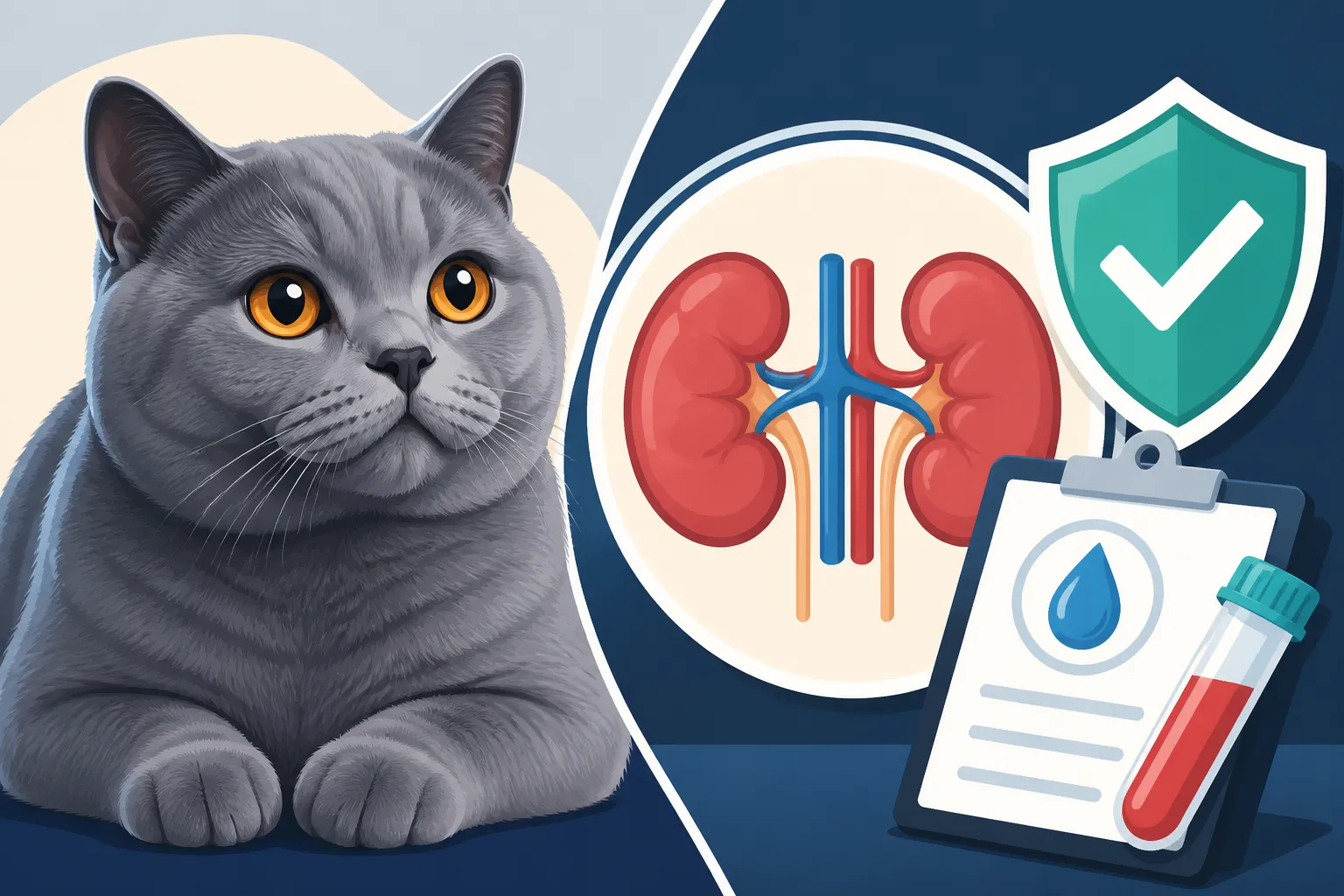
Given the genetic nature of PKD and its progressive course, testing is undeniably the most powerful tool we have to protect British Shorthairs. There are primarily two methods of testing available, each with its own advantages and considerations, and understanding both is key to making informed decisions for your cat. These methods offer different perspectives on your cat's health status, from genetic predisposition to physical manifestation of the disease.
The PKD1 DNA Test
This is the gold standard for identifying the presence of the PKD1 gene. The DNA test is a simple, non-invasive test that usually involves collecting a buccal (cheek) swab from the cat. This sample is then sent to a specialized laboratory for analysis. The beauty of the DNA test is its accuracy and definitiveness: it tells you whether your cat carries the gene (meaning they have one copy and will develop cysts), is clear of the gene (meaning they do not carry it and will not develop PKD), or is affected with two copies of the gene (which is rare for PKD1 as it's typically lethal in utero with two copies).
The DNA test can be performed at any age, even on young kittens, making it an invaluable tool for breeders to make informed decisions before breeding. It's a one-time test; once a cat tests negative for the PKD1 gene, they are considered clear for life and cannot pass the gene on to their offspring. This makes it an incredibly powerful and cost-effective way to ensure future generations are PKD-free. Many laboratories, such as Optimal Selection or Orivet, offer comprehensive genetic panels that include the PKD1 test. You can find more details on Whether the PKD1 DNA Test Covers British Shorthairs, ensuring you choose the correct test.
Ultrasound Screening: Pros and Cons
While the DNA test confirms the presence of the gene, an ultrasound literally looks for the cysts in the kidneys. This method involves a veterinary professional, ideally a board-certified veterinary radiologist or internal medicine specialist, using an ultrasound machine to visualize the kidneys and look for the characteristic fluid-filled cysts. It's a non-invasive procedure, though some cats may require mild sedation to ensure they lie still for accurate imaging. The quality of the ultrasound and the skill of the operator are paramount for reliable results.
Pros of Ultrasound:
- Direct Visualization: Provides direct evidence of cysts, their size, and number, offering a clear picture of the current kidney condition.
- Complements DNA Test: Useful for confirming the disease in a genetically positive cat, or for screening older cats whose genetic status is unknown (e.g., rescues). It provides a physical confirmation.
- Assess Kidney Health: Can assess overall kidney structure, identify other potential kidney issues, and evaluate the degree of kidney damage.
- Early Detection of Cysts: Can detect cysts before they become palpable or cause clinical signs, allowing for earlier management.
Cons of Ultrasound:
- Operator Dependent: The accuracy can depend heavily on the skill and experience of the sonographer. An inexperienced operator might miss small cysts.
- Age Dependent: Cysts can be very small in young cats, making them difficult to detect. A negative ultrasound at a young age doesn't guarantee a cat is PKD-free, as cysts can grow over time. Re-screening might be needed as they mature.
- Cost: Generally more expensive than a DNA test, especially if performed by a specialist, and often requires repeat visits.
- Stress: Some cats find the procedure stressful, which might necessitate sedation, adding to the cost and risk.
For an in-depth look at what's involved, consider reading Whether a British Shorthair Needs a Kidney Ultrasound.
When and How Often to Test
For responsible British Shorthair owners and especially breeders, the recommendation is clear: DNA test all breeding cats for the PKD1 gene. This should be done before they are ever bred. A cat that tests negative for PKD1 can then be confidently bred without the risk of passing on the gene. This ensures that the genetic defect is not perpetuated in the breed, contributing to healthier lines.
For pet owners, if you've acquired your British Shorthair from a reputable breeder who screens their breeding stock, they should be able to provide documentation that both parents were PKD1 negative. In this ideal scenario, your cat is very unlikely to develop PKD, and further testing might not be necessary. Always ask to see those health certificates! However, if you have a British Shorthair from an unknown background (e.g., a rescue or an adoption where health history is unclear), or if their breeder didn't perform DNA testing, then an ultrasound can be a valuable tool, particularly as they approach middle age (around 3-5 years old). While a single negative ultrasound doesn't definitively rule out PKD if the cat carries the gene, it can give you a snapshot of their kidney health at that moment. Remember that these diagnostic costs, while crucial, can add up, and having pet insurance from providers like Healthy Paws in place can offer significant support in managing potential expenses for further diagnostics or treatment. Some vets might recommend yearly wellness checks that include checking What a British Shorthair's Yearly Bloodwork Should Cover, which can help identify early signs of kidney issues.
Table: PKD Testing Methods Comparison
| Feature | PKD1 DNA Test | Kidney Ultrasound |
|---|---|---|
| Purpose | Detects the presence of the gene | Detects the presence of cysts |
| Accuracy | Highly accurate (definitive genetic status) | Highly accurate (when performed by specialist) |
| Timing | Any age (can be done on kittens) | Recommended from 1-2 years, re-screen later if needed |
| Invasiveness | Non-invasive (cheek swab) | Non-invasive (imaging), mild sedation sometimes needed |
| Cost | Generally lower (one-time test) | Generally higher (requires vet visit & specialist) |
| Result | Clear, Carrier, or Affected (by gene) | Cysts present, Cysts absent |
| Breeding Value | Essential for preventing transmission | Can confirm disease, less useful for prevention |
| Key Limitation | Doesn't show current cyst burden | Cysts may be too small to detect in young cats |
Managing a British Shorthair with a PKD Diagnosis
Receiving a PKD diagnosis can be disheartening, but it's important to remember that it's not an immediate death sentence. While PKD is a progressive and incurable disease, with proper management, many British Shorthairs can maintain a good quality of life for an extended period. The key lies in early detection and a proactive, supportive approach to care, focusing on minimizing the burden on the kidneys and alleviating symptoms.
Dietary Changes and Fluid Intake
One of the most crucial aspects of managing PKD, especially as kidney function begins to decline, is dietary modification. Vets typically recommend a prescription renal diet. These diets are carefully formulated to be lower in protein, phosphorus, and sodium, which helps reduce the workload on the kidneys and slow the progression of the disease. They also often contain higher levels of omega-3 fatty acids and antioxidants to support kidney health. It's not about starving your cat of protein, but rather providing high-quality protein in controlled amounts that are easier for compromised kidneys to process. Transitioning to such a diet must be done gradually, as cats can be notoriously picky eaters, especially when they're already feeling unwell.
Encouraging increased fluid intake is also vital to help flush toxins from the kidneys and keep your cat well-hydrated. This can involve switching to wet food exclusively, adding water to their meals, or providing multiple water sources, such as ceramic bowls or a flowing Whether a British Shorthair Needs a Water Fountain. Some vets might even suggest subcutaneous (under the skin) fluid therapy at home for cats with more advanced disease, which can significantly improve their comfort and kidney function by helping to remove waste products. Hydration is a cornerstone of kidney disease management.
Medications and Supportive Care
Beyond diet, there are several medications and supportive therapies that can help manage the symptoms and complications associated with PKD. These are typically prescribed by your veterinarian based on your cat's specific needs and the stage of their disease. For instance, if your British Shorthair develops high blood pressure (a common complication of kidney disease), your vet might prescribe antihypertensive medications to protect the kidneys and other organs. Nausea is also common, and anti-nausea medications can significantly improve appetite and overall comfort, encouraging them to eat.
Phosphorus binders might be given to help reduce phosphorus levels in the blood, which can become elevated in kidney disease and contribute to further damage. For cats that are anemic, specific supplements or even injectables might be considered to support red blood cell production. Regular veterinary check-ups, often every 3-6 months depending on the disease stage, are essential to monitor kidney values through blood and urine tests, adjust treatments, and ensure your cat is as comfortable as possible. It's during these times that having robust pet insurance like Healthy Paws can be a lifesaver, helping to cover the ongoing costs of these specialized treatments and diagnostics without financial strain, allowing you to focus on your cat's health. You can learn more about specific care strategies in How a British Shorthair With Kidney Disease Is Managed.
The Ethical Breeder's Role in Preventing PKD
For those considering bringing a British Shorthair into their home, the importance of choosing an ethical and responsible breeder cannot be overstated, especially when it comes to preventing genetic diseases like PKD. A breeder's commitment to health testing is the first and most critical line of defense in ensuring the well-being of their kittens and the future of the breed. This responsibility extends far beyond simply producing beautiful cats; it's about safeguarding their health legacy.
Importance of Testing Breeding Stock
An ethical British Shorthair breeder will not only be aware of genetic conditions prevalent in the breed, such as PKD and HCM (Hypertrophic Cardiomyopathy), but will also actively test all their breeding cats for these conditions. For PKD, this means performing the PKD1 DNA test on both the queen (mother) and stud (father) before any mating takes place. A responsible breeder will never breed a cat that tests positive for the PKD1 gene, regardless of how desirable their other traits might be. Their commitment is to health first, conformation second.
They understand that the long-term health of the breed takes precedence over any individual cat or litter. If a cat is found to be PKD1 positive, they are spayed or neutered and placed in a loving pet home, ensuring they cannot pass on the gene. This proactive approach ensures that every kitten born in their cattery has the best possible chance of being PKD-free. When you're speaking with a potential breeder, don't hesitate to ask about their health testing protocols and to see proof of PKD1 negative results for both parents. A reputable breeder will be proud to share this information. This goes hand-in-hand with What a British Shorthair Breeder Should Have Tested. For more details on what breeders should avoid, consider Whether a PKD Positive British Shorthair Should Be Bred.
The Responsibility of a Pet Owner
Even if you acquire your British Shorthair from an impeccable breeder who has done all the necessary genetic testing, your responsibility as an owner doesn't end there. Continuous, attentive care plays a huge role in maintaining your cat's health. Regular veterinary check-ups, a high-quality diet, and a watchful eye for any changes in behavior or health are paramount. If your cat's genetic status for PKD is unknown, perhaps because you adopted them from a rescue (where comprehensive health history might not always be available, making Whether a Rescue British Shorthair Has Been Screened a valid concern), discussing ultrasound screening with your vet as your cat approaches middle age would be a prudent step.
Additionally, pet insurance can be a valuable investment, providing peace of mind should any health issues, including kidney disease, arise later in life. Companies like Healthy Paws offer comprehensive coverage that can help mitigate the financial burden of chronic disease management, allowing you to focus on your cat's care rather than the cost. It's a proactive measure that aligns with the commitment you make to your British Shorthair's long-term well-being, complementing the initial efforts of responsible breeders. Understanding Insuring a British Shorthair can help you decide if it's the right choice for you, offering a safety net for unexpected veterinary expenses.
Disclaimer
This article is for general informational purposes only and does not constitute professional advice. Laws, prices and regulations vary by location and change over time. Consult a qualified professional for guidance on your specific situation.