Whether a Rescue British Shorthair Has Been Screened
It's absolutely wonderful when someone considers adopting a British Shorthair from a rescue. You're giving a deserving cat a second chance, and that's a truly heartwarming decision. However, a very real and valid concern that often crosses people's minds is the health history of these lovely cats, especially whether they've undergone the same rigorous health screenings you'd expect from a reputable breeder. It's frustrating when you want to do right by a pet but feel like you're walking into the unknown. This guide aims to shed light on what to realistically expect regarding health screening when you rescue a British Shorthair and how you can prepare to give them the best life possible.
The Reality of Rescue Health Screening
When you're looking at a British Shorthair from a rescue, it's natural to hope they've had a comprehensive health check-up, especially considering the breed's predispositions. But the reality for rescue organizations is often quite different from that of a dedicated breeder. It's not a matter of negligence, but rather the challenging circumstances they operate under.
Why Full Screening Isn't Always Possible for Rescues
Rescue groups, whether they're large shelters or small, independent fosters, are almost always working with limited resources. They take in animals from a variety of backgrounds – strays, surrenders from families who can no longer care for them, or even cats rescued from difficult situations. The history of these cats is often unknown, and their immediate needs are usually paramount. Imagine a rescue receiving a cat that's emaciated, matted, or suffering from an acute injury. Their priority immediately shifts to stabilizing that animal, getting them fed, cleaned, and free from pain.
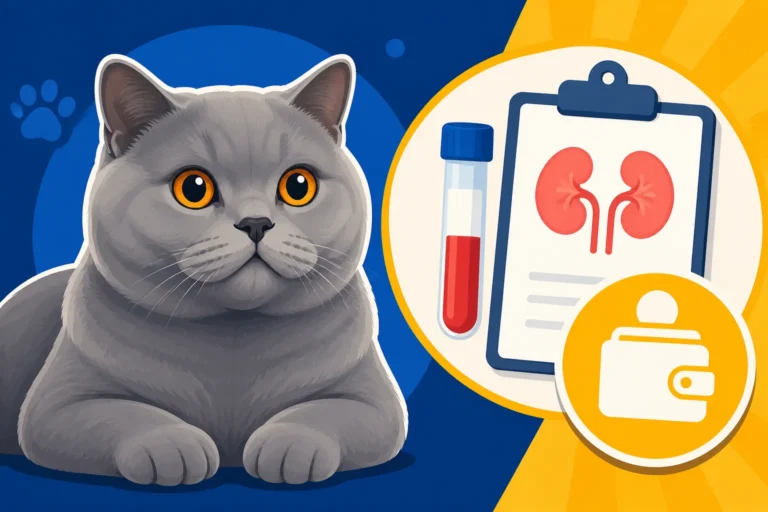
Advanced breed-specific screenings, like cardiac echocardiograms for HCM or genetic tests for conditions like PKD, can be quite costly. When a rescue has dozens, if not hundreds, of animals needing basic care, food, and shelter, these specialized tests often fall lower on the priority list simply due to financial constraints. It's a heartbreaking reality that funding often dictates the depth of care they can provide, and comprehensive screenings for every single animal, especially for specific breed conditions, can quickly deplete their budget for core services. They have to make tough choices about where their limited funds will do the most good for the most animals.
What Rescues Typically Prioritize
While full breed-specific screening might be rare, rescues are diligent about providing a baseline of care for every animal that comes through their doors. Their primary goal is to ensure the cat is healthy enough to be adopted and won't immediately pose a health risk to its new family or other pets.
This typically includes:
- Veterinary Examination: Every cat usually gets a general health check by a veterinarian. This covers a physical assessment, looking for obvious signs of illness, injury, or parasites. They'll check the cat's eyes, ears, teeth, coat, and listen to their heart and lungs.
- Vaccinations: Cats in rescue are almost always brought up to date on their core vaccinations, which protect against common and serious feline diseases like rabies, feline distemper (panleukopenia), feline herpesvirus, and calicivirus.
- Parasite Treatment: Fleas, ticks, ear mites, and intestinal worms are incredibly common in rescue animals. Comprehensive deworming and flea treatment are standard practice.
- Spay/Neuter: Virtually all reputable rescues will spay or neuter cats before adoption. This prevents unwanted litters and often comes with health benefits, reducing the risk of certain cancers and behavioral issues.
- FIV/FeLV Testing: These tests for Feline Immunodeficiency Virus and Feline Leukemia Virus are often standard, as these are contagious and serious diseases that can affect a cat's long-term health and the health of other cats in the home.
While these are crucial steps, they don't generally include the specific screenings that breeders might conduct for conditions like HCM in a British Shorthair Has No DNA Test or Polycystic Kidney Disease Came Into the British Shorthair With the Persians. It's a different scope of care, driven by different objectives and resource limitations.
British Shorthair Specific Health Concerns and Rescue Realities
British Shorthairs, while generally robust, do have some genetic predispositions that responsible breeders screen for. When adopting from a rescue, it's important to understand which of these conditions are more likely to be identified (or not) within a rescue setting.
HCM and PKD: The Big Concerns
Two of the most talked-about health concerns in the British Shorthair breed are Hypertrophic Cardiomyopathy (HCM) and Polycystic Kidney Disease (PKD). These are serious conditions that can significantly impact a cat's quality of life and lifespan.
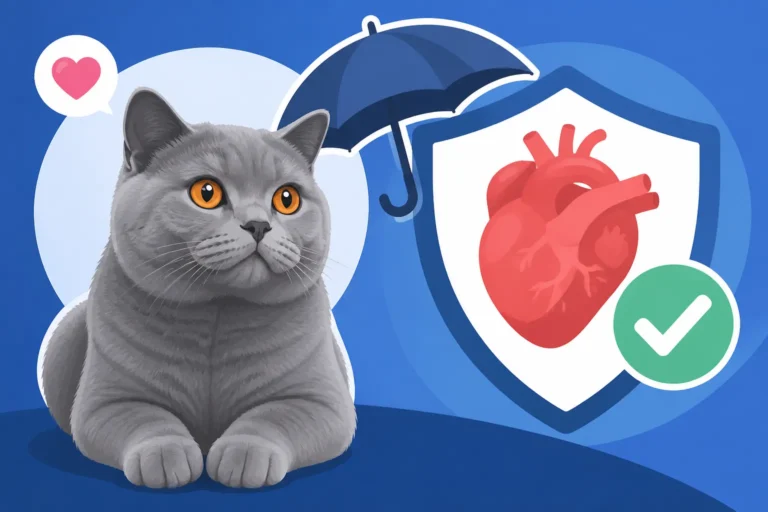
- Hypertrophic Cardiomyopathy (HCM): This is a heart condition where the walls of the heart's main pumping chamber thicken, reducing its efficiency. Unfortunately, there isn't a definitive DNA test for HCM in British Shorthairs, unlike some other breeds. The primary screening tool is a cardiac echocardiogram performed by a veterinary cardiologist. This is a specialized, often costly, procedure. A rescue is highly unlikely to perform routine echoes on all British Shorthairs passing through their care unless the cat presents with obvious symptoms of heart disease, such as a heart murmur detected during a routine physical exam, or signs of difficulty breathing. If a murmur is found, the rescue might then pursue an echo if funds allow, but it's not a given. This means a rescue British Shorthair could be carrying the condition without the rescue knowing. You can learn more about The Yearly Echo That Replaces a British Shorthair Gene Test.
- Polycystic Kidney Disease (PKD): This is a genetic condition that causes cysts to form in the kidneys, eventually leading to kidney failure. Thankfully, there is a reliable DNA test for PKD, and it's a condition that came into the British Shorthair via outcrosses to Persians decades ago. While the DNA test is relatively affordable compared to an echo, many rescues still might not run it routinely for every purebred cat unless they have specific breed-focused funds or if the cat exhibits signs of kidney disease. An ultrasound can also detect cysts, but again, it's a more advanced diagnostic tool not typically used for general screening in a rescue. It's wise to consider Whether a British Shorthair Should Be PKD Tested after adoption.
So, while these are crucial considerations for British Shorthair owners, it's realistic to assume that a rescue cat will not have had these specific screenings unless they showed overt symptoms or came from a very specific surrender situation where previous owner records were available and indicated such testing.
Blood Type and Hemophilia: Niche but Important
While less commonly discussed among pet owners, blood typing and screening for conditions like Hemophilia B are vital for breeders and can have implications for veterinary care.
- Blood Type: The British Shorthair breed has a higher prevalence of blood type B compared to many other breeds. This is critical for breeding to prevent neonatal isoerythrolysis, where a type B queen's antibodies attack type A or AB kittens. For a rescue British Shorthair, which will almost certainly be spayed or neutered before adoption, blood type isn't usually a pressing concern for the pet owner. However, knowing your cat's blood type can be crucial in an emergency situation requiring a blood transfusion. Rescues might not perform blood typing as a routine procedure, as it's not typically a life-saving screening for an individual pet cat not intended for breeding. You might consider asking Whether a Pet British Shorthair Needs Blood Typing after adoption.
- Hemophilia B: This is a rare, X-linked genetic bleeding disorder that affects blood clotting. A DNA test exists for this condition. While critical for breeders to avoid passing on the gene, a rescue is unlikely to test for Hemophilia B unless a cat has presented with unexplained bleeding issues or has a known history from a previous owner. Since most rescue British Shorthairs are already adults or spayed/neutered before adoption, the most common manifestation (prolonged bleeding after injury or surgery) may have already occurred or been addressed. If a male British Shorthair is neutered by the rescue and heals without issue, it's less likely he carries severe hemophilia. However, carriers might not show signs until a significant trauma or surgery. Hemophilia B in a British Shorthair is something breeders carefully consider.
In short, for most pet owners adopting a spayed/neutered British Shorthair from a rescue, these highly specific genetic tests are not typically performed by the rescue, nor are they usually a primary concern unless there are clinical signs.
Obesity and Dental Health: Often Visible Issues
Unlike hidden genetic conditions, problems like obesity and dental disease are much more apparent and often addressed (or at least noted) by rescue organizations.
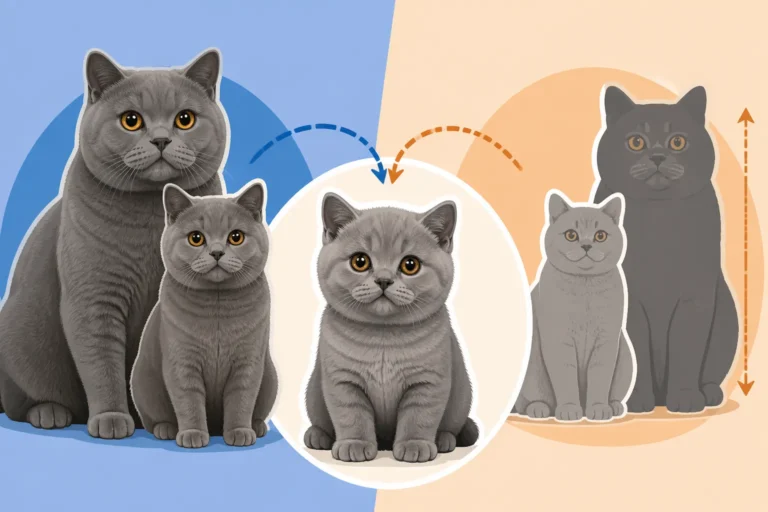
- Obesity: British Shorthairs have a tendency to become overweight, partly due to their calm, somewhat sedentary nature and their naturally stocky build. It's often difficult to tell How to Tell a Chunky British Shorthair From a Fat One beneath all that plush fur. When a British Shorthair arrives at a rescue, their weight is immediately noticeable. Rescues will often start a cat on a controlled diet if they are overweight, as obesity leads to a host of other health problems, including diabetes, arthritis, and liver issues. They might even try different food types from suppliers like Chewy to find something palatable yet healthy. So, while they might not have a formal "weight loss program" in place, they will generally aim for a healthy weight for adoption. Obesity Is the British Shorthair's Real Disease is a significant concern for the breed.
- Dental Health: Dental disease, such as gingivitis and periodontal disease, is incredibly common in adult cats, including British Shorthairs. During the initial vet check, a rescue will assess the cat's teeth and gums. They'll note any severe tartar buildup, gingivitis, or missing teeth. If dental disease is very advanced and causing pain or infection, the rescue may prioritize a dental cleaning and extractions before adoption, particularly if they have the funds. However, mild to moderate dental issues might be noted in the cat's records but left for the adopter to address. Regular dental care is crucial, as Gingivitis in a British Shorthair can quickly escalate to more serious issues.
These more visible health issues are often a direct result of previous neglect or lack of care and are more likely to be identified and sometimes partially addressed by a rescue organization than the more subtle, breed-specific genetic conditions.
Asking the Right Questions and Preparing for the Unknown
Adopting a rescue British Shorthair means embracing a bit of the unknown, but that doesn't mean you can't be prepared. Knowing what to ask and what steps to take after adoption will set both you and your new companion up for success.
What Information a Rescue Can Provide
Even if a rescue hasn't performed extensive breed-specific health screenings, they can still provide invaluable information about your potential new British Shorthair.
- Medical Records: Always ask for all available medical records. This will include vaccination history, deworming dates, spay/neuter certificates, FIV/FeLV test results, and any notes from the initial veterinary examination. These records are the backbone of understanding your cat's health history within the rescue's care.
- Previous Owner Notes: If the cat was a surrender, the previous owners might have provided some background information. This could include details about their diet, any known allergies, behavioral quirks, or even past health issues. While these notes should be taken with a grain of salt (information can be incomplete or biased), they can offer valuable clues.
- Foster Parent Observations: If the British Shorthair has been in a foster home, the foster parent is a goldmine of information. They've lived with the cat day-to-day and can tell you about its energy levels, eating habits, litter box etiquette, and any subtle signs of discomfort or illness they've observed. They might notice Signs a British Shorthair Is Breathing Hard or Signs a British Shorthair Is Unwell that a busy shelter staff might miss. This anecdotal information, while not medical screening, can give you a strong sense of the cat's general well-being.
Don't be shy about asking specific questions about anything that concerns you. A good rescue wants to ensure their cats go to well-informed homes.
Taking Proactive Steps Post-Adoption
Once you bring your rescue British Shorthair home, the real work (and joy!) begins. It's highly recommended to schedule a "new pet" vet visit within the first few days or week.
- Comprehensive Vet Exam: Your veterinarian will perform a thorough physical examination, essentially a fresh start with your own chosen vet. This is your opportunity to discuss any concerns you have based on the rescue's information or your initial observations.
- Baseline Diagnostics: Discuss with your vet whether to perform baseline bloodwork. This can help establish normal ranges for your cat and detect any underlying issues like early kidney disease or hyperthyroidism, especially if your British Shorthair is an adult or senior. Ask about What a British Shorthair's Yearly Bloodwork Should Cover.
- Breed-Specific Screening: This is where you can proactively address those British Shorthair-specific concerns. Talk to your vet about scheduling an echocardiogram to screen for HCM and a DNA test for PKD, especially if the cat's history is unknown. While What a British Shorthair's First Echo Costs can be significant, it provides invaluable peace of mind or early detection. You can also discuss blood typing if you feel it's necessary for your peace of mind regarding future emergencies. For specific genetic tests like PKD or Hemophilia, your vet can guide you on which labs offer reliable testing.
Taking these proactive steps empowers you to understand your British Shorthair's health profile fully and address any potential issues early on, rather than waiting for symptoms to appear. This is especially true since British Shorthairs can be masters at hiding discomfort. How a British Shorthair Hides Pain is a common trait.
Budgeting for Potential Health Needs
One of the biggest anxieties when adopting an unscreened cat is the fear of unexpected vet bills. It's a completely valid concern, and it's something every responsible pet owner needs to consider.
- Emergency Fund: It's a wise practice to set aside an emergency fund specifically for your pet's health needs. Even without pre-existing conditions, accidents or sudden illnesses can strike.
- Pet Insurance: Pet insurance can be a lifesaver, especially with a breed known for certain predispositions. Companies like Healthy Paws offer various plans that can help cover the costs of unexpected illnesses, accidents, and even some diagnostic tests. Be sure to research policies carefully to understand what's covered, what deductibles and reimbursement rates apply, and critically, what constitutes a "pre-existing condition" that might not be covered. While insurance generally doesn't cover conditions diagnosed before the policy starts, it can protect you from new issues. It's important to understand Insuring a British Shorthair to ensure you pick the right coverage.
- Ongoing Care Costs: Remember that any pet comes with ongoing costs for food, litter, routine vet visits, and preventative care. For a British Shorthair, particularly if they develop conditions like obesity or dental disease, these costs can increase. Regular check-ups are key to catching things early. You can find many essentials, including specialized diets, through retailers like Chewy.
| Screening Type | Reputable Breeder Standard | Typical Rescue Approach | Adopter's Post-Adoption Action |
|---|---|---|---|
| HCM (Heart Echo) | Routine, annual screening | Only if murmur/symptoms present; funds permitting | Schedule first echo with cardiologist |
| PKD (DNA Test/Ultrasound) | Routine DNA test for breeding stock | Only if symptoms present or if previous history known | Discuss DNA test or kidney ultrasound with vet |
| Blood Type | Routine for breeding stock | Unlikely for individual pet cats | Can request for emergency preparedness |
| Hemophilia B (DNA Test) | Routine for breeding stock | Unlikely unless bleeding issues noted | Discuss with vet if history warrants it |
| FIV/FeLV | Routine testing | Routine testing | Confirm results, re-test if needed |
| Vaccinations/Deworming | Routine for kittens | Routine for all incoming cats | Keep up-to-date with vet's schedule |
| Spay/Neuter | Usually done by breeder or adopter's vet | Routine before adoption | Confirm surgery and healing |
| Obesity Assessment | Managed through diet & exercise | Noted, often begin healthy diet | Monitor weight, discuss diet with vet |
| Dental Check | Routine visual check | Visual check, may address severe issues | Schedule professional cleaning if needed |
Ultimately, understanding What an Unscreened Rescue British Shorthair Costs in terms of potential future vet bills is part of making an informed and responsible decision.
Deciding if a Rescue British Shorthair is Right for You
Choosing to bring a British Shorthair into your home, especially one from a rescue, is a significant decision. It's about balancing the desire to help with the realistic understanding of the commitment involved.
The Rewards of Rescuing
There's an incredible satisfaction that comes from rescuing an animal. You're giving a cat a second chance at a loving home, a life they might not have had otherwise. Many rescue British Shorthairs, having experienced uncertainty or hardship, truly blossom in a stable, caring environment. They often show immense gratitude and form deep bonds with their new families.
You also contribute to the larger mission of animal welfare, freeing up space in shelters for other cats in need. These cats have personalities that are already developed, and you often get a clearer picture of their temperament than you would with a young kitten. Perhaps they've been overlooked simply because of their age, or because they need a little extra care. Opening your home to them is a truly noble act, and the love you receive in return is immeasurable.
Understanding the Commitment
Adopting a rescue British Shorthair, particularly one whose full health history is unknown, requires a certain level of commitment and preparedness. It means being ready to take on the responsibility of proactive health management and potentially facing unforeseen health challenges down the line.
It's about having the financial means, or the willingness to create a financial plan, to cover potential veterinary costs. It's also about having the emotional resilience to manage any health issues that may arise, knowing that you're doing everything you can to give your British Shorthair a comfortable and happy life.
Ultimately, whether a rescue British Shorthair is right for you depends on your personal circumstances, your readiness to embrace potential unknowns, and your commitment to providing comprehensive care. If you go in with open eyes, armed with information and a plan, adopting a rescue British Shorthair can be one of the most rewarding experiences of your life. They're wonderful companions, deserving of all the love and care you can give.
Disclaimer
This article is for general informational purposes only and does not constitute professional advice. Laws, prices and regulations vary by location and change over time. Consult a qualified professional for guidance on your specific situation.