Whether a PKD Positive British Shorthair Should Be Bred
It's an utterly heartbreaking situation when you've fallen in love with a British Shorthair, perhaps even dreamed of carrying on its beautiful lines, only to discover it carries a genetic flaw like Polycystic Kidney Disease (PKD). The question of whether to breed a cat diagnosed with PKD is complex, fraught with ethical considerations and deeply personal emotions, but ultimately, it boils down to the long-term health and integrity of this magnificent breed. This guide will walk you through everything you need to know about PKD, its inheritance, and why breeding a PKD-positive British Shorthair is a path best avoided.
Understanding Polycystic Kidney Disease PKD in British Shorthairs
Polycystic Kidney Disease, or PKD, is a truly insidious condition because it often lurks silently for years, slowly but relentlessly damaging one of your cat's most vital organs. It's a progressive genetic disorder that British Shorthairs, unfortunately, can be prone to, largely due to historical outcrosses, and understanding its nature is the first step toward preventing its spread.
What PKD Really Means for Your British Shorthair
Imagine tiny, fluid-filled sacs, like miniature balloons, beginning to form within your cat's kidneys. That's essentially what PKD is. These cysts are present from birth, but they start out incredibly small, often microscopic. For years, they may not cause any issues, and your British Shorthair could be living a perfectly normal life, purring away contentedly on your sofa. However, these cysts don't stay small forever. They slowly grow in size and number, gradually taking over healthy kidney tissue.
As these cysts expand, they compromise the kidney's ability to filter waste products from the blood, regulate blood pressure, and maintain proper fluid and electrolyte balance. This is when the signs of kidney disease begin to manifest – increased thirst, more frequent urination, weight loss despite a good appetite, lethargy, and sometimes vomiting. It's a slow, debilitating process, and by the time these symptoms become noticeable, the damage to the kidneys is often extensive and irreversible. It's a tough reality to face, especially for a breed known for its robust health and long lifespan when properly cared for. You can learn more about exactly How PKD Cysts Damage a British Shorthair's Kidney.
How PKD Finds Its Way into the British Shorthair Lineage
The history of PKD in British Shorthairs is a bit of a tricky one. It's widely understood that Polycystic Kidney Disease Came Into the British Shorthair With the Persians. During the post-World War II era, when the British Shorthair breed faced dangerously low numbers, breeders made the difficult but necessary decision to outcross with other breeds, including Persians, to broaden the gene pool and save the breed from extinction. While this move was crucial for the British Shorthair's survival, it inadvertently introduced the PKD gene into the lineage.
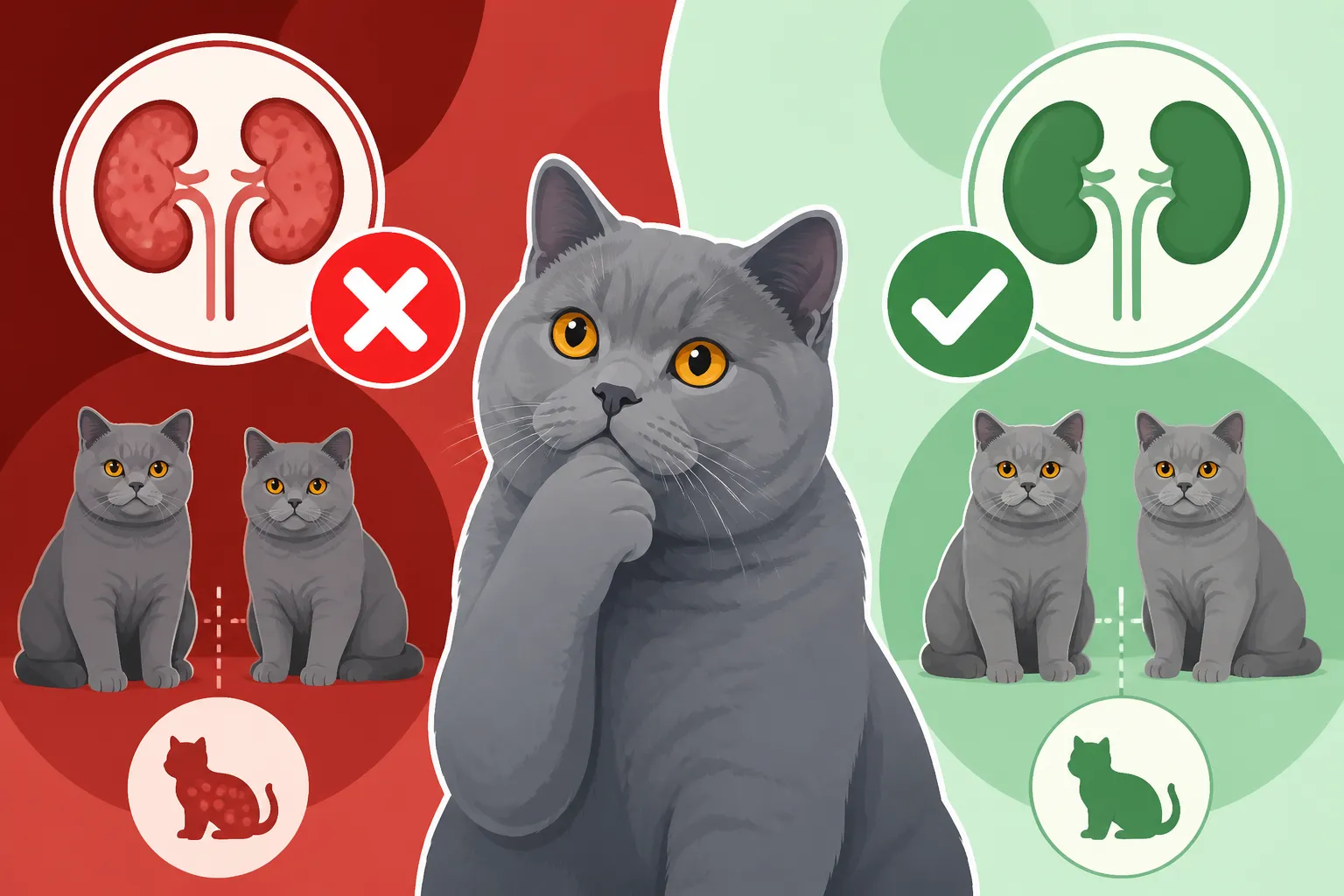
PKD is an autosomal dominant genetic condition. What does that mean for your British Shorthair? It means that a cat only needs to inherit one copy of the faulty gene from either parent to develop the disease. If a cat has even one copy, it will not only develop PKD itself but also has a 50% chance of passing that gene on to each of its kittens. There's no such thing as a "carrier" that doesn't develop the disease; if they have the gene, they will get PKD. This genetic inheritance pattern is what makes screening so critical and breeding a PKD-positive cat so problematic for the breed's future.
The Ethical Dilemma of Breeding a PKD-Positive British Shorthair
When you're deeply involved in the world of British Shorthairs, whether as a passionate owner or a dedicated breeder, the idea of preserving the breed's health is paramount. Discovering a cat is PKD-positive can throw a wrench into breeding plans, creating a significant ethical quandary that needs careful consideration.
Why Breeding a PKD-Positive Cat is a Risky Choice
The simple, unvarnished truth is that breeding a British Shorthair that tests positive for PKD is an unacceptable risk to the future health of the breed and a disservice to the potential kittens and their future owners. Because PKD is an autosomal dominant trait, any kitten produced by a PKD-positive parent has a 50% chance of inheriting the disease. That's a coin toss with devastating consequences. You are knowingly creating offspring that could suffer from chronic, progressive kidney failure, requiring extensive veterinary care and potentially leading to a shortened, painful life.
Think about the families who will welcome these kittens into their homes. They're looking forward to years of companionship with a healthy British Shorthair, unaware that their beloved pet might be on a path to kidney disease. The emotional toll of watching a pet slowly succumb to a preventable genetic illness is immense, not to mention the financial burden of managing a chronic condition. While pet insurance providers like Healthy Paws can help offset costs for unexpected illnesses, it doesn't change the suffering of the animal or the heartbreak of the owner. Responsible breeding means striving to produce the healthiest kittens possible, free from known genetic defects. Breeding a PKD-positive cat goes against this fundamental principle.
The Genetic Impact on Future Generations
The decision to breed a PKD-positive cat doesn't just impact a single litter; it reverberates through generations. Each PKD-positive kitten produced has the potential to pass the gene on further, continuing the cycle of suffering. This perpetuates the disease within the British Shorthair gene pool, making it harder to eradicate. Dedicated breeders work tirelessly to screen their breeding cats and select mates that will enhance the breed's health and desirable traits, not compromise them.
Allowing PKD to persist in breeding lines undermines the collective effort to improve the British Shorthair breed's overall health and longevity. It's about more than just one cat; it's about the entire legacy of these wonderful animals. By making the difficult but responsible choice not to breed a PKD-positive cat, you are actively contributing to a healthier future for British Shorthairs everywhere. You're helping ensure that future generations of these cats will be free from the burden of this debilitating disease, allowing families to enjoy their pets without the shadow of impending kidney failure hanging over them.
The Crucial Role of Genetic Testing and Responsible Breeding
In light of the serious implications of PKD, genetic testing isn't just a suggestion; it's an absolute necessity for anyone involved in breeding British Shorthairs. It's the most powerful tool we have to protect the breed and ensure a healthy future.
The Importance of the PKD1 DNA Test
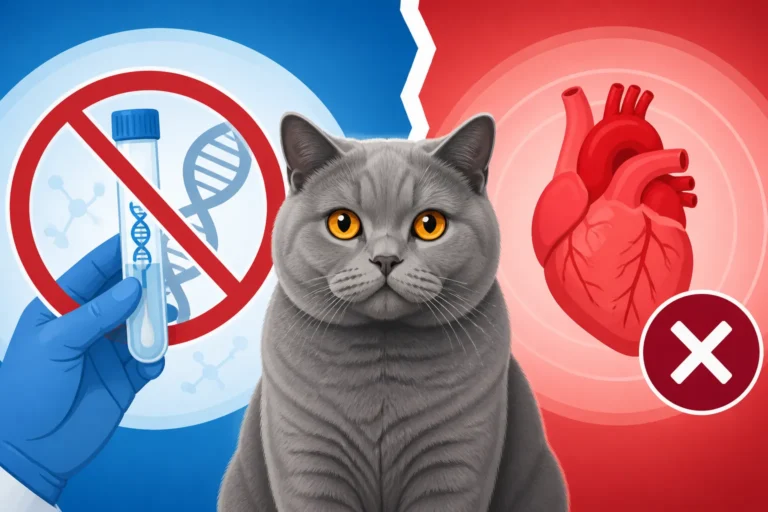
Thankfully, for British Shorthairs, a highly accurate and reliable DNA test exists for PKD, specifically the PKD1 gene mutation, which is responsible for the vast majority of PKD cases in the breed. This test, often referred to as the Whether the PKD1 DNA Test Covers British Shorthairs, can definitively determine if a cat carries the PKD gene or is clear of it. It's a simple, non-invasive test, usually performed on a cheek swab, and it can be done at any age, even on young kittens. The results are typically unambiguous: either the cat is "N/N" (clear, meaning no copies of the gene), "N/PKD1" (heterozygous, meaning one copy of the gene, and therefore affected with PKD), or rarely, "PKD1/PKD1" (homozygous, meaning two copies, and also affected with PKD, often more severely).
Knowing a cat's PKD status is absolutely foundational for responsible breeding. A breeder should never proceed with breeding plans without these results in hand. If a cat tests positive, meaning they carry the PKD1 gene, they should be immediately removed from any breeding program. There are no two ways about it. The relatively low What the British Shorthair PKD Test Costs is a small investment compared to the potential heartbreak and financial strain of dealing with a litter of PKD-affected kittens. This proactive screening prevents the unwitting propagation of the disease, ensuring that only healthy genetics are passed down.
Making Informed Decisions for the Breed's Future
Responsible breeding isn't just about pairing two beautiful cats; it's a profound commitment to the health, temperament, and welfare of the entire breed. This means making tough decisions based on scientific evidence, even if it means foregoing a specific breeding line or retiring a beloved cat from breeding. For British Shorthair breeders, this means ensuring that both parents in a planned litter are genetically clear of PKD. If even one parent is PKD-positive, the risk is too high.
The impact of such diligence is enormous. By rigorously screening for PKD, breeders can gradually reduce and eventually eliminate the disease from their lines and contribute to a healthier overall British Shorthair population. This requires transparency and cooperation within the breeding community. Reputable breeders will openly share the PKD test results of their breeding cats, often providing certificates from veterinary genetic testing laboratories. This level of transparency protects both the kittens and the breed as a whole. As an owner, it's vital to ask whether the breeder has tested for PKD (What a British Shorthair Breeder Should Have Tested), among other conditions, and to see the documentation.
| Breeding Pair Combination | Offspring PKD Risk | Breeding Recommendation |
|---|---|---|
| Clear (N/N) x Clear (N/N) | 0% Affected | Recommended |
| Clear (N/N) x Affected (N/PKD1) | 50% Affected | Not Recommended |
| Affected (N/PKD1) x Affected (N/PKD1) | 75% Affected (25% homozygous) | Strongly Advised Against |
As you can see from the table, the only truly responsible choice is to breed two PKD-clear cats. Any other combination risks creating offspring burdened with a painful, life-limiting condition.
Managing a PKD-Positive British Shorthair's Health
While the focus for breeders is preventing the spread of PKD, if you find yourself with a British Shorthair that is PKD-positive, your focus shifts entirely to ensuring they have the best possible quality of life. A PKD diagnosis doesn't mean immediate despair; it means vigilance and dedicated care.
Living with a PKD Diagnosis
Receiving a PKD diagnosis for your beloved British Shorthair can be incredibly upsetting. It’s natural to feel worried and overwhelmed. While there's no cure for PKD, the progression of the disease varies greatly between individuals. Some cats might develop kidney issues early in life, while others live many years before symptoms become noticeable. The key is early detection and proactive management. Regular veterinary check-ups, especially as your cat ages, become even more crucial. Your vet might recommend monitoring kidney values through blood and urine tests, even before your cat shows outward signs. You can read more about The Age PKD Shows in a British Shorthair.
It’s important to remember that a PKD-positive cat can still live a full and happy life for many years, provided their condition is managed appropriately. This isn't about rushing to conclusions; it's about being prepared and giving them the best chance possible. Watching for signs a British Shorthair's kidneys are failing is an important part of living with a PKD diagnosis. Being observant of changes in thirst, urination, appetite, and energy levels can help you and your vet intervene early when symptoms start to appear.
Supporting Your Cat's Kidney Health
Managing a PKD-positive British Shorthair primarily involves supporting kidney function and slowing the progression of the disease. This often starts with dietary changes. Many veterinarians will recommend a prescription renal diet, which is specifically formulated to reduce the workload on the kidneys. These diets typically have restricted protein, phosphorus, and sodium levels, while being supplemented with omega-3 fatty acids and antioxidants. While your cat might initially resist a new food, persistence and a slow transition are key.
Hydration is also paramount. Ensuring your cat has constant access to fresh water is vital. Some cats benefit from multiple water bowls placed around the house, or even a flowing water fountain, which can encourage them to drink more. Your vet might also discuss fluid therapy, either orally or subcutaneously, especially as the disease progresses, to help keep your cat hydrated and flush out toxins. Regular check-ups with your veterinarian are essential for monitoring kidney function and adjusting the management plan as needed. While pet insurance plans like those from Healthy Paws can be invaluable for covering the ongoing costs of veterinary care, diet and hydration are daily, proactive steps you can take at home to significantly improve your British Shorthair's comfort and extend their healthy years. You can find detailed information on How a British Shorthair With Kidney Disease Is Managed.
Disclaimer
The information provided in this article is for general educational purposes only and is not a substitute for professional veterinary advice. Always consult with a qualified veterinarian for any health concerns or before making any decisions related to your pet's health and treatment.