Whether a British Shorthair Needs a Kidney Ultrasound
It's incredibly worrying when you start to suspect something might be amiss with your beloved British Shorthair's health, especially when it comes to vital organs like the kidneys. Many owners wonder if a kidney ultrasound is a necessary diagnostic step or an excessive one. This comprehensive guide aims to demystify kidney health concerns in British Shorthairs and clarify when an ultrasound can provide crucial insights for their well-being.
Understanding British Shorthair Kidney Health Challenges
The majestic British Shorthair, with its placid temperament and dense coat, is a truly captivating companion. However, like any purebred cat, they come with certain predispositions to health conditions, and kidney issues are definitely on that list of concerns. It's a heavy topic, but knowing what to look out for and what diagnostic tools are available can make all the difference in managing their health effectively.
Polycystic Kidney Disease PKD and the British Shorthair Link
One of the most significant kidney health challenges for British Shorthairs is Polycystic Kidney Disease, or PKD. This inherited condition is characterized by the growth of multiple cysts within the kidneys. These aren't just tiny, harmless bubbles; over time, these fluid-filled cysts enlarge and multiply, progressively replacing normal kidney tissue and impairing kidney function. It's a slow, insidious process that can ultimately lead to kidney failure. The link to British Shorthairs is largely historical, stemming from outcrosses to Persian cats during the post-war period to rebuild the breed's numbers and enhance certain features. Unfortunately, this also inadvertently introduced the gene responsible for PKD into the British Shorthair gene pool. To learn more about this connection, you might find Polycystic Kidney Disease Came Into the British Shorthair With the Persians to be an illuminating read.
What makes PKD particularly frustrating for owners is its silent nature in the early stages. Kittens are born with microscopic cysts, which slowly grow larger over years, often without any outward signs. By the time symptoms like increased thirst, weight loss, or lethargy become noticeable, significant kidney damage has usually already occurred. This delay in symptoms makes proactive screening incredibly important, especially if your British Shorthair's lineage isn't fully known or tested. It’s truly a condition where prevention and early detection are key to providing your cat with the best possible quality of life for as long as possible.
The impact of PKD can vary greatly from cat to cat. Some British Shorthairs might develop only a few small cysts and live long, healthy lives with minimal kidney impairment. Others, however, can develop numerous large cysts that cause severe dysfunction and lead to kidney failure at a relatively young age, sometimes as early as three to seven years old, though it can appear later. This variability adds to the stress for owners, as you can't always predict the severity even if you know your cat carries the gene.
Other Kidney Concerns Beyond PKD
While PKD often takes center stage when discussing British Shorthair kidney health, it’s far from the only kidney issue these magnificent cats can face. Just like humans, cats can develop a range of other kidney problems, often collectively grouped under the umbrella of Chronic Kidney Disease (CKD). CKD can arise from various causes, including age-related degeneration, infections, blockages, or even certain inflammatory conditions. It’s a progressive and irreversible disease where the kidneys gradually lose their ability to filter waste products from the blood, leading to a buildup of toxins in the body.
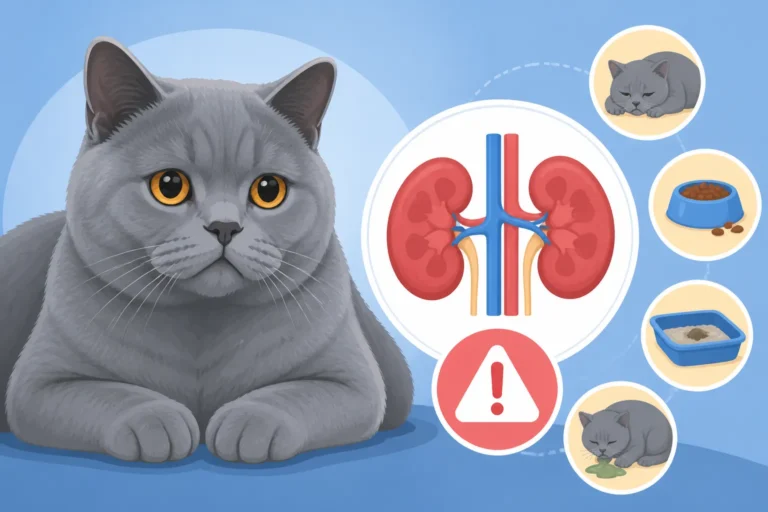
The frustrating reality for many cat owners is that cats are masters at hiding illness. A British Shorthair, with its calm demeanor, might show very subtle signs, or no signs at all, until their kidney disease is quite advanced. This can be heartbreaking, as you feel like you've missed something, but it's often just their instinctual drive to conceal vulnerability. Early indicators might include a slight increase in thirst or urination, or a subtle change in appetite. These are easy to overlook or attribute to other things, which is why regular veterinary check-ups are so crucial. If you're seeing any changes, even subtle ones, don't hesitate to investigate. To understand more about the signs that might be missed, Signs a British Shorthair's Kidneys Are Failing offers valuable insights.
Beyond CKD, British Shorthairs, especially males, can also be susceptible to urinary problems like bladder stones or urinary tract infections. While these primarily affect the bladder and urethra, persistent issues or blockages can certainly put a strain on the kidneys over time, potentially leading to damage. A complete urinary obstruction, which is more common in male cats, is a life-threatening emergency that requires immediate veterinary intervention to prevent acute kidney injury. It's a truly terrifying experience for both cat and owner, and one that underscores the interconnectedness of the urinary system. You can explore more about these issues in Urinary Problems in a British Shorthair.
The Role of the Kidney Ultrasound in Diagnosis and Monitoring
Given the complexities and silent nature of kidney disease, diagnostic tools become incredibly important. While blood and urine tests give us a biochemical picture, sometimes you need to see what's actually going on inside. That's where a kidney ultrasound truly shines, offering a non-invasive way to visualize the kidneys themselves.
What a Kidney Ultrasound Reveals
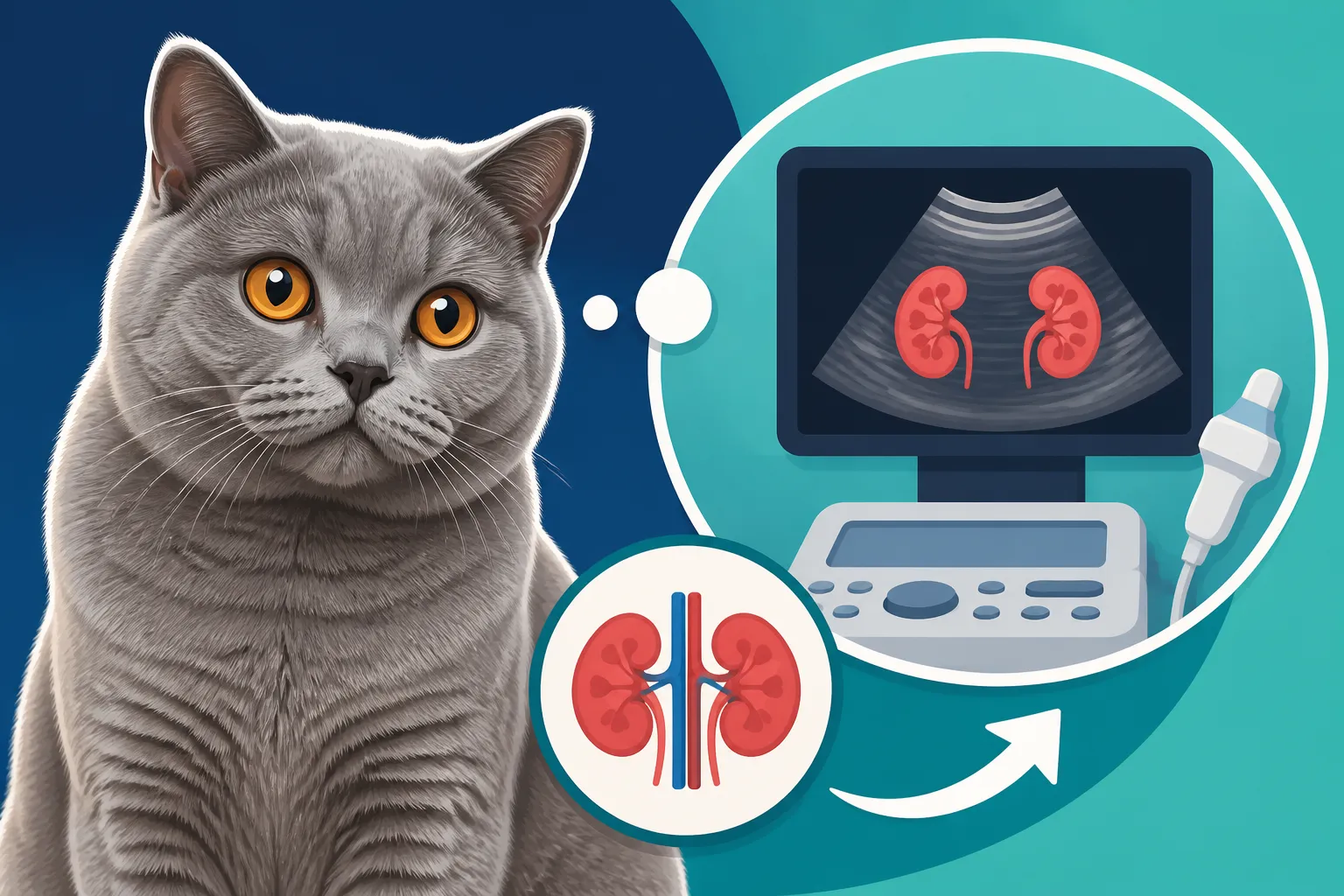
A kidney ultrasound is a powerful diagnostic tool that uses high-frequency sound waves to create real-time images of your British Shorthair's internal organs, specifically the kidneys. Unlike X-rays, which show bone and general organ outlines, ultrasound provides a detailed view of soft tissues. During the procedure, your vet or a veterinary specialist will gently move a small probe, called a transducer, over your cat's abdomen. The sound waves bounce off the organs, and the transducer captures the echoes, which are then translated into a moving image on a monitor. It’s completely non-invasive and generally well-tolerated by cats, though some may require mild sedation for optimal positioning and to minimize stress.
What your veterinarian is looking for during an ultrasound is incredibly detailed. They're assessing the size, shape, and overall architecture of both kidneys. For a British Shorthair, this is particularly vital in detecting PKD. The ultrasound can clearly show the presence and size of cysts within the kidney tissue, even very small ones that might not yet be impacting kidney function but confirm a diagnosis of PKD. Beyond cysts, an ultrasound can also reveal other abnormalities like kidney stones (nephroliths), signs of inflammation, tumors, or changes in the kidney's internal structure that suggest chronic disease. Understanding how these cysts can damage the kidneys is key, and How PKD Cysts Damage a British Shorthair's Kidney provides a deeper look into this process.
It’s crucial to understand that an ultrasound provides a structural assessment, showing what the kidneys look like. This complements blood tests, which provide a functional assessment, indicating how well the kidneys are working. Often, blood tests only show abnormalities once a significant portion of kidney function has already been lost. An ultrasound, however, can detect structural changes, like early cysts, long before blood values change, making it an invaluable tool for early diagnosis and proactive management. It offers a visual confirmation that other tests simply cannot provide.
When an Ultrasound is Recommended
So, when does your British Shorthair actually need a kidney ultrasound? There are several situations where this diagnostic tool becomes highly recommended, moving beyond just a "good idea" to a "necessary step." If your British Shorthair has a known history or lineage positive for PKD, especially if they haven't been DNA tested (or if the DNA test isn't definitive), an ultrasound is the gold standard for diagnosis. It can confirm the presence of cysts and help stage the disease, even if your cat isn't showing any symptoms yet. Many reputable British Shorthair breeders will have their breeding cats screened via ultrasound to ensure they are not passing on the gene, in addition to DNA testing.
Another common scenario for an ultrasound recommendation is when routine bloodwork shows abnormal kidney values (like elevated BUN, creatinine, or SDMA), but the cause isn't immediately obvious. In these cases, the ultrasound can help pinpoint whether the functional decline is due to PKD, kidney stones, an infection, or other structural issues. It helps the vet develop a targeted treatment plan rather than just managing symptoms. Additionally, if your British Shorthair is showing non-specific signs of illness, such as unexplained weight loss, decreased appetite, increased thirst, or changes in urination patterns, and other diagnostics haven't provided an answer, an ultrasound might be the next logical step to rule out underlying kidney disease. These subtle signs are often the first clues when kidney issues like PKD start to manifest, particularly as The Age PKD Shows in a British Shorthair can vary.
Finally, for older British Shorthairs, an ultrasound might be recommended as part of a comprehensive senior health screening, even without specific symptoms. Cats over the age of ten are more prone to developing chronic kidney disease, and an ultrasound can help detect early changes before they become critical. Proactive screening for senior cats is a compassionate approach to ensure their comfort and longevity. If you're caring for an aging British Shorthair, you'll find much helpful advice in Caring for a British Shorthair Past Ten. Catching issues early, especially when it comes to organs like the kidneys, can significantly extend a cat's healthy lifespan and improve their quality of life with appropriate management.
Alternatives and Complementary Diagnostics
While a kidney ultrasound is a fantastic tool, it's rarely used in isolation. Instead, it forms part of a larger diagnostic puzzle, working in conjunction with other tests to provide a complete picture of your British Shorthair's kidney health. Understanding these other tests helps you appreciate the ultrasound's specific contribution.
DNA Testing for PKD
For British Shorthair owners, especially those interested in breeding or those wanting peace of mind about their cat's genetic predisposition, DNA testing for PKD is incredibly important. Specifically, the PKD1 DNA test identifies the genetic mutation responsible for Polycystic Kidney Disease. This test is highly accurate and can definitively tell you if your cat carries the gene for PKD, even before any cysts develop or are visible on an ultrasound. For breeders, this is invaluable information that helps them make responsible breeding decisions, preventing the transmission of this debilitating disease to future generations. Whether a British Shorthair Should Be PKD Tested is a discussion that often arises in breeding circles.
The beauty of the DNA test is that it's a simple, non-invasive cheek swab. You can often do it at home with a kit from a reputable veterinary genetics lab, or your vet can collect the sample. If your British Shorthair tests negative for the PKD1 gene, you can rest assured that they will not develop PKD due to this specific genetic mutation, nor will they pass it on. This is a huge relief for many owners. However, it's vital to remember that a negative PKD1 DNA test only rules out that specific genetic form of PKD. It doesn't mean your cat is immune to all kidney problems. Other forms of kidney disease, not caused by the PKD1 gene, can still occur. This is why the comprehensive approach is so crucial, and Whether the PKD1 DNA Test Covers British Shorthairs helps clarify its scope.
For British Shorthairs with unknown parentage or rescue cats, a PKD1 DNA test can still be a good starting point. If they test positive, then an ultrasound would be the next step to see if cysts have developed and to gauge their severity. If they test negative but still show signs of kidney trouble, then other causes need to be investigated. So, while the DNA test is a fantastic tool for genetic screening, it's rarely the only test needed for overall kidney health assessment.
Blood and Urine Tests
When it comes to assessing kidney function, blood and urine tests are your frontline diagnostics. These routine tests provide crucial biochemical information that tells your vet how well your British Shorthair's kidneys are performing their job of filtering waste and maintaining fluid balance. Key blood parameters include Blood Urea Nitrogen (BUN) and Creatinine, which are waste products that build up in the blood when the kidneys aren't filtering efficiently. However, these values often don't become elevated until approximately 75% of kidney function has been lost, meaning they indicate significant disease progression.
A more sensitive indicator for early kidney disease is the Symmetric Dimethylarginine (SDMA) test. SDMA can detect kidney disease much earlier, often when only 25-40% of kidney function is lost, giving you and your vet a better head start on intervention and management. This is why asking your vet to include SDMA in your British Shorthair's routine bloodwork, especially as they get older, is highly recommended. For a thorough understanding of all the tests your vet should be running, refer to What a British Shorthair's Yearly Bloodwork Should Cover.
Urine tests, particularly a urinalysis and measurement of urine specific gravity (USG), also offer vital clues. Urine specific gravity indicates how concentrated your cat's urine is. Kidneys that are failing lose their ability to concentrate urine, leading to very dilute urine, even if the cat is dehydrated. A urinalysis can reveal other issues like protein in the urine (proteinuria), presence of blood, bacteria (indicating infection), or crystals that could lead to stones. Combining blood and urine results gives your vet a picture of kidney function, while an ultrasound adds the critical visual component of kidney structure. These tests truly complement each other to give the most comprehensive assessment possible.
Here's a quick comparison of these diagnostic tools:
| Test Type | What it Assesses | Main Benefit | Limitations | When It's Used |
|---|---|---|---|---|
| DNA Test | Genetic presence of PKD1 | Definitive genetic diagnosis/clearance | Only for PKD1 gene; not for other kidney issues | Breeding screening, early detection in at-risk cats |
| Ultrasound | Kidney structure (size, cysts, stones) | Visualizes internal damage, confirms PKD presence | Doesn't show function directly, operator dependent | Suspected PKD, abnormal bloodwork, senior screening |
| Blood Test | Kidney function (BUN, Creatinine, SDMA) | Detects functional impairment, SDMA for early detection | BUN/Creatinine only elevate in advanced disease | Routine check-ups, monitoring disease progression |
| Urine Test | Kidney concentrating ability, infection, crystals | Detects early functional changes (USG), other urinary issues | Doesn't visualize kidney structure directly | Routine check-ups, investigating urinary symptoms |
Cost, Insurance, and Proactive Care
Making health decisions for your British Shorthair often comes with financial considerations. It's a reality that we all face as pet owners, but being informed about potential costs and how to manage them can alleviate some of the stress.
The Financial Aspect of Kidney Ultrasounds
The cost of a kidney ultrasound for your British Shorthair can vary quite a bit depending on where you live, the veterinary clinic's pricing, and whether a general practitioner or a board-certified veterinary internal medicine specialist performs the scan. Generally, you might expect to pay anywhere from $200 to $600 for a kidney ultrasound. This fee typically covers the procedure itself, the interpretation by the vet, and sometimes a follow-up discussion. If sedation is required for your cat to remain still and comfortable during the scan, that will be an additional cost. It’s always best to call your local veterinary clinics and get specific quotes. To get a more detailed breakdown, What a British Shorthair Kidney Ultrasound Costs is a helpful resource.
When considering the expense, many British Shorthair owners wisely turn to pet insurance. Providers like Healthy Paws can be a lifesaver when unexpected diagnostic tests, like a kidney ultrasound, are needed. Pet insurance often covers a significant portion of diagnostic imaging, especially if the need for the ultrasound arises from new symptoms or an accident, and it's not considered a pre-existing condition. It's crucial to thoroughly read your policy details and understand what's covered, the deductible, and the reimbursement percentage. Investing in pet insurance early in your British Shorthair's life, before any conditions manifest, can provide immense peace of mind down the road when facing potential health challenges.
While the upfront cost of an ultrasound might seem significant, consider it an investment in your cat's long-term health. Early diagnosis of a condition like PKD or chronic kidney disease allows for earlier intervention, which can slow the progression of the disease and improve your British Shorthair's quality of life. Without an ultrasound, you might only discover kidney issues at a much more advanced and critical stage, leading to more expensive emergency treatments and a poorer prognosis.
Beyond the Scan: Living with Kidney Concerns
An ultrasound, whether it confirms PKD or identifies another kidney issue, is never the end of the journey; it's often just the beginning of a proactive management plan. If your British Shorthair is diagnosed with kidney disease, the next steps typically involve careful management aimed at slowing the progression and maintaining their quality of life. This often includes dietary changes. Vets frequently recommend prescription renal diets, which are specifically formulated to be lower in protein, phosphorus, and sodium, all of which can put a strain on compromised kidneys. These diets are designed to reduce the workload on the kidneys and minimize the buildup of toxins.
Beyond diet, your vet might prescribe medications to manage specific symptoms, such as phosphorus binders to reduce phosphorus levels, blood pressure medications if hypertension is present, or anti-nausea drugs to improve appetite. Hydration is also paramount, so encouraging your British Shorthair to drink more water through water fountains, wet food, or even subcutaneous fluids in advanced cases, becomes a key part of their daily care. Regular monitoring through follow-up blood and urine tests will be essential to track the disease progression and adjust treatments as needed. To explore this topic further, How a British Shorthair With Kidney Disease Is Managed offers in-depth advice.
Living with a British Shorthair who has kidney concerns means becoming a vigilant observer of their habits. You'll learn to pay close attention to their appetite, water intake, urination, and overall energy levels. Consistent communication with your veterinarian and adherence to their recommendations are critical. While a diagnosis of kidney disease can be disheartening, remember that many cats live for years with proper management, especially if the condition is caught early. Proactive care, from initial screening to ongoing support, ensures your British Shorthair enjoys the happiest, most comfortable life possible. This is particularly true for older cats, and more information can be found in Caring for an Old British Shorthair.
Disclaimer
This article is for general informational purposes only and does not constitute professional advice. Laws, prices and regulations vary by location and change over time. Consult a qualified professional for guidance on your specific situation.