What a Lilac British Shorthair Costs
If you've ever found yourself scrolling through endless pictures of British Shorthairs online, you've probably paused on the utterly enchanting lilac cats. Their soft, dove-grey coats with a delicate pinkish undertone are simply breathtaking, and it's easy to fall head over heels for their unique beauty. But then, a practical question inevitably arises: "What does a British Shorthair in this exquisite lilac color actually cost?" This guide is here to unravel the financial considerations, from the initial purchase price to the long-term investment in their well-being, helping you understand what to expect when bringing one of these stunning felines into your home.
The Allure of the Lilac British Shorthair and Its Price Impact
There's something undeniably captivating about a lilac British Shorthair. Their pastel hue stands out from the more commonly seen blues, making them highly sought after by enthusiasts and prospective owners alike. But what is it about this particular shade that influences its price, and how does it compare to other British Shorthair colors?
What Makes Lilac So Special?
The lilac color in British Shorthairs isn't just a pretty shade; it's a testament to specific genetics that create its distinctive appearance. Imagine a cat with a solid chocolate base coat. Now, imagine a gene that acts like a dimmer switch, diluting that rich chocolate down to a pale, warm grey with a subtle pinkish cast. That's essentially what lilac is – a dilute chocolate. This complex genetic combination means that both parents must carry the dilute gene and at least one must carry the chocolate gene for lilac kittens to be born.
This genetic specificity makes lilac a less common color than, say, the classic blue British Shorthair, which only requires the dilute gene on a black base. Because it requires a more particular genetic pairing, it's often perceived as more "designer" or unique, which can certainly play a role in how breeders price their kittens. It's not just about aesthetics; it's about the effort and understanding of genetics that goes into producing such a specific and beautiful color consistently.
Is a Lilac British Shorthair a Rare Color?
While lilac isn't as ubiquitous as blue, it's perhaps more accurate to describe it as "less common" rather than truly "rare." The blue British Shorthair, often affectionately called the "British Blue," is the iconic image most people conjure up when they think of the breed. Breeders have worked with blue for generations, and there's a larger pool of blue-bred cats. Lilac, along with colors like chocolate and cinnamon, entered the breed later, often through careful outcrossing and selective breeding.
This distinction matters because "rare" often implies an astronomical price tag due to extreme scarcity. While a lilac British Shorthair might command a higher price than a blue one from the same litter, it's usually not in a completely different league. The perception of rarity, however, can still influence demand and, consequently, the price. Many prospective owners are specifically looking for a lilac, and this focused demand means breeders know there's a strong market for these kittens. They are a beautiful variation, much admired for their softer, warmer tone compared to the cooler, more intense blue.
Breeder Practices and How They Affect Lilac British Shorthair Pricing
When you're looking at the price of any British Shorthair kitten, especially one in a desirable color like lilac, a significant portion of that cost goes back to the ethical and responsible practices of a reputable breeder. It's not just about the color; it's about the foundation of health and temperament you're investing in.
The Cost of a Reputable Breeder
Let's be realistic: a truly responsible British Shorthair breeder isn't just pairing two cats and hoping for the best. They are running a small, dedicated operation with significant overhead. These costs are woven into the price of every kitten, regardless of its color. Here’s a breakdown of what that entails:
- Health Testing: This is paramount. Reputable breeders invest heavily in screening their breeding cats for genetic and hereditary conditions common in the breed. This includes echocardiograms to screen for Hypertrophic Cardiomyopathy (HCM), a prevalent heart condition in British Shorthairs. They’ll routinely have their cats scanned, sometimes yearly, because The Yearly Echo That Replaces a British Shorthair Gene Test is the best defense against this silent killer. They also test for Polycystic Kidney Disease (PKD), even though Whether a British Shorthair Should Be PKD Tested often relies on DNA these days, ensuring their lines are clear. Blood typing is another crucial test, particularly for queens, to prevent neonatal isoerythrolysis in kittens. What the British Shorthair PKD and Hemophilia Tests Cost gives you a glimpse into these foundational expenses.
- Quality Care for Parents: Breeding queens and studs need top-notch nutrition, regular veterinary check-ups, appropriate vaccinations, and a comfortable, stimulating environment. Think high-quality food, supplements, and routine preventative care.
- Raising Healthy Kittens: Once kittens arrive, the work intensifies. They need constant supervision, veterinary care, initial vaccinations, deworming, microchipping, and socialization. Good breeders spend countless hours interacting with their kittens, ensuring they are well-adjusted, friendly, and ready for family life. They also ensure kittens are weaned onto excellent quality food, getting them off to the best start possible.
- Registration and Showing: Many breeders participate in cat shows and register their cats with reputable associations like TICA or CFA. This involves membership fees, entry fees, and travel, all of which contribute to upholding breed standards and ensuring the integrity of their lines.
- Genetic Diversity and Lineage: Responsible breeders meticulously track pedigrees to avoid inbreeding and maintain genetic diversity within their breeding program. This might mean importing new lines, which comes with its own set of expenses.
When you see a higher price tag for a lilac British Shorthair from a reputable cattery, you're not just paying for the color. You're paying for years of dedication, extensive health testing, impeccable care, and the assurance that you're bringing home a kitten with the best possible start in life. Breeders are typically very transparent about these costs and Which Health Results a British Shorthair Breeder Must Show will be readily available for you to review.
Why Lilac Might Be Priced Differently by Breeders
While the core costs of responsible breeding remain consistent across all colors, there are a few reasons why a lilac British Shorthair might be positioned at a slightly different price point compared to a blue or black smoke kitten from the same cattery.
Firstly, as discussed, the genetic combination required to produce a lilac is more specific. If a breeder has fewer lilac-producing lines or if their lilac queen only has one or two lilac kittens in a litter, the scarcity within that specific breeding program can influence the price. It's simple supply and demand on a micro-level within the cattery itself.
Secondly, some breeders might perceive certain colors, like lilac, as more "desirable" or "trendy" at a given time. While personal preference varies wildly, a color that is frequently requested or commands a lot of attention in show rings might naturally be valued slightly higher. This isn't about arbitrary pricing but about responding to market interest while still ensuring the health and quality of the kitten.
It's important to note that a significant price difference between a lilac and other colors within the same breeder's program should still be justifiable. If a breeder is charging an exorbitant premium solely for the color without providing the same level of health testing and care as their other kittens, that's a red flag. The quality of the cat, its health, and its temperament should always be the primary drivers of cost, with color being a secondary, albeit influential, factor.
Beyond the Purchase Price: Lifetime Costs for a Lilac British Shorthair
The initial purchase price of your lilac British Shorthair is just the beginning of your financial journey. Owning a cat, especially a purebred, is a long-term commitment that comes with ongoing expenses. Understanding these from the outset will help you budget effectively for The Twelve to Seventeen Years a British Shorthair Gets by your side.
Initial Setup Costs
Once you bring your beautiful lilac British Shorthair kitten home, there's a whole new set of "starter" costs that every new cat owner faces. These expenses are universal, regardless of your cat's stunning coat color, but they are essential for settling them in comfortably and safely.
- Food and Bowls: High-quality kitten food is crucial for healthy development. You'll need sturdy food and water bowls, ideally stainless steel or ceramic, to prevent bacterial buildup. Many owners find value in buying food in bulk from retailers like Chewy, which can offer convenience and sometimes better pricing.
- Litter and Litter Box: Given the British Shorthair's robust build, you'll want a generously sized litter box. A wide, easily accessible box is a must. You'll also need a good quality litter that effectively controls odor and is comfortable for their paws. Which Litter Box Size a British Shorthair Needs is often larger than you'd expect.
- Bedding: While your British Shorthair might decide your sofa or bed is their preferred spot, a cozy, designated bed provides comfort and security.
- Carrier: A sturdy, secure carrier is non-negotiable for vet visits, emergencies, or any travel. Choose one that's well-ventilated and spacious enough for your growing kitten.
- Initial Vet Visit: Even if your kitten came with health records, a visit to your vet for a general check-up, establishment of care, and discussion of vaccine schedules is vital. This is also when microchipping usually occurs if it hasn't already.
- Grooming Tools: While British Shorthairs are relatively low-maintenance, their dense coats do require regular combing. You'll need a good quality steel comb – Which Comb a British Shorthair Needs is usually a fine-toothed metal comb – and nail clippers.
- Toys and Scratching Posts: To encourage natural behaviors and provide mental enrichment, invest in a variety of toys and sturdy scratching posts. British Shorthairs aren't typically avid climbers, but a good quality Which Cat Tree a British Shorthair Uses can still provide vertical territory and scratching surfaces.
All these initial purchases can add up, creating a significant chunk of change in the first few weeks. It's a foundational investment in your new companion's happiness and health. For a full picture, you might want to consider What the First Year With a British Shorthair Costs.
Ongoing Health and Wellness Expenses
The beauty of your lilac British Shorthair is more than skin deep; it requires consistent care to maintain. Ongoing health and wellness are arguably the largest long-term financial commitment.
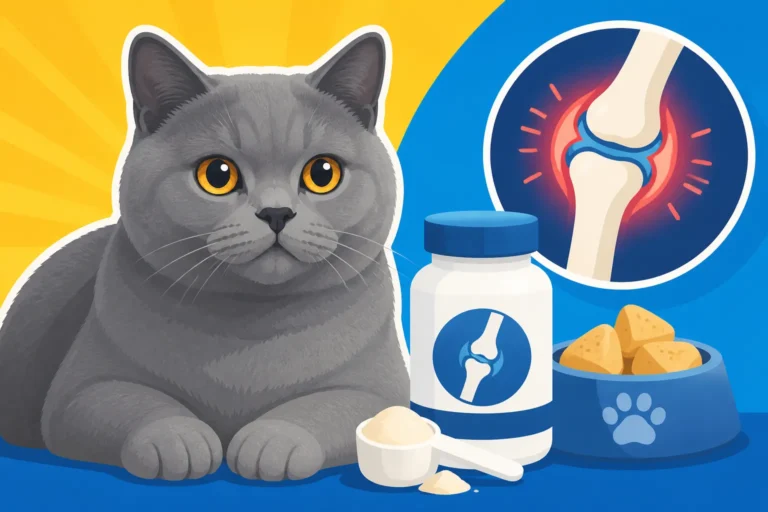
- Routine Veterinary Care: Annual check-ups, booster vaccinations, and parasite prevention (flea, tick, heartworm) are essential. As your British Shorthair ages, these visits might become more frequent, particularly after they are considered senior at around ten years old, to monitor for common age-related conditions like arthritis or hyperthyroidism.
- Food: High-quality cat food remains a lifelong expense. British Shorthairs have a propensity for weight gain, so choosing appropriate, portion-controlled food is critical. Remember, Portion Control Is the Whole Job With a British Shorthair, and a quality diet helps prevent future health issues.
- Litter: This is a recurring household expense. The amount and type of litter you use will dictate this cost.
- Health Insurance: This is one area where many experienced British Shorthair owners highly recommend investing. While your lilac beauty may start out healthy, breed-specific issues like HCM can appear later in life. Investing in pet insurance from providers like Healthy Paws can help mitigate the often-staggering costs of unexpected illnesses, emergency veterinary care, or chronic conditions that might arise. This way, you're prepared for the worst without having to compromise on care due to financial strain.
- Preventative Care for Common Issues: British Shorthairs, with their solid build, can be prone to Why a British Shorthair Gains Weight So Easily. Obesity can lead to a host of other problems, including diabetes and arthritis. Preventative measures like a carefully managed diet and encouraging play are much less costly than treating full-blown conditions.
These ongoing expenses are a constant reminder that pet ownership is a serious commitment. They are the costs of keeping your beautiful British Shorthair thriving, ensuring they live out their full lifespan with you.
Grooming and Enrichment Needs
Maintaining your British Shorthair's gorgeous coat and keeping them mentally stimulated are also part of the ownership cost, albeit often less significant than health or food.
- Grooming Supplies: Beyond the initial comb, you might need specific de-shedding tools during seasonal coat blows, ear cleaner, or even special shampoos if your vet recommends them for skin issues. While British Shorthairs are generally good self-groomers, they might need a little help, especially as they get older or if they become Why an Overweight British Shorthair Stops Grooming Its Back.
- Nail Trimming: Regular nail trims are necessary to prevent ingrown claws and maintain paw health. This is a recurring need that you can do at home with clippers, or your vet or groomer can perform for a small fee during routine visits.
- Dental Care: Dental health is often overlooked but incredibly important. Regular tooth brushing at home (if your cat tolerates it) can significantly reduce the need for professional dental cleanings under anesthesia, which can be quite costly.
- Toys and Enrichment: Even though British Shorthairs aren't the most energetic breed, they still benefit from mental and physical stimulation. Regularly rotating toys, offering puzzle feeders, and engaging in short play sessions can prevent boredom and promote activity, which is crucial for managing their weight. While toys may seem like a minor expense, continuous enrichment keeps them happy and engaged.
These needs are consistent across all British Shorthairs, regardless of color. The cost is primarily about routine maintenance and providing a good quality of life.
Avoiding Pitfalls: Red Flags in Lilac British Shorthair Pricing
When you're searching for your dream lilac British Shorthair, it's easy to get caught up in the excitement. However, it's crucial to approach the process with a critical eye, especially when it comes to pricing. There are clear red flags that can indicate a breeder is not reputable, and choosing such a kitten, regardless of how appealing the initial price, can lead to heartbreak and significant financial strain down the road.
Prices That Are Too Low
This is perhaps the biggest warning sign of all. If you see a lilac British Shorthair kitten advertised for a price that seems significantly lower than what reputable breeders in your area are charging (for example, if you see a British Shorthair advertised for What a British Shorthair Sold Under a Thousand Signals), proceed with extreme caution. Remember all the costs a good breeder incurs for health testing, quality care, and proper socialization? Breeders who sell kittens for suspiciously low prices often cut corners on these essential expenses.
What might seem like a bargain initially can quickly turn into a financial nightmare. Kittens from such backgrounds are far more likely to come with:
- Undiagnosed Health Issues: Without proper health screening of the parents, kittens can carry genetic predispositions to serious conditions like HCM or PKD, which may not manifest until later in life. Treating these conditions can cost thousands, far exceeding any savings on the initial purchase price.
- Poor Socialization: Kittens raised in inadequate conditions may lack proper socialization, leading to behavioral problems like fear, aggression, or litter box issues that require extensive, costly intervention from a veterinary behaviorist.
- Lack of Vaccinations/Deworming: You might inherit a kitten that hasn't received its full course of vaccinations or appropriate deworming, leaving them vulnerable to preventable diseases and adding immediate vet bills to your plate.
- Questionable Pedigree: Often, these "bargain" kittens come with no verifiable pedigree or are even misidentified mixes, meaning you're not getting a true British Shorthair at all, let alone a lilac one.
It's a tough pill to swallow, but sometimes the most expensive kitten is the one you get cheaply. Your emotional and financial investment in a healthy, well-adjusted cat is worth paying a fair price to a reputable breeder.
Breeders Without Proper Documentation
A responsible breeder will have nothing to hide and will be proud to share comprehensive documentation for their cats and kittens. If a breeder is evasive or unable to provide certain documents, it's a huge red flag that you should walk away.
Look out for breeders who:
- Cannot Show Health Certificates: They should be able to provide clear documentation of health screenings for both parent cats, including recent echocardiogram results for HCM, and DNA test results for conditions like PKD and Hemophilia B. Ask to see these. What a British Shorthair Breeder Should Have Tested is a good checklist to have.
- Lack Registration Papers: A purebred British Shorthair should come with registration papers from a recognized cat association (like TICA, CFA, or GCCF). If they claim the cat is purebred but can't provide these, it's highly suspect. Sometimes, pet kittens are sold with a "limited registration" to prevent breeding, but the papers should still exist.
- Are Vague About Parentage: You should always be able to meet the queen (mother cat) and, ideally, see photos or information about the stud (father cat). If a breeder is unwilling to show you the mother or is vague about the lineage, it’s a sign that they might not be reputable.
- Don't Have a Contract: A good breeder will always provide a detailed contract outlining health guarantees, return policies, spay/neuter agreements, and what happens if the kitten can't stay with you. A lack of a contract means you have no legal recourse if problems arise.
Always ask questions, demand to see documentation, and trust your gut. A breeder who cares about their cats and the breed's future will be happy to educate you and provide all the necessary proof of their ethical practices. This thoroughness is reflected in the price, but it's an investment in peace of mind.
Lilac British Shorthair Cost Factors
Here's a quick overview of factors that typically influence the price of a lilac British Shorthair, both initially and long-term:
| Cost Factor | Influence on Initial Purchase Price | Influence on Lifetime Cost |
|---|---|---|
| Color (Lilac) | Often commands a slight premium due to perceived rarity and specific genetic requirements. | No direct impact, but initial higher price means a larger upfront investment. |
| Breeder Reputation/Ethics | Significantly increases price due to extensive health testing, quality care, socialization. | Reduces lifetime vet costs by minimizing risks of hereditary diseases and behavioral issues; better foundation for health. |
| Pedigree/Show Quality | Higher for cats from champion lines or those with show potential. | No direct impact on pet ownership costs, but reflects investment in breed standards. |
| Geographic Location | Prices vary by region due to local demand, cost of living, and number of breeders. | Vet costs, food, and supplies can also vary significantly by location. |
| Age of Cat | Kittens are typically most expensive; adult cats from breeders or rescues may be less. | Older cats might have pre-existing conditions or require more specialized care, potentially increasing vet bills sooner. |
| Health Insurance | An additional upfront cost (monthly premium). | Significantly mitigates high-cost vet bills for accidents, illnesses, and chronic conditions over the cat's life. |
| Quality of Food | Initial purchase cost; ongoing expense. | Prevents obesity and related diseases, improves coat health, potentially reduces vet visits for diet-related issues. |
| Regular Vet Check-ups | Included in initial kitten price (first vet visit). | Essential for preventative care, early detection of disease, vaccinations; ongoing expense. |
| Grooming/Enrichment | Initial purchase of combs, toys, litter box, carrier. | Ongoing costs for replacement toys, litter, occasional professional grooming, dental care. |
| Emergency Fund | A recommended amount to set aside at the beginning. | Crucial for unexpected illnesses or injuries not covered by insurance, or for deductibles. |
Ultimately, the cost of a beautiful lilac British Shorthair is an investment in companionship, joy, and the unique charm these cats bring to a home. While the initial purchase price might seem substantial, especially for a less common color, remember that it's a reflection of the dedicated care and responsible breeding practices that ensure you're bringing home a healthy, well-adjusted companion. The ongoing costs are a commitment to their lifelong well-being, ensuring your stunning lilac friend thrives for many years to come. By understanding all these factors, you can make an informed decision and prepare adequately for the wonderful journey of owning a British Shorthair.
Disclaimer
This article is for general informational purposes only and does not constitute professional advice. Laws, prices and regulations vary by location and change over time. Consult a qualified professional for guidance on your specific situation.