Why a British Shorthair From a Registered Cattery Costs More
Bringing a British Shorthair into your life is a joyful experience, but many potential owners are caught off guard by the price tag from a registered cattery. It's easy to wonder why these charming, round-faced companions command such a premium compared to other sources. This guide is here to shed light on exactly why a British Shorthair from a registered cattery costs more, detailing the extensive efforts and investments that go into ensuring you bring home a healthy, well-adjusted feline friend.
The Foundation: What a Registered Cattery Actually Means
When you see the phrase "registered cattery," it's much more than just a fancy title. It signifies a commitment to ethical breeding practices, adherence to breed standards, and accountability within the wider cat fancy community. This isn't some informal hobby; it's a dedicated pursuit that requires significant knowledge, time, and financial investment.
What "Registered" Entails: Beyond Just Papers
A registered cattery means the breeder is typically affiliated with major cat registries like The Cat Fanciers' Association (CFA) or The International Cat Association (TICA), or in the UK, the Governing Council of the Cat Fancy (GCCF). These organizations set stringent rules and standards that breeders must follow. It means that the lineage of your kitten can be traced back generations, ensuring purity of breed and helping to track genetic health issues.
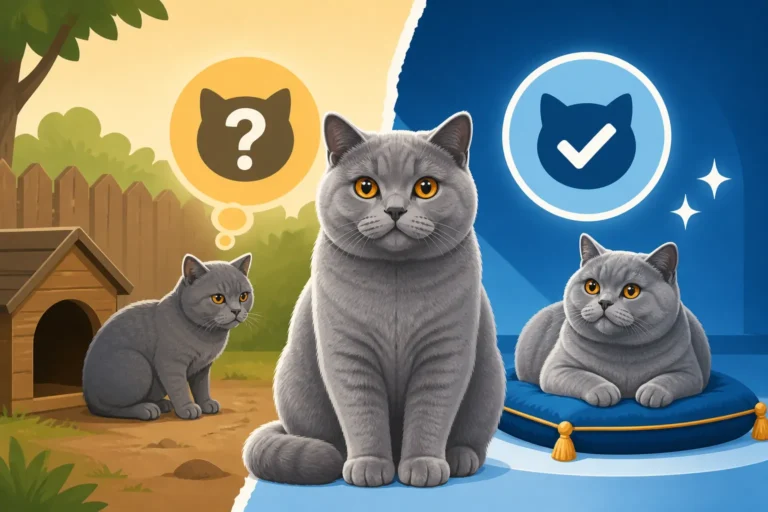
This registration isn't just about pedigree papers; it's about a standard of ethics. Reputable breeders are often required to maintain clean facilities, provide proper veterinary care for their breeding cats, and follow guidelines for litter size and frequency. They are accountable to these organizations and, by extension, to you. This is a stark contrast to backyard breeders who might offer "purebred" kittens without any registration, health testing, or ethical oversight, often leaving buyers with unforeseen problems. The accountability alone adds immense value, offering you peace of mind that you're not supporting unethical practices.
Commitment to the Breed Standard: Crafting That Iconic Look
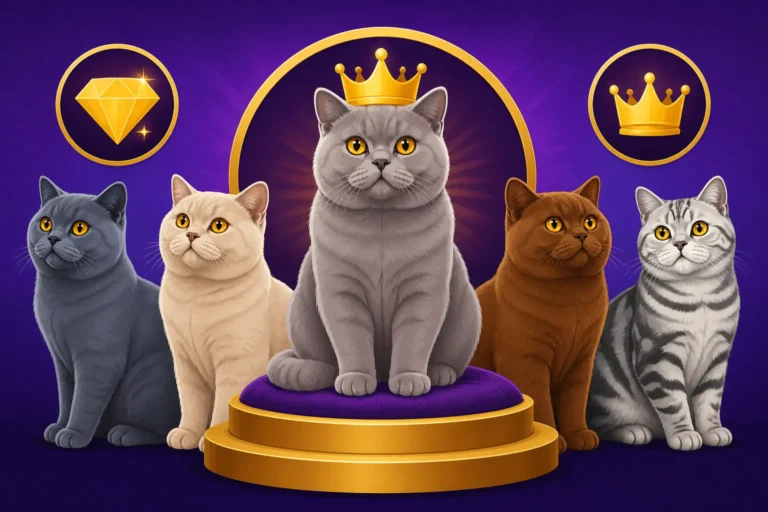
One of the primary reasons a registered cattery commands a higher price is their unwavering commitment to the British Shorthair breed standard. This means they are actively striving to produce cats that embody the iconic "teddy bear" look – that dense, plush coat, the broad, round head, those full cheeks (especially on males), and the characteristic copper or gold eyes. Achieving this consistent quality isn't accidental. It requires a deep understanding of genetics, selective breeding choices, and often, importing lines from around the world to maintain genetic diversity and enhance desired traits.
Breeders invest heavily in acquiring breeding stock from other reputable catteries, sometimes paying a premium for cats with champion lines that consistently produce high-quality offspring. They study pedigrees, attend shows, and continually assess their cats against the breed standard. This meticulous process ensures that the kitten you take home isn't just a British Shorthair, but a prime example of the breed, both in appearance and temperament. The dedication to this specific aesthetic and the genetic knowledge required means you're not just buying a cat; you're investing in a living piece of art that truly represents The Round Head and Copper Eye a British Shorthair Is Judged On.
Health Screenings: The Unseen Investment in Your Kitten's Future
Perhaps the most significant factor contributing to the higher cost from a registered cattery is the extensive health screening program. Ethical breeders prioritize the long-term health and well-being of their cats above all else, and this involves a series of often expensive and ongoing veterinary tests. This proactive approach saves future owners a tremendous amount of heartache and potentially astronomical vet bills down the line.
Mandatory and Recommended Tests for British Shorthairs
Reputable British Shorthair breeders routinely screen their breeding cats for a range of genetic and hereditary conditions common to the breed. The most critical of these include:
- Hypertrophic Cardiomyopathy (HCM): This is a heart condition that can lead to heart failure. Unlike some breeds where a simple DNA test can detect it, British Shorthairs require regular echocardiograms (heart ultrasounds) performed by a board-certified veterinary cardiologist. These screenings are not a one-time event; breeding cats need annual or biennial echoes throughout their breeding lives. Each echo is a specialized procedure, and the cost quickly adds up, but it's vital for minimizing the risk of passing on this devastating disease. This is why The Yearly Echo That Replaces a British Shorthair Gene Test is so important.
- Polycystic Kidney Disease (PKD): While a DNA test for PKD1 is available and widely used in British Shorthairs (thanks to its Persian heritage), many breeders also utilize kidney ultrasounds, especially for older lines or if there's any uncertainty. The DNA test provides a definitive answer, allowing breeders to ensure they are not breeding affected cats or carriers with other carriers. This testing prevents the slow, agonizing kidney failure that PKD can cause. Polycystic Kidney Disease Came Into the British Shorthair With the Persians is a critical read on this topic.
- Blood Typing: British Shorthairs have a high incidence of Blood Type B. If a Type B queen is bred to a Type A tom, their Type A kittens can suffer from Neonatal Isoerythrolysis, a fatal condition where the mother's antibodies destroy the kittens' red blood cells. Reputable breeders blood type all their breeding cats to prevent such tragic pairings. This simple test, while not overly expensive individually, is part of the comprehensive health panel that ensures kitten survival. Blood Type B and the British Shorthair Kittens It Kills highlights the importance of this.
- Other General Health Checks: Beyond these specific breed-related tests, breeding cats receive regular veterinary check-ups, vaccinations, parasite control, and high-quality nutrition to ensure they are in peak health. What a British Shorthair Breeder Should Have Tested provides a more exhaustive list.
The Cost of Veterinary Care: An Ongoing Investment
Each of these tests carries a cost. A single cardiac echo by a specialist can be substantial, and considering breeding cats need this annually for several years, the expense compounds. DNA tests, blood typing, and regular vet visits for multiple cats accumulate into a significant yearly outlay for the breeder. These aren't hidden fees; they are direct investments into the health of the parents and, by extension, your future kitten.
A backyard breeder or a pet store selling British Shorthairs without these health clearances skips these costs entirely. They might offer a lower price upfront, but you, the new owner, are then left vulnerable to unexpected and potentially massive veterinary bills for conditions that could have been screened for and prevented. Imagine the heartbreak and financial strain of discovering your beloved kitten has a severe heart condition at a young age because the parents were never scanned. The initial savings quickly evaporate when faced with a What a British Shorthair's Yearly Echo Costs or What the British Shorthair PKD and Hemophilia Tests Cost bill for your own pet, let alone treatment.
Preventing Future Heartbreak: The True Value
Ultimately, the cost of health screening from a registered cattery is an investment in your peace of mind and your kitten's longevity. It's about preventing suffering and ensuring that your new family member has the best possible start in life. While nothing can guarantee a pet will never face health challenges, these screenings drastically reduce the risk of inheriting known genetic conditions, allowing you to enjoy many years with a healthy companion. This commitment to preventative care is a cornerstone of ethical breeding and a key reason for the higher price point.
Responsible Breeding Practices: More Than Just Mating Two Cats
The process of breeding isn't merely about bringing a male and female cat together. For a registered cattery, it's a carefully managed, labor-intensive, and thoughtful endeavor that extends far beyond the moment of conception, focusing on the well-being of both the parent cats and the resulting kittens.
Quality of Life for Breeding Cats: Family Members, Not Commodities
Ethical breeders treat their breeding cats as cherished family members, not just assets for reproduction. This means providing them with an exceptional quality of life, which directly impacts the cost of operating a registered cattery. These cats receive:
- Premium Nutrition: Breeding queens and studs, and especially pregnant and lactating mothers, require specialized, high-quality diets to maintain their health and ensure optimal development of their kittens. This isn't just basic kibble; it's a carefully selected diet that contributes to robust health.
- Comfortable and Stimulating Environment: Breeding cats live in clean, spacious, and enriched environments. They have access to safe outdoor enclosures (catios), plenty of toys, scratching posts, and comfortable bedding. This helps reduce stress and promotes their overall happiness and well-being.
- Regular Veterinary Care: Beyond the specialized health screenings, breeding cats receive routine veterinary check-ups, dental care, and prompt treatment for any illnesses or injuries. Their comfort and health are paramount.
- Limited Breeding Cycles: Responsible breeders do not overbreed their queens. They allow ample time between litters for the queen to recover physically and mentally, typically breeding only once a year or even less frequently. This ensures the queen remains healthy and produces strong, robust kittens. They also retire their breeding cats at a reasonable age, finding them loving forever homes where they can enjoy their golden years.
These practices ensure that the parent cats are healthy, happy, and well-adjusted, which in turn influences the temperament and health of their offspring.
Raising Healthy Kittens: The Critical Early Weeks
The first few weeks of a kitten's life are incredibly formative, and a registered cattery invests immense time and effort into ensuring these early experiences are positive and enriching:
- Dedicated Care from Birth: From the moment of birth, kittens receive constant supervision and care. Breeders monitor their weight gain, ensure they are nursing properly, and intervene if any kitten needs supplemental feeding or veterinary attention. This can mean sleepless nights and round-the-clock dedication, especially for larger litters or those with special needs.
- Early Socialization: Kittens are handled daily, exposed to various sounds, sights, and textures, and gradually introduced to other household pets and people. This crucial early socialization ensures they grow into confident, friendly, and well-adjusted adults. A poorly socialized kitten can develop behavioral issues later in life, making this hands-on effort priceless.
- Veterinary Care and Vaccinations: Before going to their new homes, kittens from registered catteries typically receive multiple veterinary check-ups, their first set of vaccinations, and regular deworming. This preventative care safeguards them from common kitten illnesses and sets them up for a healthy future. Each vet visit and vaccine series adds to the breeder's overhead.
- High-Quality Weaning Food: As kittens begin to wean, they are introduced to high-quality kitten food, often the same brands that the parent cats consume. This provides them with the essential nutrients needed for rapid growth and development.
This comprehensive early care is time-consuming and expensive, but it's essential for producing healthy, well-socialized kittens ready to thrive in their new homes.
Limited Litters and Early Spay/Neuter: Protecting the Breed and Your Pet
Responsible breeders often limit the number of litters they produce in a year, prioritizing quality over quantity. This means fewer kittens are available, which naturally drives up the price. They are not mass-producing animals; they are carefully planning each litter with specific goals for health, temperament, and adherence to the breed standard.
Furthermore, many registered catteries will spay or neuter kittens before they go to their new homes. This practice, known as early spay/neuter, prevents backyard breeding, ensures the kittens are truly pets, and offers health benefits such as reducing the risk of certain cancers later in life. While this adds another veterinary cost for the breeder, it means you receive a kitten that is already medically prepared, saving you that significant expense and procedure down the road. It also prevents the common issue of Why a Neutered British Shorthair Gains Faster by getting the procedure done before they start developing those growth habits.
Lifelong Support and Guarantees: The Value Beyond the Purchase Price
When you purchase a British Shorthair from a registered cattery, you're not just buying a kitten; you're gaining a lifetime of support and a safety net that simply isn't available from other sources. This ongoing relationship and the assurances provided are a significant part of the value and, therefore, the higher price.
Breeder Support: A Trusted Resource for Years to Come
One of the most invaluable benefits of buying from a reputable, registered cattery is the breeder's ongoing support. A good breeder is a mentor and a resource for the entire lifespan of your cat, not just until you leave with your kitten. They are there to answer questions about:
- Behavioral quirks: What a British Shorthair's Temperament Is Really Like can sometimes surprise first-time owners. A breeder can explain typical British Shorthair behaviors and offer advice on how to handle things like reluctance to be picked up or encouraging play.
- Nutrition: From kittenhood to old age, your breeder can offer guidance on the best food choices, dietary changes as your cat ages, and how to manage weight.
- Health Concerns: While they are not veterinarians, experienced breeders often have a wealth of knowledge about common British Shorthair health issues and can guide you on when to seek vet care or what questions to ask your vet.
- Grooming: With that dense coat, a breeder can advise on Which Comb a British Shorthair Needs and how often to use it.
This continuous access to an expert who knows your cat's lineage and breed specifics is truly priceless. They have a vested interest in the well-being of every cat they produce and are often happy to stay in touch for updates and to provide assistance.
Health Guarantees: Peace of Mind for Serious Issues
Reputable registered catteries almost always provide a health guarantee, often covering genetic conditions for a specified period (e.g., one to five years). This guarantee reflects their confidence in their health screening protocols and their commitment to ethical breeding. If a serious, life-altering genetic condition is diagnosed within the guarantee period, the breeder typically offers a replacement kitten or a partial refund, often requiring proof from a qualified veterinarian.
This guarantee offers a crucial layer of protection for you, the buyer. While it doesn't cover every sniffle or scratch, it provides a safety net against the most devastating and expensive hereditary diseases, reinforcing the value of their rigorous health testing. It's a clear signal that the breeder stands behind the health of their kittens.
The British Shorthair Community: A Network of Experts
Good breeders are part of a larger, established community of British Shorthair enthusiasts, veterinarians specializing in feline health, and other experienced breeders. This network means they are constantly learning, staying updated on best practices, and have resources to draw upon. This expertise indirectly benefits you, as it ensures your kitten is coming from a breeder who is well-informed and connected.
Pet Insurance: Mitigating Future Costs
While a registered cattery does everything possible to provide a healthy kitten, unforeseen circumstances can always arise. This is why many breeders will discuss the importance of pet insurance with new owners. Providers like Healthy Paws offer various plans that can help cover unexpected veterinary expenses, from accidents to illnesses, making veterinary care more accessible throughout your cat's life. Considering What an Aging British Shorthair's Bills Look Like, having insurance can be a huge relief. The upfront cost for a well-bred kitten often means fewer surprises down the line, but insurance is still a wise safeguard.
A Comparative Look: Registered Cattery vs. Other Sources
To really drive home the value, let's look at a quick comparison between what you're getting from a registered cattery versus other sources that might offer a "cheaper" British Shorthair.
| Feature / Source | Registered Cattery (Higher Cost) | Backyard Breeder / Pet Store (Lower Cost) |
|---|---|---|
| Parent Health Tests | Extensive (HCM echoes, PKD DNA, Blood Typing, etc.) | Often none or minimal |
| Pedigree/Registration | Full, verifiable lineage with reputable registries | None, or unverifiable claims |
| Breeding Cat Care | High-quality nutrition, limited litters, excellent living conditions | Often poor conditions, overbreeding, inadequate care |
| Kitten Care | Early socialization, multiple vet checks, vaccinations, deworming | Minimal socialization, questionable vet care, basic or no vaccinations |
| Health Guarantee | Typically offered for genetic conditions | Rarely, if ever |
| Breeder Support | Lifelong access to advice and guidance | None after purchase |
| Spay/Neuter | Often included before placement | Not included, buyer responsible for cost and scheduling |
| Long-Term Costs | Potentially lower due to preventative health measures | Potentially much higher due to inherited health issues and behavioral problems |
| Peace of Mind | High | Low |
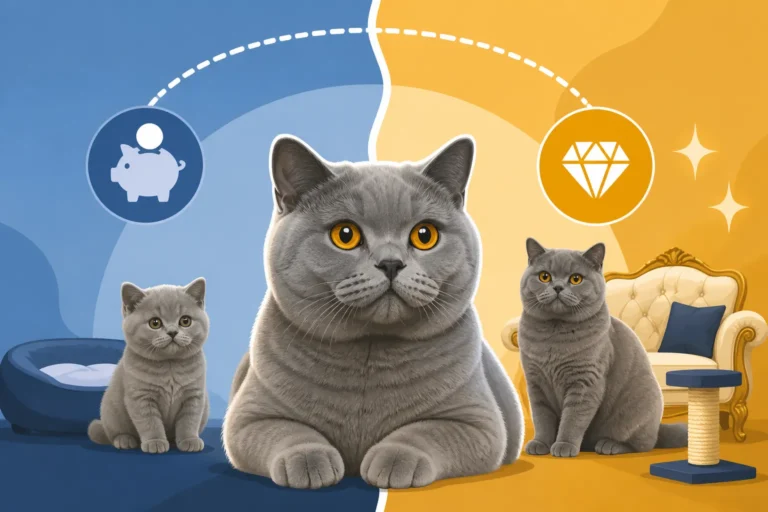
This table clearly illustrates that the initial sticker shock from a registered cattery is an investment in quality, health, and a responsible, supportive relationship. It's about paying for the comprehensive care and ethical practices that prevent costly and heartbreaking issues in the future. In the world of British Shorthairs, you truly get what you pay for. What a British Shorthair Costs to Buy in 2026 dives deeper into the specific numbers you might encounter.
Ultimately, the higher price tag for a British Shorthair from a registered cattery reflects a commitment to the breed's integrity, health, and welfare. It's an investment in a future companion that has been carefully bred, thoroughly health-screened, and lovingly raised, giving you the best chance for a long, happy, and healthy life together.
Disclaimer
This article is for general informational purposes only and does not constitute professional advice. Laws, prices and regulations vary by location and change over time. Consult a qualified professional for guidance on your specific situation.