What a British Shorthair Sold Under a Thousand Signals
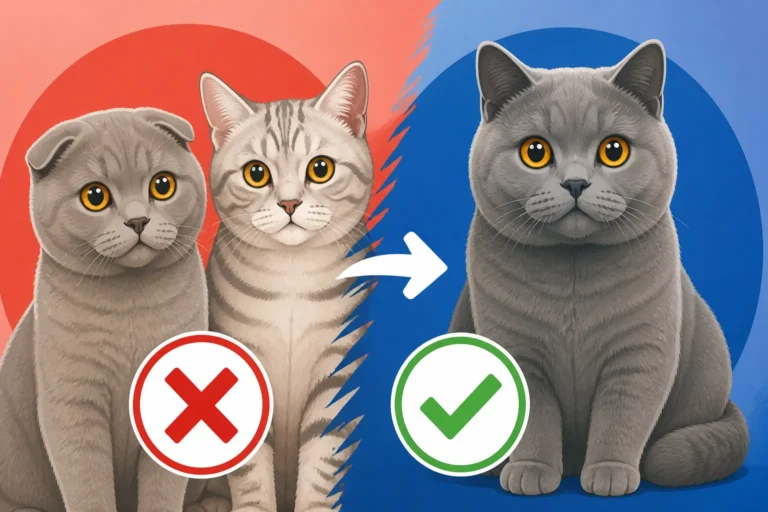
It's a common scenario: you've fallen head over heels for the adorable, plush-coated British Shorthair, but then you spot an ad—a kitten offered for a price that seems almost too good to be true, perhaps under a thousand. Your heart races, imagining that sweet face in your home, but a little voice whispers, "Is this legitimate?" This guide is here to help you understand the significant red flags and potential heartaches that a British Shorthair sold at such a low price can signal, and why sometimes, a bargain isn't a bargain at all.
The Allure of a Low Price and the Underlying Risks
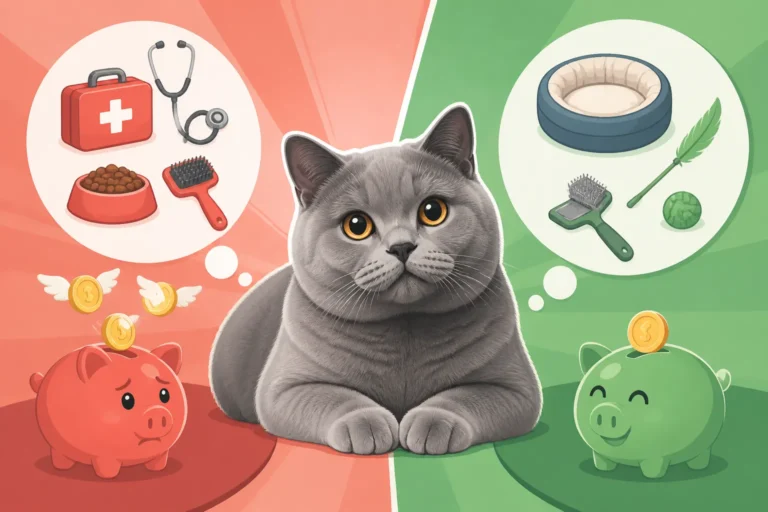
It’s completely understandable to be drawn to a lower price point when considering bringing a new furry family member home. British Shorthairs from reputable breeders can represent a significant initial investment, and it’s natural to want to save money where you can. However, when you see a British Shorthair advertised for significantly less than the going rate – especially under a thousand – it's crucial to pause and consider what might be hidden beneath that appealing price tag. This isn't about being judgmental; it's about protecting yourself and, more importantly, the welfare of a vulnerable animal. Often, these low prices are a stark warning sign of compromised health, poor genetics, and unethical breeding practices.
Why Quality Comes at a Cost
Reputable British Shorthair breeders aren't just selling kittens; they're selling the culmination of years of dedication, significant financial outlay, and a deep understanding of the breed's health and temperament. The costs associated with responsible breeding are substantial, and they directly reflect in the price of a healthy, well-adjusted kitten. These aren't luxuries; they're fundamental components of bringing healthy kittens into the world. If a breeder isn't recouping these basic costs, it means they're likely cutting corners.
Consider the meticulous care that goes into an ethical breeding program. There are costs for top-quality breeding cats, which themselves undergo extensive health screening. Then there are stud fees, specialized nutrition for pregnant queens, regular veterinary check-ups throughout pregnancy and for the kittens after birth, vaccinations, deworming, and microchipping. Not to mention the enormous time commitment required for proper socialization, handling, and daily care. All these factors contribute to the price point of a kitten from a responsible breeder, and they are investments that pay off in the long run with a healthier, happier cat.
The Problem with "Backyard Breeders" and Kitten Mills
A price under a thousand often points directly to what are commonly referred to as "backyard breeders" or, even worse, "kitten mills." These operations prioritize profit over the welfare of their animals. They typically skip essential health screenings, house their cats in unsanitary conditions, and often breed them too frequently. The parents might be closely related, leading to genetic problems, and the kittens often lack proper veterinary care and early socialization.
The consequences of such practices are dire. Kittens from these sources are frequently ill, poorly socialized, and prone to severe behavioral issues later in life. While the initial cash outlay might be less, the long-term emotional and financial costs can be astronomical. You could end up spending thousands on vet bills for preventable illnesses or behavioral training, turning that initial "bargain" into a profound regret. It's a sad reality that many people, lured by a low price, end up facing these heart-wrenching situations.
Essential Health Screening a Responsible Breeder Will Never Skip
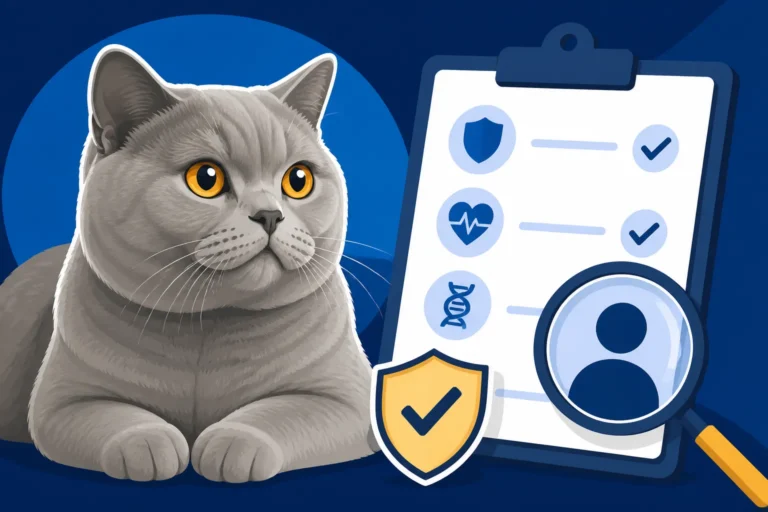
When you consider a British Shorthair, especially one advertised at a lower price, the first thing that should flash in your mind is, "What health tests have been done?" A responsible breeder invests heavily in ensuring the health of their breeding cats, passing those benefits onto the kittens. This isn't just a nicety; it's a non-negotiable part of ethical breeding. Skipping these screenings is a primary way unscrupulous sellers keep their prices low, and it's a huge gamble for any buyer.
Screening for Heart Disease: Hypertrophic Cardiomyopathy (HCM)
Hypertrophic Cardiomyopathy (HCM) is a heartbreaking genetic heart disease that is prevalent in many cat breeds, including the British Shorthair. Sadly, unlike some other breeds, there is currently no DNA test for HCM in a British Shorthair. This means that the only reliable way to screen for this condition is through regular echocardiograms (heart ultrasounds) performed by a board-certified veterinary cardiologist.
A responsible breeder will have their breeding cats scanned annually to ensure their hearts are healthy before breeding. These yearly echoes are not cheap, but they are absolutely vital to identifying affected cats and removing them from a breeding program, thereby reducing the risk of passing on this devastating disease. A kitten from parents who haven't had these regular, clear echoes is a huge red flag. You're essentially buying a lottery ticket with your kitten's heart health, and the potential outcome could be an early diagnosis of heart failure, which is costly and emotionally devastating. Understanding what HCM does to a British Shorthair's heart makes it clear why this screening is paramount.
Testing for Kidney Disease: Polycystic Kidney Disease (PKD)
Another significant health concern in British Shorthairs is Polycystic Kidney Disease (PKD), an inherited condition where cysts form in the kidneys, eventually leading to kidney failure. Thankfully, there is a reliable DNA test for PKD in British Shorthairs, specifically for the PKD1 gene mutation. This means that responsible breeders can, and absolutely should, DNA test their breeding cats to ensure they are clear of this gene.
If a British Shorthair is sold without proof of parental PKD DNA testing, it means you could be bringing home a kitten destined for a life of chronic kidney disease. Managing kidney failure is an ongoing, expensive, and emotionally draining process. It involves special diets, medications, regular vet visits, and potentially subcutaneous fluids at home. The low initial cost of the kitten will quickly be dwarfed by the expenses and heartache of managing this progressive disease. Knowing Polycystic Kidney Disease Came Into the British Shorthair With the Persians underscores the breed's history with this condition and the importance of current testing.
Blood Typing and the Risks of Neonatal Isoerythrolysis
While it might sound overly scientific, blood typing is a crucial screening that ethical British Shorthair breeders perform. It's all about preventing a tragic condition called Neonatal Isoerythrolysis (NI), which can occur in kittens. British Shorthairs have three main blood types: A, B, and AB. The vast majority are Type A, but a significant portion of the breed carries or expresses Type B.
The problem arises when a Type B queen (female cat) is bred to a Type A or Type AB tom (male cat). If the kittens inherit Type A or AB blood from their father, the Type B mother's colostrum (first milk) contains antibodies that attack and destroy the kittens' red blood cells. This leads to severe anemia, jaundice, and often death within the first few days of life, which is why Blood Type B and the British Shorthair Kittens It Kills is a real concern. A responsible breeder will blood type their breeding cats to ensure incompatible pairings don't happen, or they'll know how to intervene to save kittens by hand-rearing them for the critical first 24-48 hours. A breeder selling cheap kittens is highly unlikely to have bothered with this fundamental, life-saving test.
Unseen Costs: The Long-Term Financial Burden
That initial low price for a British Shorthair might seem appealing, but it often masks a much larger financial commitment waiting in the wings. When a kitten comes from a background where health screenings and proper care were neglected, you're almost guaranteed to face significant expenses down the line. These aren't just minor vet visits; these can be chronic, lifelong conditions that demand constant attention and drain your savings.
Vet Bills for Untreated or Undiagnosed Conditions
Imagine bringing home a kitten for a seemingly good price, only to find out a few months later they have a severe heart murmur that escalates into full-blown HCM. Or perhaps they develop early signs of kidney failure from undiagnosed PKD. These aren't hypothetical nightmares; they are common realities for owners of cheaply-sourced British Shorthairs. The cost of diagnostics alone—echoes, blood tests, X-rays—can quickly surpass the initial purchase price of the kitten. Then comes the cost of ongoing treatment: specialized medications, prescription diets, regular check-ups, and potentially emergency care.
For conditions like HCM, treatments often involve multiple medications daily to manage symptoms and slow progression. Kidney disease requires specific renal diets and potentially expensive supplements and regular fluid therapy. These expenses don't just happen once; they become a recurring part of your monthly budget. Pet insurance can be a lifesaver, but many plans have waiting periods, and pre-existing conditions (which many of these cheaply-bred kittens inevitably have) are typically not covered. This is where researching options like Healthy Paws for pet insurance before you need it, and understanding their policies on pre-existing conditions, becomes incredibly important.
Behavioral Challenges and Training Costs
Beyond physical health, cheaply-bred kittens often suffer from a severe lack of proper socialization during their crucial early weeks. Ethical breeders spend countless hours handling kittens, exposing them to various sights, sounds, and experiences, and ensuring they learn appropriate feline manners from their mother and littermates. A kitten mill or backyard breeder, however, is unlikely to invest this time.
The result can be a kitten that is fearful, shy, aggressive, or prone to destructive behaviors. These issues can manifest as excessive scratching, inappropriate urination, biting, or extreme anxiety. While love and patience go a long way, some behavioral problems require professional intervention from a cat behaviorist, which can be quite costly. Training sessions, specialized pheromone diffusers, enrichment toys, and even prescription anti-anxiety medications can all add up. What you saved on the kitten's initial price, you might end up spending (and then some) trying to fix its emotional and behavioral well-being. This is why understanding how a British Shorthair behaves at the vet or why a British Shorthair hates being picked up can often stem from poor early experiences, though a true British Shorthair is generally quite calm.
The True Cost of a British Shorthair Over Its Lifetime
When you look at the big picture, the purchase price of a British Shorthair is just a small fraction of the total cost of ownership over its lifespan. While a healthy British Shorthair can live twelve to seventeen years, one with serious genetic or chronic health issues might have a significantly shortened life, filled with medical interventions.
Consider the cumulative cost of food, litter, routine vet visits, vaccinations, and unexpected emergencies. Then add in potential expenses for ongoing health conditions, specialized diets (perhaps from retailers like Chewy, which offers a wide range of prescription foods), and medications. The article What a British Shorthair Costs Over Its Lifetime details just how substantial these figures can become, and a cheaply bought cat with health issues will push those numbers dramatically higher. It becomes clear that investing in a healthy, well-bred kitten upfront is often the more financially responsible, and certainly the more humane, choice in the long run.
Spotting the Warning Signs of an Unscrupulous Seller
You're talking to a seller, and the price is incredibly tempting. How do you differentiate between a genuinely affordable opportunity (which is rare in this breed) and a definite red flag? It boils down to diligence and knowing what questions to ask and what answers to listen for. Trust your gut; if something feels off, it probably is.
Lack of Transparency and Inadequate Documentation
An ethical breeder is an open book. They are proud of their breeding program and happy to share every detail. If a seller is cagey, avoids questions, or can't provide clear, verifiable documentation, walk away. This means things like:
- No health certificates or screening results: A reputable breeder will provide copies of parental health clearances, including recent HCM echo results, PKD DNA test results, and blood typing. They should be able to explain what these tests mean and why they are important. Be wary if they claim tests are "done" but have no paperwork to prove it, or if they offer a generic health guarantee that doesn't specify genetic conditions. Asking Which Health Results a British Shorthair Breeder Must Show is vital.
- No pedigree papers or registration information: While you might not plan to show your cat, pedigree papers from a recognized registry (like CFA, TICA, or GCCF) confirm the cat is indeed a purebred British Shorthair and allows you to trace its lineage, which is important for understanding potential genetic predispositions. A seller claiming "purebred" without papers is suspect.
- Reluctance to let you see the parents or the breeding environment: This is a massive red flag. A responsible breeder will welcome you into their home (or a clean, safe area) to see the queen with her kittens and ideally the tom as well. They want to ensure you're a good fit for their kitten and will want you to see the clean, stimulating environment the kittens are raised in. Meeting in a public place like a parking lot or claiming the mother is "visiting family" are classic tactics of kitten mills or backyard breeders trying to hide unsanitary conditions or sick parents.
- No contract or a vague contract: A comprehensive contract protects both the buyer and the seller. It should outline health guarantees, return policies, spay/neuter requirements, and what happens if unforeseen issues arise. A seller with no contract, or a very basic, uninformative one, is not taking their responsibilities seriously.
Selling Kittens Too Young
Another critical warning sign is a seller eager to let kittens go before they are old enough. British Shorthair kittens, like most breeds, should ideally stay with their mother and littermates until at least 12-14 weeks of age. This period is crucial for their physical development, socialization, and learning essential feline behaviors.
Kittens separated too early often struggle with litter box training, can be more prone to anxiety, aggression, and have weaker immune systems. A seller offering kittens at 8 or 9 weeks is prioritizing a quick sale over the kitten's long-term well-being. This early separation can be a direct cause of behavioral issues later on, leading to more stress and potential costs for the owner.
Pricing That Undercuts the Breed Standard
As mentioned, ethical breeding is an expensive endeavor. When you see a British Shorthair offered for significantly less than what is typical for the breed—often starting well above a thousand from a reputable source—it's a clear indication that corners have been cut. There's simply no way to responsibly breed and raise healthy British Shorthair kittens while covering all the necessary costs and still selling them for under a thousand.
Think of it this way: the initial low price is a reflection of what the seller isn't doing. They aren't doing the health testing, they aren't providing optimal nutrition, they aren't ensuring a clean environment, and they aren't investing the time in proper socialization. That "saving" is really an unseen debt that you, the buyer, are likely to pay back many times over in vet bills, behavioral treatments, and potential heartache. Understanding what a British Shorthair sold under a thousand signals becomes less about a good deal and more about an ethical dilemma.
The Alternative: Reputable Breeders and Rescue Organizations
So, if a low price is a red flag, where should you look for your British Shorthair? The answer lies with breeders who adhere to high ethical standards and, for those open to it, reputable rescue organizations. These avenues provide much greater assurance of bringing home a healthy, well-adjusted companion.
Connecting with Ethical British Shorthair Breeders
Finding a reputable British Shorthair breeder takes time, patience, and careful research, but it's an investment that pays dividends in the long run. Start by looking for breeders who are registered with recognized cat associations, such as The Cat Fanciers' Association (CFA) or The International Cat Association (TICA). These associations often have directories of registered breeders and uphold certain standards.
When you contact a breeder, be prepared to ask many questions – and expect them to ask many in return! A good breeder will want to know about your living situation, your experience with cats, and your intentions for the kitten. This shows they care deeply about where their kittens are going. They should be transparent about their health screening protocols, able to show you detailed records of parental testing (HCM echoes, PKD DNA tests, blood typing), and provide references from previous kitten buyers or their veterinarian. They should also provide a comprehensive contract and a health guarantee against specific genetic conditions. Be prepared for a waiting list, especially for popular colors like blue, as ethical breeding is not a mass-production industry.
Considering a British Shorthair from Rescue
Another wonderful option, often overlooked, is adopting a British Shorthair from a rescue organization. While purebred British Shorthairs don't end up in shelters as frequently as mixed breeds, breed-specific rescues or general cat rescues sometimes have them available. These cats often come from owners who, for various reasons (illness, moving, allergies, or, sadly, financial strain due to the high veterinary costs of a cheaply-bought, unhealthy cat), can no longer care for them.
Rescue organizations typically vet their cats thoroughly. They provide necessary veterinary care, including spaying/neutering, vaccinations, microchipping, and often address any immediate health concerns. While they might not always have full historical health records or genetic test results for the parents, they can often provide a comprehensive health assessment of the adult cat you're adopting. The adoption fee, though still a financial commitment, is generally significantly less than purchasing from a breeder and covers the costs of the care the rescue has already provided. Adopting an adult cat can be a beautiful experience, offering a second chance to a deserving feline. It's an opportunity to provide a loving home, and these cats often come with established personalities, which can be a plus for new owners. Information on adopting a British Shorthair from rescue can guide you through this process.
Diligence and Patience Are Your Best Friends
Regardless of whether you choose a breeder or a rescue, diligence and patience are paramount. Do not rush into a decision based solely on price or availability. Visit potential breeders, ask extensive questions, request documentation, and observe the cats and their environment closely. If you feel pressured or uncomfortable at any point, it's a sign to step back and reconsider.
Remember, bringing a British Shorthair into your life is a long-term commitment. You want to ensure you're starting that journey with a healthy, well-adjusted companion, even if it means waiting longer and paying a fair price upfront. The peace of mind and the joy of a healthy pet far outweigh the fleeting satisfaction of a "bargain" that quickly turns into a financial and emotional burden.
The Financial Reality: Paying for Pet Insurance and Quality Nutrition
Even with a responsibly bred British Shorthair, responsible ownership involves ongoing financial planning. This includes preparing for unexpected veterinary needs and ensuring your cat receives optimal nutrition to support their health throughout their life. These costs are a part of the commitment you make when you bring a cat home.
The Role of Pet Insurance
Regardless of how well-bred your British Shorthair is, unforeseen accidents or illnesses can still happen. This is where pet insurance becomes an invaluable tool. It acts as a financial safety net, helping to cover the costs of unexpected veterinary emergencies, surgeries, or expensive treatments for conditions that aren't typically genetic. Policies vary widely, so it's essential to research different providers and their coverage options. Some, like Healthy Paws, offer comprehensive coverage for accidents and illnesses, which can provide significant peace of mind.
While insurance won't cover conditions considered pre-existing (which is why avoiding a cheaply-bred cat with likely underlying issues is crucial), it can certainly help manage new health challenges that arise during your cat's life. Consider adding pet insurance early in your kitten's life, before any conditions have a chance to develop and be labeled as pre-existing. This proactive step ensures that if your British Shorthair ever needs specialized care for something unforeseen, you're not facing the financial burden alone.
Investing in High-Quality Nutrition
A British Shorthair is built to look heavy, with a dense, cobby body, but this can easily mask actual obesity if not managed carefully. These cats are known for their love of food and their generally sedentary lifestyle, making them prone to weight gain. Therefore, choosing a high-quality diet from the start is critical for their long-term health. The topic of Obesity Is the British Shorthair's Real Disease highlights the importance of this.
This isn't just about avoiding cheap, filler-laden foods; it's about providing a diet rich in appropriate proteins and nutrients that support their unique body type and energy levels. While premium cat foods might have a higher upfront cost per bag, they often lead to better overall health, potentially reducing future vet bills related to diet-induced issues like diabetes or urinary problems. Retailers like Chewy also offer a vast selection of high-quality and prescription diets, making it easier to find the right food as your British Shorthair's needs change over time. Portion control is also key; free-feeding a British Shorthair is often a recipe for obesity.
| Feature | British Shorthair Under $1000 | British Shorthair from Reputable Breeder |
|---|---|---|
| Initial Purchase Cost | Low (e.g., $500 – $999) | High (e.g., $1500 – $3000+) |
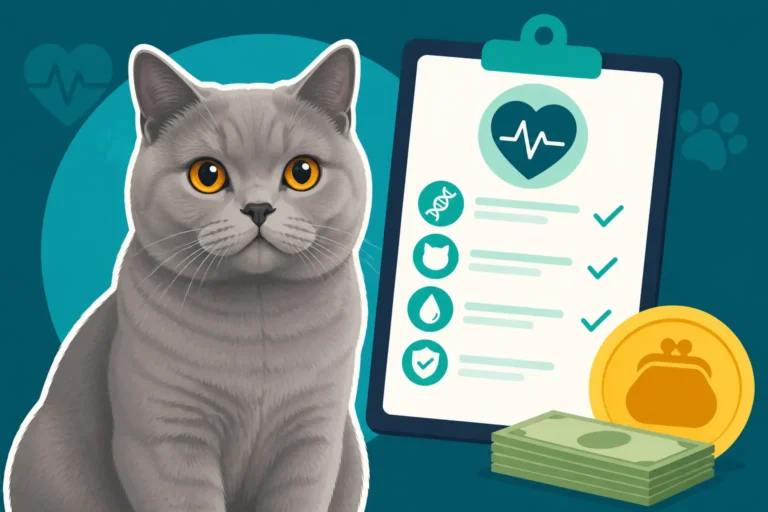
| Parental Health Screening | Unlikely or unverified (No HCM echoes, PKD DNA test, blood typing) | Comprehensive (Annual HCM echoes, PKD DNA test, blood typing) |
| Genetic Health Risks | High (HCM, PKD, NI, other inherited issues) | Low (Careful breeding, reduced risk) |
| Kitten Health at Pickup | Often unvaccinated, dewormed, or poorly socialized. High risk of parasites/illness. | Fully vaccinated, dewormed, microchipped, vet-checked, well-socialized. |
| Long-Term Vet Bills | Potentially astronomical for chronic conditions. | Lower risk for preventable genetic diseases, but routine care still needed. |
| Behavioral Issues | Higher risk (fear, aggression, litter box problems due to poor socialization/early separation). | Lower risk (well-socialized, confident). |
| Lifespan | Potentially shortened due to untreated conditions. | Typically within breed average (12-17 years) |
| Breeder Transparency | Low (reluctance to show home, parents, papers). | High (welcomes visits, provides full documentation, asks questions). |
| Contract & Guarantee | Absent or vague. | Comprehensive contract with health guarantee. |
| Time to Bring Home | Often available immediately, even if too young. | Typically a waiting list, kittens released at 12-14 weeks. |
This table clearly illustrates the critical differences, highlighting that the initial "bargain" price rarely translates into genuine savings. The peace of mind that comes from knowing your kitten has had the best start in life is truly invaluable.
Conclusion: The Real Value of a British Shorthair
Ultimately, the decision of where to acquire your British Shorthair is a deeply personal one. However, understanding what a British Shorthair sold under a thousand signals is crucial for making an informed, ethical, and financially sound choice. That low initial price is almost always a facade, concealing a world of potential health problems, behavioral challenges, and emotional heartache that will ultimately cost you far more than any upfront savings.
Investing in a British Shorthair from a reputable breeder or adopting from a dedicated rescue organization ensures you're bringing home a cat that has received the best possible start in life. It means supporting ethical practices that prioritize animal welfare, robust health, and sound temperament. While the initial outlay might be higher, you are truly investing in the long-term health, happiness, and companionship of your new family member. Choosing wisely means many years of purrs, head boops, and cuddles with a healthy, cherished British Shorthair, rather than a lifetime of worry and expensive vet visits.
Disclaimer
This article is for general informational purposes only and does not constitute professional advice. Laws, prices and regulations vary by location and change over time. Consult a qualified professional for guidance on your specific situation.