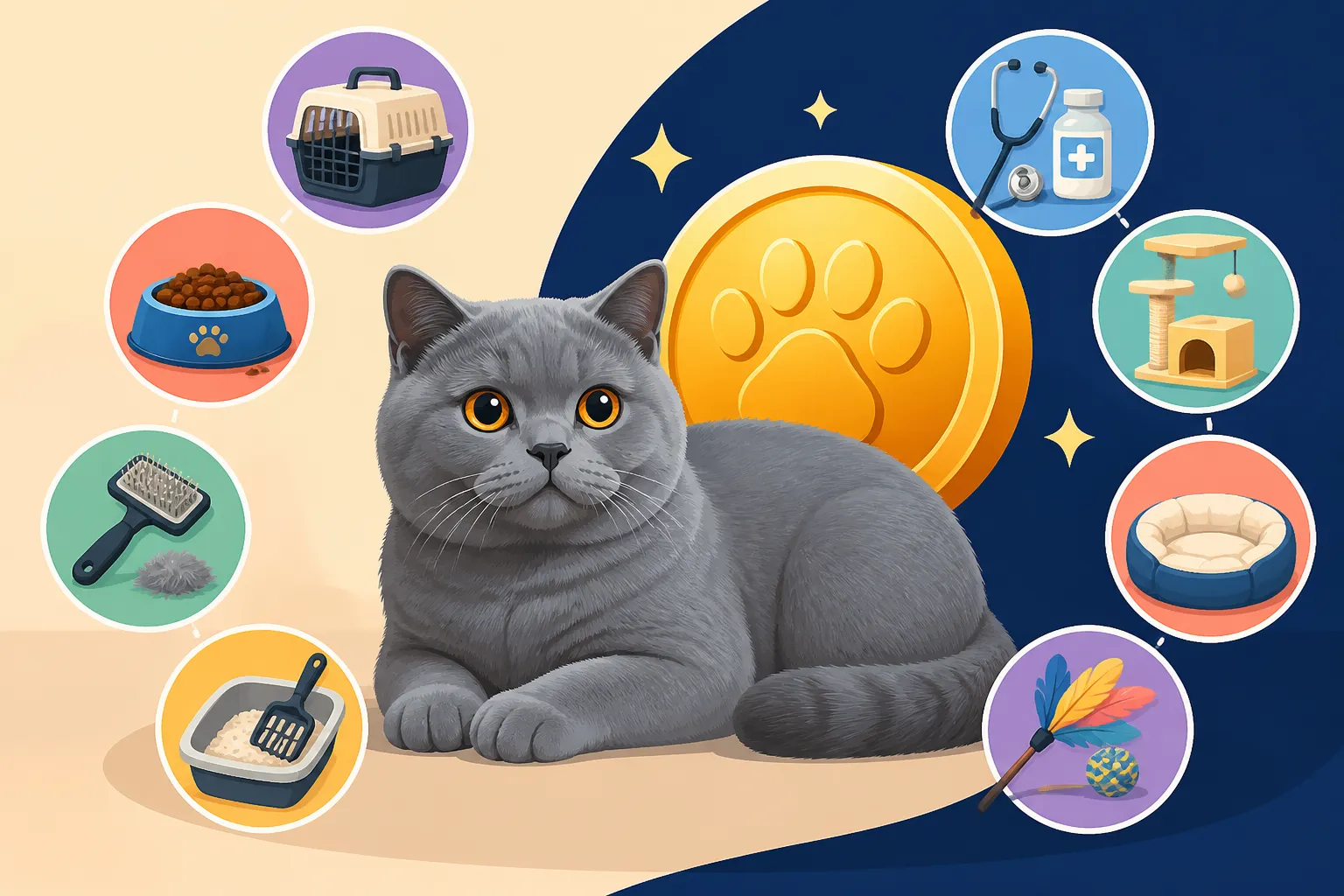
What a British Shorthair Costs Over Its Lifetime
Bringing a British Shorthair into your home is an absolute joy, filled with purrs, cuddles, and that charmingly round face. However, many prospective owners don't fully grasp the financial commitment beyond the initial purchase price, leading to stress down the line. This comprehensive guide will walk you through the various costs you can expect throughout your British Shorthair's life, helping you budget wisely and ensure your beloved feline companion receives the best care possible for many happy years.
The Initial Investment: Bringing Home Your British Shorthair
The moment you decide to welcome a British Shorthair into your life, you're embarking on a journey that begins with a distinct set of upfront financial considerations. It's more than just the price tag on the kitten; it’s about setting them up for a healthy and comfortable start.
Purchase Price from a Reputable Breeder
Let's be real, the first and often largest single cost you'll face is the purchase price of the kitten itself. When you're looking for a British Shorthair, you'll quickly notice that prices can vary quite a bit. However, opting for a lower price from a "backyard breeder" or an unverified seller might seem appealing at first, but it often comes with hidden costs later on in terms of health issues and genetic problems. A reputable breeder invests significantly in the health and well-being of their breeding cats and kittens. They conduct extensive health screenings for common breed-specific conditions like Hypertrophic Cardiomyopathy (HCM) and Polycystic Kidney Disease (PKD), and ensure proper nutrition, socialization, and veterinary care. What a British Shorthair Kitten Costs From a Breeder will give you a detailed breakdown, but generally, expect to pay a premium for a kitten from a breeder who can provide transparent health records for both parents and kittens, registration papers, and a solid health guarantee. This initial investment in a well-bred kitten often saves you a tremendous amount of heartache and expensive vet bills in the long run. Think of it as investing in a sturdy foundation for your cat's future.
Early-Life Veterinary Care and Supplies
Once your adorable British Shorthair kitten comes home, the veterinary journey has just begun. Typically, a good breeder will have already started the vaccination series and performed an initial deworming. However, you'll still need to complete the full vaccination course, including booster shots, and often a rabies vaccine depending on your location. Beyond vaccinations, your kitten will need a thorough check-up with your own trusted veterinarian. This first visit is crucial for establishing a baseline of health and addressing any immediate concerns. It also usually includes a fecal test to check for internal parasites and often a microchip implantation for identification, which is a small but important investment for their safety. Many owners also opt for spaying or neutering their kitten, a procedure that, while beneficial for health and behavior, adds another significant cost in the first year. These early vet visits and procedures are non-negotiable for a healthy start. Don't forget, What the British Shorthair Health Screening Costs can be substantial even for preventative measures.
Initial Setup: Gear and Comfort Items
Preparing your home for a British Shorthair isn't just about clearing a space; it's about creating a safe, stimulating, and comfortable environment. This means investing in a range of essential supplies right from day one. You'll need high-quality food and water bowls – stainless steel or ceramic are often recommended for hygiene. A comfortable bed or two, ideally one that's plush and supportive to accommodate their sturdy build, is essential. Then there's the litter box situation: British Shorthairs can grow quite large, so a spacious litter box is a must to encourage good litter habits. You might even consider a few different types to see what your cat prefers. Scratching posts and pads are crucial for redirecting their natural scratching instincts away from your furniture. And don't forget the carrier for those initial vet trips and any future travel. While it might seem like a lot of individual items, these foundational pieces contribute significantly to your cat's long-term comfort and well-being. Think about durability and quality; a cheap scratcher might need replacing quickly, ultimately costing you more.
Ongoing Annual Expenses: The Predictable Budget
Once your British Shorthair has settled in, the initial flurry of costs gives way to a more predictable rhythm of annual expenses. These are the regular outlays that keep your cat healthy, happy, and well-cared for year after year.
Food and Nutrition: More Than Just Kibble
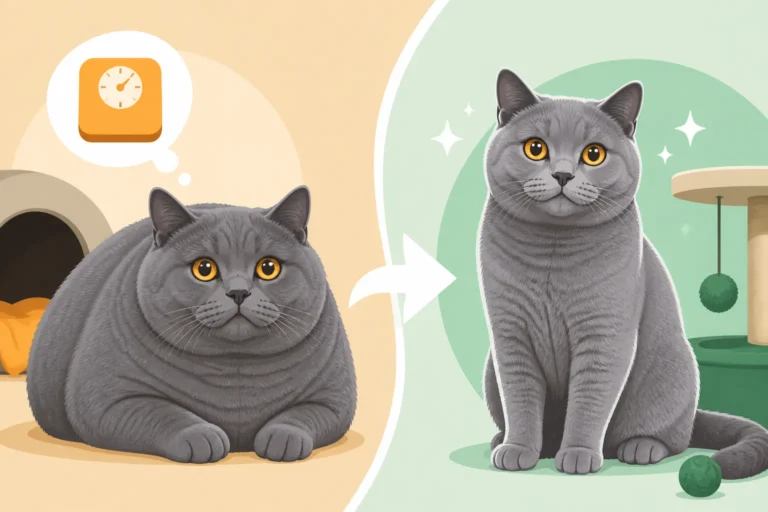
The phrase “you are what you eat” applies just as much to our feline friends as it does to us, and feeding a British Shorthair well is a significant ongoing expense. These cats have a sturdy build and can be prone to weight gain, making proper nutrition incredibly important. You'll want to invest in high-quality cat food, whether it's dry kibble, wet food, or a combination. The cost will depend on the brand, ingredients, and whether you opt for grain-free, limited ingredient, or prescription diets if recommended by your vet. Portion control is absolutely paramount with this breed. It’s easy to overfeed a British Shorthair, and obesity can lead to a host of health problems like diabetes and arthritis. Many owners find that wet food, with its higher moisture content, can help with satiety and urinary tract health, though it often costs more per serving than dry kibble. Don't forget treats! While they should be given in moderation, they still add to the monthly food budget. What a British Shorthair Costs a Month on a Weight Diet can give you an idea of how these costs can fluctuate if a dietary change is needed.
Routine Veterinary Check-ups and Preventative Care
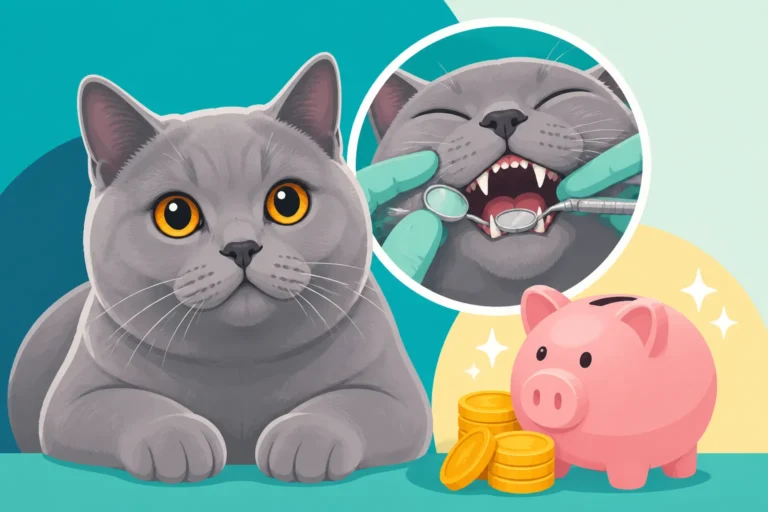
Even the healthiest British Shorthair needs regular veterinary care to stay in tip-top shape. Annual wellness exams are crucial. During these visits, your vet will perform a physical examination, listen to their heart, check their teeth, and discuss any changes in behavior or appetite you might have noticed. These exams are vital for early detection of potential health issues, which can save you money and your cat discomfort in the long run. Beyond the exam, annual vaccinations are necessary to protect your cat from common feline diseases. Regular deworming and flea/tick prevention are also standard recommendations, especially if your cat has any outdoor access, however limited, or if you have other pets. For British Shorthairs, particularly due to their predisposition to certain heart conditions, annual cardiac screenings (echocardiograms) are often recommended after a certain age. What a British Shorthair's Yearly Echo Costs can add up, but it's a critical tool for monitoring heart health. Remember, proactive care is always less expensive and less stressful than reactive emergency treatment.
Grooming Supplies and Occasional Professional Help
The British Shorthair's dense, plush coat is one of its most defining features, and while it's relatively low maintenance compared to some long-haired breeds, it still requires regular attention. You'll need a good quality comb, specifically designed to penetrate their thick undercoat without damaging the delicate guard hairs. Regular combing, a few times a week, helps to remove loose fur, prevent mats, and reduce hairballs. A British Shorthair's Coat Stands Away From Its Body, which means it's designed to protect them, but it also traps loose hair. You'll also need nail clippers, as British Shorthairs can have quite thick claws that need regular trimming, often every few weeks. What a British Shorthair's Thick Claws Cost to Keep Short isn't just about the clippers, but often the patience and technique required! While most British Shorthairs don't require professional grooming, some owners opt for occasional bathing if their cat gets particularly dirty or if they struggle with shedding during certain seasons. For older or overweight cats who struggle to groom themselves thoroughly, professional help with de-shedding or even a sanitary trim might become necessary. These ongoing grooming costs are generally modest, but consistently applied, they prevent more serious and costly issues like severe matting or skin problems.
Unforeseen Costs: When Life Throws a Curveball
No matter how careful you are, life with a pet inevitably throws unexpected expenses your way. These are the costs that can truly strain a budget if you're not prepared, highlighting the importance of a financial safety net.
Emergency Veterinary Care and Illness
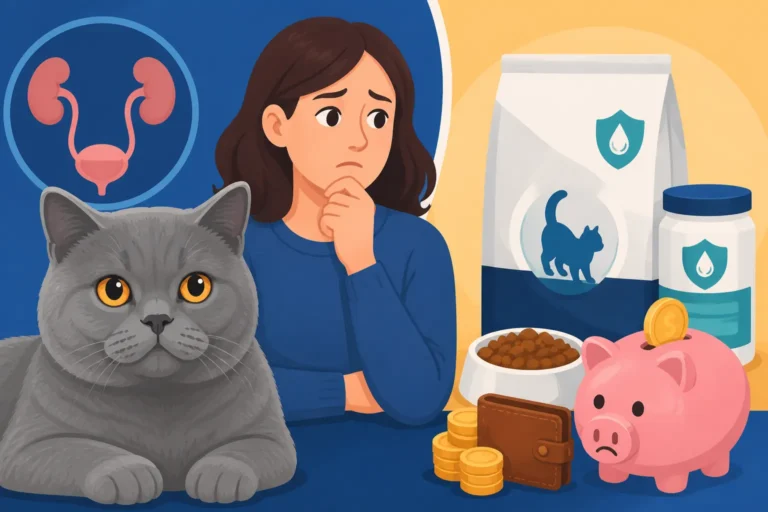
This is the big one, the cost that keeps many pet owners up at night. Despite your best efforts and all the preventative care, your British Shorthair could suddenly fall ill or have an accident. This might mean a late-night trip to an emergency veterinary clinic for something as common as a urinary blockage, which is particularly prevalent in male cats, or an acute injury. British Shorthairs are also prone to certain genetic conditions, such as Hypertrophic Cardiomyopathy (HCM), which can lead to sudden, severe symptoms like blood clots or congestive heart failure. Treating these conditions, especially in an emergency setting, can be incredibly expensive, often running into thousands of dollars for diagnostics, medications, hospitalization, and specialist consultations. It's truly heartbreaking to be faced with a critical decision about your pet's health based purely on financial limitations. Having an emergency fund specifically for your cat's health is a prudent move, as these situations often arise without warning.
Pet Insurance: A Financial Safety Net?
Given the potential for high emergency vet bills, many British Shorthair owners consider pet insurance. This can be a lifesaver, helping to cover a significant portion of unexpected medical costs, from accidents to major illnesses. There are various plans available, ranging from accident-only coverage to comprehensive policies that include wellness benefits. The cost of pet insurance will vary based on your cat's age, breed, your location, and the specifics of the plan you choose (deductible, reimbursement percentage, annual limit). Companies like Healthy Paws offer comprehensive plans that can provide peace of mind for those major, unforeseen medical events. It’s important to research different providers and understand what is and isn't covered, especially regarding pre-existing conditions. While it's an ongoing monthly expense, it can prevent a single devastating vet bill from forcing an impossible choice. What Insuring a British Shorthair Costs a Month can give you an idea of the monthly outlay, but the real value comes when you need it most.
Behavioral Support or Training Needs
While British Shorthairs are generally known for their calm and laid-back demeanor, they aren't immune to behavioral quirks or issues that might require professional intervention. Stress, changes in environment, or underlying medical problems can sometimes manifest as inappropriate urination, destructive scratching, anxiety, or aggression. If these issues arise and can't be resolved with simple environmental changes or medical checks, you might need to consult a certified feline behaviorist or your veterinarian, who may refer you to one. These specialists can help identify the root cause of the behavior and develop a tailored plan to address it. Their fees can be an unexpected cost, ranging from a single consultation to multiple follow-up sessions. While not every British Shorthair will need this kind of support, it's worth being aware that it's a potential expense, especially if you adopt an adult cat with an unknown history or if significant life changes occur.
The Golden Years: Caring for a Senior British Shorthair
As your British Shorthair gracefully enters its senior years, typically around age 10-12, their needs evolve, and with those changes often come increased costs. The Twelve to Seventeen Years a British Shorthair Gets is a good lifespan, but those later years often mean more hands-on care and medical attention.
Increased Veterinary Needs and Special Diets
Aging brings with it a higher likelihood of developing age-related health conditions. You might find your senior British Shorthair needing more frequent vet check-ups, perhaps twice a year instead of once, to monitor for common senior ailments like arthritis, kidney disease, hyperthyroidism, or dental issues. These additional visits often include more extensive bloodwork and diagnostics to catch problems early. For example, kidney disease is a common concern in older cats, and managing it can involve regular blood tests, specialized prescription diets, and sometimes medications or fluid therapy. Similarly, arthritis can require pain management medications or joint supplements to keep them comfortable. What an Aging British Shorthair's Bills Look Like can paint a picture of how these expenses can escalate. Many older cats also require special prescription diets designed to support organ function, manage weight, or address other specific health concerns, which can be more expensive than regular adult cat food. Maintaining their quality of life in their later years is a significant commitment.
Accessibility and Comfort Adjustments
Beyond medical care, ensuring your senior British Shorthair remains comfortable and able to navigate their environment is paramount. As they age, mobility can decrease due to arthritis or other joint issues. This might mean investing in ramps or steps to help them access their favorite perching spots, like a window sill or a high bed. A low-sided litter box becomes essential for easier entry and exit, preventing accidents outside the box. Orthopedic beds can provide better support for aching joints. You might also need to adjust your home environment to keep food and water bowls easily accessible without requiring them to jump or climb. Ensuring their comfort in these golden years means anticipating their changing physical capabilities and making thoughtful adjustments to their living space. These adaptations, while not typically expensive on their own, are part of the ongoing commitment to their well-being.
Lifestyle and Enrichment Costs
A British Shorthair's lifetime cost isn't just about survival; it's about providing a rich, stimulating life that meets their needs. While they're generally calm, they still benefit from mental and physical enrichment.
Toys, Beds, and Environmental Enrichment
Even if your British Shorthair seems perfectly content napping the day away, they still need mental and physical stimulation. Investing in a variety of toys is important, not just for play, but also for preventing boredom and encouraging activity. Think about wand toys that mimic prey, puzzle feeders to engage their minds, or interactive toys that move on their own. While British Shorthairs aren't typically avid climbers, a sturdy cat tree or tall scratching post is still valuable for providing vertical space and a sense of security. What a Cat Tree for a Heavy British Shorthair Costs can vary greatly, but a stable, well-built one is a good investment that can last for years. Consider also cozy beds placed in sunny spots or quiet corners, giving them options for their many naps. Rotate toys to keep things fresh and interesting, as even the most stoic British Shorthair can get bored with the same old feather wand day in and day out. Remember, stimulation helps keep their minds sharp and their bodies moving, which can have positive health benefits, especially for a breed prone to being a bit sedentary.
Pet Sitting, Boarding, or Travel Expenses
Life happens, and sometimes you need to travel without your beloved British Shorthair. This brings up the question of who will care for them while you're away. Your options typically include hiring a pet sitter, boarding them at a reputable facility, or bringing them along on your travels. Each option comes with its own set of costs. A pet sitter, who comes to your home, can be a great option for British Shorthairs as they generally prefer routine and familiar surroundings. This service usually charges per visit or per day. Boarding facilities, on the other hand, offer a secure environment with professional supervision, but the cost can add up quickly for longer trips. If you choose to travel with your cat, you'll need a secure carrier suitable for travel, and there might be additional fees for flying with a pet or for pet-friendly accommodations. Some British Shorthairs, particularly those sensitive to change, might also benefit from stress-reducing supplements or pheromone sprays, like those offered by Feliway, which add a small extra cost but can make the experience much smoother for everyone. Planning for these occasional costs ensures that your cat is well-cared for, no matter where your adventures take you.
Estimated Lifetime Costs of a British Shorthair
To give you a clearer picture, here's a general overview of the categories of costs you can expect over the lifetime of your British Shorthair. Please remember these are general estimates and actual costs will vary widely based on your location, chosen products, veterinary fees, and your cat's individual health needs.
| Cost Category | Initial Outlay (First Year) | Annual Recurring Cost (Years 2+) | Potential Unforeseen Costs |
|---|---|---|---|
| Acquisition | Substantial | N/A | N/A |
| Veterinary Care | High (vaccines, spay/neuter) | Moderate to High (exams, boosters) | Very High (emergencies, chronic illness) |
| Food & Nutrition | Moderate | Moderate (or High for specialized diets) | N/A |
| Grooming & Supplies | Low to Moderate | Low (combs, clippers) | Low (professional deshedding) |
| Pet Insurance | Optional | Moderate (monthly premiums) | N/A |
| Initial Gear & Enrichment | Moderate to High | Low (replacement toys, beds) | N/A |
| Pet Sitting/Boarding | N/A | Occasional, Moderate | N/A |
| Behavioral Support | N/A | N/A | Moderate to High |
| Senior Care Adjustments | N/A | Increasing in later years | N/A |
Understanding the full financial picture of British Shorthair ownership is about more than just numbers on a page; it’s about acknowledging the lifelong commitment you’re making. From their adorable kitten stage to their dignified senior years, these wonderful cats bring immense joy and companionship, and being prepared for their needs, both expected and unexpected, ensures you can provide them with the happy, healthy life they deserve. Whether a British Shorthair Is Expensive to Own is a question many ask, and the answer truly lies in this comprehensive view of their entire life.
Disclaimer
This article is for general informational purposes only and does not constitute professional advice. Laws, prices and regulations vary by location and change over time. Consult a qualified professional for guidance on your specific situation.