What a British Shorthair’s Thick Claws Cost to Keep Short
One of the lesser-discussed challenges of owning a magnificent British Shorthair, beyond their famous quiet demeanor and cuddly appearance, is managing those surprisingly sturdy claws. Many new owners quickly discover that what looks like a harmless kitten claw can mature into a seriously thick, sharp tool, capable of shredding furniture or, let's be honest, giving you a rather memorable scratch during an ill-timed cuddle. This guide will walk you through the real costs, both financial and in terms of effort, involved in keeping your British Shorthair's thick claws properly short and healthy, exploring everything from DIY methods to professional grooming solutions.
Understanding Your British Shorthair's Claws
British Shorthairs are known for many wonderful traits: their plush coats, their round faces, and their generally calm nature. What isn't always highlighted is the robust nature of their anatomy, including their claws. These aren't delicate, wispy things; they're built for purpose, and that purpose, in a natural setting, would be climbing, grasping, and defense.
The Unique Nature of British Shorthair Claws
Unlike some other breeds that might have finer, more brittle nails, your British Shorthair typically possesses claws that are notably thick and strong. This sturdiness is part of their overall robust build. When fully retracted, they are indeed tucked away neatly, but if they grow too long, they can become less efficient at retracting, which creates a host of potential problems. Imagine trying to walk around on perpetually extended fingernails – it's uncomfortable, to say the least. Their claws are designed to be quite sharp, which is fantastic for giving them traction, but less so for your sofa. You might notice them getting stuck in carpets or blankets more often if they're a little too long, or even hear a distinct "click-click-click" as they walk across hard floors. This thickness also means they can be tougher to trim, requiring decent clippers and a firm hand.
Why Regular Trimming is So Crucial
Regular claw trimming isn't just about protecting your furniture, although that's certainly a significant perk for many owners. It's fundamentally about your British Shorthair's health and comfort. Overgrown claws can curl and grow into the paw pads, causing immense pain, infection, and making walking incredibly difficult. This is especially true for the dewclaws, which don't touch the ground and therefore don't wear down naturally. These can easily become embedded if neglected. Long claws can also alter your cat's gait, putting undue stress on their joints, which is something we definitely want to avoid as they get older and may already face issues like Arthritis in an Older British Shorthair. Furthermore, sharp, untrimmed claws can snag on things, potentially tearing or breaking, which is a painful emergency vet visit waiting to happen. For a cat that might not be the most active, like many British Shorthairs, their claws simply don't get the natural wear and tear that a more adventurous feline might experience, making owner intervention absolutely vital. This is why understanding How Often a British Shorthair's Claws Need Cutting is so important.
DIY Claw Trimming: The Budget-Friendly Approach
For many British Shorthair owners, taking on the task of claw trimming themselves seems like the most straightforward and cost-effective option. And indeed, it can be, provided you have the right tools and a good dose of patience!
Essential Tools for At-Home Trimming
Before you even think about tackling those formidable claws, you need the right equipment. Forget those flimsy human nail clippers; they're simply not up to the job for a British Shorthair's thick nails and can actually split the claw, causing pain and potential infection. You'll need specialized cat nail clippers, typically either a scissor-style or guillotine-style. Many owners find the scissor-style easier to use, especially for thick claws, as they offer more control and leverage. Brands like Safari or Resco are popular choices and are readily available from pet retailers like Chewy. Beyond the clippers, a crucial item is styptic powder, often sold under brand names like Kwik Stop. This is an absolute must-have safety net. Even the most experienced trimmers can accidentally cut a little too far, nicking the quick (the blood vessel within the claw), and styptic powder will quickly stop the bleeding. Lastly, good lighting and perhaps a comfortable towel to gently wrap your cat in can make the experience smoother for both of you.
Step-by-Step Guide to Trimming Your British Shorthair's Claws
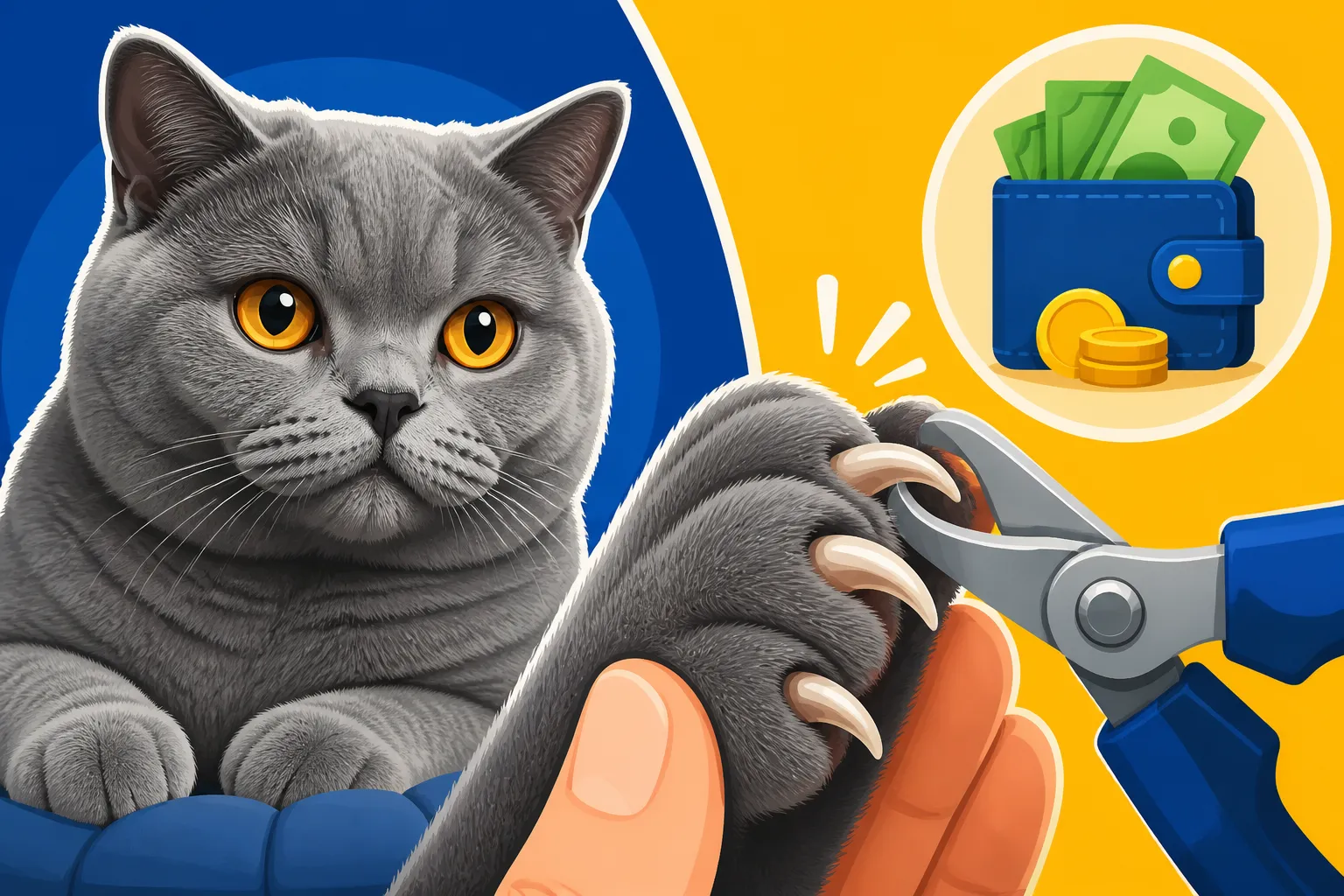
Alright, deep breaths! Trimming your British Shorthair's claws doesn't have to be a wrestling match, but it does require a calm approach. First, choose a quiet time when your cat is relaxed, perhaps after a meal or a nap. Gently pick up a paw and gently press on the top and bottom of the toe pad to extend the claw fully. You'll see the pink quick inside the clear part of the claw; your goal is to trim only the sharp, clear tip, well away from the quick. Cut straight across, or with a slight angle, depending on the claw's shape. If your cat is particularly resistant, remember that a few claws at a time is better than none. Don't push them to do all four paws in one go if they're getting stressed. Positive reinforcement, like a favorite treat, immediately after even one claw is trimmed, can work wonders in building a positive association. Patience truly is the key here. For more specific guidance on tools, you might find Which Clippers Suit a British Shorthair's Thick Claws helpful.
The Hidden Costs of DIY
While going the DIY route can save you direct fees, it's not entirely without its own set of "costs." The initial outlay for quality clippers and styptic powder is minimal, usually under $20-30, and these tools will last for years. However, the true costs can be measured in time and stress. Learning to trim safely takes practice, and if you're nervous, your cat will pick up on that, making them more anxious. An improperly done trim can lead to injury, pain, or even a deep-seated fear of claw trimming that makes future attempts impossible. If you accidentally cut the quick, it can be quite alarming for both of you, requiring quick application of styptic powder and potentially setting back your cat's trust. There's also the mental toll of trying to wrangle a reluctant British Shorthair who might decide they suddenly have urgent business elsewhere the moment the clippers appear. This can be particularly frustrating when your British Shorthair is notoriously calm until it comes to being handled in ways they dislike, like when you try to figure out Whether a British Shorthair Will Sit for a Nail Trim. So, while financially cheap, DIY requires an investment of your emotional labor and time.
Professional Claw Trimming Services: Convenience vs. Cost
Sometimes, no matter how much you try, trimming your British Shorthair's claws at home just isn't feasible. Perhaps your cat is a ninja with a penchant for dramatics, or maybe you're simply uncomfortable with the task. This is where professional services shine, offering convenience at a predictable cost.
Where to Get Professional Trimming
If you decide to outsource the nail trimming, you have a few excellent options. The most common is your veterinarian's office. Many clinics offer "tech appointments" specifically for nail trims, performed by a trained veterinary technician. This is particularly beneficial if your cat has underlying health conditions, or if they are prone to being aggressive or particularly anxious, as the vet staff are experienced in handling all temperaments. Another option is a professional groomer, either at a dedicated pet salon or a mobile grooming service that comes to your home. Groomers often have specialized tools and techniques for making the process quick and stress-free. For an aging British Shorthair whose claws might be becoming more brittle or prone to overgrowth, a vet visit might be preferable, especially if other health checks are due, given that Why an Aging British Shorthair's Claws Overgrow often points to broader health changes.
What Professional Trimming Typically Costs
The cost of professional claw trimming can vary quite a bit depending on your location, the type of service, and whether it's a standalone appointment or part of a larger grooming package. Generally, you can expect to pay a nominal fee for a nail trim. This might be a flat rate, or slightly higher if your cat is particularly difficult to handle and requires two staff members. Some veterinary clinics might offer a discount if the nail trim is done concurrently with a routine check-up, like their annual wellness exam. Mobile groomers might charge a bit more due to the convenience of coming to your home, but for a cat that finds car rides incredibly stressful, this could be a worthwhile splurge. Some pet insurance providers, such as Healthy Paws, may cover grooming services if they are deemed medically necessary, though this is less common for routine nail trims. Always check with your provider directly for current coverage details.
When Professional Help is Worth the Investment
Deciding to pay for professional claw trims is a personal choice, but there are several scenarios where it’s an undeniable value. If your British Shorthair is extremely resistant, turning every trimming attempt into a battle that leaves both of you shaken, the peace of mind alone can be worth the cost. Similarly, if you lack confidence in your trimming skills, fearing you might injure your cat, a professional can alleviate that worry. For elderly British Shorthairs, whose claws may become more brittle or thicker, or whose patience for handling might diminish, professional trimming ensures they remain comfortable without adding stress to their golden years. If your cat has specific health issues, like diabetes or arthritis, that make handling difficult or increase the risk of injury, veterinary professionals are equipped to handle them safely. Sometimes, the best "cost" is the one that buys you peace of mind and keeps your cherished companion healthy and happy.
Long-Term Claw Care: Beyond Just Trimming
While regular trimming is paramount, it's just one piece of the puzzle for maintaining healthy claws. A holistic approach to claw care considers environmental factors, diet, and overall well-being.
Scratching Posts and Environmental Enrichment
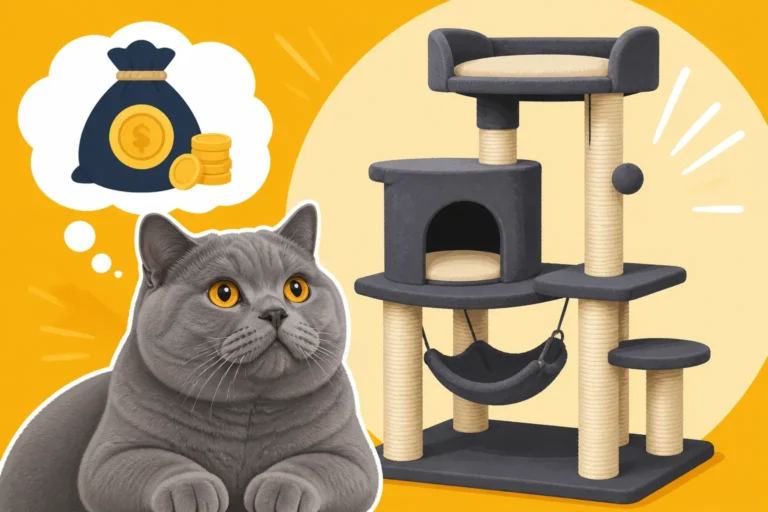
A common misconception is that if you trim claws, you don't need scratching posts. Not true! Scratching is a natural and essential feline behavior that serves multiple purposes: it helps remove the outer sheath of the claw, keeping them sharp and healthy, it stretches their muscles, and it's a fantastic stress reliever. For a British Shorthair, who might not be the most agile climber, sturdy and stable scratching posts are crucial. Look for posts that are tall enough for them to stretch fully, and consider different materials like sisal rope, cardboard, or even wood. Some British Shorthairs prefer horizontal scratchers. Placing them in prominent areas where your cat likes to lounge or stretch, or near furniture you want to protect, can encourage use. Investing in a good quality scratching post or What a Cat Tree for a Heavy British Shorthair Costs can significantly reduce the frequency of trims needed and help preserve your home furnishings. Regular replenishment of cardboard scratchers, available from retailers like Chewy, is also a cost-effective way to provide ongoing enrichment.
The Role of Diet and Supplements
Believe it or not, your cat's diet can have an impact on the health and strength of their claws. A balanced, high-quality diet provides all the necessary nutrients for healthy skin, coat, and nails. If your British Shorthair's claws seem unusually brittle, flaky, or soft, it could be an indicator of a nutritional deficiency or an underlying health issue. While supplements specifically for nail health are less common for cats than for humans, general skin and coat supplements containing omega-3 fatty acids can contribute to overall integumentary (skin, coat, claws) health. Brands like Nordic Naturals or Zesty Paws offer reputable omega-3 supplements that can be added to your cat's food. Before adding any supplement, it's always best to consult with your veterinarian, especially if you're already managing other health concerns like Obesity Is the British Shorthair's Real Disease.
Addressing Overgrown or Problematic Claws
Despite your best efforts, sometimes claws become overgrown or problematic. This might be due to a missed trim, an elderly cat's reduced self-grooming, or an underlying medical condition. If you notice a claw growing into the paw pad, or if your cat is limping, licking their paws excessively, or showing signs of pain, it's time for a vet visit. Attempting to extract an embedded claw yourself can be incredibly painful and risky. Your vet can safely trim the claw, assess for infection, and provide pain relief. In some cases, severely overgrown or ingrown claws might require sedation for removal to ensure your cat's comfort and safety. Conditions like Feline Plasma Cell Pododermatitis (also known as "pillow foot") can also affect paw pads and claws, making professional diagnosis and treatment essential. Regular wellness exams, which include checking paws and claws, are part of What a British Shorthair's Yearly Bloodwork Should Cover and can help catch these issues early.
Here's a quick comparison of DIY versus Professional Claw Trimming:
| Feature | DIY Claw Trimming | Professional Claw Trimming |
|---|---|---|
| Initial Cost | Low (clippers, styptic powder ~$20-30) | Varies (usually ~$15-40 per session) |
| Ongoing Cost | Minimal (replacement clippers every few years) | Regular per-session fees (e.g., ~$60-160/year for monthly trims) |
| Convenience | At home, on your schedule | Schedule appointments, travel to clinic/groomer (or mobile fee) |
| Skill Required | Moderate to high (requires practice and patience) | None for owner; performed by trained professionals |
| Stress Level | Can be high for both cat and owner | Generally lower for owner; professional handling can reduce cat stress |
| Risk of Injury | Higher for inexperienced owners | Very low due to trained professionals |
| Time Investment | Varies (5-15 minutes per session, plus handling) | Travel time, waiting room time (or brief home visit) |
| Benefits | Cost savings, bonding (if done well) | Expertise, efficiency, reduced stress for difficult cats |
Ultimately, whether you choose to brave the thick claws yourself or enlist the help of a professional, the most important thing is that your British Shorthair's claws are kept at a healthy length. It's a small but significant part of their overall well-being and comfort, preventing pain and potential medical complications down the line. A happy British Shorthair, after all, is a cat whose paws are as plump and comfortable as their famous teddy bear appearance suggests!
Disclaimer
This article is for general informational purposes only and does not constitute professional advice. Laws, prices and regulations vary by location and change over time. Consult a qualified professional for guidance on your specific situation.