Whether a British Shorthair Ever Needs a Groomer
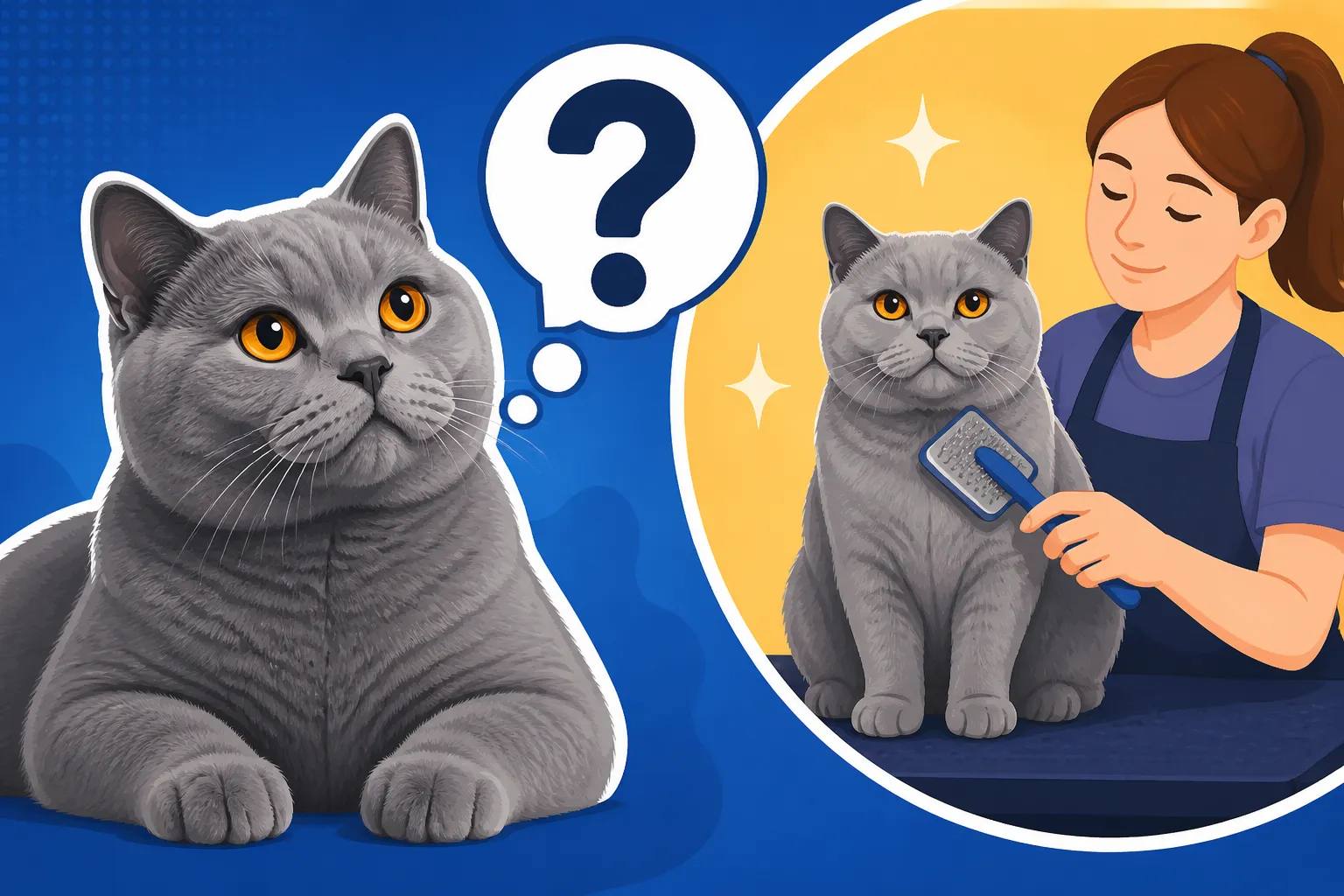
It's easy to look at a British Shorthair and assume their grooming needs are minimal. With that thick, plush coat, they often appear to be the epitome of a low-maintenance cat. But sometimes, despite our best efforts with at-home brushing and combing, their unique fur can present challenges that make you wonder: do British Shorthairs ever actually need a professional groomer? This guide will dive deep into the British Shorthair's coat, explore the circumstances that might necessitate a trip to the groomer, and help you understand when professional help can be a true lifesaver for your beloved feline companion.
Understanding the British Shorthair Coat
The British Shorthair's coat is truly one of its most defining features, making it look like a charming, fuzzy teddy bear. However, this beautiful coat also comes with its own set of care considerations. Many new owners are surprised by just how dense and unique it is, often leading them to question their initial assumptions about its upkeep.
The Dense, Plush Texture
Unlike many other shorthaired breeds, the British Shorthair boasts an incredibly dense, plush, and resilient coat. It's often described as feeling like a thick, springy carpet or a velvety cushion. The hairs are short but stand away from the body, giving the cat that iconic, rounded, chunky appearance. This isn't a sleek, close-lying coat; it's designed for warmth and protection, a remnant of their hardy ancestry. Because A British Shorthair's Coat Stands Away From Its Body, it creates a unique texture that can trap loose fur and dander, and when neglected, it can become a breeding ground for mats, especially in certain areas. It truly is a testament to the breed's character, looking robust and solid.
Natural Grooming Habits
For the most part, British Shorthairs are meticulous self-groomers. They spend a good portion of their day keeping their fur clean and tidy, a behavior ingrained deep within their feline instincts. Their short tongues, covered in tiny, backward-facing spines (papillae), act like natural combs, effectively removing loose hair and dirt. This self-sufficiency is often why owners believe professional grooming is unnecessary. They might see their cat looking perfectly pristine and assume everything is under control. However, while their natural instincts are strong, they aren't always enough, especially as a cat ages or faces other health challenges. It's a common misconception that a cat's own grooming is always adequate.
Seasonal Shedding and Undercoat Blows
Even with excellent self-grooming, British Shorthairs shed, and sometimes, they shed a lot. They have a thick undercoat that provides insulation, and twice a year, usually in spring and autumn, they will "blow" this undercoat. This means they shed a significant amount of fur to adjust to the changing temperatures. During these periods, you might find clumps of fur around the house, and your cat's coat can feel particularly thick and almost 'stuffy.' Many owners are caught off guard by the sheer volume of fur that can come off a British Shorthair during these times. It’s during these transitions that regular brushing becomes absolutely essential, often more than you might realize. Neglecting it can lead to bigger problems, even for such a naturally clean animal. The Two Weeks a British Shorthair Drops Its Undercoat can be quite intense, making consistent owner intervention crucial.
When DIY Grooming Isn't Enough
While British Shorthairs are generally good at keeping themselves presentable, there are specific situations where their thick coat and their physical limitations mean that your efforts with a comb just won't cut it. This is when the question of professional help really comes into focus.
Matting and Tangles
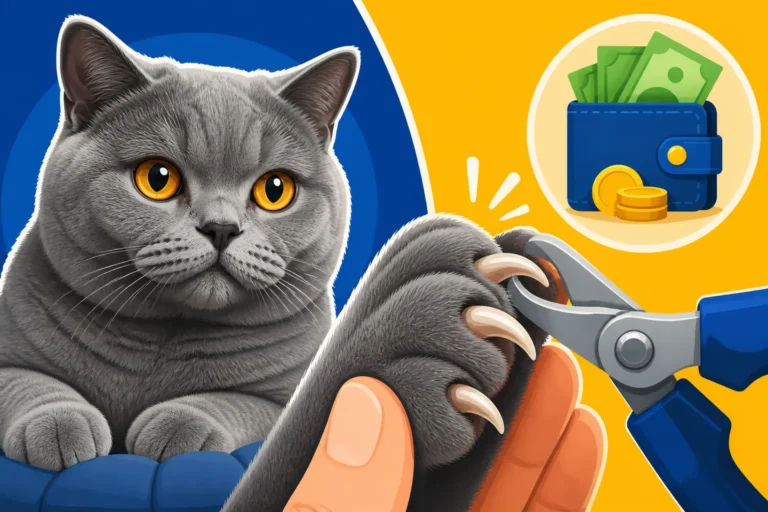
Despite their short hair, British Shorthairs can and do develop mats. These tight, painful knots usually form in areas where fur is thicker or experiences more friction, like behind the ears, under the armpits, on the flanks, or around the hindquarters. A mat starts as a small tangle but can quickly grow, pulling on the skin and causing discomfort, pain, and even skin infections if left untreated. It’s not always obvious under their dense fur until it's quite severe. Trying to remove a mat at home with scissors is incredibly risky – you could easily cut your cat's delicate skin. A groomer, however, has the right tools and expertise to safely remove these without causing injury or undue stress. They can often work with specialized clippers that get under the mat without touching the skin, a technique most home groomers aren't equipped for.
Overweight or Arthritic Cats
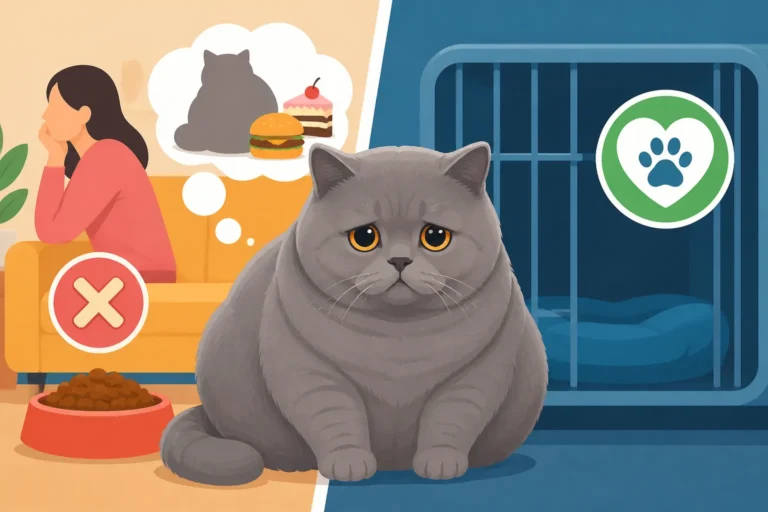
One of the biggest challenges British Shorthair owners face is keeping their cats at a healthy weight. These cats are prone to obesity, and an overweight British Shorthair often struggles to reach and clean certain parts of their body, particularly their back and hindquarters. This is a heartbreaking reality for many owners, as their once pristine cat starts to look unkempt and develop a greasy, matted coat in hard-to-reach areas. Why an Overweight British Shorthair Stops Grooming Its Back is a common and distressing issue. Similarly, as British Shorthairs age, they can develop arthritis, making stretching and bending for grooming painful. What Obesity Does to a British Shorthair's Joints exacerbates this problem. For these cats, professional grooming isn't just about aesthetics; it's about comfort, hygiene, and preventing painful skin issues. A skilled groomer can gently clean and trim these difficult areas, providing much-needed relief. If you're managing an overweight cat, platforms like Chewy offer a vast selection of diet-specific foods and enrichment toys that can help encourage movement and better health, which indirectly aids in their ability to self-groom.
Excessive Shedding or Skin Issues
During peak shedding seasons, some British Shorthairs seem to shed an endless amount of fur. While regular combing helps, sometimes the sheer volume is overwhelming, leading to increased hairballs and a dull coat. For cats with sensitive skin or allergies, excessive shedding can also exacerbate irritation. A professional groomer has high-velocity dryers and specialized de-shedding tools that can remove a vast amount of loose undercoat much more effectively than home tools. This can significantly reduce shedding in your home and improve your cat's comfort and skin health. Moreover, groomers are often the first to spot subtle skin issues, lumps, bumps, or parasites that might be hidden beneath the dense fur. Their trained eyes can identify problems you might miss, prompting an earlier vet visit. For persistent skin or coat issues, sometimes diet plays a role, and fresh, high-quality ingredients can support skin and coat condition.
The Benefits a Professional Groomer Offers
Bringing your British Shorthair to a professional groomer isn't just about handing off a chore; it's about providing a specialized service that can greatly benefit your cat's health and comfort, especially when they need a little extra help.
Specialized Tools and Techniques
Professional groomers are equipped with tools and knowledge far beyond what the average pet owner has access to. They use powerful, yet gentle, high-velocity dryers that blast away loose fur and dry the coat efficiently, which is crucial for a dense British Shorthair coat. They also employ specific de-shedding rakes and combs, often much more effective than consumer-grade options. For mats, they have specialized clippers with different blade lengths that can carefully remove tangles without nipping the skin, a common fear for owners attempting to cut out mats at home. They understand the intricacies of different coat types, including how What a British Shorthair's Coat Is Like impacts the choice of tools. A professional knows Why a Comb Beats a Brush on a British Shorthair for this breed and can select the right type, whether it's a wide-toothed comb for initial detangling or a fine-toothed one for finishing. This expertise ensures a thorough and safe grooming experience, minimizing discomfort for your cat.
Safe Handling and Stress Reduction
Let's be honest, not every cat enjoys being groomed. Some British Shorthairs, despite their generally calm demeanor, can become quite stressed or even aggressive during grooming sessions, particularly if they're uncomfortable or in pain. A professional groomer has experience handling a wide range of feline temperaments. They use gentle, force-free techniques, understanding feline body language to keep the cat as calm as possible. They work efficiently, minimizing the time the cat is on the grooming table, and they know how to position the cat to ensure both their safety and the cat's comfort. This specialized handling is invaluable for cats who are anxious, elderly, or have mobility issues. It means your cat can get the care they need without enduring a traumatic experience at home, which can sometimes strain the bond between pet and owner.
Health Check and Early Detection
Think of a professional grooming session as a mini-health check. While they aren't veterinarians, groomers spend intimate time examining every inch of your cat's body. They feel for lumps, bumps, or tender spots that might indicate underlying health issues. They check the condition of the skin for dryness, redness, or parasites. They look in ears for signs of infection and assess the claws for overgrowth or brittleness. Many times, a groomer is the first person to notice a new lump or a sore area that an owner might have missed under that thick fur. For instance, they might spot early signs of Gingivitis in a British Shorthair if they're checking the mouth, or notice subtle changes in coat texture that could point to a medical condition. This early detection can be critical, prompting you to schedule a vet visit before a minor issue becomes a major problem. Timely intervention can often save you significant stress and veterinary costs in the long run. Even though pet insurance won't cover routine grooming, knowing that a policy like those offered by Healthy Paws can help with unexpected vet bills can provide peace of mind if a groomer does spot something concerning.
Making the Decision: When to Call the Pros
So, how do you decide if your British Shorthair is a candidate for professional grooming? It often comes down to a combination of factors related to their health, comfort, and your own capabilities.
Assessing Your Cat's Specific Needs
Take a good, honest look at your British Shorthair. Can they effectively groom themselves head to tail? Are you regularly seeing mats or greasy patches, especially around the rear or under the chin? Is their fur dull or greasy, even after you've tried combing? If your cat is older, arthritic, or Signs a British Shorthair Is Overweight, they will almost certainly benefit from professional help. An aging cat, for example, may stop grooming as meticulously, leading to dull, matted fur. Why an Aging British Shorthair Stops Grooming and Whether an Aging British Shorthair Needs Combing More are real concerns that indicate a need for a professional touch. Don't wait until the matting is severe and painful; it's much kinder to address it early. It’s important to distinguish between a slightly scruffy coat and one that is genuinely causing your cat discomfort.
Finding a Cat-Friendly Groomer
If you decide professional grooming is right for your British Shorthair, the next step is finding the right groomer. Not all groomers are equally experienced with cats, and even fewer specialize in the unique British Shorthair coat. Look for groomers who specifically state they work with cats (some only do dogs). Ask about their experience with dense-coated breeds. Inquire about their handling techniques – do they prioritize a calm, quiet environment? Are they force-free? Check reviews and ask for recommendations from other British Shorthair owners or your veterinarian. A good cat groomer will understand that cats are not small dogs and require a different approach, focusing on minimal stress and safety. They should be able to explain their process and make you feel comfortable with leaving your beloved feline in their care.
The Cost-Benefit Analysis
Of course, professional grooming comes with a cost. This can vary widely depending on your location, the groomer's experience, and the services your cat needs. It's often higher than a dog grooming session due to the specialized handling required. However, consider what you are getting in return: your cat's comfort, hygiene, and potentially early detection of health issues. Trying to remove severe mats at home can lead to injury and an emergency vet visit, which can be far more expensive and traumatic. Preventing hairballs or skin infections can also save on vet bills. For an older cat who is struggling, the relief and improved quality of life from a good groomer are priceless. It's an investment in their well-being. Think about the peace of mind knowing your cat is clean, comfortable, and potentially healthier.
| Aspect | DIY Grooming | Professional Grooming |
|---|---|---|
| Tools | Basic brushes, combs, nail clippers | Specialized de-shedding tools, high-velocity dryers, safety clippers |
| Expertise | Owner's knowledge, often limited | Trained in feline anatomy, coat types, handling, first aid |
| Time | Regular, short sessions (10-20 min) | Typically 1-2 hours per session |
| Cost | Initial tool purchase, ongoing supplies | Per-session fee, higher for matted coats |
| Matting | Risky to remove, often ineffective | Safe, effective removal using specialized clippers |
| Shedding | Reduces some loose hair, can miss undercoat | Deep de-shedding, significantly reduces shedding |
| Comfort | Depends on cat's temperament and owner's skill | Focus on stress reduction, experienced handling |
| Health Check | Owner may spot obvious issues | Groomer trained to notice subtle skin/coat/body changes |
| Older/Obese Cats | Challenging, often incomplete | Can reach difficult areas, improves hygiene & comfort |
In the end, while many British Shorthairs can go their entire lives without seeing a professional groomer, there are definitely circumstances where it becomes not just a luxury, but a genuine necessity for their health and happiness. Don't feel guilty if you find yourself needing to call in the pros; you're simply giving your beloved British Shorthair the best care possible.
Disclaimer
This article is for general informational purposes only and does not constitute professional advice. Laws, prices and regulations vary by location and change over time. Consult a qualified professional for guidance on your specific situation.