Which Clippers Suit a British Shorthair’s Thick Claws
Anyone who shares their home with a magnificent British Shorthair knows their plush, dense coats are a joy, but their claws? They can be surprisingly robust and, if left untended, can become quite the menace to furniture, laps, and even their own well-being. Finding the right tools for the job is essential to keeping those sturdy paws in tip-top shape without turning nail trimming into a wrestling match. This guide will walk you through everything you need to know about choosing the perfect clippers for your British Shorthair's thick claws, ensuring a smoother, safer experience for both of you.
Understanding Your British Shorthair's Unique Claws
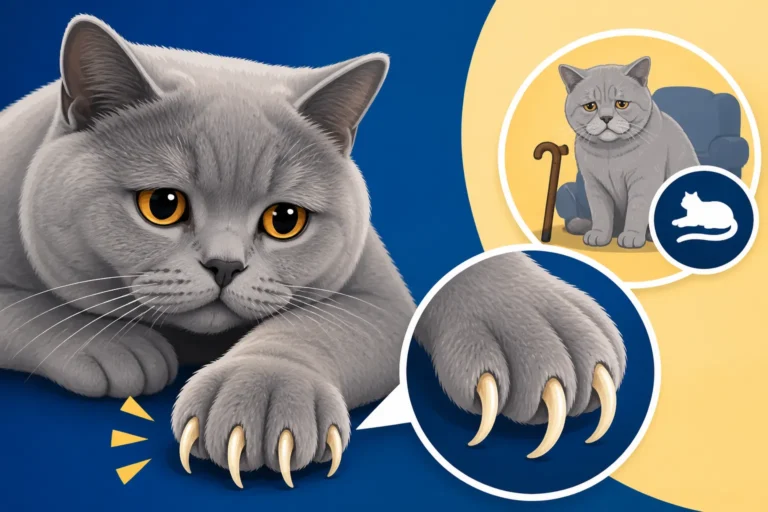
British Shorthairs are known for their sturdy, cobby build, and this extends right down to their paws. Their claws, while not necessarily longer than other breeds, are often thicker and stronger, designed for a more grounded, less acrobatic lifestyle compared to some of their more lithe feline cousins. This unique characteristic means that generic clippers might not always cut it – literally.
Why British Shorthair Claws Are Different
Imagine trying to cut a thick piece of cardstock with dull, flimsy scissors. You'd get a ragged edge, or worse, just bend the card. The same principle applies to your British Shorthair's claws. Their nails are robust, often quite dense, and less prone to natural wear from scratching on surfaces simply because many British Shorthairs prefer a more sedate existence indoors. This means you need a tool with a sharp, strong cutting edge that can cleanly snip through the nail without crushing or splitting it, which can be painful and lead to infection. The thickness demands a certain level of leverage and sharpness that not all cat clippers possess.
The Dangers of Overgrown Claws
Overgrown claws are more than just a nuisance to your sofa; they pose significant health risks to your British Shorthair. When claws grow too long, they can start to curl under and grow into the paw pads, causing immense pain, lameness, and potentially serious infections. Even if they don't curl into the pads, long claws can get snagged on carpets, blankets, or even toys, leading to painful tears or fractures of the nail. This can be especially problematic for a British Shorthair, whose quiet nature might lead them to hide discomfort until it's quite advanced. Furthermore, long claws can change your cat's gait, making them walk on the sides of their paws, which puts undue stress on their joints and can contribute to arthritis over time. For an already stocky breed, protecting those joints is paramount.
How Often a British Shorthair's Claws Need Cutting
The frequency of nail trims for a British Shorthair can vary depending on their activity level and individual nail growth rate, but generally, you'll be looking at every two to four weeks. Unlike more active breeds that might wear their claws down somewhat through climbing and vigorous play, many British Shorthairs are content to lounge, which means their nails get less natural abrasion. It's a good idea to establish a regular schedule. If you hear their little "tap-tap-tap" on hard floors as they walk, or if their claws appear to be extending beyond their paw pads even when retracted, it's definitely time for a trim. Consistency is key, not just for their comfort, but also to help you and your cat get used to the routine. You can learn more about this in How Often a British Shorthair's Claws Need Cutting.
Choosing the Right Clippers for Your British Shorthair
Selecting the proper clippers is the first and most crucial step to making nail trimming a stress-free event. With so many options out there, it can feel a bit overwhelming, but focusing on what works best for your British Shorthair's robust nails will narrow it down significantly.
Scissor Style Clippers
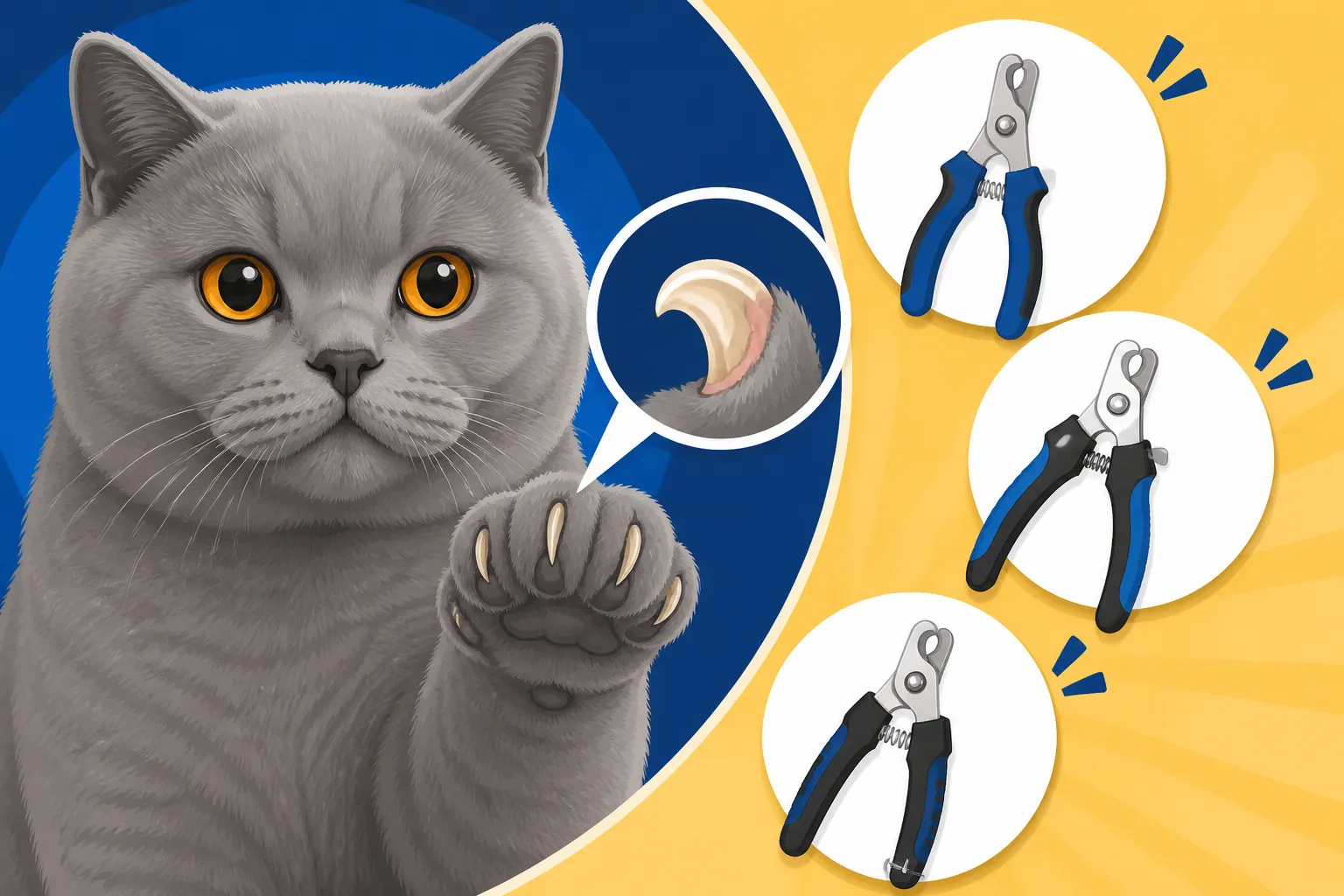
Scissor-style clippers are often the go-to for many cat owners, and they can be a good choice for British Shorthairs if they are well-made and sharp. They operate much like a pair of tiny, specialized scissors, giving you a good view of the nail as you cut.
- Pros: This design offers precision, allowing you to easily see where you're cutting, which is vital for avoiding the quick (the sensitive pink part of the nail). They are generally easy to handle and can be quite effective on thick claws if the blades are robust. Many brands offer ergonomic handles, making them comfortable for you to use.
- Cons: Cheaper models can have dull blades that crush rather than cut the nail, which is painful and damaging. Ensure you invest in a high-quality pair with very sharp, sturdy blades. Some designs might feel less stable in your hand compared to plier-style clippers when dealing with a particularly thick nail.
Guillotine Style Clippers
These clippers feature a small hole through which you insert the cat's claw. When you squeeze the handles, a blade slides down, "guillotining" the tip of the nail.
- Pros: They can be very effective for a quick, clean cut, especially if you have a steady hand and a calm cat. The design might appeal to some who prefer the mechanical action.
- Cons: The main drawback for British Shorthairs is that the hole might not always accommodate their thicker nails comfortably, and it can sometimes obscure your view of the quick, increasing the risk of cutting too far. If the blade isn't perfectly sharp, they can also crush the nail. Many experienced groomers find them less precise for cats than other styles.
Plier Style Clippers
Plier-style clippers are often recommended for larger breeds or those with very thick, strong nails, making them an excellent contender for British Shorthairs. They resemble small pliers with a spring-loaded mechanism and typically have very sharp, strong blades.
- Pros: These clippers provide excellent leverage, making it easier to cut through dense British Shorthair claws cleanly and without excessive force. The open design allows for a clear view of the nail and the quick, enhancing precision and safety. Many models come with non-slip grips, which is a huge bonus when you're trying to keep a squirming cat still.
- Cons: They can look a bit intimidating due to their size, especially if you're used to smaller cat clippers. However, their robust nature is precisely what makes them ideal for a British Shorthair. Just ensure you get a cat-specific size, not a dog clipper.
Rotary Grinders
While not strictly clippers, rotary grinders (like those made by brands similar to Dremel) are another option for nail maintenance. They use a rotating abrasive head to file down the nail rather than cut it.
- Pros: Grinders eliminate the risk of cutting the quick, as you file gradually. They can smooth the edges of the nail, preventing snags. For cats that hate the sensation of clippers, some might tolerate the grinder better.
- Cons: The noise and vibration of a grinder can be very frightening for many cats, especially British Shorthairs who tend to be calm but can be particular about sudden sounds. It requires a much longer training period to acclimate your cat. It also takes more time to trim each nail, which can be challenging if your cat has a short attention span for grooming. Plus, there's a risk of heat build-up on the nail if you don't use it correctly, which can be painful. This option isn't for every British Shorthair owner, but it's worth considering if clippers are completely out of the question after trying different types.
Features to Look For in Clippers
No matter the style you choose, certain features will make a big difference when clipping your British Shorthair's nails:
- Sharpness: This is paramount. Dull blades will crush and damage the nail, causing pain and distress. Look for clippers with stainless steel blades that are advertised as sharp and durable. You should be able to make a clean, quick cut without needing to apply excessive pressure.
- Safety Guard: Some clippers come with a small safety guard that helps prevent you from cutting too much of the nail at once. While useful for beginners, always remember to manually check where the quick is before cutting, as the guard isn't foolproof, especially with varied nail lengths.
- Ergonomic and Comfortable Handles: You'll need a firm, comfortable grip to ensure precision and control, especially when dealing with a cat that might not be entirely thrilled about the process. Rubberized or textured handles can prevent slips.
- Size: Ensure the clippers are appropriately sized for a cat's nails, not a dog's. Even though British Shorthair claws are thick, dog clippers are often too bulky and can be difficult to maneuver on smaller cat paws.
Here's a quick comparison of the popular clipper types:
| Clipper Type | Pros | Cons | Best For |
|---|---|---|---|
| Scissor Style | Good visibility, precise, easy to handle | Can crush nails if blades are dull; less leverage than plier-style for very thick nails | Owners who prefer precision and clear visibility; generally calm cats |
| Guillotine Style | Quick, clean cut if blade is sharp | Can obscure view of quick; may not accommodate very thick nails; less precise for some | Experienced owners with calm cats and consistently sized nails |
| Plier Style | Excellent leverage for thick nails, clear view of quick, durable blades | Can seem intimidating due to size; must ensure it's cat-specific, not dog-sized | British Shorthairs with very thick, strong claws; owners needing leverage |
| Rotary Grinders | No risk of cutting quick, smooth finish | Noise/vibration can scare cats; takes longer; risk of heat build-up if not used correctly | Cats tolerant of noise/vibration; owners with patience for training |
Mastering the Art of British Shorthair Nail Trimming
Choosing the right clippers is only half the battle; the other half is learning how to use them effectively and, more importantly, how to make the experience as positive as possible for your British Shorthair. Remember, these cats are known for their calm demeanor, but they can still express their displeasure, often through quiet resistance rather than outright struggle. Patience is your most valuable tool here.
Getting Your Cat Comfortable With Trimming
Introducing nail trims slowly and gently is key. Start by simply handling your British Shorthair's paws regularly, even when you're not planning to trim. Gently press their paw pads to extend the claws. Do this while they're relaxed, perhaps during a cuddle session or when they're sleepy. Reward them with praise and a small, high-value treat every single time. Whether a British Shorthair Will Sit for a Nail Trim discusses how crucial early and consistent positive reinforcement is.
Next, introduce the clippers themselves. Let your cat sniff them, place them near their paws, and even make the clipping sound without actually clipping a nail. Again, reward immediately. The goal is to create positive associations, so they don't see the clippers as a scary instrument of torture. Short, frequent sessions are far better than infrequent, prolonged battles. Consider doing just one or two nails at a time if that's all your cat tolerates, slowly building up their acceptance.
The Proper Technique for Clipping
Once your British Shorthair is relatively comfortable, you can start the actual trimming. Find a quiet, well-lit place where you can both be comfortable.
- Positioning: Hold your cat gently but firmly. Some owners prefer to hold their cat on their lap, facing away from them, or even wrapped in a towel if they're particularly squirmy. The goal is to keep them still without causing undue stress.
- Isolate the Paw: Take one paw in your hand, gently holding a single toe.
- Extend the Claw: Gently press on the top of the toe (just above the nail) and the paw pad underneath to extend the claw fully. This also helps you clearly see the quick.
- Identify the Quick: The quick is the pink part inside the nail that contains blood vessels and nerves. On lighter colored claws, it's usually visible. On darker claws, it's harder to see, so you'll need to err on the side of caution and only snip the very tip. If you're unsure, it's always better to cut less than too much.
- Make the Cut: Position your chosen clippers so the blades are perpendicular to the nail, not parallel. Make a swift, clean cut just below the quick, at the very tip of the claw. Aim to remove only the sharp, clear tip.
- Reward: Immediately after each successful clip (or even after just one nail if that's all you manage), offer a treat and praise. This reinforces the positive association.
Dealing with the Quick and Bleeding
Accidentally cutting the quick can happen, even to experienced owners, and it's understandably a concern. It will bleed and be painful for your cat, which can set back your training significantly.
- Be Prepared: Always have styptic powder (available at pet stores or online through retailers like Chewy or Amazon) or even cornstarch readily available before you start. If you do cut the quick, apply a pinch of styptic powder directly to the bleeding tip and apply gentle pressure until it stops.
- Stay Calm: If your cat bleeds, remain calm. Panicking will only make your cat more stressed. Reassure them with a calm voice and gentle strokes.
- Learning Curve: Don't let a quick-cutting incident deter you. It's a learning experience. Just be extra cautious next time and focus on cutting only tiny slivers, especially on dark claws where the quick is invisible. If you find yourself consistently hitting the quick, it might be time to enlist the help of a professional groomer or your vet.
Making Nail Trims a Positive Experience
The ultimate goal is for your British Shorthair to tolerate, or even enjoy, nail trims.
- Consistency is Key: Regular, short sessions prevent the nails from getting too long and making the process more difficult.
- High-Value Rewards: Reserve special treats for nail trim sessions. A dab of Churu or similar lickable treat can work wonders, distracting your cat while you work.
- Gentle Handling: Never force or punish your cat. If they're truly stressed, take a break and try again later. Positive reinforcement and patience will build trust.
- Consider the Environment: A quiet room with soft lighting and perhaps some calming music can help. Some cats prefer being trimmed on a non-slip mat or towel rather than a slick surface.
- Start Young: If you have a British Shorthair kitten, start handling their paws and doing mock trims from a very young age. This early exposure makes them far more accepting as adults.
When to Seek Professional Help for British Shorthair Claws
While regular at-home nail trims are ideal, there are certainly times when calling in a professional is the smartest, safest, and kindest choice for your British Shorthair. There's no shame in admitting you need an extra hand; your cat's well-being is what matters most.
Signs You Might Need a Groomer or Vet
Sometimes, despite your best efforts, trimming your British Shorthair's nails at home just doesn't work out. Here are some indicators that it might be time to seek professional assistance:
- Extreme Resistance: If your cat becomes overly aggressive, hisses, bites, or scratches severely during trims, it's not safe for either of you. A professional groomer or veterinary technician has the experience and techniques to handle even the most reluctant felines with minimal stress.
- Fear and Anxiety: If your British Shorthair exhibits extreme fear, panting, trembling, or hiding behavior when the clippers even come out, it might be too traumatic to continue at home. Professionals can often work quickly and efficiently, minimizing the stressful period.
- Dark Nails and Unseen Quicks: For cats with very dark claws where the quick is impossible to see, it’s much safer to have a professional trim them. They have the experience to judge where the quick ends, reducing the risk of a painful injury.
- Overgrown and Ingrown Nails: If your British Shorthair's nails have become severely overgrown, curled into their paw pads, or caused any infection, a vet visit is absolutely necessary. They can safely trim the ingrown nails, treat any infections, and provide pain relief. Don't try to tackle these complex situations yourself, as you could cause more harm.
- Your Own Comfort Level: If you simply don't feel confident or comfortable trimming your cat's nails, or if you're worried about hurting them, that's a perfectly valid reason to delegate the task. It's better for your cat to have their nails professionally trimmed than not at all. You can explore this further in Whether a British Shorthair Needs a Groomer.
The Benefits of Professional Nail Trims
Bringing your British Shorthair to a professional for nail trims offers several advantages:
- Expertise and Efficiency: Groomers and vet techs are trained to trim nails quickly and safely, even on challenging cats. They understand feline anatomy and behavior, which helps minimize stress and discomfort.
- Proper Tools: Professionals use high-quality, sharp tools that are always maintained, ensuring a clean cut every time. They might also have specialized grinders or unique clippers for particularly thick or difficult nails.
- Reduced Stress for You and Your Cat: Outsourcing this task can save both you and your British Shorthair a lot of stress and potential injury. It keeps your relationship positive, free from the battles over nail care.
- Early Detection of Issues: During a professional trim, the groomer or vet tech will also examine your cat's paws for any other issues like wounds, infections, or abnormalities, which might go unnoticed at home.
- Comprehensive Grooming: If you opt for a full grooming session, nail trimming is typically included, making it a convenient package. Many pet supply stores, like PetSmart or Petco, offer affordable walk-in nail trim services, which can be a great option for convenience. Even some independent pet shops will offer this service, and you can often find reviews for local mobile groomers or vets via sites like Chewy that might serve your area.
Ultimately, keeping your British Shorthair's claws properly trimmed is a vital part of their overall health and happiness. With the right clippers, a gentle approach, and perhaps a little help from the pros when needed, you can ensure their paws remain healthy and comfortable throughout their lives.
Disclaimer
This article is for general informational purposes only and does not constitute professional advice. Laws, prices and regulations vary by location and change over time. Consult a qualified professional for guidance on your specific situation.