What a Full British Shorthair Health Panel Costs
The journey of welcoming a British Shorthair into your home is filled with joy, but it also comes with a significant responsibility: ensuring their long-term health. Many prospective and current owners feel overwhelmed by the sheer number of potential health screenings and the mystery surrounding their actual cost. This guide aims to demystify what goes into a "full" British Shorthair health panel and give you a realistic understanding of the associated expenses, helping you budget for a healthy, happy life for your cherished feline friend.
Deconstructing the "Full" British Shorthair Health Panel
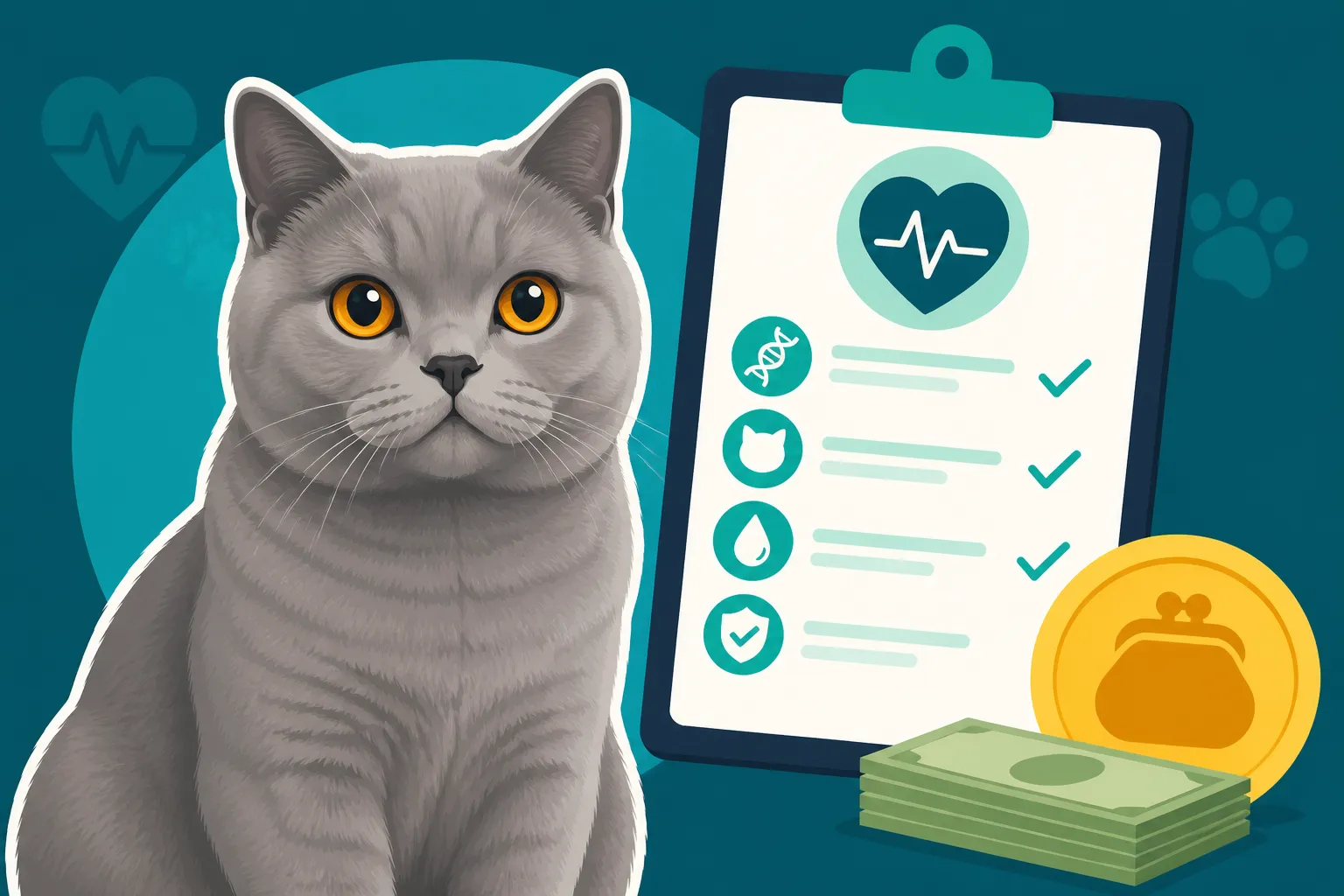
When we talk about a "full" health panel for a British Shorthair, it's not a single, one-time test. Instead, it's a comprehensive approach to health management that encompasses genetic screenings, regular veterinary check-ups, and ongoing monitoring for breed-specific conditions. The cost isn't a fixed price tag you pay once, but rather an investment spread out over their lifetime, much like our own healthcare. It’s crucial to understand that reputable breeders already invest heavily in these tests for their breeding cats, which is often reflected in the initial kitten price.
What Does "Full" Even Mean?
For a British Shorthair, "full" means looking beyond just the immediate visible health of a kitten. It involves screening for genetic conditions known to affect the breed, even if they aren't common, and establishing a baseline for general health. This proactive approach aims to catch potential issues early, or ideally, prevent them from occurring in future generations. It's about diligence and understanding the unique genetic blueprint of your round-faced companion.
Why These Tests Are So Important
These health screenings are more than just a formality; they are vital tools for maintaining the integrity of the British Shorthair breed and ensuring individual cat welfare. Conditions like hypertrophic cardiomyopathy (HCM) or polycystic kidney disease (PKD) can significantly impact a cat's quality of life, and in some cases, shorten it drastically. By understanding the health status of a cat and its lineage, breeders can make informed decisions, and pet owners can provide targeted preventative care or early treatment. Imagine the heartbreak of discovering a serious, preventable condition years down the line that could have been identified earlier. This is why thorough screening, right from a responsible breeder, is paramount. You really want to know What a British Shorthair Breeder Should Have Tested before you even bring your kitten home.
The Initial Kitten Panel Versus Ongoing Screening
The initial health panel typically refers to the tests performed on breeding cats and sometimes on the kittens themselves before they go to their new homes. This includes genetic tests that confirm a cat's status for certain inherited diseases. However, a "full" health picture extends far beyond that. Many conditions, particularly cardiac ones, require ongoing screening throughout a cat's life. This means that while a kitten might come from a clear line, regular check-ups and specialized tests will still be necessary as they mature. It's a journey, not a destination, when it comes to keeping your British Shorthair in tip-top shape.
Essential Genetic and Cardiac Screenings: The Big Ticket Items
When delving into the costs of a British Shorthair health panel, specific tests stand out due to their importance and the specialized nature of the diagnostic process. These are the tests that truly get to the heart of breed-specific health concerns.
HCM Screening: The Ongoing Echo Investment
Hypertrophic Cardiomyopathy (HCM) is a heartbreaking genetic heart condition that unfortunately affects many cat breeds, including British Shorthairs. Unlike some other genetic conditions, there isn't a universally accepted DNA test for British Shorthair HCM, though there is for other breeds like Maine Coons. This means the primary screening method is a cardiac ultrasound, known as an echocardiogram.
A board-certified veterinary cardiologist performs this ultrasound, carefully examining the thickness of the heart muscle and its function. This isn't a one-and-done deal; cats used for breeding need to be screened annually or biennially throughout their breeding careers. Pet British Shorthairs should also have initial screenings and potentially follow-up echoes, especially if a heart murmur is detected or if there's any family history of HCM. The cost for a single echocardiogram can be a significant investment, varying widely depending on your location (city vs. rural veterinary practice) and the specific clinic. However, it's absolutely vital for early detection and managing the condition. Many owners find that setting aside funds specifically for this yearly appointment, as detailed in The Yearly Echo That Replaces a British Shorthair Gene Test, is a non-negotiable part of responsible British Shorthair ownership. For more detailed information, you can learn about What a British Shorthair's Yearly Echo Costs.
PKD Testing: A Critical DNA Check
Polycystic Kidney Disease (PKD) is another inherited condition that can affect British Shorthairs, characterized by the development of fluid-filled cysts in the kidneys, which can eventually lead to kidney failure. Thankfully, unlike HCM, there is a reliable DNA test for PKD. This test can definitively determine if a cat is clear, a carrier, or affected by the disease.
The PKD DNA test is usually a one-time expense for a breeding cat. It's a buccal swab (cheek swab) that is sent to a specialized veterinary genetics laboratory. The cost is generally much lower than an echocardiogram, but it provides incredibly valuable information. A kitten from parents who have both been DNA-tested as clear for PKD will also be genetically clear, meaning they won't develop the disease or pass it on. This is a crucial distinction and a major relief for owners. It's important to understand What Polycystic Kidney Disease Does to a British Shorthair to appreciate the value of this simple, yet powerful, test. Knowing Whether a British Shorthair Should Be PKD Tested is a question with a clear answer: absolutely, especially if you're getting a kitten, their parents should be tested. You'll want to review What the British Shorthair PKD Test Costs when planning for this.
Blood Typing: More Than Just for Breeders
While often associated with breeding programs to prevent neonatal isoerythrolysis (a life-threatening condition in kittens), knowing your British Shorthair's blood type can be incredibly useful for any owner. British Shorthairs have a higher incidence of Blood Type B compared to many other breeds. In an emergency situation requiring a blood transfusion, knowing your cat's blood type can save critical time and potentially your cat's life.
Blood typing can be done via a simple blood test. The cost for this is typically quite reasonable and is a one-time expense. It’s a peace-of-mind test that can have profound implications. Understanding What Blood Type B Means in a British Shorthair can highlight why this test is so important, especially for those considering breeding. For specific pricing details, consider looking into What a British Shorthair Blood Type Test Costs.
Hemophilia B: Less Common, Still Crucial
Hemophilia B is an X-linked bleeding disorder that is thankfully rare but can occur in British Shorthairs. It impairs the blood's ability to clot, leading to prolonged bleeding from injuries or even spontaneous internal bleeding. There is a DNA test available to identify carriers and affected individuals, making it another vital screening tool for responsible breeders.
Similar to PKD, the hemophilia B DNA test is a one-time cheek swab or blood sample sent to a specialized lab. While it's not as commonly discussed as HCM or PKD, a truly "full" health panel, especially for breeding cats, should include this genetic screening. The cost is comparable to other DNA tests and is a small price to pay for the assurance that your cat won't suffer from this debilitating condition or pass it on to future generations. For more information, you can investigate Whether a DNA Test for British Shorthair Hemophilia Exists.
Here's a quick overview of these key health panel components and their general cost considerations:
| Test/Screening | Purpose | Type of Test | Frequency | Cost Consideration |
|---|---|---|---|---|
| Echocardiogram (HCM) | Screens for Hypertrophic Cardiomyopathy (heart disease) | Cardiac Ultrasound by Cardiologist | Annual/Biennial | High, Ongoing |
| PKD DNA Test | Screens for Polycystic Kidney Disease (kidney disease) | Cheek Swab/Blood (DNA) | One-time | Moderate |
| Blood Typing | Identifies blood group for transfusions, breeding | Blood Test | One-time | Low to Moderate |
| Hemophilia B DNA Test | Screens for Hemophilia B (bleeding disorder) | Cheek Swab/Blood (DNA) | One-time | Moderate |
Beyond the Basics: Comprehensive Wellness Over Time
A "full" health panel isn't just about genetic predispositions; it's about a holistic approach to your British Shorthair's well-being throughout their life. This includes routine preventative care and understanding how daily choices impact their health.
Annual Vet Visits and Basic Bloodwork
Even if your British Shorthair has a perfectly clear genetic panel and no signs of HCM, regular veterinary check-ups are non-negotiable. These annual visits often include a physical exam, vaccinations, and sometimes routine bloodwork. As your British Shorthair ages, these yearly blood panels become even more critical, monitoring organ function (kidneys, liver, thyroid) and looking for any early indicators of age-related issues. These routine costs, while not as dramatic as a specialist echo, add up over a cat's potential The Twelve to Seventeen Years a British Shorthair Gets.
These appointments are also where your vet can discuss diet, weight management, and any behavioral changes you might have noticed. Think of them as preventative maintenance for your furry vehicle. The cost for an annual wellness exam and basic bloodwork is usually much less than specialized tests, but consistent adherence to this schedule is key to catching problems before they become major. You can also explore What the British Shorthair Health Screening Costs in a broader sense that includes these annual checks.
The Role of Diet and Lifestyle in Long-Term Health
Beyond diagnostics, a crucial part of a British Shorthair's "full" health panel is actually their day-to-day care, particularly their diet and activity levels. British Shorthairs are notoriously prone to Obesity Is the British Shorthair's Real Disease. An overweight cat is at higher risk for conditions like diabetes, arthritis, and liver issues, which can then lead to substantial veterinary bills.
Investing in high-quality, species-appropriate food can significantly contribute to their long-term health. Some owners opt for premium kibble, while others explore fresh food options. The cost of such food might be higher upfront, but it can pay dividends in preventative health, potentially reducing future medical expenses. Similarly, encouraging even a little daily activity can prevent weight gain and keep joints healthy. Even a calm British Shorthair benefits from interactive play to stay active. Products and supplements found on sites like Chewy can help you manage your cat's diet and provide enrichment.
Understanding Regional Cost Differences
It's really important to remember that veterinary costs are not uniform across the board. What a full British Shorthair health panel costs in a bustling metropolitan area, say, New York City or Los Angeles, will likely be significantly higher than in a smaller town or rural area. Specialty clinics, like those with board-certified cardiologists, often have higher fees than general practices.
When you're researching costs, make sure you're getting estimates from clinics in your actual geographic region. It's perfectly acceptable, and actually encouraged, to call a few different veterinary practices or specialty clinics to inquire about their pricing for specific tests like echocardiograms or DNA panels. This way, you can get a more realistic picture of what you should expect to pay where you live.
Managing the Costs: Strategies for British Shorthair Owners
The potential costs of a comprehensive health panel and ongoing care can seem daunting, but there are proactive steps you can take to manage these expenses without compromising your British Shorthair's health.
The Value of a Reputable Breeder and Early Screening
This might seem like a tip for before you even get your cat, but it's fundamentally connected to managing future health costs. Purchasing a British Shorthair from a reputable breeder who performs all recommended health screenings on their breeding animals is perhaps the best preventative measure you can take. They invest in the genetic testing for PKD and Hemophilia B, and regular echocardiograms for HCM on their breeding cats. This upfront cost in the kitten price saves you the anxiety and potential expense of discovering these conditions later.
A good breeder will be transparent with their health records and provide you with copies of the parents' (and sometimes the kitten's) test results. If a breeder can't or won't provide this information, it's a huge red flag and could lead to significant financial and emotional heartache down the road. Understanding Whether a British Shorthair Breeder Shows Echo Results and other test results is crucial when making your choice.
Pet Insurance: A Financial Lifeline?
For many owners, pet insurance can be an absolute game-changer when it comes to managing the unexpected, and sometimes expected, costs of a "full" health panel and ongoing care. Policies vary widely, but most cover a significant percentage of veterinary bills for accidents, illnesses, and sometimes even routine wellness.
When choosing a policy, read the fine print carefully. Look for coverage that includes breed-specific conditions like HCM (many policies have waiting periods or exclusions for pre-existing conditions). Companies like Healthy Paws are well-known in the pet insurance space and offer various plans. While there's a monthly premium, the peace of mind knowing you can afford the best care for your British Shorthair, even for major conditions that might arise, is invaluable. This is especially true for those expensive, ongoing treatments or emergencies. You can learn more about Insuring a British Shorthair to help you decide if it's right for you.
Budgeting for the Unexpected
Even with the best breeder and pet insurance, it's wise to have an emergency fund specifically for your cat. No plan covers everything, and unexpected situations can still arise. This fund can cover deductibles, treatments not fully covered by insurance, or specialist consultations. Setting aside a small amount each month into a dedicated savings account can build up a cushion over time.
Think about it like this: your British Shorthair is a beloved family member. Just as you budget for your own healthcare, you should budget for theirs. This preparedness ensures that when a health issue arises, your primary concern can be your cat's well-being, not the strain on your wallet. A combination of informed choices from the start, preventative care, and financial planning will set your British Shorthair up for a long, healthy, and happy life.
Disclaimer
This article is for general informational purposes only and does not constitute professional advice. Laws, prices and regulations vary by location and change over time. Consult a qualified professional for guidance on your specific situation.