What a Golden Shaded British Shorthair Costs
Finding a British Shorthair kitten can be an exciting journey, but when you set your heart on a specific, less common coat color like the stunning Golden Shaded, the questions about cost often become even more pronounced. It's easy to feel a bit lost in the varied price tags you might encounter, wondering if you're paying for true quality or just a trendy color. This comprehensive guide is here to demystify the factors that influence the price of a Golden Shaded British Shorthair, from their unique genetics to the ongoing commitment of their care, ensuring you're well-informed for this significant investment.
The Unique Appeal and Rarity of the Golden Shaded British Shorthair
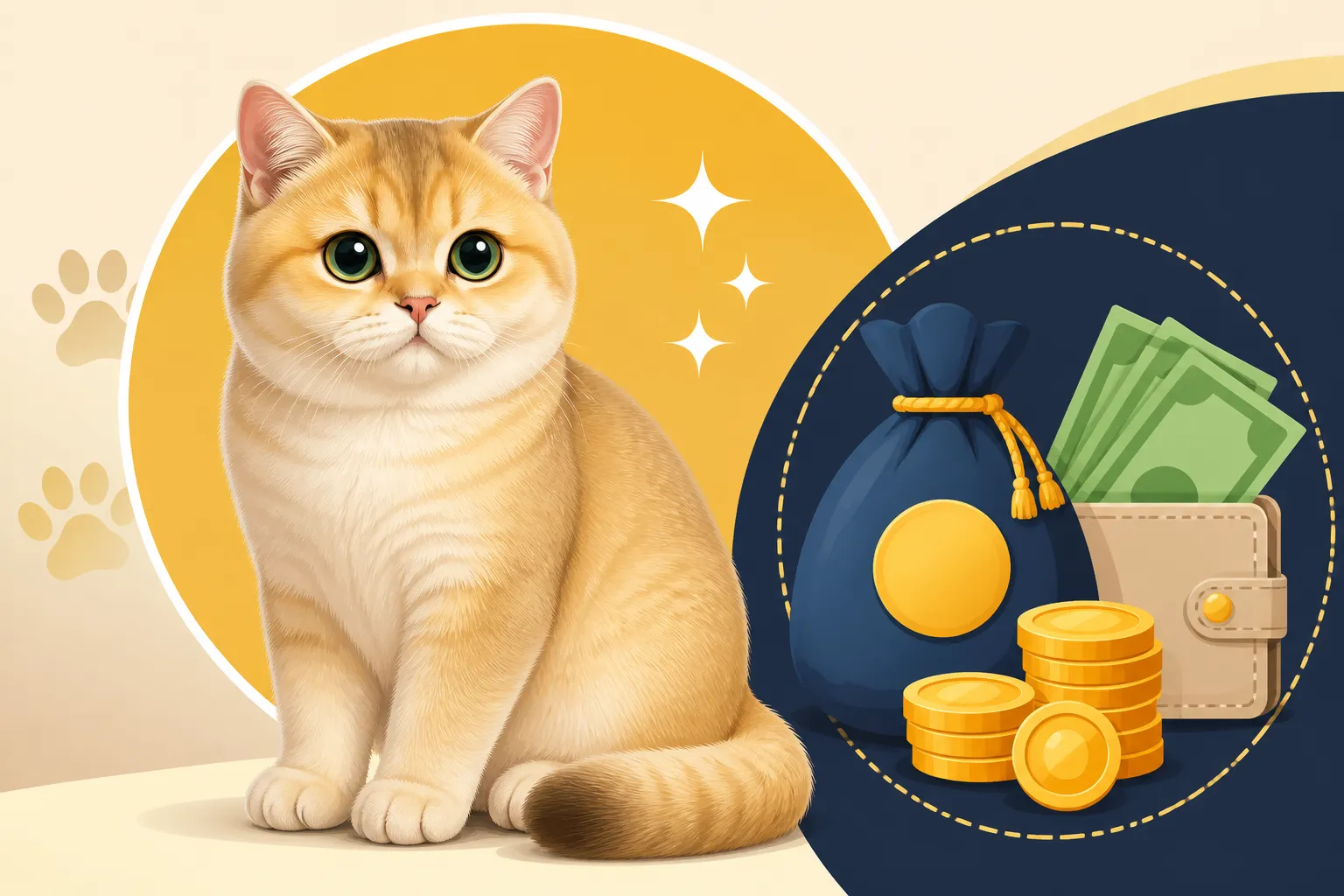
Let's be honest, the Golden Shaded British Shorthair is simply breathtaking. That warm, luminous shimmer over their dense, plush coat is truly captivating, a far cry from the more commonly recognized solid blues. This distinct appearance immediately sets them apart, and like anything rare and beautiful, it often comes with a higher price tag. It's not just about aesthetics, though; there's a fascinating genetic story behind that golden glow, which contributes significantly to their cost.
Unpacking the Golden Shaded Aesthetic
Imagine a cat whose fur seems to catch the light and glow from within. That's the magic of a Golden Shaded British Shorthair. Their coats aren't just one solid color; instead, each hair is tipped with a vibrant golden hue, while the undercoat remains a softer, often lighter, creamy tone. This shading can vary from a deep, rich apricot gold to a lighter, more ethereal shimmer, depending on the specific genetics at play. It's a subtle elegance that evolves as the kitten matures, often deepening in intensity, creating a living work of art. This sophisticated coloring is a testament to careful selective breeding over many generations.
The Genetic Puzzle and Breeding Challenges
Achieving the perfect Golden Shaded British Shorthair is far from simple. It involves a complex interplay of genes, including those for red (which creates the golden undertones), inhibitors (which suppress the darker pigment, allowing the shading to come through), and wide band genes (which restrict pigment to the tips of the hair). Breeders must possess a deep understanding of feline genetics to consistently produce kittens with the desired golden shade, alongside maintaining the breed's signature robust build, round face, and expressive copper eyes. This isn't a color you get by accident; it's the result of meticulous planning and a sophisticated breeding program. The specific genetic combinations required mean that litters are often smaller, and not all kittens will carry the ideal golden shading, making successful offspring more valuable.
Why Rarity Drives Up Demand and Price
Think about supply and demand in any market – the rarer something is, the more people are often willing to pay for it. The Golden Shaded British Shorthair is a prime example of this phenomenon in the feline world. While the classic "British Blue" is incredibly popular and widely recognized, colors like golden shaded are less common. This limited availability means longer waiting lists for potential owners and, consequently, higher prices. Breeders who specialize in these unique colors invest significant time, effort, and resources into perfecting their lines, conducting genetic tests to ensure health and proper color expression, and often importing breeding cats from other countries to enhance genetic diversity and improve the quality of their golden programs. All of this specialized effort and limited output are reflected in the initial cost of the kitten.
Dissecting the Initial Purchase Price
When you look at the price tag of a British Shorthair kitten, especially a Golden Shaded one, it's easy to just see a number. But that number represents a significant investment by the breeder in the health, temperament, and genetic quality of their cats. It’s not simply the cost of feeding a kitten for a few weeks; it's the culmination of years of dedication, knowledge, and financial outlay. Understanding these components will help you appreciate the value behind the price. You might be surprised to learn that Why British Shorthair Prices Range So Widely.
The Non-Negotiables: Health Screening and Pedigree
Any reputable British Shorthair breeder, regardless of the kitten's color, prioritizes health. For a Golden Shaded British Shorthair, this commitment to health is paramount. The initial purchase price covers extensive health screenings for the parent cats, which can include echocardiograms to check for Hypertrophic Cardiomyopathy (HCM) – a serious heart condition – and DNA tests for Polycystic Kidney Disease (PKD). These tests are not cheap, but they are absolutely essential to ensure you're bringing home a healthy kitten with the best possible start in life. A breeder should always be transparent about their screening protocols and be able to provide documentation for both parents. Think of it this way: What a British Shorthair Breeder Should Have Tested goes a long way in preventing heartache and costly vet bills down the line. Beyond health, a purebred Golden Shaded British Shorthair will come with a verifiable pedigree, documenting their lineage and ensuring they are indeed purebred. This pedigree also confirms that the parents meet breed standards and have been registered with recognized cat associations, which is crucial for maintaining the integrity of the breed.
Breeder Reputation, Experience, and Support
The breeder you choose makes a massive difference in the cost, and more importantly, in the quality of your kitten and your experience as an owner. A highly reputable breeder who specializes in Golden Shaded British Shorthairs has likely spent years, if not decades, honing their craft. They invest in continuing education, attend shows, and maintain top-notch facilities. Their kittens are raised in a clean, stimulating home environment, well-socialized, and accustomed to household sights and sounds. This early socialization is vital for a British Shorthair's confident and calm temperament. A good breeder also provides ongoing support, answering your questions long after you've taken your kitten home. This mentorship is invaluable, especially for a first-time cat owner or someone new to the breed. Compare this to a backyard breeder who might offer a lower price but can't provide health clearances, pedigrees, or a supportive relationship. The peace of mind and the quality of a kitten from an experienced, ethical breeder specializing in these nuanced colors are well worth the investment. It's part of What a British Shorthair Kitten Costs From a Breeder.
Geographic Location and Market Dynamics
Just like real estate, the cost of a British Shorthair kitten can vary significantly based on where you live. In areas with a high demand for specific breeds or where there are fewer reputable breeders specializing in rare colors like Golden Shaded, prices naturally tend to be higher. Similarly, if a breeder has invested in importing champion lines or rare color genetics from overseas, that cost will often be factored into the kitten's price. The general cost of living in a region also plays a role, as it affects a breeder's overhead expenses, from veterinary care to facility maintenance. It's not uncommon to see different price ranges across states or even within different parts of the same country. Doing your research on local British Shorthair breeders, and those specializing in particular colors, can give you a better sense of the market dynamics in your area. For instance, sometimes traveling a bit further to a highly reputable breeder, even if their initial price is slightly higher, can save you money and heartache in the long run by ensuring you get a healthy, well-adjusted kitten.
The Ongoing Commitment: Lifetime Costs of Ownership
While the initial purchase price of a Golden Shaded British Shorthair might be a significant number, it's truly just the first step in the financial commitment. Owning any pet, especially a beloved purebred like a British Shorthair, comes with a lifetime of ongoing expenses. These costs are consistent across all colors of the breed, but it's crucial to factor them into your budget before you bring your golden companion home. Remember, your British Shorthair will be with you for The Twelve to Seventeen Years a British Shorthair Gets, and consistent care is key to a long, healthy life.
Sustaining Health Through Nutrition and Preventative Care
One of the biggest ongoing costs for any cat owner is food, and for a British Shorthair, quality nutrition is non-negotiable. These cats are known for their sturdy build, but they can be prone to weight gain if not managed properly. Investing in high-quality, protein-rich cat food is essential to support their muscle mass and overall health. You might consider premium brands found on sites like Chewy, which offer a wide variety of options from kibble to wet food, and even specialized prescription diets if recommended by your vet. Whatever type of food you choose, the key is finding a balanced diet that meets your cat's specific needs. Feeding a British Shorthair That Will Eat Whatever You Put Down isn't just about quantity; it's about quality and portion control to prevent health issues like obesity. Beyond food, regular preventative care includes annual veterinary check-ups, vaccinations, parasite control (fleas, ticks, worms), and dental care. These routine visits are vital for catching potential health issues early.
Protecting Your Investment: Veterinary Expenses and Insurance
Even with the best breeding and preventative care, unexpected veterinary expenses can arise. British Shorthairs, like all breeds, can encounter health issues as they age, such as arthritis or hyperthyroidism, or even unforeseen accidents. This is where pet insurance becomes a critical consideration. Companies like Healthy Paws offer various plans that can help mitigate the financial burden of emergency treatments, surgeries, or chronic disease management. While the monthly premium is an additional cost, having insurance can provide immense peace of mind, allowing you to make medical decisions based on what's best for your cat, rather than solely on your wallet. For specific breed concerns like HCM, while there's no DNA test, regular cardiac screening is recommended. Knowing What a British Shorthair's Yearly Echo Costs can help you budget for these essential preventative measures, whether or not you have insurance.
Daily Essentials and Enrichment for a Content Cat
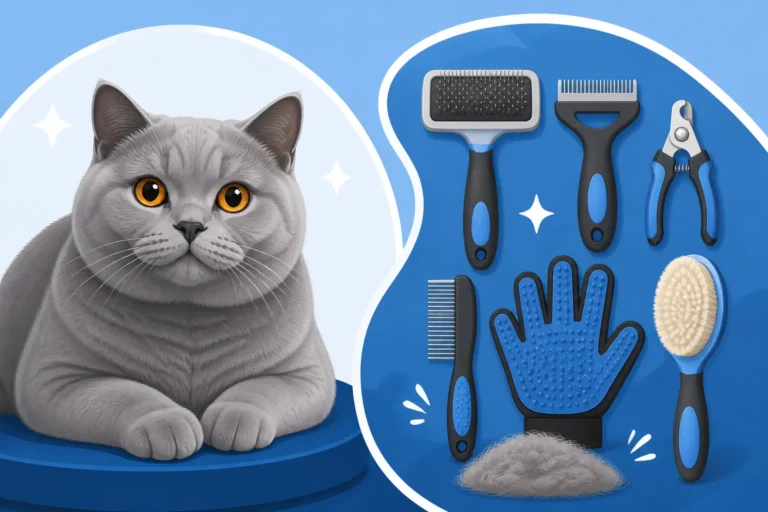
Beyond food and vet bills, there are numerous daily and recurring costs. This includes a good quality litter, a sturdy litter box (or several, given their size!), and regular grooming tools like a robust comb to manage their dense coat. While British Shorthairs are generally low-maintenance in terms of active play, they still need mental and physical enrichment. Providing sturdy scratching posts, interactive toys, and comfortable resting spots is important for their well-being. Although they might appear to be What a British Shorthair Does All Day (which is mostly sleep and lounge!), having appropriate outlets for their natural instincts can prevent behavioral issues and keep them healthy. Don't forget the occasional treats, which can be a valuable tool for bonding and training, but should be given in moderation to avoid weight gain.
Smart Shopping: Finding Your Golden Shaded British Shorthair
Navigating the world of cat breeders, especially when you're looking for a specific and somewhat rare color like the Golden Shaded British Shorthair, can feel overwhelming. It’s important to approach the process with a clear head, knowing what questions to ask and what red flags to watch out for. Your goal is not just to find a Golden Shorthair, but to find a healthy, well-adjusted one from an ethical source that will be a loving member of your family for years to come.
Identifying Reputable Breeders and Asking the Right Questions
The first and most crucial step is to seek out reputable breeders. Start by looking for breeders who are registered with recognized feline associations (like TICA, CFA, or GCCF). These breeders adhere to a code of ethics and breed standards, which is a good indicator of quality. When you find a potential breeder, don't hesitate to ask a multitude of questions. Inquire about the health testing they conduct on their breeding cats, specifically asking about HCM echoes and PKD DNA tests. A good breeder will be happy to share results and explain their health protocols. Ask about the kitten's parents, their temperaments, and their living conditions. It's also wise to ask Whether a British Shorthair Breeder Shows Echo Results. You should also inquire about the kitten's socialization process, how they are raised, and what vaccinations they will have received before coming home. Don't be afraid to ask about their experience specifically with Golden Shaded lines and what makes their program unique for this color.
Decoding Contracts, Deposits, and Waiting Lists
Once you've found a breeder you're comfortable with, expect to sign a contract and place a deposit. A comprehensive contract is a sign of a professional breeder. It should outline important details such as health guarantees, spay/neuter requirements (most reputable breeders sell pet kittens on a strict spay/neuter agreement), vaccination schedules, and what happens if for some unforeseen reason you cannot keep the cat in the future. The deposit reserves your spot for a kitten, and given the rarity and demand for Golden Shaded British Shorthairs, you should anticipate a waiting list. Patience is key here; a longer wait usually means a more sought-after and responsible breeder. Don't be rushed into making a decision, and make sure you understand all clauses in the contract before signing.
Recognizing Red Flags in the Search for Your Kitten
While the desire for a Golden Shaded British Shorthair is strong, it's vital to stay vigilant against unscrupulous sellers. Be wary of breeders who offer kittens at significantly lower prices than the market average without clear explanations, or those who pressure you for a quick sale. A major red flag is any breeder unwilling to provide health clearances for the parents or who seems hesitant to let you visit their cattery or see the kitten's living environment. Avoid any seller who promises a kitten is "rare" or "exclusive" without the backing of verifiable pedigree or health testing. Breeders who advertise "designer" or "hybrid" cats that aren't recognized by major associations, or who seem to breed purely for profit without regard for breed standards or animal welfare, should also be avoided. Remember, if a price seems too good to be true for a Golden Shaded British Shorthair, it almost certainly is. The short-term savings could lead to long-term heartbreak and substantial veterinary bills.
Disclaimer
This article is for general informational purposes only and does not constitute professional advice. Laws, prices and regulations vary by location and change over time. Consult a qualified professional for guidance on your specific situation.