Whether a British Shorthair Kitten Comes Neutered
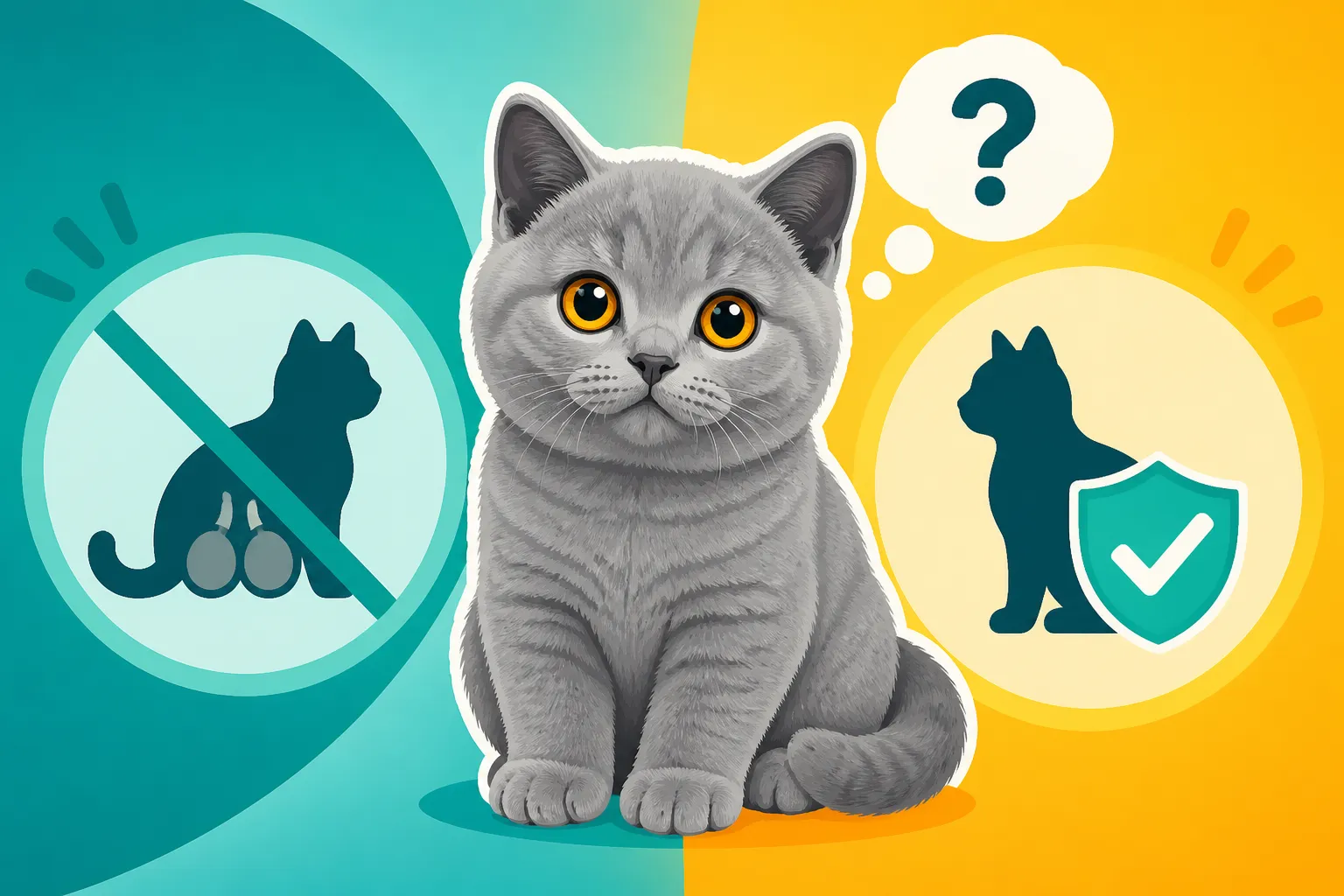
Bringing home a British Shorthair kitten is an exciting time, full of anticipation for that fluffy, round-faced companion. But one question that often causes a little confusion, especially for first-time British Shorthair owners, is whether your adorable new fluffball will arrive already spayed or neutered. It’s a completely valid question, and the answer can sometimes feel a bit murky if you're not familiar with the practices of responsible breeders. This guide will walk you through what to expect when it comes to the sterilization status of your British Shorthair kitten, explaining why ethical breeders typically ensure this is handled before your kitten even leaves their care.
The Standard Practice of Early Spay/Neuter in British Shorthairs
For the vast majority of reputable British Shorthair breeders, your kitten will indeed come to you already spayed or neutered. This might surprise some folks who remember a time when kittens went home at eight weeks, and the new owners were then responsible for the procedure at six months or so. However, ethical breeding practices have evolved considerably, and early spay/neuter has become the widely accepted standard, particularly for kittens sold as pets. It’s a testament to a breeder's commitment to the welfare of their animals and the future of the breed.
Why Breeders Opt for Early Spay/Neuter
There are several compelling reasons why responsible British Shorthair breeders prioritize early spay/neuter. Firstly, it's about population control and preventing accidental litters. An intact cat can breed surprisingly young, and an accidental pregnancy can be a huge burden, both financially and emotionally, on new owners who weren't prepared for it. By spaying or neutering before placement, breeders ensure that their kittens will only contribute to the gene pool if they are specifically chosen for a responsible, health-tested breeding program, not by chance.
Secondly, there are significant health and behavioral benefits for the individual cat. Spaying a female before her first heat cycle dramatically reduces her risk of mammary cancer and completely eliminates the risk of uterine infections (pyometra), which can be life-threatening. For males, neutering eliminates the risk of testicular cancer and reduces the likelihood of prostatic issues. Behaviorally, neutered males are far less likely to spray urine to mark territory and tend to be less prone to aggression, roaming, and seeking out females. Spayed females also avoid the noisy, restless, and often messy heat cycles. These are all considerations that contribute to a happier, healthier pet life, and reduce the chances of a cat ending up in a shelter later on.
Finally, early spay/neuter helps protect the breeder's lines and reputation. Reputable breeders invest heavily in health testing, genetic screening, and careful selection to produce healthy, well-socialized kittens. They want to ensure their kittens go to loving pet homes and are not used for unethical backyard breeding or inadvertently contribute to the pet overpopulation problem. Requiring sterilization upfront ensures that the kitten is purely a companion animal, aligning with the "pet quality" designation they were sold under, as opposed to a "show or breeding quality" kitten which would carry a different contract and price. It also ensures that the high standards set by the breeder are maintained, preventing individuals from capitalizing on the breed's appeal without the commitment to its health and future.
What "Early" Really Means
When we talk about "early" spay/neuter, we're generally referring to the procedure being performed on kittens between eight and sixteen weeks of age, before they go to their new homes. This is often earlier than the traditional recommendation of six months, but modern veterinary medicine has largely concluded that it is a safe and effective practice for kittens. Many studies have shown that kittens recover more quickly from surgery than adult cats, often bouncing back with remarkable speed, thanks to their higher metabolism and less developed fat stores.
The veterinary community has thoroughly evaluated the risks and benefits of early-age sterilization. While any surgery carries some risk, the risks associated with early spay/neuter are generally considered minimal when performed by an experienced veterinarian. Kittens are carefully monitored under anesthesia, and recovery is often swift. They typically return to their playful selves within a day or two, often before the new owner even takes them home. This means less stress for the kitten, as they recover in a familiar environment with their littermates, and less stress for the new owner, who avoids the worry and expense of scheduling the surgery themselves. You can read more about various health concerns in our articles like Whether the British Shorthair Is a Healthy Breed or The Twelve to Seventeen Years a British Shorthair Gets, but generally, anesthesia for young, healthy kittens is well-tolerated.
What to Expect When Adopting Your British Shorthair Kitten
Understanding that early spay/neuter is the norm for ethical British Shorthair breeders helps set your expectations. When you bring your kitten home, the procedure will typically already be done, and your contract and accompanying paperwork will reflect this.
The British Shorthair Purchase Contract
A comprehensive purchase contract from a reputable British Shorthair breeder will explicitly state that your kitten is sold as a pet and has been spayed or neutered prior to placement. This contract is a legal agreement designed to protect both you, the breeder, and the kitten. It outlines the health guarantees, responsibilities of the new owner, and the terms of sale. If a kitten is too young for the procedure at the time of sale, which is rare for British Shorthairs going to pet homes, the contract will usually include a clause obligating you to have the kitten sterilized by a specific age, often around six months, and to provide proof to the breeder. However, for most British Shorthair breeders, having the kitten fixed before it leaves their home is the preferred route, simplifying things for everyone involved. You might find more details on this in What a British Shorthair Contract Says About Screening.
The contract also serves as a critical document where the breeder outlines their health testing protocols, which often include details on parental screenings for conditions like HCM or PKD. These are vital considerations when getting a kitten, and knowing the breeder has taken these steps provides immense peace of mind. It also sometimes dictates specific nutrition requirements or provides recommendations for things like pet insurance. Services like Healthy Paws can be invaluable for unexpected veterinary costs, and some breeders might even provide initial coverage offers as part of their kitten package.
Proof of Sterilization
When you pick up your British Shorthair kitten, you should receive a packet of information that includes veterinary records. This will typically contain a certificate from the veterinarian who performed the spay or neuter, detailing the date of the procedure and confirming its completion. This is your official proof. In some cases, the kitten might also have a small tattoo on their abdomen (often a green line) or a microchip record that indicates they have been spayed or neutered. The microchip itself, which is a tiny chip injected under the skin between the shoulder blades, is also usually implanted at the time of the procedure, ensuring your kitten can be identified if lost. This microchip registration information should also be transferred to your name as the new owner.
These documents are not just formalities; they are important records for your kitten’s future veterinary care. Your new vet will want to see these records, along with vaccination history and deworming dates. A responsible breeder will always provide a complete set of records, showcasing their dedication to their kittens' health and well-being. This is part of the transparency that breeders offer, as discussed in Whether a British Shorthair Breeder Shows Echo Results or Which Health Results a British Shorthair Breeder Must Show.
Exceptions and Considerations
While early spay/neuter is the predominant practice, it's always good to be aware of potential exceptions or specific circumstances you might encounter. These are less common with reputable British Shorthair breeders but can occur.
When a British Shorthair Might Not Be Neutered
The primary reason a British Shorthair kitten might not come already neutered is if it is being sold as a show or breeding prospect. These kittens are purchased with a different type of contract, usually at a higher price, and with strict conditions about future health testing, showing, and breeding practices. However, these sales are almost exclusively made to other established, reputable breeders, not to general pet owners. If you are offered an unneutered British Shorthair kitten for a pet price, and the breeder does not have a comprehensive, well-documented reason that aligns with ethical practices, it should raise a red flag. Always be cautious and do your research; a truly dedicated breeder will explain their policies thoroughly.
Another rare scenario might be a kitten that had a medical condition preventing immediate surgery, or a breeder who, for their own reasons, prefers a slightly later sterilization. In such cases, the contract becomes even more crucial, clearly outlining your responsibility to complete the procedure by a specified age and to provide veterinary proof. Be prepared for this possibility by discussing it upfront with your breeder and budgeting for the cost of the surgery.
The Impact on Growth and Development
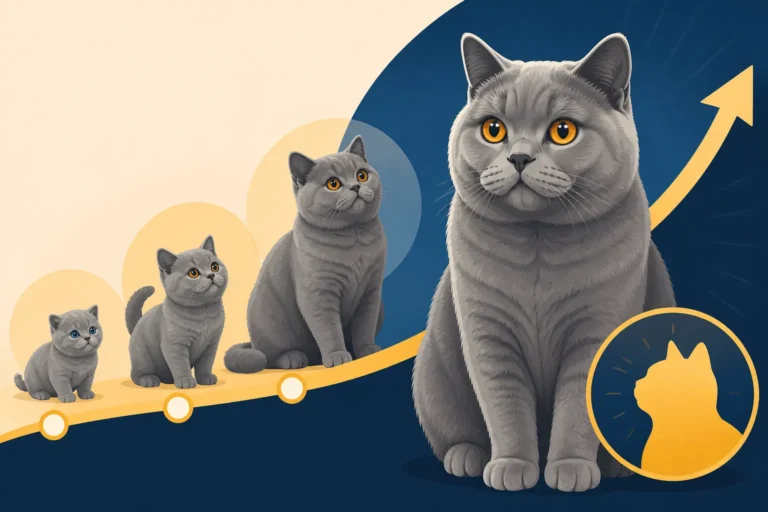
For many years, there was a common belief that early spay/neuter could "stunt" a cat's growth or negatively impact their development. The theory was that hormones were essential for reaching full size and maturity. However, extensive research and practical experience have largely debunked these myths, especially for felines. Kittens sterilized early generally reach the same adult size as those spayed or neutered later, although they may retain a slightly more kitten-like appearance for longer. In fact, some studies suggest that cats spayed or neutered early may even grow slightly larger or taller because the growth plates in their bones close later due to the absence of sex hormones. This difference is usually negligible from a pet owner's perspective.
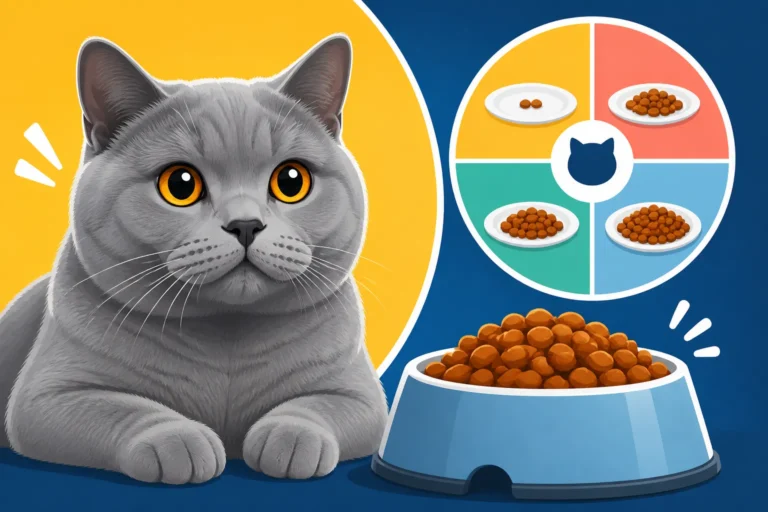
What is true is that neutered cats, particularly males, can be prone to weight gain, as their metabolism often slows down after the surgery. This is something British Shorthair owners need to be particularly mindful of, as the breed is already predisposed to obesity due to their calm nature and love for food. It’s critical to monitor their food intake and encourage play from a young age to prevent them from becoming overweight. Products found on Chewy or specialty pet stores, like measured feeding bowls or puzzle feeders, can be really helpful here. You can learn more about managing their weight in Obesity Is the British Shorthair's Real Disease or Why a British Shorthair Gains Weight So Easily.
The Financial and Practical Implications for Owners
Understanding the common practice of early spay/neuter has some very real financial and practical benefits for you as a new British Shorthair owner. It removes a significant item from your initial to-do list and helps you budget more effectively.
Cost Savings for the New Owner
One of the most immediate and tangible benefits of your British Shorthair kitten arriving already spayed or neutered is the direct cost savings. Veterinary surgeries, especially elective ones like spay/neuter, can be quite expensive. The cost varies widely depending on your location, the specific vet clinic, and whether it’s a male or female (spays are generally more involved and thus more expensive than neuters). By having the breeder handle this, you're essentially getting a major veterinary procedure included in the initial purchase price of your kitten, saving you hundreds of dollars that you can then put towards other essential kitten supplies, premium food, or perhaps a comprehensive pet insurance plan.
This upfront investment by the breeder reflects the true value and care they put into their kittens. It's a clear indicator that they are not cutting corners and are committed to ensuring a healthy start for their furbabies. Think of it as one less major veterinary bill to worry about in that exciting, but sometimes overwhelming, first few months with your new companion. You can find more financial details in What a British Shorthair Costs to Buy in 2026 and What a British Shorthair Kitten Costs From a Breeder.
Preparing for an Unneutered Kitten If Applicable
While rare with reputable British Shorthair breeders, if you find yourself in a situation where your kitten is not yet spayed or neutered, you need to be prepared. This usually means you’ve signed a contract stipulating that you will have the procedure done by a certain age. Your first step should be to schedule an appointment with your veterinarian well in advance. They can provide a specific timeline and discuss pre-surgical bloodwork and any other necessary preparations.
During the period before the surgery, you’ll need to be extra vigilant. Intact males can begin to spray urine as they approach sexual maturity, and females can go into heat, which involves loud vocalizations and sometimes messy discharge. This can be disruptive to a household, and it's essential to prevent accidental pregnancies. If you have other intact cats, particularly males, you'll need to strictly separate them to avoid unwanted litters. Being prepared for these possibilities, both behaviorally and financially for the upcoming vet bill, is crucial for a smooth transition. Remember, a British Shorthair kitten grows quite a bit, as explored in How Long a British Shorthair Takes to Fill Out, so don't underestimate their ability to mature rapidly.
| Feature | British Shorthair Kitten Comes Neutered (Standard Practice) | British Shorthair Kitten Is Unneutered (Rare for Pets) |
|---|---|---|
| Veterinary Costs | Included in purchase price | Additional cost for owner |
| Health Benefits | Reduced risk of mammary cancer (females), testicular cancer (males), pyometra | Owner must ensure procedure is done to gain benefits |
| Behavioral Benefits | Reduced spraying, roaming, aggression; no heat cycles | Risk of spraying, roaming, heat behaviors until procedure |
| Contractual Obligation | Proof of procedure included | Owner obligated to perform procedure by certain age |
| Risk of Accidental Litters | Eliminated | High, requires strict management |
| Recovery Period | Occurs at breeder's home, less stress for owner | Owner responsible for post-op care |
| Paperwork | Vet certificate of sterilization, microchip details included | Contract specifies owner's responsibility, later vet certificate |
In conclusion, the practice of British Shorthair breeders sending their kittens home already spayed or neutered is a modern standard driven by responsible care and a commitment to the breed's future. It's a positive sign of an ethical breeder and provides numerous benefits, from health and behavior to convenience and cost savings for you, the new owner. So, when you bring home your fluffy, round-faced companion, you can rest assured that one very important health step has already been taken, allowing you to focus entirely on loving and enjoying your newest family member.
Disclaimer
This article is for general informational purposes only and does not constitute professional advice. Laws, prices and regulations vary by location and change over time. Consult a qualified professional for guidance on your specific situation.