Whether a British Shorthair Calms After Neutering
Living with an unneutered British Shorthair, especially a male, can be a rollercoaster of emotions for owners. You might find yourself constantly cleaning up sprayed urine, enduring sleepless nights filled with incessant yowling, or worrying about escape attempts driven by instinct. It's enough to make you wonder if your normally placid, teddy-bear-like companion will ever truly settle down. This comprehensive guide aims to address that burning question: whether neutering truly "calms" a British Shorthair, what realistic changes you can expect, and how to understand the difference between hormone-driven behaviors and their inherent, charming personality traits.
Unpacking the "Calming" Effect of Neutering on British Shorthairs
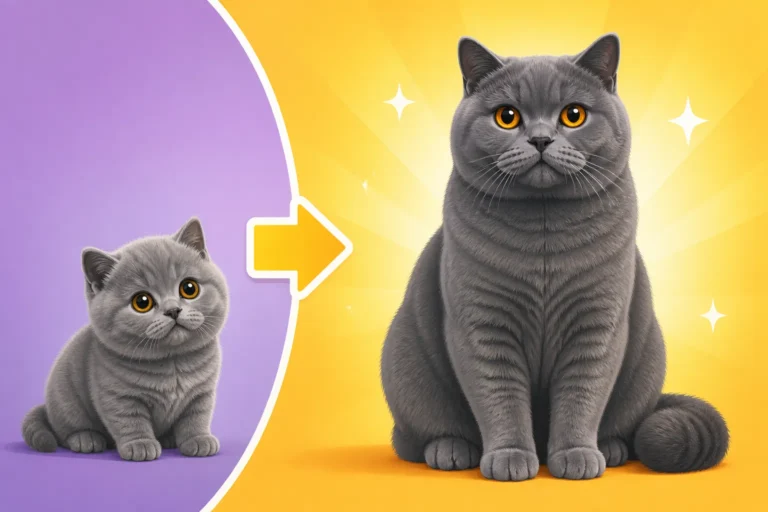
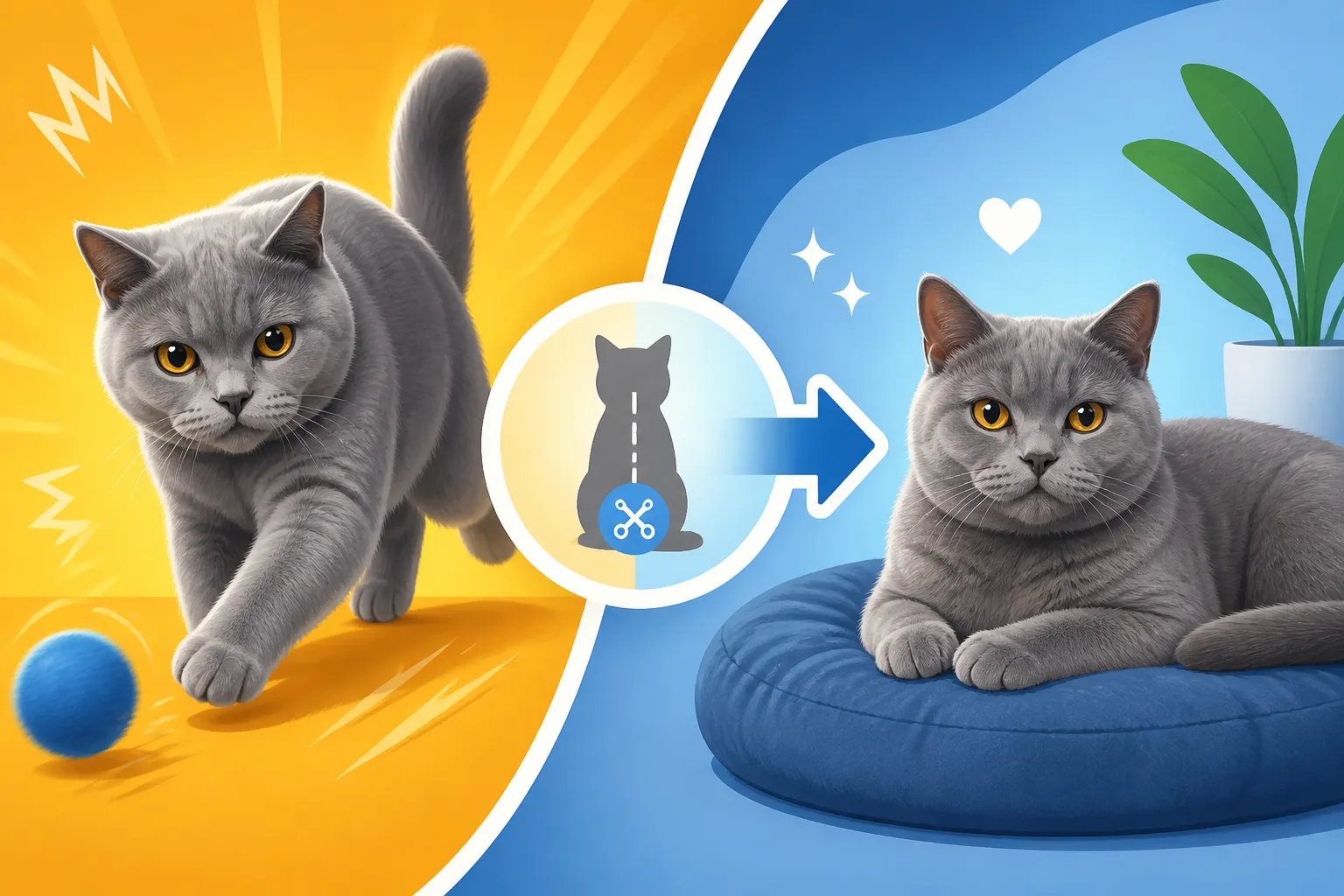
The idea that neutering will magically transform a hyperactive or unruly cat into a zen master is a common misconception across many breeds, and the British Shorthair is no exception. However, for a British Shorthair, which is already known for its calm and laid-back disposition, neutering primarily addresses behaviors driven by reproductive hormones rather than fundamentally altering their inherent personality. It's less about turning a wild cat into a tame one, and more about removing the biological imperatives that can cause significant distress for both the cat and the household.
The Hormone Factor in Intact Male British Shorthairs
For an intact male British Shorthair, hormones, specifically testosterone, play a huge role in their behavior. This isn't just about mating; it's about claiming territory, establishing dominance, and the primal drive to seek out females. A male driven by these hormones might seem restless, always on edge, and certainly not the tranquil companion you envisioned.
Testosterone is the primary culprit behind many frustrating male cat behaviors. It fuels the intense desire to mark territory with strong-smelling urine, a behavior known as spraying. Imagine your beautiful, plush British Shorthair lifting his tail and spraying a pungent mist on your walls, furniture, or even your favorite rug – it's a harsh reality for many who choose not to neuter. This isn't out of spite; it's a deeply ingrained biological communication. Furthermore, intact males are often compelled to roam, seeking out mates, which can lead to dangerous outdoor adventures, fights with other male cats, and a higher risk of injury or disease. You might notice them constantly patrolling the house, or even becoming quite vocal with a low, rumbling call, particularly if a female in heat is nearby. Neutering removes this primary driver, essentially taking away the urgent biological need to breed and protect territory, which in turn leads to a significant reduction in these specific, hormone-driven actions. You might also notice a subtle change in their facial structure over time; the pronounced jowls that give intact males their formidable appearance can soften somewhat after neutering, though a British Shorthair will always retain that charming roundness. What Jowls Are on a British Shorthair
How Neutering Influences Female British Shorthair Behavior
Female British Shorthairs also undergo significant hormonal shifts if they remain unspayed, particularly when they come into estrus, or "heat." If you've never experienced a female cat in heat, be prepared for a vocal, attention-seeking performance that can last for several days, recurring every few weeks.
During a heat cycle, an unspayed female British Shorthair will become incredibly restless, often exhibiting an almost frantic energy. She'll likely be extremely vocal, emitting loud, mournful yowls that can be relentless, day and night. This isn't just a quiet meow; it's a persistent, almost siren-like call designed to attract males. She'll roll on the floor, rub against furniture and your legs, constantly seek attention, and might even adopt a mating posture when stroked along her back. This behavior, while natural, can be incredibly disruptive and stressful for both the cat and her human companions. The constant hormonal fluctuation can also make her more prone to escape attempts, driven by the instinct to find a mate. Spaying eliminates these heat cycles entirely, stopping the hormonal rollercoaster and the associated behaviors dead in their tracks. It brings a profound sense of calm to the female, freeing her from the biological imperative to breed, which in turn brings peace back to the household.
The Gradual Nature of Behavioral Changes
It's vital to set realistic expectations: neutering is not a magic wand that instantly transforms your British Shorthair. While the hormonal changes begin immediately, the behavioral shifts often take time. Hormones don't just vanish overnight; they gradually dissipate from the system, and it can take several weeks, or even a couple of months, for the full behavioral effects to become apparent.
Furthermore, some behaviors, even if initially driven by hormones, can become ingrained habits. For instance, an intact male who has been spraying for a long time might continue to do so out of habit, even after neutering, simply because he's learned that this is how he interacts with his environment. In such cases, additional behavioral modification techniques, along with thorough cleaning of previously marked areas to eliminate all scent traces, will be necessary. The age at which a British Shorthair is neutered can also play a role. Generally, neutering earlier, before undesirable behaviors become deeply entrenched, leads to a more immediate and complete resolution of those issues. A British Shorthair neutered as a young kitten is far less likely to develop spraying habits than one neutered as an adult male who has been marking territory for years. Patience, consistency, and understanding that your cat is adjusting to a significant physiological change are key during this transition period.
Specific Behaviors That Often Improve After Neutering
When you decide to neuter or spay your British Shorthair, you're primarily targeting a specific set of behaviors that are directly linked to their reproductive hormones. These are often the most challenging aspects of living with an intact cat, and for many owners, seeing these issues resolved brings immense relief and a much calmer household environment.
Eradicating Spraying and Marking
For many British Shorthair owners, the most compelling reason to neuter their male cat is to stop the dreaded spraying. Intact male cats use urine marking as a powerful form of communication, a fragrant "I was here" message for other cats. This urine is typically far more pungent and concentrated than regular urination, making it incredibly difficult to remove the smell entirely from furniture, carpets, and walls. Imagine trying to relax in your home when every so often, a strong, musky odor reminds you of your cat's territorial declaration.
Neutering significantly reduces or, in most cases, completely eliminates spraying behavior in male British Shorthairs. By removing the source of testosterone, the primary driver for this marking behavior is gone. If the cat is neutered young, before spraying becomes a deeply ingrained habit, the likelihood of it ever starting is minimal. For adult males who have already begun to spray, the behavior will often diminish substantially within a few weeks to a couple of months post-surgery. It's a real game-changer for household hygiene and your peace of mind. While less common, some female cats might also spray, particularly when in heat or under extreme stress. Spaying will prevent the heat-related spraying and can help reduce general anxiety that might contribute to marking.
Quieting the Calls for a Mate
The incessant vocalizations associated with a cat in heat can test the patience of even the most devoted cat owner. An unspayed female British Shorthair in heat will often yowl, wail, or caterwaul almost continuously, day and night, for several days. This isn't a cute little meow; it's a loud, piercing call designed to attract males from afar. This relentless vocalization is incredibly disruptive, making it difficult to sleep, work, or simply enjoy a quiet evening at home. Similarly, intact male British Shorthairs can become quite vocal, with a deeper, more insistent "singing" or calling when they sense a female in heat, sometimes for miles around.
Neutering and spaying directly address and eliminate these hormone-driven vocalizations. Once spayed, a female British Shorthair will no longer experience heat cycles, bringing an end to the desperate, loud calls for a mate. The same goes for male British Shorthairs; with the removal of testosterone, their urgent need to vocalize for breeding purposes ceases. This leads to a much quieter and more peaceful home environment, allowing both the cat and their humans to finally relax. The British Shorthair is generally a quiet breed to begin with, so these hormonal outbursts are a stark contrast to their usual demeanor. How Vocal a British Shorthair Is
Reducing Roaming and Aggression
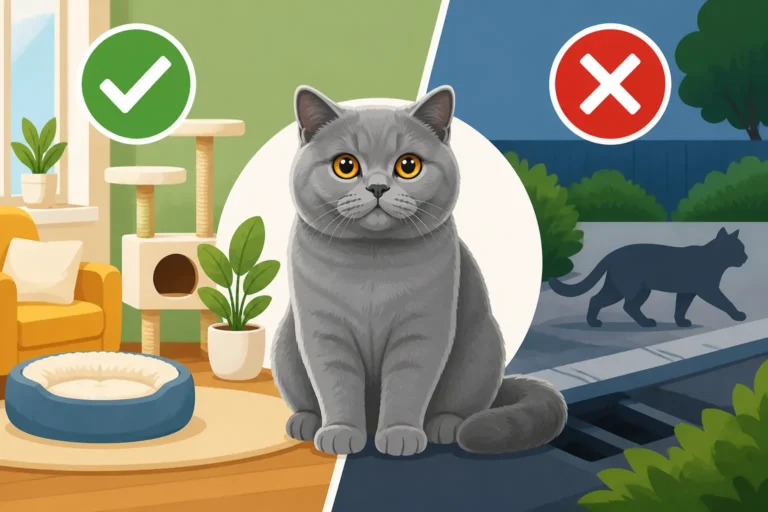
The urge to roam is incredibly strong in intact cats, particularly males. Their biological imperative is to find a mate and expand their territory. This can lead to persistent attempts to escape the house, darting out doors at every opportunity, or even destructive behavior in an effort to get outside. For British Shorthairs, who are generally considered an indoor-only breed due to their placid nature and lack of street smarts, this roaming instinct poses significant dangers from traffic, other animals, and diseases.
Beyond roaming, intact males can also exhibit more territorial aggression towards other cats, especially other intact males, both inside and outside the home. These fights can lead to nasty injuries, abscesses, and the spread of infectious diseases. While British Shorthairs are typically not an aggressive breed, the hormonal drive can sometimes override their calm nature, leading to dominance displays or clashes. Neutering dramatically reduces this urge to roam by eliminating the hormonal motivation to seek out mates. Cats become much more content to stay indoors and within their established home territory. It also significantly lowers the incidence of hormone-driven aggression, fostering a more harmonious environment if you have multiple cats. Your British Shorthair will be much more likely to remain the calm, gentle companion you expect. What a British Shorthair's Temperament Is Really Like
| Behavior Category | Before Neutering/Spaying (Intact) | After Neutering/Spaying |
|---|---|---|
| Spraying/Marking | High (males), Low/Heat-related (females) | Significantly reduced, often eliminated |
| Yowling/Calling | Moderate (males), High in heat (females) | Eliminated (related to breeding calls) |
| Roaming/Escaping | High (males), Moderate in heat (females) | Significantly reduced, more content indoors |
| Hormonal Aggression | Moderate (males, territorial fights) | Reduced, especially towards other males |
| Restlessness | High during heat/mating urges | Reduced, leading to a calmer demeanor |
| Attention-Seeking | Intense during heat cycles (females) | Returns to normal breed-specific levels |
| Metabolism | Normal | Can slow, increasing risk of weight gain |
Behaviors Neutering Won't Magically Solve
While neutering can bring about significant positive changes, it's not a panacea for all behavioral issues. It's crucial for British Shorthair owners to understand what neutering cannot fix, so they can manage their expectations and address other underlying problems appropriately. Don't fall into the trap of thinking a quick surgery will cure every quirk or challenge your cat presents.
Personality and Inherent British Shorthair Traits
Your British Shorthair's fundamental personality and breed-specific traits are largely hardwired and will not change after neutering. If your British Shorthair is naturally a quiet, independent soul who prefers to observe from a distance rather than be a lap cat, neutering won't suddenly turn them into a cuddly, attention-demanding feline. This breed is known for its dignified, somewhat reserved demeanor. They often prefer to sit near you on the sofa rather than on your lap, and many aren't fond of being picked up and carried around. A British Shorthair Sits Near You, Not On You
Neutering won't make a British Shorthair more playful if they are naturally low-energy, nor will it change their vocalization patterns if they are already a quiet cat by nature. The quiet, calm, and somewhat lazy disposition that many British Shorthair owners adore is part of their inherent charm. They will still appreciate their routine, enjoy their own space, and greet strangers with a certain degree of polite indifference. These are traits that make them who they are, regardless of their hormonal status.
Fear, Anxiety, and Stress-Related Behaviors
Behavioral problems rooted in fear, anxiety, or stress are not going to be resolved by neutering. If your British Shorthair is spraying due to a perceived threat (like a new cat outside the window), a change in routine, or an unclean litter box, removing their reproductive organs won't address the core cause of their distress. Similarly, aggression that stems from fear, pain (perhaps an underlying medical condition), or a lack of proper socialization during kittenhood will require a different approach entirely.
Imagine a British Shorthair who becomes aggressive when approached from behind because they have arthritis, or one who hides and sprays because a new dog has moved into the house. In these scenarios, the solution lies in identifying the stressor, addressing any medical issues, providing a safe and secure environment, and potentially working with a feline behaviorist. Neutering can sometimes reduce overall restlessness or tension that might exacerbate anxiety, but it won't resolve the anxiety itself. It's vital to differentiate between hormone-driven behaviors and those that are a cry for help from a stressed or fearful cat.
Activity Levels and Play Drive
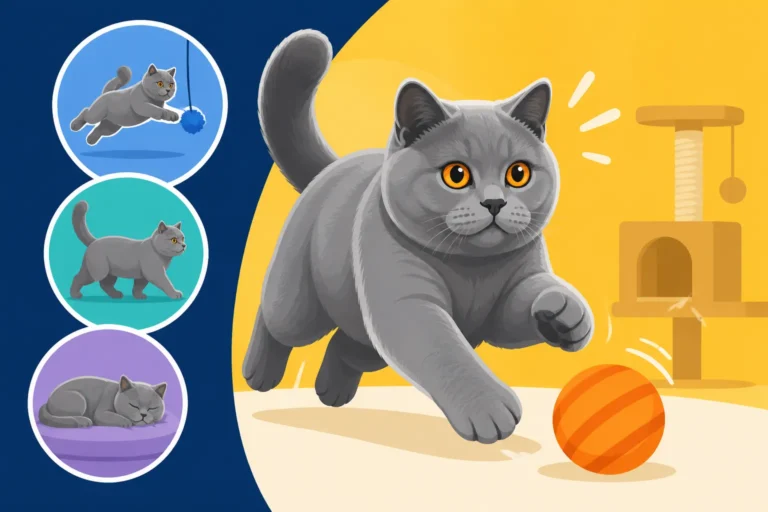
One common misconception is that neutering will make a cat less active or lazy, beyond the initial recovery period. While the absence of mating urges might make an intact male seem less restless in his pursuit of a female, neutering does not fundamentally alter a British Shorthair's innate activity level or play drive. British Shorthairs are typically not highly active cats to begin with; they are known for their calm, sedentary nature. Getting a Low Energy British Shorthair to Move They're more likely to prefer a quiet snooze in a sunbeam than an intense wrestling match.
If your British Shorthair is already a couch potato, neutering won't suddenly give them a burst of energy, nor will it make them more inclined to chase toys if they generally prefer sedate interactions. In fact, due to the metabolic slowdown that can occur after neutering, British Shorthairs become even more prone to weight gain if their diet and exercise aren't carefully managed. Why a British Shorthair Gains Weight So Easily Their already low activity levels combined with a tendency to overeat can quickly lead to obesity if owners aren't vigilant. Therefore, owners will still need to actively encourage play and manage food portions, as neutering itself isn't a solution for getting a reluctant British Shorthair to move. Play for a British Shorthair That Would Rather Not
Supporting a Calm Demeanor in Your British Shorthair Post-Neutering
Even after neutering, the journey to a truly calm and contented British Shorthair isn't solely reliant on the absence of hormones. Many factors contribute to a cat's overall well-being and demeanor, and proactive steps from you as an owner can significantly enhance their natural serenity. It’s about creating an environment that caters to their specific needs and understanding that while some issues are resolved, others require ongoing attention.
Consistent Routine and Environmental Enrichment
British Shorthairs are creatures of habit, and they thrive on routine. A predictable daily schedule for meals, playtime, and quiet interaction provides them with a sense of security and reduces stress, which in turn contributes to a calmer demeanor. Sudden changes in their environment or routine can be upsetting for these cats, sometimes manifesting as behavioral issues.
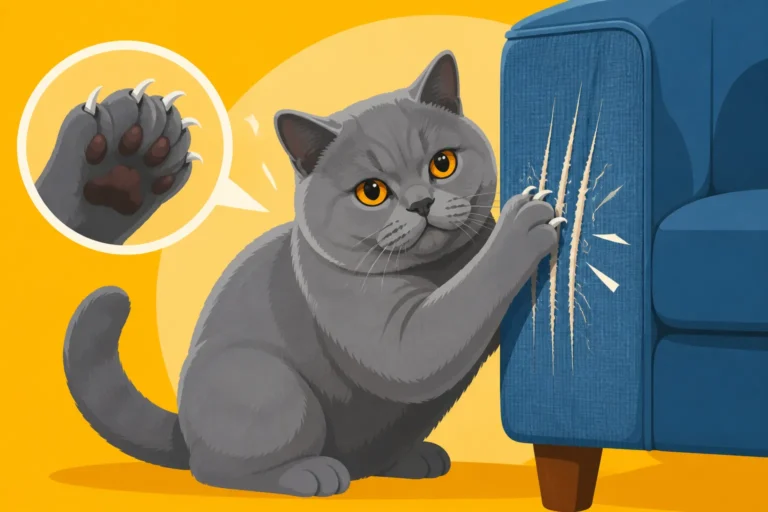
Beyond routine, environmental enrichment is crucial, especially for an indoor-only British Shorthair. While they might not be the most athletic climbers, they still benefit from vertical space like sturdy cat trees or shelves where they can observe their domain from a safe perch. Which Cat Tree a British Shorthair Uses Scratching posts are essential for claw maintenance and stress relief. Interactive toys, even simple ones you can dangle or roll, can stimulate their minds and provide gentle exercise. Don't underestimate the power of puzzle feeders, which can turn mealtime into a stimulating activity, engaging their natural hunting instincts and preventing boredom. You can find a wide variety of these on platforms like Amazon, from simple treat balls to more complex mazes. Even though they may seem lazy, mental stimulation is vital for their happiness.
Addressing Weight Management
One of the most common challenges British Shorthair owners face after neutering is managing their cat's weight. Neutering can cause a slowdown in metabolism, meaning your British Shorthair will require fewer calories to maintain a healthy weight. Couple this with their already relaxed nature and propensity for enjoying their food, and you have a recipe for potential obesity. This isn't just about aesthetics; obesity in British Shorthairs can lead to serious health issues, including diabetes, arthritis, and heart problems, which are certainly not conducive to a calm and comfortable life.
Strict portion control becomes the whole job with a British Shorthair post-neutering. Portion Control Is the Whole Job With a British Shorthair Work with your vet to determine the appropriate caloric intake for your cat's ideal weight and activity level. Invest in a reliable kitchen scale to accurately measure their food; "eyeballing it" is often where diets go awry. Regular weigh-ins at home are also crucial to monitor their progress and make adjustments as needed. How to Weigh a British Shorthair at Home Remember, a healthy weight means a healthier, more comfortable cat who can move more easily and experience less physical discomfort, which contributes greatly to their overall calm.
Patience and Positive Reinforcement
Finally, and perhaps most importantly, patience and positive reinforcement are your greatest tools in fostering a calm British Shorthair, both before and after neutering. It's easy to get frustrated when a cat isn't behaving as you'd like, but punishing unwanted behaviors is almost always counterproductive and can lead to increased stress and anxiety in your cat, often worsening the problem.
Instead, focus on rewarding the behaviors you want to see. Did your British Shorthair use the scratch post instead of the sofa? Offer a treat or gentle praise. Did they settle calmly on their bed? A quiet stroke might be appreciated. Give your cat time to adjust to their new hormonal balance and to learn new, more desirable patterns of behavior. Understand that they are individuals, and some changes might take longer than others. If you encounter persistent behavioral issues that you're struggling to address, don't hesitate to consult with your veterinarian or a qualified feline behaviorist. They can help identify underlying causes and develop a tailored plan to support your British Shorthair in becoming the most contented and calm version of themselves.
Disclaimer
This article is for general informational purposes only and does not constitute professional advice. Laws, prices and regulations vary by location and change over time. Consult a qualified professional for guidance on your specific situation.