How a British Shorthair Shows It Is Pleased
It can be surprisingly tricky to figure out what your British Shorthair is truly feeling, especially if you're used to more overtly affectionate or vocal cat breeds. They have a reputation for being quite stoic and independent, which sometimes leaves owners wondering if their furry companion is actually happy or just tolerating their presence. This guide will help you decode the subtle, and sometimes not-so-subtle, signals your British Shorthair uses to communicate that they are indeed feeling pleased, content, and completely at ease in your home.
The Subtle Language of a Content British Shorthair
British Shorthairs aren't always going to jump on your lap and purr loudly, or rub against your legs incessantly. Their affection and contentment often come in more understated packages. Learning to recognize these subtle cues is key to truly understanding your cat and strengthening your bond. It's about tuning into their unique wavelength.
Body Language Speaks Volumes
The way a British Shorthair carries itself, how it positions its tail, and even the set of its ears can tell you a great deal about its mood. A truly pleased British Shorthair will exhibit a relaxed, open posture that communicates comfort and trust.
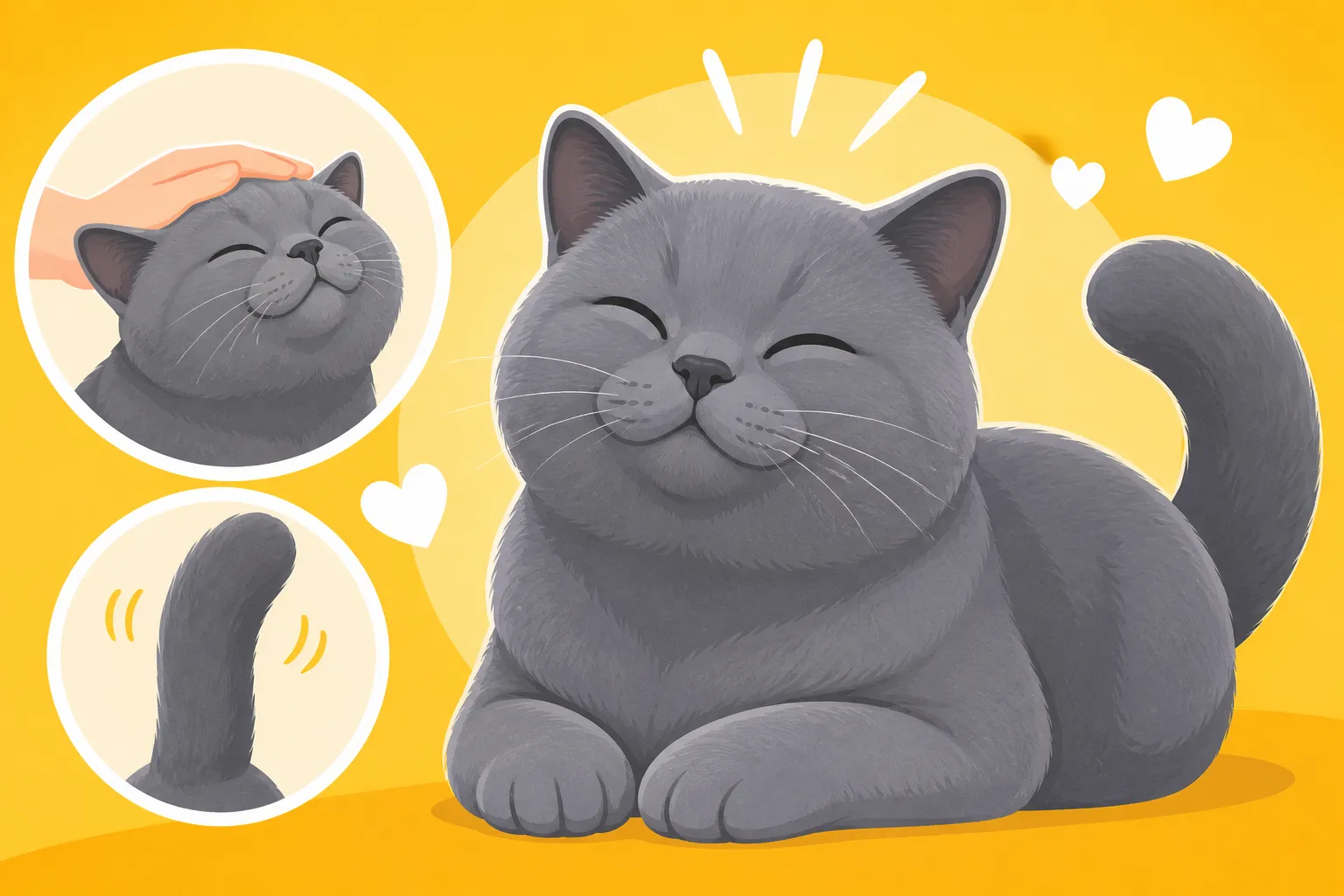
When your British Shorthair is content, you'll often see them stretched out, perhaps on their favorite sunny spot on the sofa, or even just lounging casually on the floor. Their body will appear loose and un-tensed, without any signs of stiffness or readiness to bolt. Their tail might be relaxed and still, or slowly wagging from side to side like a gentle pendulum if they're particularly mellow. A tail held high with a slight curl at the tip, almost like a question mark, is a classic sign of a happy, friendly cat approaching you, indicating confidence and pleasure in your company. Conversely, a tail tucked low or thrashing wildly usually signals anxiety or irritation, so understanding the nuance is important.
Their ears will be typically upright and forward, but not stiffly so. They might swivel slightly, indicating they are alert to their surroundings in a relaxed way, rather than pinned back in fear or aggression. Watch for moments when they slowly close their eyes or even roll onto their back, exposing their belly. While an exposed belly isn't always an invitation for a belly rub (often it’s a sign of extreme trust that they feel safe enough to be vulnerable), it certainly indicates a high level of comfort and pleasure in their environment.
Facial Expressions and Eye Contact
Believe it or not, British Shorthairs do have facial expressions, albeit more nuanced than some breeds. Their big, round eyes and full cheeks can convey a lot if you know what to look for.
The "slow blink" is perhaps the most universally recognized sign of feline contentment and affection. If your British Shorthair looks at you and slowly closes and then opens their eyes, they are essentially telling you "I trust you, and I feel safe and happy with you." It's their version of a kiss. You can even try to reciprocate by slowly blinking back at them; many cats will respond in kind. This gesture is especially powerful coming from a British Shorthair, a breed known for its calm and sometimes reserved demeanor.
Beyond the slow blink, a relaxed gaze is another indicator. Their eyes won't be wide and staring, which can be a sign of fear or aggression, but rather soft and partially lidded. Their whiskers might be relaxed and fanned out, not pulled back tightly against their face. The corners of their mouth might even turn up ever so slightly, giving them a gentle, almost serene expression that some owners describe as a "Mona Lisa smile." This soft facial posture, combined with a relaxed body, paints a clear picture of a cat that is thoroughly enjoying its moment.
Vocalizations and Affectionate Sounds
While British Shorthairs are generally considered quiet cats, they absolutely use sound to express their pleasure. Their vocalizations are often softer and more subtle than many other breeds, making it all the more special when you hear them.
The Art of the Purr and Trill
The purr is the quintessential sound of a content cat, and your British Shorthair's purr can range from a soft rumble you feel more than hear, to a resonant thrum that vibrates through them.
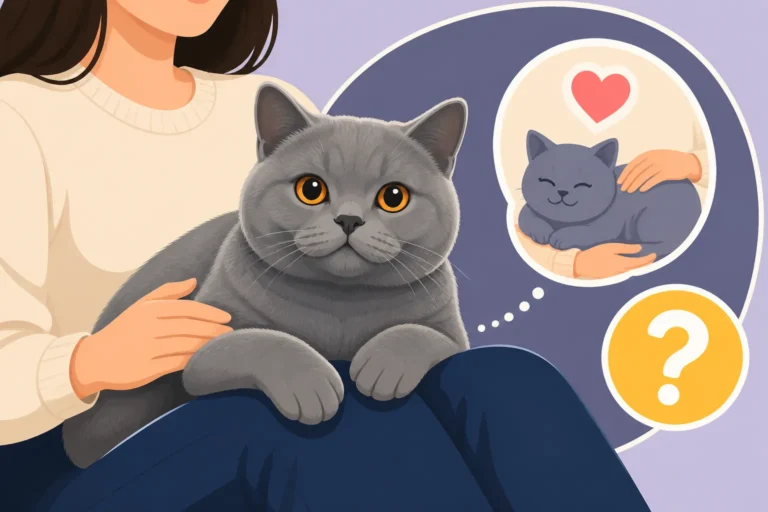
A deep, rumbling purr, especially when they are nestled close to you or being petted, is a clear sign of happiness. It’s their way of saying, "This is good. I like this. I feel safe and loved." You might notice that How Loudly a British Shorthair Purrs can vary greatly from cat to cat, and even in the same cat depending on the situation. Some British Shorthairs have incredibly powerful purrs that feel like a small motor running, while others have a whisper-soft purr that only becomes noticeable if you're holding them close. Pay attention to the context: a purr during a cuddle session is almost certainly a sign of pleasure.
Beyond the purr, many British Shorthairs use a charming sound called a "trill" or "chirp." This is a short, rolling vocalization, almost like a bird's song, that they often use as a greeting or an invitation to interact. What a British Shorthair Trill Means is typically a friendly, happy noise. When your British Shorthair trills at you as you enter a room, or when you’re preparing their food, they are expressing their positive anticipation and joy at your presence. It's a sweet, gentle way they try to engage with you, signaling that they are pleased and receptive to interaction.
Quiet Meows and Contentment Calls
Don't expect loud, insistent meows from a British Shorthair unless they really want something. Their happy meows are usually soft, almost conversational.
A brief, soft "mew" or a series of quiet meows, especially when you've just returned home or are sitting nearby, indicates they are acknowledging you and feel pleased about your presence. These aren't demanding meows for food or attention (which tend to be louder and more persistent), but rather gentle expressions of general contentment. Think of it as them saying "hello" or "I appreciate you being here." Sometimes, they might even make a little "hrmph" sound as they settle down next to you, which is just their way of sighing contentedly.
Another subtle vocalization is the soft groan or sigh they might let out when stretching or settling into a comfortable spot. This isn't a sound of pain or discomfort; quite the opposite. It's an expression of pure bliss, like when you settle into a warm bath after a long day. These quiet sounds, though easily missed, are important indicators of your British Shorthair's inner state of peace and pleasure.
Affectionate Gestures and Rituals
British Shorthairs might not be typical lap cats, but they certainly have their own unique ways of showing affection and indicating their happiness with you. These gestures are deeply rooted in their cat instincts and signify a profound sense of security and belonging.
Kneading and Bunting
These behaviors are deeply ingrained in feline nature and are powerful indicators of extreme comfort and pleasure.
Kneading, often called "making biscuits," is a leftover behavior from kittenhood. Kittens knead their mother's belly to stimulate milk flow. When an adult British Shorthair kneads on you, a blanket, or even just the air, they are reverting to a state of absolute kitten-like bliss and comfort. It's a sign that they feel completely safe, loved, and content in that moment. It's their way of recreating the feeling of being suckled by their mother, a time of ultimate security and warmth. You might notice them purring deeply while kneading, sometimes with their eyes half-closed in a trance-like state.
Bunting, also known as head-bumping or head-rubbing, is another strong sign of affection and pleasure. When your British Shorthair rubs their head, cheeks, or chin against you, they are depositing their scent from glands located in these areas. This isn't just a friendly greeting; it's a way of marking you as part of their family, claiming you as their own, and essentially saying, "You belong to me, and I'm happy about it." It's a very intimate gesture in the cat world, reserved for those they trust and feel deeply connected to. They might also rub against furniture or doorframes, spreading their scent to mark their territory as a safe and familiar place.
Rubbing and "Headbutts"
Beyond bunting, a British Shorthair will often rub their entire body against your legs or furniture as a means of communication.
When your British Shorthair weaves in and out of your legs, rubbing their flanks against you, they are extending that scent-marking behavior to a full-body experience. This is a very social behavior, telling you they feel comfortable, happy, and want to reinforce their bond with you. It's their way of exchanging scents, mingling their personal smell with yours, which creates a shared, comforting "group scent" within the household. This is a clear sign that they see you as a beloved member of their pride.
Sometimes, these rubs are accompanied by a gentle "headbutt" or a push of their head into your hand or body. This is a deliberate action, seeking physical contact and expressing their desire for attention or petting, all stemming from a place of contentment. They wouldn't initiate such close contact if they weren't feeling pleased and secure in your presence.
Following and Choosing Your Presence
While not necessarily "lap cats," British Shorthairs often show their pleasure by simply choosing to be near you. They are companionable in their own way.
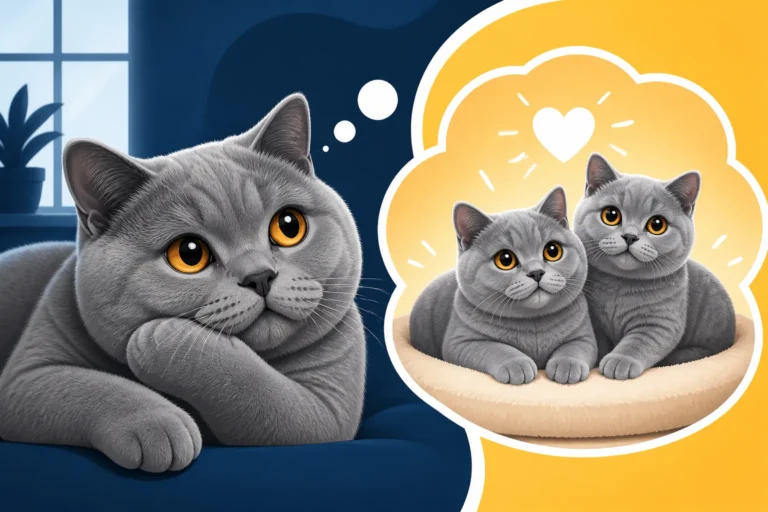
You might notice that How Closely a British Shorthair Follows You can be quite varied. Instead of sitting on you, your British Shorthair might choose to sit on the sofa cushion next to you, or perhaps curl up on a chair in the same room. They might follow you from room to room, settling down near you as you go about your day. This desire to simply share space with you, without demanding constant physical interaction, is a profound sign of contentment. It means they enjoy your company, feel secure in your presence, and want to be a part of your world, even if just from a comfortable distance.
How Much of a Lap Cat a British Shorthair Is is generally "not very," so don't mistake their independence for disinterest. Their preference to be near you, perhaps on a nearby blanket or a cat tree they enjoy (you can find many sturdy options on Amazon that can hold their weight!), is often their ultimate expression of being pleased. They are choosing to be near their human, which, for a British Shorthair, is a huge compliment. Where a British Shorthair Sits Instead might be that sunny patch on the floor, but if it's within sight of you, they're happy.
Play and Interaction as Signs of Pleasure
A British Shorthair might not be a high-energy acrobat, but their engagement in play and their specific greeting rituals are strong indicators of a happy and well-adjusted cat.
Engaged Play
A contented British Shorthair will engage in play, even if it's in short bursts. This shows they feel energetic and secure enough to let their guard down and have some fun.
If your British Shorthair is batting at a feather wand, chasing a laser dot (though be careful not to frustrate them with no 'catch'), or pouncing on a crinkle ball, they are clearly enjoying themselves. Even a brief game, perhaps lasting only a few minutes before they decide to simply observe, counts as engaged play. Which Toys a British Shorthair Will Actually Chase often vary, but interactive toys that allow them to stalk and pounce, or even simple catnip-filled plush toys (easily found on Amazon), can bring out their playful side. When they stretch out to bat at a toy, or show that characteristic "wiggle butt" before a pounce, these are unmistakable signs of a happy, playful cat.
It's important to remember that British Shorthairs aren't known for boundless energy. Their play sessions might be shorter and less intense than other breeds, but the fact that they participate at all, initiating or responding enthusiastically, indicates their pleasure and comfort. If they're showing interest in toys, even just batting them gently, it means they're feeling well and content in their environment.
The Greeting Ritual
The way your British Shorthair greets you when you come home is a powerful indicator of their pleasure and the strength of your bond.
When you walk through the door, does your British Shorthair come to meet you? Do they weave between your legs, perhaps offering a soft trill or a quiet meow? Do they stretch and show off their relaxed body language? These are all components of a happy greeting ritual. They might rub against your ankles, inviting a pet, or simply sit a few feet away, observing you with soft eyes and a slow blink. This acknowledgment of your return, and their willingness to engage (even subtly), confirms that they are pleased you are back and that their home feels safe and happy with you in it.
This ritual can be a highlight of your day. It’s their way of reaffirming their connection with you and expressing their contentment that their human is home. It shows they've missed you and are happy to have you back in their shared space.
Table: British Shorthair "Pleased" Cues at a Glance
| Category | Signs of Pleasure (What to Look For) | What It Means (Interpretation) |
|---|---|---|
| Body Language | Relaxed posture, stretching, belly exposed (sometimes), tail up/curled | Comfort, trust, security, feeling safe in their environment |
| Facial Cues | Slow blinks, soft eyes, relaxed whiskers, serene expression | Affection, trust, deep contentment, feeling loved and safe |
| Vocalizations | Deep purring, trills/chirps, soft meows, contented sighs | Happiness, excitement (positive), communication, well-being |
| Affectionate Touch | Kneading, bunting (head rubs), body rubbing against you | Affection, bonding, marking you as family, ultimate comfort |
| Interaction | Engaging in play, choosing to sit nearby, friendly greetings | Enjoyment, seeking companionship, security, feeling playful |
Disclaimer
This article is for general informational purposes only and does not constitute professional advice. Laws, prices and regulations vary by location and change over time. Consult a qualified professional for guidance on your specific situation.