Whether a British Shorthair Enjoys Being Groomed
Ah, the majestic British Shorthair! With their famously dense, plush coats, it’s easy to assume that grooming would be a delightful, purr-filled bonding experience. After all, they’re often described as laid-back and calm, right? But if you’ve ever tried to comb your British Shorthair and found yourself facing a stiff, uncooperative fluffball, you’re not alone. The truth is, while some cats adore the attention, many British Shorthairs merely tolerate grooming, and some actively dislike it. This guide will help you understand your British Shorthair's unique coat, decipher their subtle signals, and equip you with the best strategies to make grooming a manageable, low-stress routine for both of you.
The British Shorthair's Unique Coat and Why Grooming is Essential (Even if They Resist)
That luxurious, teddy-bear-like coat is one of the most distinctive features of a British Shorthair. It’s what draws so many of us in! But beneath that appealing softness lies a very practical, functional coat designed to protect them from the elements, and it requires regular maintenance. Ignoring grooming, even if your cat gives you the stink eye, isn't just about aesthetics; it's crucial for their health and comfort.
Understanding the British Shorthair's Dense, Plush Fur
Unlike some cats with fine, silky hair, a British Shorthair boasts a double coat that is incredibly dense and short, with a crisp, firm texture. You might notice that Why a British Shorthair's Coat Stands Up; it’s not meant to lie flat against their body. This unique structure provides insulation and protection, but it also means it's a magnet for loose hair, dander, and potential matting. Their plushness is charming, but it hides a lot of shedding, especially during seasonal changes. Imagine trying to keep a thick, wool carpet pristine without regular care – that's essentially what you're asking of your British Shorthair's coat if you skip grooming. This dense undercoat, combined with their guard hairs, can quickly become tangled, leading to uncomfortable mats that pull on their skin and can even cause skin infections if left unchecked.
Over time, this shed fur, if not removed, can also contribute to hairballs. While all cats get hairballs, breeds with dense coats like the British Shorthair are particularly prone to them. A large hairball isn't just a messy inconvenience for you; it can lead to digestive upset, vomiting, or in severe cases, intestinal blockages that require veterinary intervention. So, while your British Shorthair might act like they're too important to be bothered with a comb, regular grooming is a fundamental part of keeping them healthy and happy, preventing these common issues before they even start. It's an investment in their long-term well-being, even if they aren't sending you thank-you cards. What a British Shorthair's Coat Is Like is truly something special, and it deserves proper care.
The Silent Struggle: Why Your British Shorthair Might Not "Enjoy" It
It’s a common misconception that because British Shorthairs are generally calm and good-natured, they'll automatically roll over for a grooming session. While they are indeed a wonderfully mellow breed, their "calmness" often translates to a quiet independence rather than an inherent love of being fussed over. Many British Shorthairs appreciate being near you, perhaps on the sofa or a chair nearby, but they aren't always keen on being held or manipulated. This extends to grooming. For a British Shorthair, a grooming session isn't necessarily a moment of blissful pampering; it's often a necessary intrusion. They might tolerate it out of affection or resignation, but genuine "enjoyment" – like purring, leaning into the comb, or stretching out in contentment – isn't a given for every cat.
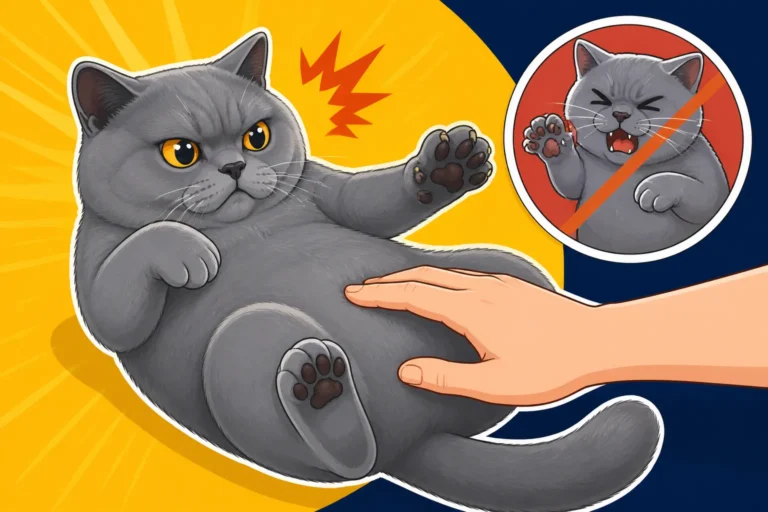
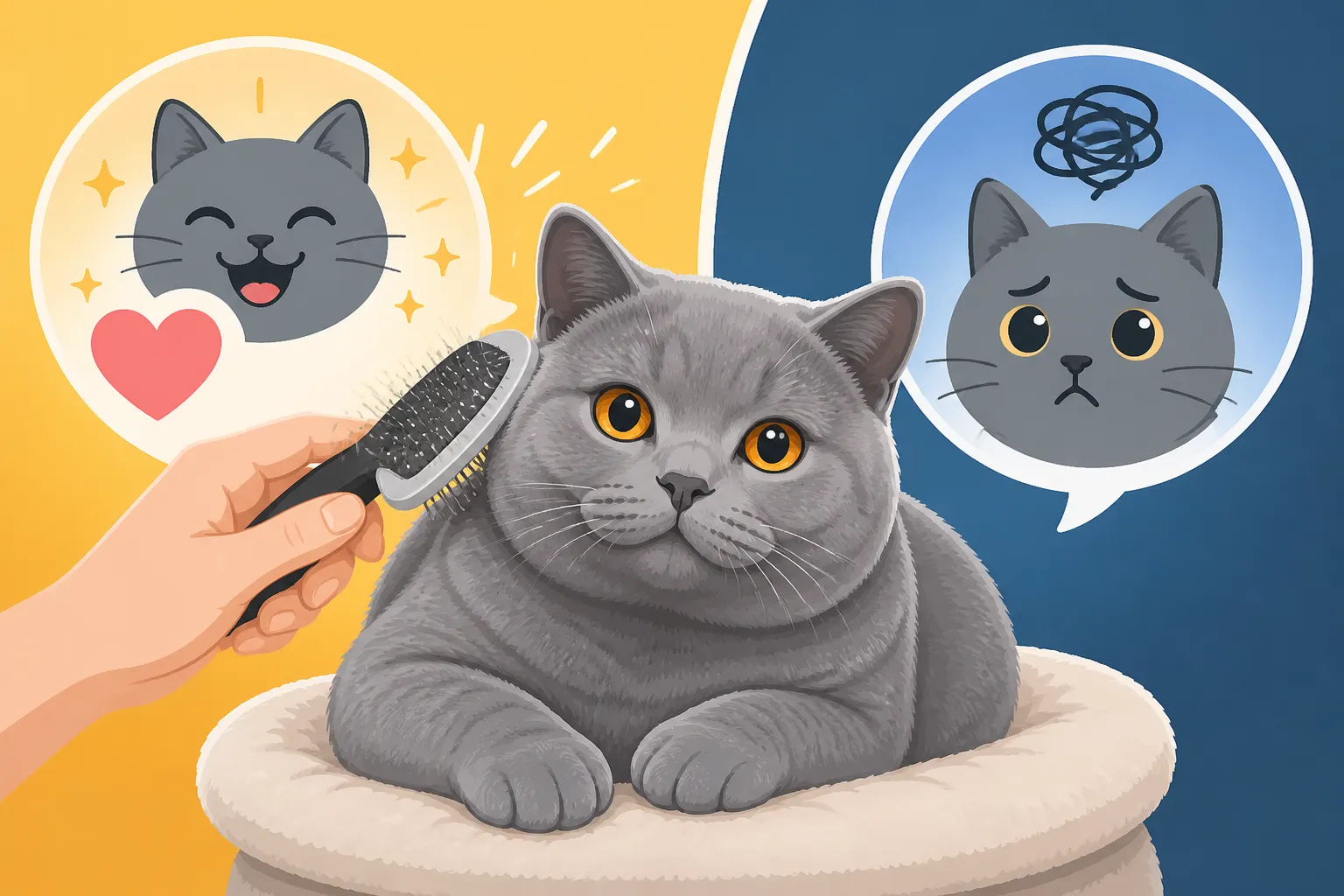
Their independent streak means they prefer to be in control of their interactions. Being held down or having their fur pulled, even gently, can feel like a loss of that control. You might notice subtle signs of their disapproval: a stiffening of the body, a tail swishing slowly from side to side, ears slightly flattened, or a direct stare that clearly says "I'm putting up with this, but I'm not happy about it." Some might try to gently move away, while others might just lie there, radiating an aura of dignified displeasure. It's rarely outright aggression with a British Shorthair, but rather a quiet, persistent resistance. Validating their feelings, even if it's just in your own head, can help you approach grooming with more empathy and less frustration, understanding that you're aiming for tolerance and comfort rather than pure bliss.
Making Grooming a Tolerable (and Sometimes Enjoyable) Experience
Since grooming is non-negotiable for a British Shorthair's health, our goal isn't to force them to love it, but to make it as positive and stress-free an experience as possible. This often means adjusting our expectations and techniques to suit their personality and coat.
Starting Early and Building Positive Associations
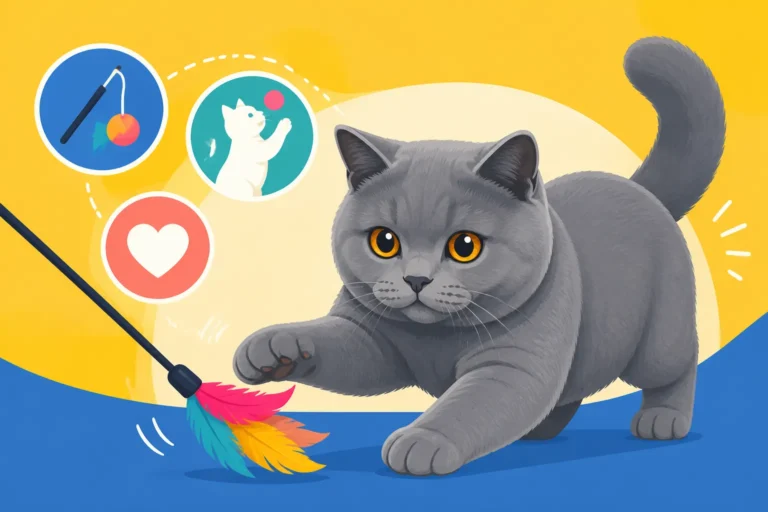
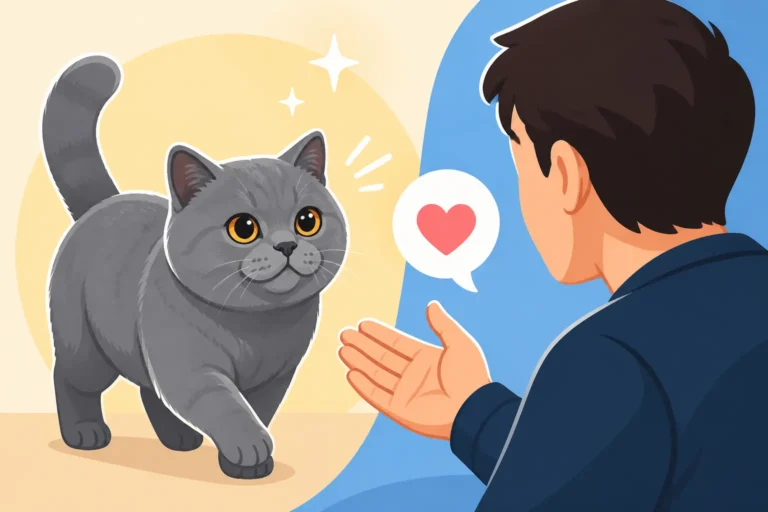
The absolute best time to introduce grooming is when your British Shorthair is a kitten. Kittens are naturally curious and often more amenable to new experiences, which makes this a golden window for building positive associations. Start with very short sessions, just a minute or two, focusing on gentle strokes with a soft brush or a wide-toothed comb. Follow each session immediately with a high-value treat, a favorite toy, or some playtime. The idea is to create a clear connection: "Grooming happens, and then something wonderful happens!" Consistency is key. Even if your kitten squirms, keep the session short and end it on a positive note if possible. Never chase them or force them into a prolonged session, as this can create fear and resistance that's much harder to overcome later.
As they grow, gradually increase the duration of the grooming sessions, always reinforcing with rewards. If you've adopted an adult British Shorthair who isn't keen on grooming, don't despair! The same principles apply, though you might need more patience and a slower approach. Start with just one stroke of the comb, followed by a treat. If they tolerate it, add another stroke. If they pull away or show discomfort, stop for a moment, offer a treat, and try again later. It's a marathon, not a sprint, when it comes to winning over an adult cat's grooming preferences. Remember, even basic handling, like gently touching their paws for future nail trims, is part of this positive association training. Think about How Young to Start Brushing a British Shorthair's Teeth – the same principles of early, gentle introduction apply across all grooming tasks.
Choosing the Right Tools for Their Specific Coat
Using the wrong tool can quickly turn a tolerable grooming session into a battle. For the British Shorthair's dense, crisp double coat, the type of comb you use is paramount. Many owners reach for a standard slicker brush, assuming it will work for all cats, but this can actually be counterproductive and even painful for a British Shorthair. Slicker brushes can pull on the delicate undercoat and even damage the guard hairs, leading to discomfort and making your cat even more resistant to future grooming. The key is to get down into that dense undercoat without scratching the skin or pulling too hard.
Instead, invest in a high-quality metal comb, often referred to as a greyhound comb, with both wide and fine teeth. The wider teeth are excellent for initial detangling and general combing, while the finer teeth can tackle smaller knots and remove more loose undercoat. These combs are designed to penetrate the dense fur effectively. Another excellent tool is a de-shedding tool (like those often found on Amazon), but these must be used with extreme caution and a light hand, as over-use can irritate the skin or damage the coat. Focus on using a metal comb that glides through their fur without snagging. This makes a world of difference for your cat's comfort and your sanity. For more specifics, check out Which Comb a British Shorthair Needs.
Techniques for a Low-Stress Grooming Session
Once you have the right tools, the technique you employ is equally important. First, choose a quiet time and a calm environment where your cat feels safe. Avoid noisy areas or times when there's a lot of activity in the house. Gently approach your British Shorthair and offer a few strokes or a treat before even bringing out the comb. When you do start, begin with gentle strokes along their back and sides, where they are typically less sensitive. Use short, smooth motions, always combing in the direction of hair growth. Avoid pressing down too hard or making sudden movements.
Pay particular attention to areas where mats tend to form, such as behind the ears, under the armpits, and along the hind legs. These spots can be very sensitive, so take extra care and be prepared to stop if your cat shows signs of discomfort. If you encounter a mat, do not try to pull it out with the comb. This will cause pain and make them associate grooming with discomfort. Instead, try to gently tease it apart with your fingers, or use the wide-toothed end of your comb to work at the edges of the mat. If it’s a stubborn mat, it's better to consult a professional groomer or your vet, as cutting mats out yourself can be risky. Keep sessions brief – even 5-10 minutes a few times a week is far better than one long, stressful session. How Long Combing a British Shorthair Takes will depend heavily on their tolerance and the condition of their coat.
Beyond the Comb: Other Aspects of British Shorthair Grooming
Grooming isn't just about the coat. There are other essential maintenance tasks that contribute to your British Shorthair's overall health and comfort, which you'll need to integrate into their routine.
Nail Trimming: A Necessary Evil
For many cats, nail trimming is perhaps the least favorite part of the grooming routine, and British Shorthairs are no exception. Given their typically lower energy levels and propensity for lounging, their claws might not wear down as much as those of a more active cat. Overgrown nails can curve back into their paw pads, causing pain, infection, and making it difficult for them to walk comfortably. They can also get snagged on carpets or furniture, leading to injury. It truly is a necessary part of their care.
To make nail trimming less traumatic, start early and make it quick and positive. Hold your cat gently but securely, and if possible, enlist a helper to offer treats while you work. Press gently on their paw pad to extend the claw, and trim only the very tip, avoiding the pink "quick" which contains blood vessels and nerves. If you accidentally cut the quick, it will bleed and hurt, potentially creating a lasting fear of nail trims. If you're unsure, ask your vet or a groomer to show you how. Regularity helps immensely; little and often is the key. You can find quality cat-specific nail clippers easily on Amazon. For guidance on frequency, look up How Often a British Shorthair's Claws Need Cutting.
Ear and Eye Care: Spot Checks and Gentle Cleaning
While British Shorthairs don't typically require extensive ear or eye care, routine spot checks are still important to catch any potential issues early. Their round faces can sometimes lead to minor tear staining around the eyes, especially if they have lighter colored fur. Gently wipe away any discharge or staining with a soft, damp cloth or a pet-specific eye wipe. Avoid using harsh chemicals or human eye drops. If you notice excessive tearing, redness, or signs of discomfort, it's always best to consult your veterinarian.
For their ears, a quick visual check during a relaxed moment can reveal a lot. Healthy British Shorthair ears should be clean, pale pink, and free of strong odor or excessive wax buildup. If you see dirt, dark waxy discharge, or if your cat is shaking its head or scratching its ears frequently, it could indicate an ear infection or mites, and a vet visit is warranted. You can gently wipe the visible parts of the ear with a soft, damp cloth or a cotton ball moistened with a vet-approved ear cleaner, but never insert anything into the ear canal. Regular, gentle inspections are enough for most British Shorthairs. How to Clean a British Shorthair's Ears provides more detailed guidance.
The Uncommon Bath: When and How to Bathe a British Shorthair
Let's be realistic: most British Shorthairs are not fans of water. You might be lucky to have a rare cat that tolerates a bath, but for the majority, it's an experience they'd rather skip. Thankfully, with regular combing, most British Shorthairs rarely need a full bath. Their dense coats are quite good at repelling dirt. However, there are times when a bath becomes necessary: if they've gotten into something particularly messy or toxic, if they're struggling with mats that can't be combed out, or if an older cat isn't grooming themselves as effectively.
If a bath is unavoidable, aim to make it as quick and stress-free as possible. Prepare everything beforehand: cat-specific shampoo (available on Amazon), towels, and a non-slip mat for the tub or sink. Use lukewarm water and try to keep the water level low. Speak in a calm, soothing voice. Gently wet their fur, apply a small amount of shampoo, and rinse thoroughly. Be careful to avoid getting water or shampoo in their eyes or ears. After rinsing, wrap them in a towel and gently blot them dry. Avoid rubbing vigorously, which can tangle their fur. Many British Shorthairs find the blow dryer terrifying, so air drying in a warm room is usually preferable. For a deeper dive into the process, check out How to Bathe a British Shorthair That Objects and How a British Shorthair Reacts to Water. It’s typically a last resort, not a regular spa day! How Often a British Shorthair Needs a Bath is truly minimal.
Recognizing Signs of Discomfort vs. Enjoyment
Understanding your British Shorthair's communication is vital to successful grooming. They are not always obvious in their displeasure, so learning to read their subtle cues will help you adjust your approach and prevent situations from escalating.
Reading Your British Shorthair's Body Language
British Shorthairs are masters of subtle communication. They rarely resort to dramatic displays of anger unless pushed to their absolute limit. Instead, they’ll offer a series of quiet signals that, if you know what to look for, tell you exactly how they’re feeling about being groomed. A relaxed, accepting cat might have soft, forward-facing ears, a loosely held tail (perhaps gently swaying), and a relaxed body posture. They might even purr, although it’s important to remember that purring isn't always a sign of contentment; sometimes cats purr when they are stressed or trying to self-soothe.
On the other hand, signs of discomfort or mild annoyance are usually more telling. Look for ears that are swiveled to the side or slightly flattened, indicating apprehension or irritation. Their pupils might dilate slightly, and their whiskers could be pulled back against their face. A tail that is thumping slowly, held stiffly, or tucked tightly is a clear indicator of unhappiness. They might try to lean away from the comb, shift their weight, or even give a low growl or hiss if they're particularly stressed. It's crucial to distinguish these subtle signals from actual enjoyment. Your cat might be purring, but if their body is tense and their ears are back, they're tolerating, not enjoying.
Here’s a quick guide to help you read their cues:
| Behavior / Body Part | Signs of Tolerance / Acceptance | Signs of Discomfort / Stress |
|---|---|---|
| Ears | Forward, relaxed | Swiveled, slightly flattened, pulled back |
| Eyes | Soft, normal pupil size | Dilated pupils, direct stare, narrowed |
| Whiskers | Forward, relaxed | Pulled back against the face, stiff |
| Body Posture | Relaxed, maybe stretching | Stiff, hunched, leaning away, tense muscles |
| Tail | Loose, gentle sway, still | Thumping, stiff, tucked tightly, twitching tip |
| Vocalizations | Soft purr, chirps | Low growl, hiss, rapid purring (stress purr) |
| Reactions | Leaning into strokes, relaxed breathing | Trying to move away, pawing, licking lips, quick head turn |
When to Stop and When to Persist
Knowing when to call it quits and when to gently encourage a bit more grooming is a delicate balance. If your British Shorthair is showing clear signs of stress, such as aggressive tail thumping, growling, hissing, or trying frantically to escape, it’s always best to stop the session immediately. Pushing through severe distress will only reinforce their negative association with grooming and make future sessions even harder. Take a break, give them space, and try again later or the next day, perhaps with a different approach or in a different location. Your goal is to keep grooming from becoming a traumatic experience.
However, if your cat is merely exhibiting mild annoyance – a slight ear flick, a gentle lean away, a stiff posture without escalation – you can often persist for a few more moments, especially if you're close to finishing a section or removing a small mat. The key is to respond to their signals: if they just need a brief pause, offer it, then continue gently. If they're clearly escalating to higher stress, stop. It's about finding that sweet spot between essential maintenance and respecting their boundaries. If regular grooming remains a constant battle, or if you're unable to manage mats or nails, don't hesitate to seek professional help from a reputable feline groomer or your veterinarian. They can offer specialized techniques, tools, or even sedation for particularly resistant cats, ensuring your British Shorthair gets the care they need without unnecessary stress.
Disclaimer
This article is for general informational purposes only and does not constitute professional advice. Laws, prices and regulations vary by location and change over time. Consult a qualified professional for guidance on your specific situation.