Whether Food Is the Only Thing That Moves a British Shorthair
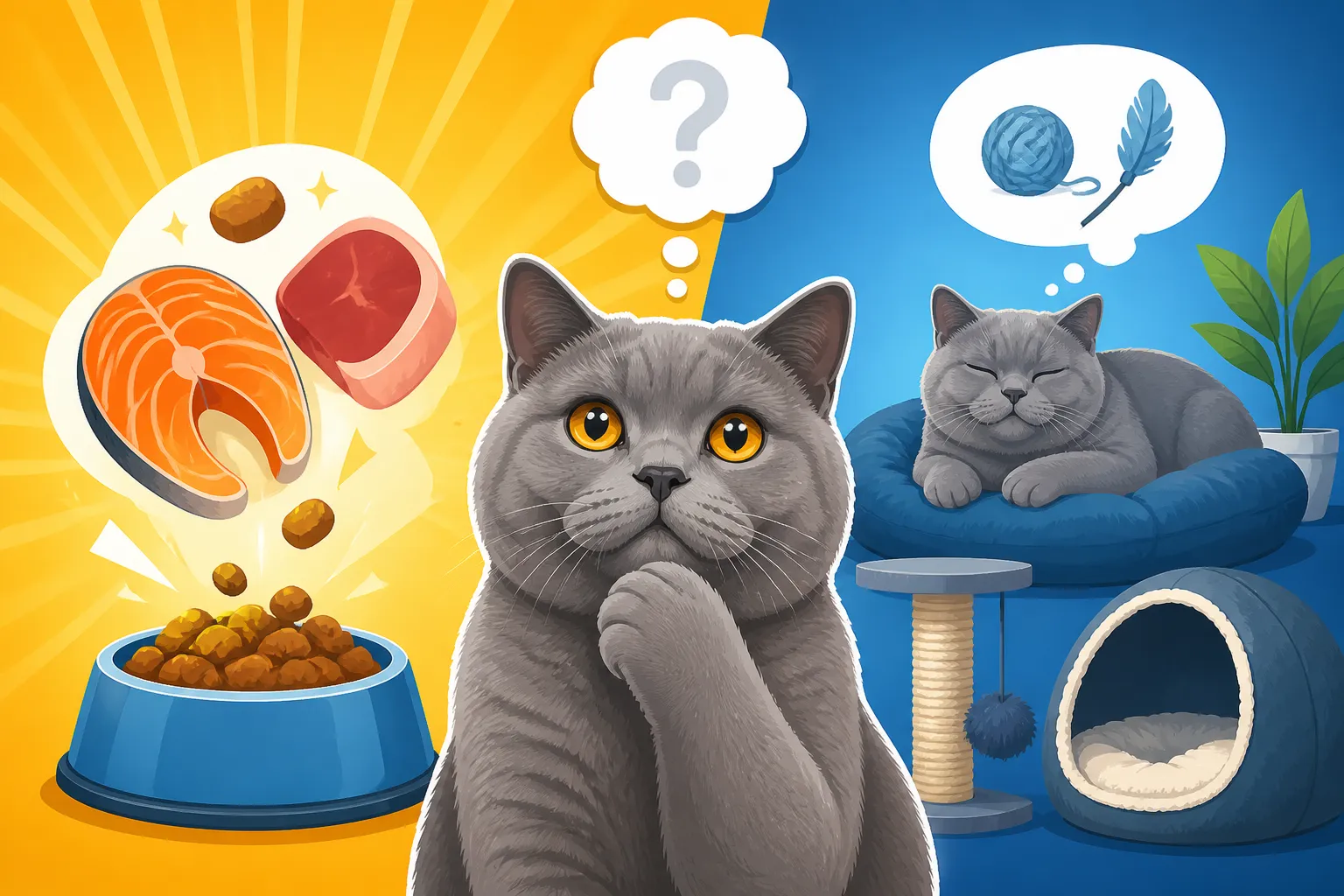
It’s a common frustration for British Shorthair owners: you love your chunky, placid feline companion, but sometimes it feels like the only thing that truly gets them moving is the rustle of a treat bag or the sound of kibble hitting the bowl. This guide aims to dig deep into the British Shorthair's unique personality and reveal that while food is undeniably a powerful motivator, it's far from the only way to engage and enrich their lives.
Understanding the British Shorthair's Calm Demeanor and Food Motivation
Many British Shorthair owners, myself included, have looked at their cat sprawled elegantly on the sofa, seemingly glued to the spot, and wondered if they might actually be part statue. This breed is renowned for its calm, easygoing, and often sedentary nature, which can sometimes be mistaken for outright laziness or an exclusive obsession with food. Let's unpack why this perception is so prevalent and what truly lies beneath that plush, often still exterior.
Why the "Food Only" Perception is So Strong
The truth is, British Shorthairs are often highly food-motivated. Their sturdy, cobby build means they have a natural inclination towards robust appetites, and their lower energy levels mean they don't burn off calories as quickly as some more active breeds. It's a double-edged sword: they love to eat, and they don't love to run around afterwards, which can easily lead to a cycle where food becomes the primary focus for interaction. I've certainly been guilty of using treats to lure my BSH out from under the bed or onto the cat tree, simply because it's so effective. This natural inclination, combined with their generally quiet and unreactive nature, can create an impression that only tangible, edible rewards hold their interest. Why a British Shorthair Gains Weight So Easily delves deeper into their metabolism and build, explaining why portion control is absolutely crucial for this breed.
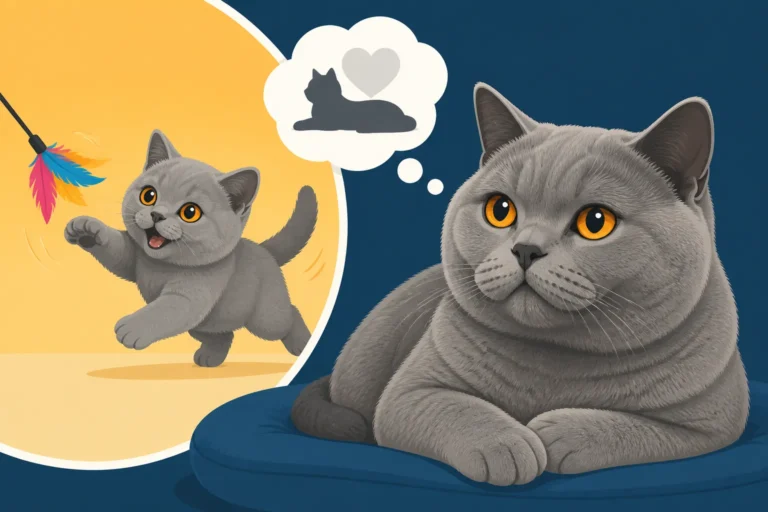
Consider a typical scenario: you come home after a long day, and your British Shorthair offers a polite head bump or a soft purr. You might try dangling a feather wand, only to get a slow blink in return. But then, you open the pantry, and suddenly, your "lazy" cat is at your feet, weaving figure-eights around your legs, eyes wide with anticipation. It's an easy leap to make – if the wand toy gets a yawn and the kibble bag gets a sprint, then clearly, food wins. This isn't necessarily a flaw in their character, but rather a testament to how effectively food appeals to their primal instincts and sense of comfort. They are not high-strung hunters who need constant stimulation to burn off excess energy. Instead, they appreciate routine, comfort, and, yes, a good meal.
The British Shorthair's Innate Calmness and Energy Levels
It's vital to remember that the British Shorthair's calm disposition isn't a sign of disinterest; it's a defining characteristic of the breed. They aren't going to be scaling your curtains or chasing laser pointers for hours on end like some other breeds might. Their idea of a good time often involves a sunny spot, a comfortable nap, and a quiet observation of their surroundings. This inherent calmness means they simply don't have the same high-octane energy reserves that would drive them to seek out vigorous play purely for the sake of it. How Far a British Shorthair Is Lazy or Just Calm offers more insights into this fundamental aspect of their personality.
Many owners find themselves struggling to encourage their British Shorthair to be more active, and it can be disheartening when your efforts to engage them with toys are met with indifference. I've spent good money on elaborate interactive toys, only for them to sit untouched while my cat snoozed contentedly. Their lack of overt enthusiasm for boisterous play can make it seem like they're unmotivated by anything other than the promise of food, when in reality, it's just their natural, wonderfully serene way of being. They do play, but often in short bursts and with less intensity than you might expect from a typical cat. Understanding this core trait is the first step in unlocking other forms of motivation and enrichment that genuinely appeal to them.
Beyond the Bowl: Exploring Other British Shorthair Motivators
While food certainly holds a special place in the heart of many British Shorthairs, it's a disservice to their complex personalities to assume it's their only driving force. They possess a subtle charm and a distinct set of preferences that, once understood, can reveal a much wider array of motivators. It just takes a different approach than you might use for a more overtly playful or demanding breed.
The Allure of Routine and Comfort
One of the most powerful, albeit less obvious, motivators for a British Shorthair is the comfort and predictability of a well-established routine. These cats thrive on knowing what to expect, when to expect it, and where their favorite napping spots are. Disruptions to their routine can cause stress, while a consistent daily schedule brings them a profound sense of security and contentment. This might manifest as them being "motivated" to follow you to the kitchen at their usual mealtime, not just for the food itself, but because it's part of the comforting ritual they've come to expect.
Think about how your British Shorthair reacts to your daily habits. Do they meet you at the door when you arrive home at the same time each day? Do they perch on the armrest of your favorite chair when you settle down for the evening? These aren't necessarily food-driven behaviors; they're motivated by the comfort of your presence and the reliable rhythm of their day. Establishing consistent feeding times, play sessions, and cuddle moments can provide a stable framework that motivates them through positive association and anticipation, making them feel secure and happy.
The Quiet Joy of Observation and Companionship
British Shorthairs are often described as "velcro cats" that aren't quite velcro – they love to be near you, but not necessarily on you. They are motivated by companionship, but it's a gentle, undemanding form of interaction. They might follow you from room to room, settling in a nearby chair or a sunbeam, simply enjoying your presence. This quiet companionship is a significant motivator for them; they want to be part of the family unit, observing the goings-on, even if they're not actively participating. A British Shorthair Sits Near You, Not On You explains this delightful trait in more detail.
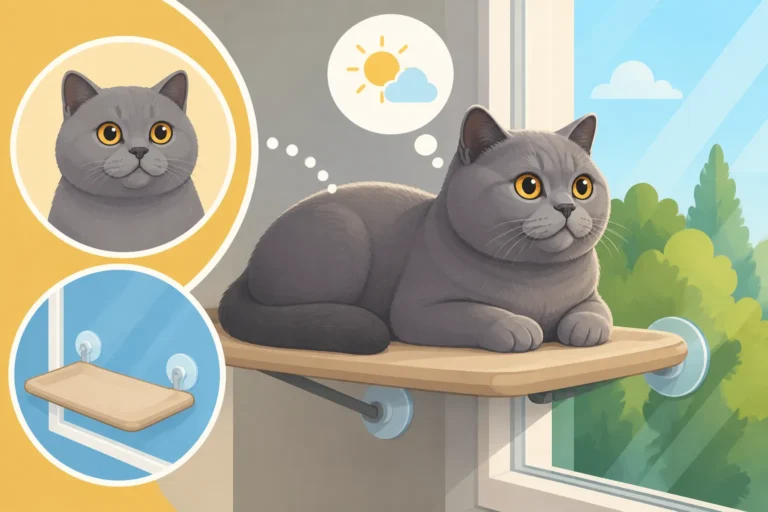
They are also highly motivated by environmental enrichment that allows them to observe. A comfy window perch where they can watch birds, squirrels, or passersby can provide hours of mental stimulation. This isn't about burning calories, but about engaging their minds and satisfying their innate curiosity in a calm, British Shorthair-appropriate way. A high-quality cat tree, even if they only use the lower levels, allows them to survey their territory. You might find a great selection of these on Amazon, often with plush bedding that appeals to their comfort-loving nature. These are experiences that motivate them to wake up, stretch, and engage with their world, even if no food reward is immediately involved.
Engaging Your British Shorthair with Non-Food Enrichment
It's easy to fall into the trap of using food as the primary, or even sole, motivator for a British Shorthair, especially when you're trying to encourage movement or engagement. However, relying too heavily on treats can quickly lead to weight gain, which is a significant health concern for this breed. The good news is that with a bit of creativity and an understanding of their personality, you can tap into a wealth of non-food-based enrichment that genuinely excites them.
Interactive Play That Suits Their Style
Forget frantic chasing and acrobatic leaps; a British Shorthair's play style is generally more subdued and strategic. They appreciate toys that allow for short bursts of effort followed by observation, or those that stimulate their hunting instincts without requiring Olympic-level athleticism. Play for a British Shorthair That Would Rather Not offers specific ideas for engaging your less-than-enthusiastic player.
Here are a few types of toys that often resonate with their calm nature:
- Wand Toys with Feather or Fur Attachments: These are often a hit because you control the pace. Drag the toy slowly along the floor, let it "hide" behind furniture, and allow for a satisfying "catch." This simulates hunting without over-exertion. My British Shorthair is usually spurred into action by a realistic-looking feather wand, pouncing with surprising agility before settling back down for a nap.
- Crinkle Balls or Mylar Toys: The sound and texture can be incredibly enticing. They're lightweight enough for a quick batting session and often don't require much effort to get moving.
- Laser Pointers (with caution): While fun, always end a laser pointer session by directing the beam onto a physical toy or treat that the cat can "catch" to prevent frustration. A cat needs that satisfying conclusion to a hunt.
- Interactive Puzzle Toys (non-food focused): Some puzzle toys are designed for mental stimulation rather than dispensing treats. These can involve batting at balls within a track or manipulating parts to reveal a hidden compartment (though watch out for any actual treat compartments if you're trying to avoid food motivation!).
When introducing new toys, remember that persistence is key. They might not immediately react, but consistent, short play sessions can build interest over time. Don't be discouraged if they just watch; sometimes, observation is their form of engagement.
Environmental Enrichment and Mental Stimulation
Beyond toys, creating an enriching environment is paramount for a British Shorthair. Their intelligence means they need mental stimulation, even if their bodies prefer a slower pace.
- Vertical Space: Even if they aren't champion climbers, a sturdy cat tree or a series of wall-mounted shelves (low to the ground for easy access) can provide safe vantage points. They love to observe their kingdom from above, even if it's just a few feet off the floor. Look for robust, stable options on Amazon, designed for heavier cats. Which Cat Tree a British Shorthair Uses has some excellent recommendations.
- Scratching Posts: Providing a variety of scratching surfaces (vertical, horizontal, cardboard, sisal) caters to their natural instincts and keeps their claws healthy. This isn't just about preserving your furniture; it's a vital part of their physical and mental well-being.
- "Cat TV": Access to a window with a view is gold for a British Shorthair. Bird feeders outside the window or even a nature documentary playing on the TV can captivate their attention for extended periods.
- Scent Enrichment: Introduce new, cat-safe scents like catnip or silvervine (available in spray or toy form on Amazon) periodically. These can provide a delightful, albeit temporary, burst of sensory stimulation.
Remember, the goal is not to turn your British Shorthair into an acrobat, but to provide opportunities for them to engage their minds and bodies in ways that are natural and enjoyable for them.
Practical Strategies for a Well-Rounded, Active British Shorthair
It's tempting to simply cater to their love for food, especially when you see how quickly it can motivate them. However, a balanced approach ensures your British Shorthair lives a long, healthy, and enriched life without relying solely on calorie-laden rewards. Developing smart habits around their diet and encouraging diverse forms of engagement are crucial.
Mindful Feeding and Portion Control
Since food is such a strong motivator, it's easy for British Shorthairs to become overweight, which can lead to a host of health problems like diabetes and arthritis. Implementing strict portion control is perhaps the single most important thing you can do for their health. How Many Calories a British Shorthair Needs and What a British Shorthair Should Weigh on the Scale offer guidance on healthy weight management.
Instead of free-feeding, offer measured meals at consistent times. If you use treats for training or motivation, subtract those calories from their daily food allowance. Consider using a puzzle feeder that dispenses a small amount of kibble. This slows down their eating and adds a layer of mental challenge. You can find various types of puzzle feeders on Amazon that range from simple dishes with divots to more complex multi-stage puzzles. This doesn't mean food isn't a motivator, but it turns mealtime into an activity rather than just a quick gulp-and-go.
| Motivation Type | Description | Example for British Shorthair | Benefits |
|---|---|---|---|
| Food-Based | Rewards tied directly to eating or obtaining food. | Puzzle feeder for daily meals, occasional healthy treat for recall. | Strong motivator, can encourage problem-solving. |
| Play/Hunting | Engaging natural predatory instincts through toys and interaction. | Slow-moving wand toys, crinkle balls, interactive games with owner. | Physical exercise, mental stimulation, bonding. |
| Environmental | Enriching the living space to provide stimulation and comfort. | Window perches, cat trees, scratching posts, safe outdoor enclosure. | Reduces boredom, promotes natural behaviors, provides security. |
| Social/Affection | Positive interactions with humans or other pets. | Gentle petting, quiet companionship, speaking to them, brush time. | Strengthens bond, provides emotional comfort. |
| Routine/Predictability | A consistent schedule that provides security and reduces anxiety. | Regular feeding times, consistent play sessions, predictable daily flow. | Reduces stress, increases comfort and confidence. |
Encouraging Movement in a Gentle Way
Getting a low-energy British Shorthair to move can feel like an uphill battle. The key is short, consistent sessions that don't overwhelm them. Aim for 10-15 minutes of interactive play once or twice a day. Getting a Low Energy British Shorthair to Move gives more techniques to try.
- "Follow the Leader": Sometimes, simply walking around the house and encouraging them to follow you (maybe with a gentle call or a slow-moving toy) can get them stretching their legs.
- Vertical Exploration: Entice them up a cat tree or onto a favored perch with a favorite toy, rather than expecting them to jump on their own initiative. You can also place a cozy bed on an elevated surface to make the climb more appealing.
- Rotation of Toys: Keep toys fresh by rotating them in and out. What they ignored last week might suddenly be fascinating this week. Store a collection of interesting cat toys (many available on Amazon) and bring out 2-3 at a time.
- Positive Reinforcement: When they do engage in play or exploration, praise them with gentle words and soft strokes. This positive association, even without food, reinforces the behavior.
It's a journey, not a sprint. Be patient and celebrate every little step your British Shorthair takes towards a more active and engaged life.
Disclaimer
This article is for general informational purposes only and does not constitute professional advice. Laws, prices and regulations vary by location and change over time. Consult a qualified professional for guidance on your specific situation.