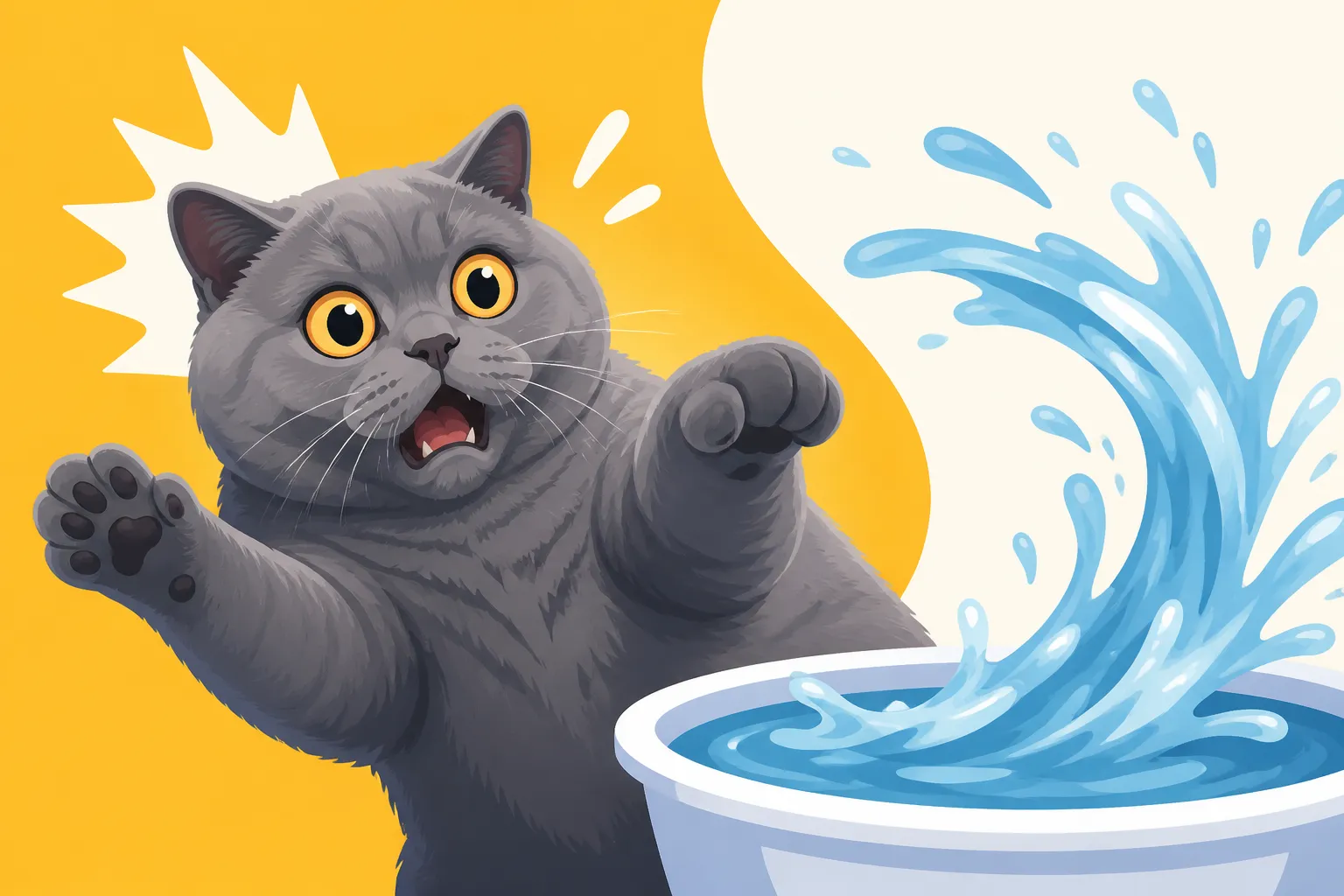
How a British Shorthair Reacts to Water
If you’re a British Shorthair parent, you’ve probably experienced that unique blend of stoic indifference and outright rebellion when it comes to anything remotely damp. Many cat owners dread bath time, but with a British Shorthair, it can feel like preparing for a wrestling match with a fluffy, disapproving cloud. This guide aims to demystify your British Shorthair's reaction to water, explain why they might be less than enthusiastic, and offer practical, empathetic strategies to make necessary bathing less traumatic for everyone involved.
The British Shorthair's Natural Inclination Towards Water
It's a common misconception that all cats inherently despise water. While some breeds, like the Turkish Van, are known for their love of swimming, the vast majority of our feline companions would rather walk across hot coals than wade into a puddle. British Shorthairs, with their sensible, comfort-loving nature, tend to fall squarely into the "no thank you" camp.
Why Most Cats Dislike Water and British Shorthairs Are No Exception
The aversion to water in cats is deeply ingrained, often stemming from instinctual and practical reasons. For wild ancestors, getting thoroughly soaked could be dangerous. A wet coat is heavy, making escape from predators difficult and hindering agility. It also takes a long time to dry, leading to a chilling effect, especially in colder climates. Cats are fastidious groomers, and a thorough self-cleaning usually suffices to keep their coats in pristine condition. The sensation of being submerged and losing control in a slippery, unfamiliar environment is deeply unsettling for an animal that values stability and independence.
For a British Shorthair, these general feline instincts are magnified by their particular temperament. They are creatures of habit and comfort, often preferring predictability and calm over sudden, jarring experiences. A surprise dunk in the tub is antithetical to their dignified and composed demeanor. They might initially react with a wide-eyed shock, then quickly escalate to trying to scramble out, sometimes with surprising strength for such a seemingly placid cat.
The British Shorthair's Unique Coat and Its Interaction with Water
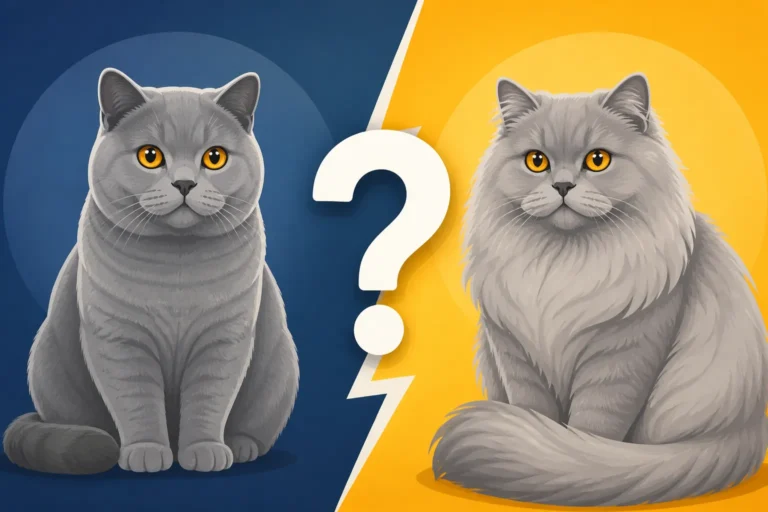
Beyond the general feline dislike, the British Shorthair's magnificent coat plays a significant role in their aversion to baths. Their fur is famously dense, plush, and described as "crisp" – almost like a thick, springy carpet. This unique texture is a hallmark of the breed, giving them that classic teddy bear look. A British Shorthair's Coat Stands Away From Its Body due to this dense undercoat and strong guard hairs. This characteristic, which makes them so lovely to cuddle, also makes them particularly ill-suited for a quick dip.
When this dense coat gets wet, it doesn't just get damp; it becomes thoroughly saturated, heavy, and clings unpleasantly to their skin. Imagine wearing a heavy wool sweater that suddenly becomes waterlogged – it's cumbersome, cold, and takes forever to dry. The water penetrates right through their protective outer layer to the skin, which can feel incredibly uncomfortable. This prolonged wetness, combined with their already low-energy disposition, means they feel cold and miserable for a considerable time, reinforcing their negative associations with water. Why a British Shorthair's Coat Feels Crisp also explains how this structure traps water, making it a very unpleasant experience indeed.
Common Reactions to Getting Wet
You might think a cat's reaction to water is simply "running away," but with a British Shorthair, it's often a much more nuanced, albeit still dramatic, affair. Their responses can range from quiet, frosty disapproval to a full-blown panic. Understanding these reactions helps you approach bathing with more empathy and less frustration.
Mild Discomfort to Extreme Fear: A Spectrum of Responses
A British Shorthair's reaction to water can span a wide spectrum. On the milder end, you might observe a stiffening of their body, ears flattened slightly, and a tail tucked close. They might attempt to "freeze" or become utterly rigid, hoping that if they don't move, you'll simply forget about the whole ordeal. Their eyes might widen, showing that classic "dinner plate" look, and they might let out a low, mournful meow or even a dramatic sigh. This isn't quite fear, but definitely intense displeasure and a deep desire to be anywhere else.
As the discomfort escalates, you'll see more overt signs of distress. Struggling is common, often involving frantic attempts to climb out of the tub or sink, using any available surface – including your arm – as a launchpad. Vocalization can become more insistent, ranging from loud, protesting caterwauls to distressed yelps. Some British Shorthairs might even resort to hissing or attempts to scratch or bite if they feel truly trapped and terrified. This isn't out of malice, but pure, primal fear. Remember, their sense of dignity is paramount, and being soaked and vulnerable goes against everything they stand for.
The Stress of Bathing: More Than Just Being Wet
It's important to recognize that the stress of bathing for a British Shorthair isn't solely about the physical sensation of being wet. It's a multi-sensory assault that can overwhelm their typically calm disposition. The unfamiliar environment of a bathroom, often a place they don't frequent, can be unsettling. The sound of running water, which is naturally loud and startling to sensitive feline ears, adds to the anxiety. Then there's the confinement in a slippery tub, the loss of traction, and the strong, unfamiliar smell of cat shampoo.
Most profoundly, bathing represents a complete loss of control. Cats, and British Shorthairs particularly, are creatures who like to be in charge of their immediate surroundings. Being held firmly, unable to escape, while a human pours water over them is incredibly disorienting and frightening. This cumulative stress can linger long after the bath, sometimes leading to hiding, temporary changes in behavior, or even a distrust of the human who subjected them to the ordeal. Therefore, managing this stress is just as crucial as the physical act of cleaning them.
When Bathing Becomes Necessary
While most British Shorthairs can manage their own grooming quite effectively, there are definite instances where a full bath becomes not just a luxury, but a genuine necessity for their health and well-being. It's usually not a frivolous decision, but rather one born out of concern for their comfort and cleanliness.
Situations That Warrant a British Shorthair Bath
Sometimes, no amount of self-grooming or spot cleaning will cut it. One of the most common reasons for a necessary bath is when your British Shorthair has gotten into something truly messy or potentially toxic. This could be anything from motor oil in the garage to a spilled pot of paint, or even something natural but sticky like tree sap. In these cases, it's critical to wash the substance off quickly to prevent them from ingesting it during their own grooming attempts, which could lead to serious health issues.
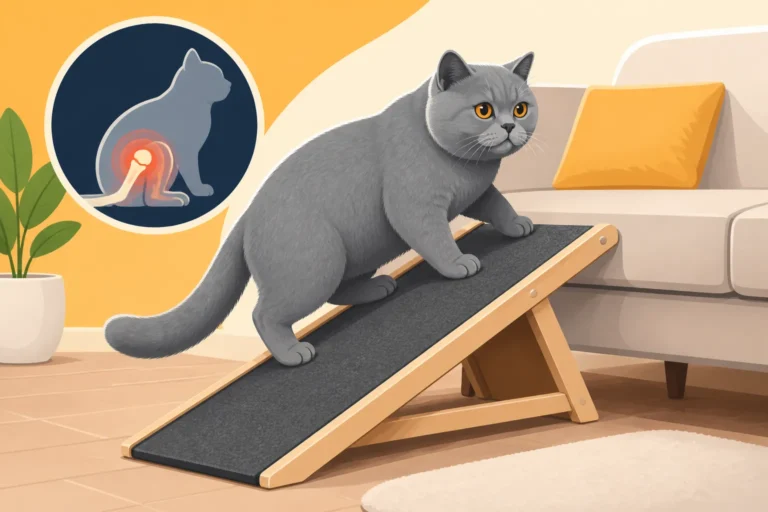
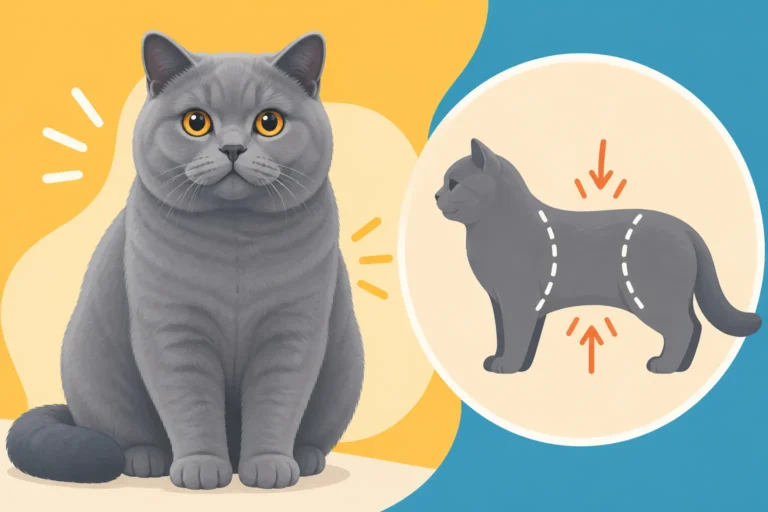
Beyond accidental contamination, health issues can necessitate a bath. Cats suffering from certain skin conditions, such as severe allergies or fungal infections, might require medicated baths prescribed by a veterinarian. These baths are often a crucial part of their treatment plan. Parasites like fleas, if severe enough, might also warrant a therapeutic bath, though typically topical treatments are preferred. Lastly, older or Why an Overweight British Shorthair Stops Grooming Its Back when they can no longer reach certain areas of their body, particularly their hindquarters and base of the tail. This can lead to matted fur, skin irritation, and unpleasant odors, making a gentle bath a compassionate act.
Preparing for a Less Stressful Bathing Experience
If a bath is unavoidable, preparation is absolutely key to minimizing stress for both you and your British Shorthair. Before you even think about turning on the water, gather all your supplies. This includes a cat-specific shampoo, several large, absorbent towels, a non-slip mat for the tub or sink, and perhaps even some high-value treats for positive reinforcement. Consider a quiet, contained space like a small bathroom where your cat can't easily escape or hide during the process.
Pre-bath grooming is vital, especially for a British Shorthair's dense coat. Take time to thoroughly comb out any mats or tangles before introducing water. How Often a British Shorthair Needs Combing to keep their coat healthy, and it's even more crucial before a bath, as water will only tighten existing mats, making them incredibly difficult and painful to remove afterwards. Ensure the water temperature is lukewarm, never hot or cold, and try to fill the tub or sink to just a few inches before bringing your cat in to avoid startling them with the sound of running water. A calm, quiet demeanor from you will go a long way in communicating reassurance to your cat.
Strategies for Acclimatizing Your British Shorthair to Water
While a full bath might always be a somewhat unwelcome event for your British Shorthair, you can work to make them more tolerant, or at least less terrified, of water. The key is gentle, gradual introduction and positive association, much like any other training for a cat.
Gentle Introduction: From Paws to Puddles
The goal here isn't necessarily to make your British Shorthair love swimming, but rather to reduce their panic response when they encounter water. Start small, really small. Begin by simply having them in the bathroom with you while you run water, but don't involve them directly. Offer treats and praise calmly. Over several sessions, introduce a shallow bowl of lukewarm water. Let them approach it, sniff it, perhaps even dip a paw in, all at their own pace. Never force them.
Once they're comfortable with a bowl, you might try a very shallow layer of water in the tub or sink. Again, no pressure. Let them explore. You can toss a favorite waterproof toy into the water, or drop a few tempting treats like Churu or freeze-dried chicken bits near the edge. The idea is to associate the presence of water with positive experiences. If they show any signs of stress, stop immediately and try again another day. Patience is paramount, and these sessions should be brief – just a few minutes at most.
Creating a Positive Association with Water
Building a positive association takes time and consistency. Every interaction with water, no matter how brief or indirect, should end on a good note. This means plenty of verbal praise in a soothing tone, gentle strokes (if they tolerate them during stressful times), and most importantly, high-value treats. You want your British Shorthair to think, "Oh, water means yummy snacks!" rather than "Water means terror!"
Consider using a puzzle feeder with a favorite treat around the bathroom while water is running in the sink, or after a quick paw dip. You can find excellent puzzle feeders and engaging toys on sites like Chewy or Amazon that can distract and reward your cat during these sessions. The goal is to gradually desensitize them. Don't rush. Some cats will never fully embrace water, but even reducing their anxiety from a 10 to a 7 is a huge win for everyone involved. Regular short, positive interactions are more effective than infrequent, traumatic ones.
The Bathing Process: Step-by-Step
When the time comes for an actual bath, having a clear, efficient plan will make the experience as quick and painless as possible for your British Shorthair. Remember, speed and gentleness are your best allies.
Essential Tools and Techniques
Before you even bring your British Shorthair into the bathroom, have everything laid out within arm's reach. This includes your chosen cat shampoo – ensure it's specifically formulated for felines and never use human shampoo. I'd highly recommend looking for gentle, tear-free options on Amazon or Chewy. Have a non-slip mat in the tub or sink to give them purchase, as a slippery surface will increase their panic. Place a cup or pitcher nearby for rinsing, or use a handheld shower nozzle on the gentlest setting. Two large towels should be waiting: one to wrap them in immediately, and another for more thorough drying.
Bring your British Shorthair into the bathroom calmly. Speak to them in a soft, reassuring voice. Gently place them in the tub on the non-slip mat. Avoid holding them too tightly, but keep a firm, supportive grip. Begin by wetting their fur with lukewarm water from the cup or gentle shower head, starting from their neck and moving backward, carefully avoiding their face and ears. Lather the shampoo gently, massaging it into their dense coat but working quickly. Focus on getting the soiled areas clean. The quicker you are, the less time they spend feeling vulnerable. Which Shampoo Suits a British Shorthair can make a big difference in comfort and effectiveness.
After the Bath: Drying and Comfort
Once you've thoroughly rinsed all the shampoo out – and this is critical to prevent skin irritation – the drying process begins. Immediately wrap your British Shorthair snugly in a clean, absorbent towel. Gently blot and rub their fur to remove as much moisture as possible. You might need a second towel as the first becomes saturated. British Shorthairs have such thick coats that How Long a British Shorthair Takes to Dry can be significant, so diligent towel drying is important.
After towel drying, ensure your cat is in a warm, draft-free room to finish air-drying. While some people use pet hair dryers, many British Shorthairs find the noise and sensation terrifying, so proceed with extreme caution and on the lowest, cool setting if you choose this method. Many simply prefer to hide in a warm, quiet spot until they're fully dry and their dignity is restored. Offer them their favorite treats and plenty of comforting words once they are released from the immediate bath area. The goal is to let them decompress and associate the "after" with positive reassurance.
Alternatives to Full Baths for British Shorthairs
Let's be real: full baths are often a last resort for most British Shorthair owners. Thankfully, there are several effective alternatives that can help keep your cat clean and comfortable without the full-scale aquatic battle.
Spot Cleaning and Waterless Shampoos
For minor messes or general freshening up, spot cleaning is a lifesaver. If your British Shorthair has a small patch of dirt or something sticky on their paw, you can often use a damp cloth with plain warm water, or a pet-safe grooming wipe, to clean just that area. This minimizes the amount of water involved and gives them less reason to panic. Always ensure you're using products specifically designed for cats, as human wipes or cleaners can contain ingredients harmful to them.
Waterless shampoos and foams are another fantastic option for British Shorthairs who simply cannot tolerate a traditional bath. These products are applied to the fur, often massaged in, and then brushed out, leaving the coat cleaner and fresher without any rinsing. Brands available on Chewy or Amazon often carry various waterless options. They can be incredibly effective for managing greasy fur, reducing dander, or just generally tidying up a coat that isn't heavily soiled. While they don't offer the deep clean of a full bath, they are a wonderful compromise for maintaining hygiene between those truly necessary washings.
Professional Grooming Considerations
Sometimes, despite your best efforts, a bath is truly necessary, and your British Shorthair is simply too stressed or too strong for you to manage safely. In such cases, a professional groomer who specializes in cats can be an invaluable resource. They have specialized tools, techniques, and often a calmer, more experienced approach to handling difficult felines. They can perform baths, de-shedding treatments, and even sanitary clips that might be too challenging for an owner to do at home, especially if your cat is prone to mats or is Whether a British Shorthair Needs Professional Grooming.
A professional groomer might also be able to offer services like nail trims and ear cleaning in conjunction with a bath, streamlining the process and reducing multiple stressful events for your cat. It's important to find a groomer with positive reviews and specific experience with British Shorthairs or other dense-coated breeds, as their unique fur requires particular care. While there's a cost involved, the peace of mind knowing your cat is safely and effectively cleaned by an expert can be well worth it, saving both you and your beloved British Shorthair from a traumatic home bathing experience.
Disclaimer
This article is for general informational purposes only and does not constitute professional advice. Laws, prices and regulations vary by location and change over time. Consult a qualified professional for guidance on your specific situation.