Whether Dental Treats Help a British Shorthair
It's incredibly frustrating when you know your beloved British Shorthair's dental health isn't quite where it should be, but the thought of regular toothbrushing battles or costly, anesthesia-laden vet cleanings fills you with dread. Many of us hope for a simpler, less stressful solution to keep those pearly whites healthy. This guide dives deep into whether those appealing dental treats actually make a difference for your British Shorthair's oral hygiene.
The British Shorthair's Unique Dental Challenges
Our British Shorthairs are magnificent creatures, known for their plush coats, round faces, and calm demeanor. But beneath that adorable, teddy bear exterior, they often face dental challenges that are sometimes overlooked until they become significant problems. Understanding these predispositions is the first step toward effective dental care.
Why Their Mouths Are Prone to Issues
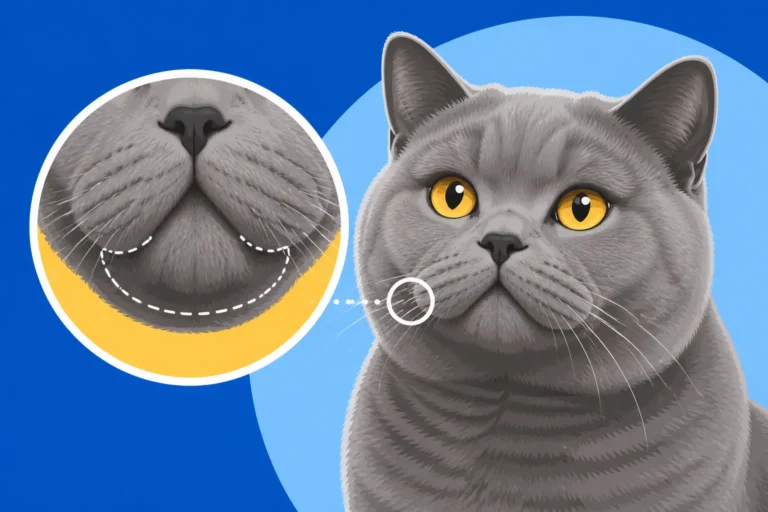
British Shorthairs, with their distinctive brachycephalic (short-nosed) features, can sometimes have slightly more crowded teeth than other breeds. This crowding creates tighter spaces where food particles and plaque can accumulate, making it harder for natural chewing actions to clean the teeth effectively. Think of it like trying to clean between very closely spaced fence posts – it’s just tougher to get in there. This anatomical predisposition means they might be at a slightly higher risk for plaque and tartar buildup from the get-go.
Beyond the physical structure, many British Shorthairs, being wonderfully laid-back, aren't exactly champion chewers or vigorous hunters. Their diet often consists of commercial kibble or wet food, which, while nutritious, doesn't always provide the abrasive action needed to scrape plaque from tooth surfaces. Unlike a wild cat tearing into prey, our pampered pets need a little extra help to maintain their oral health. This lack of natural dental "scrubbing" means plaque can harden into tartar more quickly, setting the stage for bigger problems down the line.
Another factor is their generally quiet and stoic nature. British Shorthairs are masters at hiding discomfort, including dental pain. A cat suffering from gingivitis or a painful tooth might not show obvious signs until the condition is quite advanced. This can lead to owners missing early warning signals, delaying intervention until the issue has escalated. It's a testament to their resilience, but also a challenge for us as their caregivers to be extra vigilant and proactive about their health, including their teeth.
The Trouble with Brushing a British Shorthair's Teeth
Let's be honest, trying to brush a cat's teeth can feel like wrestling a very furry, opinionated octopus. And with a British Shorthair, known for their calm but often unyielding nature, it can be particularly challenging. Their preference for being near you rather than on you, combined with a general dislike for forced interaction, can turn a simple dental hygiene routine into a full-blown wrestling match that leaves both of you stressed and frustrated. It’s not that they’re being difficult; it's simply not a natural or enjoyable experience for many felines.
Starting early with tooth brushing is often recommended, but even then, not every British Shorthair will tolerate it. They have strong instincts about their mouths and personal space, and introducing a foreign object like a toothbrush, even a tiny one, can be met with resistance. The act requires patience, gentle handling, and often, a cat that is unusually compliant. If you’ve tried and failed, you're certainly not alone; many British Shorthair owners share this struggle, leading them to seek alternative solutions like dental treats.
When brushing isn't feasible, the alternative means of plaque control become even more critical. Nobody wants to see their beloved cat in pain or facing expensive dental procedures, but without consistent at-home care, that's often the direction things head. This is precisely why the promise of a "dental treat" that does the work for you sounds so appealing and why so many of us grab bags of them from places like Chewy or our local pet store with a hopeful heart. We're looking for an effective, low-stress way to contribute to our cat's oral health without the daily battle.
Recognizing Signs of Dental Problems
Because our British Shorthairs are so good at hiding pain, recognizing the subtle signs of dental issues is crucial. It's easy to dismiss a slight change in behavior, but these can often be indicators that something is amiss in their mouth. One of the most obvious, though often later-stage, signs is bad breath. While no cat's breath smells like roses, unusually foul breath, often described as rotten or metallic, is a strong indicator of bacterial buildup and infection. Don't ignore it, even if your cat seems otherwise fine.
Beyond bad breath, keep an eye out for changes in eating habits. Is your British Shorthair suddenly favoring one side of their mouth, dropping food, or showing reluctance to eat hard kibble they once enjoyed? Perhaps they approach their bowl eagerly but then seem hesitant or chew slowly. These can all be signs of pain or discomfort when eating. Sometimes, they might even become more irritable or withdrawn, as chronic pain can affect their overall mood and willingness to engage. You might notice they are less interested in playing or being petted around their face.
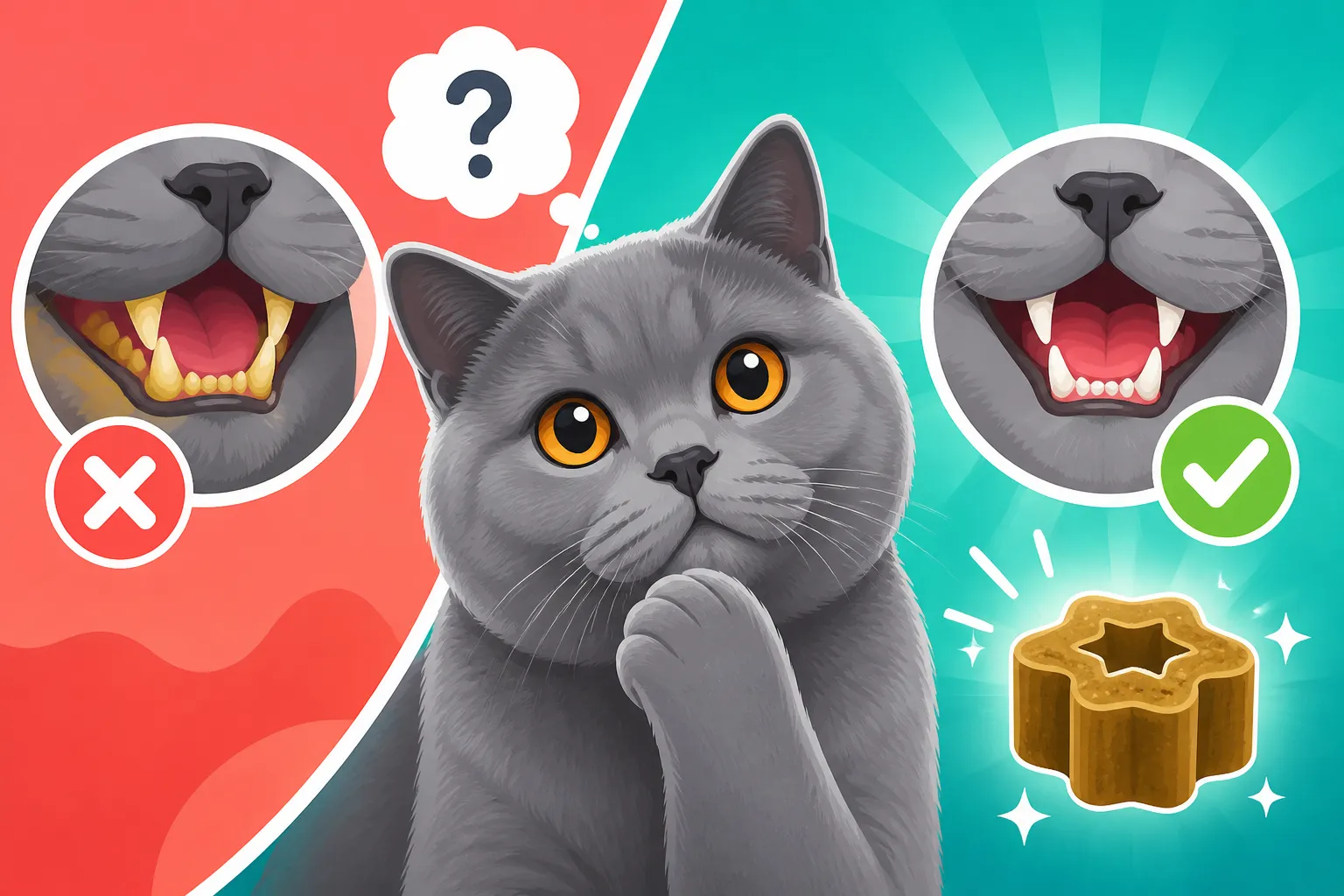
Visual cues are also important, though they require a closer look that not all cats will permit. If you can gently lift your British Shorthair's lips, look for red, swollen, or bleeding gums, which are classic signs of Gingivitis in a British Shorthair. You might also spot brown or yellow tartar buildup, especially on the back teeth, or even a chipped or broken tooth. Excessive drooling can also indicate dental pain, as can pawing at their mouth. Catching these signs early, even if you can't implement daily brushing, can make a significant difference in preventing more severe conditions that would eventually necessitate a trip to the vet for a professional cleaning. Why a British Shorthair Gets Gingivitis is something every owner should be aware of.
How Dental Treats Are Supposed to Work
The market is flooded with dental treats, all promising healthier teeth and fresher breath for your feline friend. It's easy to get lost in the marketing, so let's break down the science behind how these treats are supposed to contribute to your British Shorthair's oral hygiene.
Mechanical Abrasion for Tartar Removal
The primary way most dental treats claim to work is through mechanical abrasion. This means that as your British Shorthair crunches down on the treat, its specific shape, texture, and size are designed to gently scrub the surface of their teeth. Think of it like a tiny, edible loofah for their molars. This scrubbing action is intended to remove the soft plaque before it has a chance to harden into tenacious tartar, which is much more difficult to remove without professional veterinary intervention.
These treats often have a larger size or a unique, porous texture compared to regular treats. Some are designed with ridges, nubs, or an airy structure to maximize contact with the tooth surface during chewing. The idea is that the cat has to chew them thoroughly, rather than just swallowing them whole. This prolonged chewing time allows for more friction, which in turn, contributes to the physical removal of plaque and food debris. The stiffness and density are also key; a treat that's too soft won't provide sufficient abrasion, while one that's too hard could potentially damage teeth.
However, it’s crucial to understand that mechanical abrasion primarily targets the outer surfaces of the teeth. It's less effective at reaching between teeth, along the gum line, or in the deep crevices where plaque loves to hide and cause problems. While it can certainly help reduce plaque buildup on accessible surfaces, it's not a magic bullet that completely cleans every part of every tooth. This is an important distinction to make when you're evaluating the overall effectiveness of dental treats for your British Shorthair's long-term oral health.
Active Ingredients for Plaque Control
Beyond just the physical scrubbing, many dental treats incorporate active ingredients aimed at further combating plaque and bacteria in your British Shorthair's mouth. These ingredients work in various ways, from inhibiting bacterial growth to breaking down existing plaque. It's this chemical action that often sets them apart from regular crunchy treats that offer minimal dental benefit.
Common active ingredients might include compounds like sodium hexametaphosphate (SHMP), which is a chelating agent. SHMP works by binding to calcium in the saliva, preventing it from integrating into plaque and hardening into tartar. This essentially "softens" the plaque and helps prevent new tartar formation, making it easier for the mechanical action of chewing to remove it. Other ingredients might include natural enzymes that break down plaque, or antimicrobials that reduce the overall bacterial load in the mouth, leading to fresher breath.
However, the efficacy of these ingredients depends on several factors: the concentration in the treat, the cat's individual metabolism, and how long the ingredients remain in contact with the oral surfaces. A cat that crunches a treat in two seconds might not get the full benefit compared to one that chews it slowly. When considering such products, always check the ingredient list and any claims about how those ingredients contribute to dental health, looking for specifics rather than vague promises.
Understanding VOHC Approval and What It Means
When you're searching for effective dental treats, one acronym you'll see frequently is VOHC, which stands for the Veterinary Oral Health Council. This is a non-profit organization that awards a seal of acceptance to pet products that meet specific standards for reducing plaque and/or tartar. Seeing the VOHC seal on a treat means that the product has undergone clinical trials and has been proven to be effective for its stated purpose.
For a product to earn the VOHC seal, manufacturers must submit data from trials showing a significant reduction (typically at least 10-20%) in either plaque or tartar buildup compared to a control group. This isn't a guarantee of perfectly clean teeth, but it does mean there's scientific backing that the product does something positive for dental health. It's a gold standard for dental products in the pet industry, giving pet owners a degree of confidence that they are purchasing something that genuinely works as advertised.
Choosing VOHC-approved treats for your British Shorthair is a wise move, as it cuts through the marketing hype and helps you select products with proven benefits. Without this seal, a treat is just a treat, and any dental claims are unsubstantiated. While VOHC approval doesn't mean you can skip professional dental care entirely, it signifies that the treat can play a valuable role as part of a broader dental hygiene strategy. Always look for that VOHC stamp when browsing dental products, whether on Chewy or at your local pet store.
The Real Efficacy of Dental Treats for British Shorthairs
So, do dental treats actually work for our British Shorthairs? The short answer is yes, they can, but with significant caveats. They are a tool in the dental care toolkit, not the entire toolbox. Understanding their limitations and how to best utilize them is key to keeping your British Shorthair's mouth healthy.
The Limits of Treats for Significant Dental Disease
It's crucial to manage expectations about what dental treats can achieve, especially if your British Shorthair already has significant dental disease. Treats are primarily designed for prevention and mild plaque reduction, not for treating existing conditions like severe gingivitis, periodontitis, or dental resorptions. If your cat has substantial tartar buildup, inflamed gums, or loose teeth, a dental treat simply won't be able to reverse that damage. In fact, chewing on hard treats with painful teeth could even exacerbate discomfort.
Think of it this way: if your car's engine light is on because of a major mechanical issue, adding a premium fuel additive isn't going to fix the underlying problem. Similarly, if your British Shorthair has advanced dental disease, the priority needs to be a professional veterinary dental cleaning under anesthesia. This procedure allows the vet to thoroughly examine each tooth, scale away hardened tartar both above and below the gum line, and address any painful or infected teeth. Relying solely on treats in such a scenario would be like putting a band-aid on a gaping wound.
Therefore, while dental treats are a great preventative measure, they are not a substitute for veterinary care when actual dental disease is present. If you suspect your British Shorthair has more than just a little plaque, a vet visit is paramount. They can assess the severity, recommend appropriate treatment, and then you can discuss how dental treats might fit into a post-treatment maintenance plan. It’s about being realistic about their capabilities. How Often a British Shorthair Needs a Dental is a conversation to have with your vet.
When Treats Are a Good Adjunct, Not a Standalone Solution
For British Shorthairs with relatively healthy mouths or very mild plaque, dental treats can be a beneficial adjunct to an overall dental care routine. They act as a supplemental cleaning method, helping to keep plaque from accumulating between professional cleanings or if daily brushing isn't possible. It’s like flossing or using mouthwash in addition to brushing your own teeth – it adds another layer of protection, but doesn't replace the main event.
Consider using VOHC-approved dental treats as a daily or every-other-day addition to your British Shorthair's diet. They can help maintain cleanliness, especially on the surfaces of teeth that the cat uses for chewing. This can be particularly useful for a breed that often doesn't tolerate traditional brushing well. Giving one or two treats a day can provide that extra bit of mechanical abrasion and introduce active ingredients that work against plaque. This routine, combined with regular veterinary check-ups, forms a much stronger defense against dental disease than treats alone.
However, it's vital to remember that treats contribute calories to your cat's How Much an Adult British Shorthair Eats daily intake. British Shorthairs are notoriously prone to weight gain, and dental treats, while small, are not calorie-free. What Obesity Does to a British Shorthair's Joints and overall health is a serious concern. If you're incorporating dental treats, ensure you adjust their regular food portions accordingly to prevent unwanted weight gain. Always check the caloric content on the treat packaging, and factor it into their How Many Calories a British Shorthair Needs for the day. Moderation is key, just like with any treat!
Choosing the Right Dental Treat for Your British Shorthair
Selecting the right dental treat for your British Shorthair involves more than just picking up the first bag you see. You want a treat that is both effective and safe, and ideally, one your cat will actually enjoy eating. The first and most important criterion, as we discussed, is the VOHC seal of acceptance. This seal provides the best assurance that the product has been scientifically proven to reduce plaque or tartar.
Next, consider the size and texture. British Shorthairs have fairly broad jaws, but you still want a treat that encourages chewing rather than quick swallowing. Treats that are too small might be gulped down without much scrubbing action. Look for treats with a slightly larger, often irregular or porous shape designed to engage the tooth surface. The texture should be firm enough to provide abrasion but not so hard that it risks chipping teeth, especially in older cats or those with existing dental issues. Brands available on Amazon or Chewy often provide detailed descriptions of their treat's texture and size, so read those carefully.
Finally, think about palatability and your cat's dietary needs. While dental efficacy is important, a treat won't work if your British Shorthair won't eat it! Many dental treats come in various flavors, such as chicken or salmon, so you might need to experiment a little to find one your cat loves. Also, check the ingredient list for any potential allergens or ingredients your cat might be sensitive to. For example, if your cat is on a prescription diet, consult your vet before adding any new treats, as they might interfere with the therapeutic properties of their food.
| Feature | Beneficial for British Shorthairs | Considerations |
|---|---|---|
| VOHC Seal | Highly Recommended | Ensures scientific backing for plaque/tartar reduction. |
| Size & Shape | Larger, irregular, porous | Promotes chewing, maximizes tooth contact; avoids gulping. |
| Texture | Firm but not brittle | Provides abrasion without risking tooth damage. |
| Active Ingredients | Beneficial | Look for SHMP, enzymes, antimicrobials. |
| Palatability | Essential | Your cat must want to eat it for it to be effective. |
| Caloric Content | Crucial to monitor | Adjust daily food intake to prevent weight gain; British Shorthairs gain easily. |
Integrating Dental Treats into a Holistic Oral Care Routine
Even the best dental treats won't do the whole job alone. A truly effective oral care routine for your British Shorthair is a multi-faceted approach, incorporating various strategies to ensure their long-term dental health. Treats are a helpful component, but they work best when part of a larger plan.
The Importance of Regular Vet Check-ups
No matter how diligently you use dental treats or attempt at-home brushing, regular veterinary check-ups remain the cornerstone of your British Shorthair's dental health. During these visits, your veterinarian can perform a thorough oral examination, which often reveals issues that aren't apparent to the untrained eye. They can identify early signs of Gingivitis in a British Shorthair, tartar buildup, or more serious conditions like resorptive lesions or fractured teeth. Catching these problems early can prevent them from escalating into painful and costly crises.
Your vet will also be able to guide you on the overall health of your British Shorthair's mouth and advise on the frequency of professional dental cleanings. Some cats may need them more often than others, depending on their genetics, diet, and existing plaque accumulation. They can also offer tailored recommendations for dental products, including specific treats or foods, that are best suited for your cat's individual needs. Think of your vet as your co-pilot in maintaining your cat's oral health, providing the expert oversight that no amount of at-home care can replace.
If your vet recommends a professional dental cleaning, don't shy away from it due to concerns about anesthesia. Modern veterinary anesthesia protocols are very safe, especially for generally healthy cats like most British Shorthairs, and the benefits of a truly clean mouth far outweigh the minimal risks. During a cleaning, your vet can do what treats and brushes simply cannot: scale tartar from below the gum line, polish teeth, and extract any teeth that are causing pain or infection. This is a critical step in preventing long-term pain and systemic health issues that can stem from poor oral hygiene. This is also where you might get a quote for What a British Shorthair's First Dental Costs or What a British Shorthair's Gingivitis Costs to Treat.
Considering Other At-Home Dental Care Methods
While dental treats are convenient, they shouldn't be your only at-home dental care method. Diversifying your approach can lead to much better outcomes. One of the most effective, if challenging, methods is still daily tooth brushing. If you haven't given up, or if your cat is particularly tolerant, even a few times a week can make a significant difference. Start slowly, using a cat-specific toothbrush and toothpaste (never human toothpaste!), and reward heavily. If you're looking for tips, you can find a guide on How to Brush a British Shorthair's Teeth.
Beyond brushing, consider dental-specific diets. These prescription or veterinary-formulated foods are often designed with larger kibble sizes or unique fiber matrices that create more abrasive action during chewing than standard kibble. Some also contain active ingredients similar to those found in treats. These can be a fantastic option for British Shorthairs who will readily eat them, providing continuous dental benefits with every meal. Discuss these options with your vet, especially if your cat has other dietary needs or health concerns.
Finally, don't overlook dental rinses or water additives. These products contain antimicrobial agents that can help reduce bacteria in the mouth and freshen breath. While they don't remove plaque mechanically, they can reduce the bacterial load that contributes to plaque and tartar formation. Just ensure any product you use is specifically formulated for cats and is VOHC-approved for peace of mind. Using a combination of treats, specialized food, and potentially rinses creates a robust defense system against dental disease.
Long-Term Dental Health and Your British Shorthair
Caring for your British Shorthair's teeth is truly a lifelong commitment, not a one-time fix. Just like humans, cats require consistent attention to their oral hygiene to prevent discomfort and serious health issues. The goal isn't just to have clean teeth today, but to ensure they have a healthy, pain-free mouth throughout their entire life. This long-term perspective means being proactive and understanding that dental care evolves as your British Shorthair ages.
As your British Shorthair moves into their senior years, their dental needs might change. Older cats can be more prone to dental problems, including tooth resorption, gum disease, and fractured teeth due to wear and tear. Caring for an Old British Shorthair includes heightened dental vigilance. What worked in their younger years might need adjustment. Your vet might recommend more frequent check-ups or dental cleanings as they age. Don't assume that just because they've had good teeth for years, they'll continue to do so without ongoing attention.
Ultimately, dental treats are a welcome addition to the arsenal against feline dental disease, offering a convenient and often palatable way to support oral health. They are a great supplemental tool, especially for British Shorthairs who resist other methods. However, they are most effective when chosen wisely (look for that VOHC seal!), given consistently, and integrated into a broader dental care plan that includes regular veterinary examinations and, when necessary, professional cleanings. It's about combining all the right tools to give your cherished British Shorthair the healthiest, happiest life possible, starting with a bright, comfortable smile.
Disclaimer
This article is for general informational purposes only and does not constitute professional advice. Laws, prices and regulations vary by location and change over time. Consult a qualified professional for guidance on your specific situation.