Why a British Shorthair Gets Gingivitis
It's incredibly disheartening when you notice your beloved British Shorthair, usually so stoic and seemingly unflappable, might be experiencing discomfort, especially something as common yet hidden as dental problems. Many cat parents struggle to pinpoint exactly why their British Shorthair might develop gingivitis, often because our feline friends are masters at masking pain. This comprehensive guide aims to shed light on the specific reasons British Shorthairs are prone to gum inflammation and how you can keep their magnificent smiles healthy.
The Silent Enemy in Their Mouths: Understanding British Shorthair Gingivitis
Gingivitis is one of those sneaky conditions that can creep up on your British Shorthair without much fanfare, yet it can lead to significant pain and health issues down the road. It’s essentially inflammation of the gums, and while it might seem like a minor annoyance, it’s often the first step in a much larger problem. Understanding what gingivitis is and why your particular breed might be more susceptible is the first step in prevention and treatment.
What is Gingivitis?
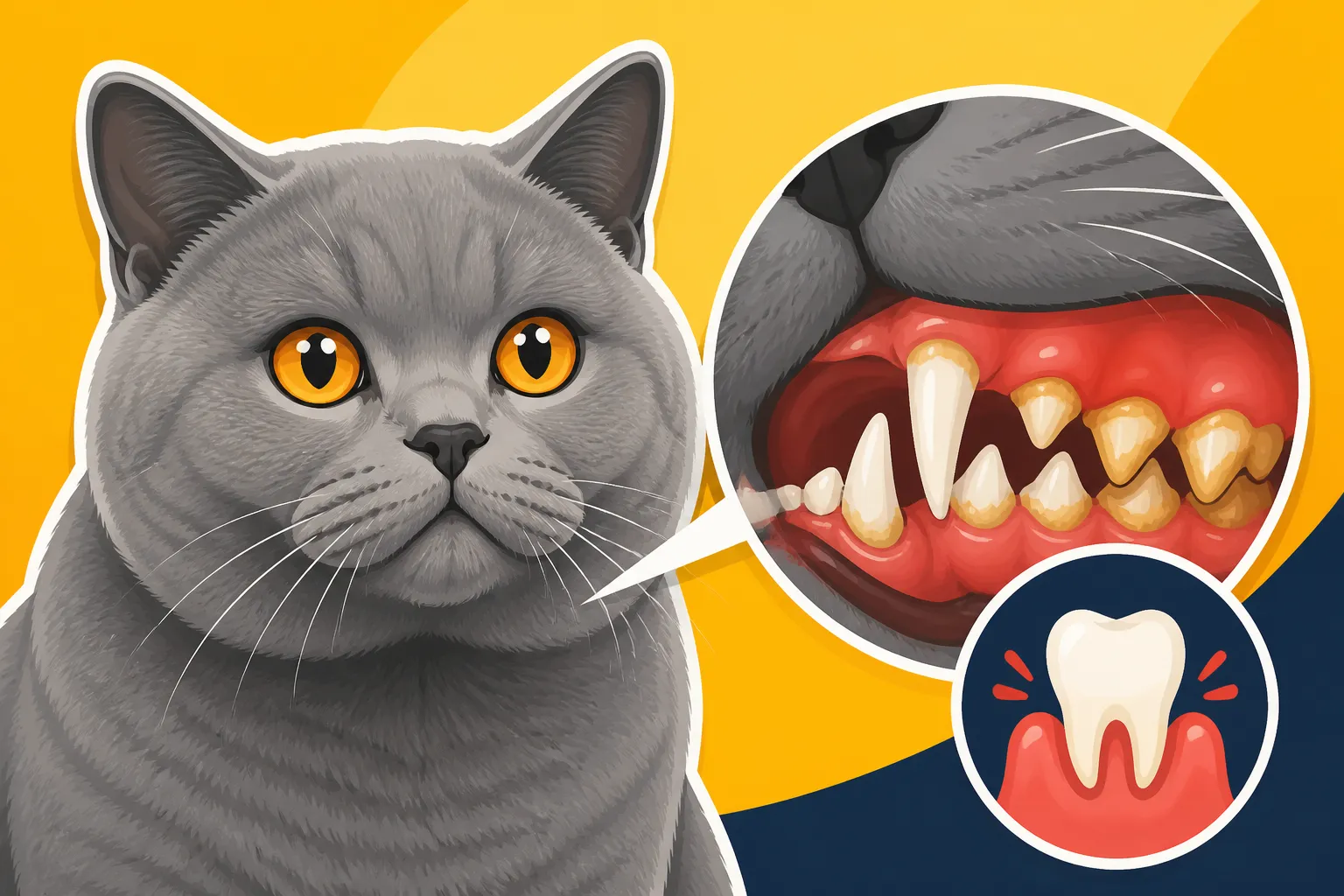
At its simplest, gingivitis is an inflammatory response of the gum tissue caused primarily by plaque buildup. Plaque is a sticky film of bacteria, food particles, and saliva that constantly forms on your cat's teeth. If this plaque isn't removed regularly, it hardens into tartar (calculus), a rough, porous substance that adheres strongly to the tooth surface. This tartar then provides an ideal environment for more bacteria to thrive, irritating the gums and leading to inflammation, redness, and swelling – that's gingivitis. It’s important to note that at this stage, the damage is typically reversible with proper care. However, if left unchecked, gingivitis can progress to periodontal disease, which affects the structures supporting the teeth and can lead to irreversible bone loss and tooth extraction.
Why British Shorthairs Are Prone
British Shorthairs, with their distinctive round faces and often stocky build, have a few traits that can unfortunately contribute to a higher risk of dental issues like gingivitis. Their slightly flattened facial structure, sometimes referred to as brachycephalic tendencies (though less pronounced than a Persian), can affect tooth alignment. When teeth are crowded or misaligned, it creates more nooks and crannies where food particles and bacteria can get trapped, making it incredibly difficult for your cat to clean their teeth naturally and for you to clean them effectively. Moreover, the breed's generally calm and less active nature means they might not be as inclined to chew on toys that could help scrape off plaque, or they might simply be less active overall, which can tie into broader health issues like Obesity Is the British Shorthair's Real Disease, which further exacerbates health problems, including dental ones.
Early Signs You Might Miss
Cats are notoriously good at hiding discomfort, a trait inherited from their wild ancestors where showing weakness could mean becoming prey. This means you have to be extra vigilant to spot the early signs of gingivitis in your British Shorthair. Bad breath (halitosis) is often the first and most obvious indicator. It’s not just "cat breath"; a truly foul odor often signals a bacterial overload in the mouth. Other subtle signs include a decreased appetite or reluctance to eat hard kibble, drooling, pawing at the mouth, or a general change in demeanor – perhaps they're a little more withdrawn or irritable. If you gently lift their lip, you might see a red line along the gumline where the tooth meets the gum, or even some swelling. Remember, these early signs are your best chance to intervene before the problem becomes severe, so keep a close eye on your beloved companion, especially as they reach The Age a British Shorthair Is Considered Senior.
Unpacking the Causes: Why Your British Shorthair's Gums Are Inflamed
Understanding the root causes of gingivitis is crucial for effective prevention and treatment. While plaque and tartar are the direct culprits, several underlying factors in a British Shorthair's life can contribute to their accumulation and the ensuing gum inflammation. It’s a multi-faceted problem that requires a comprehensive approach.
Dietary Habits and Plaque Buildup
The food your British Shorthair eats plays a significant role in their oral health. While dry kibble is often touted for its "scrubbing" action, the reality is that most kibble shatters upon impact, doing little to clean the tooth surface effectively. In fact, many commercial kibbles are high in carbohydrates, which can stick to teeth and provide fuel for plaque-forming bacteria. Soft, wet food, while great for hydration and often preferred by British Shorthairs, also offers no abrasive action to help remove plaque. It’s a double-edged sword: you want to provide nutritious food, but you also need to be mindful of its impact on dental health. For example, knowing How Much an Adult British Shorthair Eats and feeding appropriate portions is key, as overfeeding can lead to obesity, which can indirectly affect a cat's ability to maintain good oral hygiene by limiting their self-grooming.
Consider this: A cat's mouth is designed for tearing and crushing, not grinding. This means that plaque has ample opportunity to build up, especially along the gum line. If your British Shorthair is free-fed, constantly grazing on kibble throughout the day, their teeth are almost always exposed to potential plaque-forming residues. This constant exposure, without proper cleaning, creates a perfect storm for gingivitis. While some prescription dental diets are specifically formulated to help reduce plaque, they are not a substitute for regular physical cleaning.
Genetic Predisposition and Breed-Specific Traits
Beyond dietary habits, the very genetics and physical characteristics of the British Shorthair can unfortunately predispose them to dental issues. We touched on their head shape earlier – that lovely round face can sometimes mean a slightly shortened jaw or crowded teeth. When teeth are packed too closely together, they don't have enough space, leading to rotations or overlaps that create tiny crevices where food and bacteria can hide, becoming breeding grounds for plaque. Think of it like trying to floss teeth that are too tight; it's just harder to get in there.
Furthermore, some breeds may have genetic predispositions to certain immune responses or variations in saliva composition that could influence plaque formation or the severity of gingivitis. While British Shorthairs aren't specifically singled out for a unique genetic dental disease, their breed standards that emphasize a broad, round head can inadvertently contribute to dental crowding. This is why regular dental check-ups are even more critical for these cats. You might also notice that male British Shorthairs develop prominent jowls, and while this is a desirable breed trait, it's not directly related to gingivitis, though oral hygiene can become more challenging with their robust facial structure.
Age and Overall Health Factors
As our British Shorthairs age, just like us, their bodies become more susceptible to various health challenges, and dental health is no exception. The cumulative effect of years of plaque buildup, even with some home care, often leads to gingivitis and eventually periodontal disease. Older cats may also have a weakened immune system, making them less able to fight off bacterial infections in the mouth. Caring for a British Shorthair Past Ten means being particularly diligent about their dental health, as dental disease can significantly impact their quality of life during The Twelve to Seventeen Years a British Shorthair Gets.
Moreover, other systemic health conditions can impact oral health. Cats with diabetes, kidney disease, or FIV/FeLV may be more prone to gingivitis and more severe forms of periodontal disease due to compromised immune function. For instance, cats suffering from Why an Overweight British Shorthair Cannot Groom Its Back might neglect their grooming, including indirectly affecting their oral hygiene by not keeping their fur clean around the mouth. This interconnectedness means that good dental hygiene isn't just about the mouth; it's a vital part of their overall well-being. Regular veterinary check-ups that include a thorough oral examination are essential to catch these issues early, especially for our senior furry companions.
Beyond the Gums: The Ripple Effect of Untreated Gingivitis
While gingivitis might start innocently enough as red, swollen gums, its progression can have far-reaching and serious consequences for your British Shorthair’s overall health. Ignoring these early signs isn't just about discomfort; it can lead to chronic pain, tooth loss, and even systemic diseases affecting vital organs.
Progression to Periodontal Disease
If left untreated, gingivitis inevitably progresses to periodontal disease. This is where the real trouble begins. The inflammation moves beyond the gum tissue to affect the deeper structures supporting the teeth: the periodontal ligament and the alveolar bone. The bacteria from the plaque and tartar burrow under the gum line, creating pockets of infection. These pockets lead to the destruction of the bone that anchors the teeth in place. Once this bone loss begins, it's irreversible.
You might notice more severe signs at this stage, such as persistent bleeding gums, loose teeth, or even abscesses. Imagine the constant pain this causes; it would be like having multiple toothaches all the time. Your British Shorthair might become even more withdrawn, refuse to eat, or show aggression when touched near the mouth. At this point, the treatment often involves extensive dental cleanings under anesthesia, potentially multiple tooth extractions, and ongoing management, which can become quite costly, adding to What an Aging British Shorthair's Bills Look Like. Early detection and intervention for gingivitis are truly the best defense against this painful and destructive progression.
Systemic Health Implications
The mouth isn't an isolated part of the body, and the chronic bacterial infection associated with periodontal disease doesn't stay confined to the gums. The constant presence of bacteria and inflammatory mediators in the mouth means they can easily enter the bloodstream, traveling to distant organs. This is why untreated dental disease is linked to serious systemic health problems.
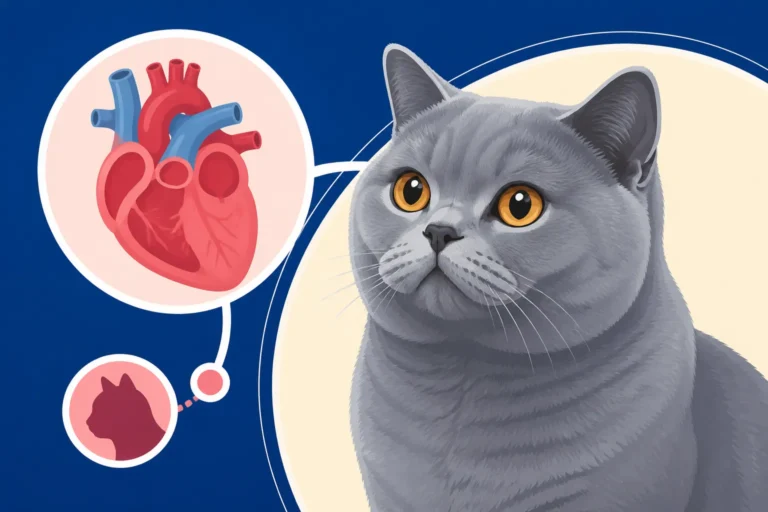
Research has shown correlations between severe periodontal disease and conditions affecting the heart, kidneys, and liver. For example, bacteria from the mouth can contribute to endocarditis, an infection of the heart valves. The kidneys and liver, which filter toxins from the blood, can become strained and damaged by the constant influx of bacteria and inflammatory substances. This silent spread of infection can significantly shorten your British Shorthair's lifespan and diminish their quality of life. This is why annual wellness exams, including a thorough oral check and potentially What a British Shorthair's Yearly Bloodwork Should Cover, are paramount. Companies like Healthy Paws, which offer pet insurance, often emphasize the importance of preventative care to avoid these more serious and costly conditions.
Pain and Quality of Life
Perhaps the most heartbreaking consequence of untreated gingivitis and periodontal disease is the chronic pain and suffering your British Shorthair endures. Cats are incredibly stoic, and they will often continue to eat and go about their daily routines despite significant oral pain. You might not see them crying out, but imagine living with constant throbbing pain in your mouth. This pain can make eating, playing, and even grooming themselves incredibly uncomfortable.
A cat with dental pain might become withdrawn, less interactive, or simply seem "off." They might hesitate before eating, drop food, or chew only on one side of their mouth. Their general demeanor can change, leading to a reduced quality of life. A cat unable to eat comfortably can lose weight, and an animal in chronic pain is less likely to engage in play, affecting their mental well-being too. Ensuring their dental health is crucial not just for physical well-being, but for their overall happiness and comfort throughout their lives. Healthy Paws understands the impact of dental health on overall quality of life and supports comprehensive veterinary care.
| Symptom / Condition | Healthy Gums | Mild Gingivitis | Moderate Gingivitis | Severe Periodontal Disease |
|---|---|---|---|---|
| Gum Color | Pale pink | Reddened | Bright red, swollen | Deep red, purple, bleeding |
| Plaque/Tartar | Minimal | Present | Significant buildup | Heavy, extensive buildup |
| Bad Breath | None | Mild | Moderate to strong | Very strong, foul odor |
| Bleeding | None | Possible upon brushing | Spontaneous, easy | Frequent, severe |
| Pain Level | None | Mild discomfort | Moderate pain | Severe, chronic pain |
| Tooth Mobility | None | None | Mild loosening | Significant loosening, loss |
| Appetite Changes | None | Minor reluctance | Noticeable decrease | Severe decrease, weight loss |
Proactive Steps: Keeping Your British Shorthair's Mouth Healthy
Preventing gingivitis is far easier, less painful, and less expensive than treating advanced periodontal disease. The good news is that there’s a lot you can do as a British Shorthair owner to support their oral health. It requires consistency, patience, and a good partnership with your veterinarian.
Effective Home Dental Care Routines
Starting a home dental care routine early in your British Shorthair's life is the most effective way to prevent plaque and tartar buildup. The gold standard is daily tooth brushing. Yes, it sounds daunting, but with patience and positive reinforcement, many cats can be trained to tolerate it. Use a cat-specific toothbrush or a finger brush and enzymatic toothpaste designed for felines (never human toothpaste). Focus on the outside surfaces of the teeth, especially the molars and canines, as these are where plaque tends to accumulate most. Even a few seconds of brushing each day can make a huge difference. You can learn more about How to Brush a British Shorthair's Teeth in our dedicated guide.
If brushing isn't feasible, there are other options to supplement, though they are less effective on their own. Dental treats and water additives can help reduce plaque, but always look for products with the Veterinary Oral Health Council (VOHC) seal of approval, which indicates they meet certain standards for plaque or tartar control. Even encouraging play with chew toys designed for dental health can offer some benefit. The key is consistency; a little effort every day goes a long way.
The Importance of Professional Vet Visits and Cleanings
No matter how diligent you are with home care, professional veterinary dental cleanings are often necessary to maintain optimal oral health for your British Shorthair. Just like humans need regular dentist visits, our cats benefit from professional attention. During a comprehensive oral exam, your vet can assess the overall health of your cat's mouth, identify any areas of concern, and recommend a professional cleaning if needed.
A professional dental cleaning for cats involves anesthesia, which allows the vet to thoroughly examine each tooth, scale away plaque and tartar above and below the gum line, and polish the teeth to smooth the surfaces, making it harder for plaque to adhere. X-rays are also crucial to assess the health of the tooth roots and bone structure below the gum line, as much of the disease can be hidden. Your vet can advise you on How Often a British Shorthair Needs a Dental, which typically ranges from yearly to every few years depending on your cat's individual needs and the effectiveness of your home care routine. Remember, investing in these preventative cleanings can save you from far more expensive treatments down the road. Pet insurance providers like Healthy Paws encourage these preventative measures by covering unexpected illnesses and accidents.
Nutritional Strategies for Oral Health
While home brushing is paramount, adjusting your British Shorthair's diet can also contribute positively to their oral health. As mentioned earlier, while dry kibble isn't a magic bullet, choosing a high-quality, specifically formulated dental diet can be beneficial. These diets often have a larger kibble size or a unique texture that encourages more chewing, or they contain ingredients that help reduce plaque formation or tartar adhesion. Brands like Hill's Prescription Diet t/d or Royal Canin Dental are often recommended by veterinarians.
Beyond specialized diets, ensuring your cat maintains a healthy weight is vital. An Obesity Is the British Shorthair's Real Disease can lead to a host of other health issues, and it can also make it harder for your cat to self-groom, potentially contributing to less effective oral hygiene. Discuss with your vet whether to incorporate Whether a British Shorthair Needs Wet Food into their diet, as it can be beneficial for hydration and overall health, especially for male British Shorthairs prone to urinary issues, but remember it doesn't clean teeth. Ultimately, a balanced, high-quality diet, fed in appropriate portions, supports not just their teeth but their entire body, making them more resilient against various health challenges.
Disclaimer
This article is intended for informational purposes only and is not a substitute for professional veterinary advice, diagnosis, or treatment. Always seek the advice of your veterinarian or other qualified health provider with any questions you may have regarding a medical condition or the health and welfare of your British Shorthair.