How Long a British Shorthair Takes to Dry
If you've ever given your beautiful British Shorthair a bath, you've probably experienced the unique challenge of getting that dense, plush coat thoroughly dry afterwards. It's not like drying a regular house cat; their fur seems to hold onto water with an almost magical grip, leaving them damp for what feels like an eternity. This guide is here to walk you through exactly why your British Shorthair takes so long to dry and offer practical, empathetic strategies to make the process smoother and quicker for both of you.
Understanding the Unique Nature of the British Shorthair Coat
The British Shorthair's coat is one of its most defining and beloved features. It's incredibly soft, dense, and feels like a thick, plush carpet. But these very qualities that make it so appealing are precisely what make drying such a lengthy affair.
Why Their Fur Holds Water So Well
Unlike many other cat breeds that have sleeker, thinner coats, the British Shorthair boasts a double coat. This means they have a soft, fine undercoat for insulation, covered by a slightly coarser, "crisp" guard hair layer. When you look closely, you'll notice their coat stands away from their body, not lying flat. This distinctive texture and density are what allow it to trap so much air, providing excellent insulation. However, once that dense undercoat gets wet, it absorbs and holds onto water like a sponge. It’s not just the surface that's wet; the moisture penetrates deep down, clinging to every strand. It's a bit like trying to dry a thick wool blanket versus a thin cotton sheet – the blanket simply has more material to soak up water and then more surface area within its fibers to cling to it. This is why you might feel the top layer of fur is dry, but delve deeper, and you find a stubborn dampness. A British Shorthair's Coat Stands Away From Its Body is part of what makes it so charming, but also a challenge when drying.
The Coat's Purpose and Paradox
Historically, the British Shorthair's ancestors, the street cats of Britain, developed this incredibly dense, weather-resistant coat to protect them from the often damp and chilly climate. This plush insulation kept them warm and dry, allowing water to bead off the outer layer under normal conditions. It's a coat designed for survival in the outdoors, offering a natural barrier against the elements. However, when we deliberately submerge them in water for a bath, we bypass this natural water resistance. The paradox is that the very features designed to keep them dry in light rain make them incredibly difficult to dry once fully saturated. The tightly packed fibers and the underlying downy undercoat become completely soaked, making it an uphill battle to extract all that moisture. It’s a testament to Why a British Shorthair's Coat Protects It that it's such a job to dry out.
Variables in Drying Time
The actual time it takes to dry your British Shorthair can vary quite a bit depending on several factors. A young kitten might dry faster than a fully mature adult with a very developed coat. An individual cat's coat density also plays a role; some British Shorthairs have even thicker, denser fur than others. Environmental humidity is a huge factor – trying to air dry your cat on a humid summer day will take significantly longer than on a dry, breezy one. The ambient temperature of your home, and how much air circulation you have, also influence drying speed. Plus, let's not forget your cat's cooperation level! A cat that tolerates being towel-dried and even a bit of gentle hairdryer use will naturally dry faster than one who demands to be left alone immediately after their bath.
Realistic Expectations for Drying Time
It’s crucial to set realistic expectations when it comes to drying a British Shorthair. This isn't a quick twenty-minute job. Depending on your method, it can range from a few hours to half a day, or even longer for a completely air-dried cat.
The Air-Dry Method
If you opt for purely air drying, prepare for a long haul. While it might seem like the least stressful option for your cat, it's actually the slowest and potentially carries some risks. A British Shorthair left to air dry entirely might take anywhere from 4 to 12 hours, possibly even more, to be truly bone-dry down to the skin. During this extended period, especially if the house isn't particularly warm or dry, your cat can become chilled. This isn't just uncomfortable; a prolonged damp coat can lead to skin irritation, fungal growth, or even mats forming as the fur dries unevenly and clumps together. Imagine walking around in damp clothes all day – it's just not pleasant. For these reasons, relying solely on air drying is generally not recommended unless you live in a very warm, dry climate and can closely monitor your cat for comfort and ensure proper air circulation around their body.
The Towel-Dry Marathon
Towel drying is usually the first line of defense after a bath, and it's essential for getting the bulk of the water out. However, even with rigorous towel drying, you're primarily removing surface moisture. That dense undercoat we talked about? It's still likely quite damp. With dedicated, repeated towel changes and blotting, you might get your British Shorthair to a "damp but not dripping" stage in 30-60 minutes. But they won't be dry. Think of it as phase one. You'll use several towels, pressing and blotting, rather than rubbing, which can tangle the fur. Super absorbent microfiber towels are a game-changer here, capable of soaking up far more water than standard cotton towels. You can find excellent options on sites like Chewy or Amazon, specifically designed for pet grooming to speed up this initial stage.
Aiding with Low-Heat Tools
This is where you can significantly cut down drying time and ensure your British Shorthair is thoroughly dry. Using a pet-specific force dryer or even a regular human hair dryer on a low, cool setting is often necessary. A force dryer, like those used by professional groomers, blows high-velocity, unheated air to literally push water off the coat. They are incredibly efficient but can be noisy, so desensitization is key. A human hair dryer, on the other hand, uses heat, which requires much more caution.
When using a hair dryer:
- Keep it on the lowest heat setting. You want warm, not hot, air. Your cat's skin is very sensitive and can burn easily.
- Maintain a safe distance. Hold the dryer at least 10-12 inches away from their body.
- Keep it moving. Never focus the heat on one spot for too long.
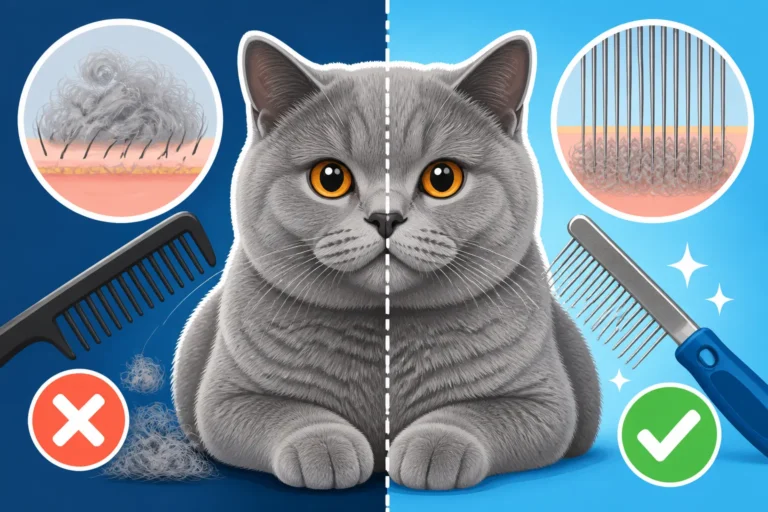
- Brush as you go. This helps separate the fur, allowing air to reach the undercoat and preventing mats. A good quality steel comb, often available from Amazon, is invaluable for this. Which Comb a British Shorthair Needs is crucial for effective grooming and drying.
With consistent towel drying followed by careful, low-heat blow-drying, you can typically get your British Shorthair fully dry in about 1-2 hours. This is the most efficient and safest method to prevent chilling and coat issues. How Often a British Shorthair Needs a Dental is something else to consider in your cat's overall care routine, as dental health often gets overlooked!
Your Step-by-Step Guide to Efficient Drying
Getting your British Shorthair dry doesn't have to be a battle. With the right approach and a calm demeanor, you can make it a much less stressful experience for both of you.
Pre-Bathing Preparation
Before your British Shorthair even touches water, set yourself up for success. Gather all your drying tools: at least 3-4 clean, dry, highly absorbent towels (microfiber is best), a steel comb, and your hair dryer or pet blower ready. Make sure the room you'll be drying in is warm, draft-free, and has a comfortable surface for your cat to stand or lie on. Having treats on hand can also be a game-changer. Remember, the goal is to make this process as positive as possible. If your cat associates drying with treats or gentle praise, it will go much smoother next time. How a British Shorthair Reacts to Water can often dictate how the drying process will go, so understanding their typical response is helpful.
The Art of the Towel Wrap and Blot
Immediately after the bath, wrap your British Shorthair in a large, warm towel. Gently but firmly blot and squeeze the water out of their fur. Do not rub vigorously, as this can tangle their dense coat, leading to mats and discomfort. Think of it like blotting a delicate fabric – press the towel firmly against sections of their body, letting the towel absorb the water.
Once the first towel is saturated, switch to a fresh, dry one. Repeat this process, paying special attention to the chest, belly, and legs, which tend to hold a lot of water. You'll be amazed how much water comes out with this technique. Continue until no more significant moisture can be blotted from their fur. You should be able to feel that their fur is damp, not soaking.
Introducing the Hair Dryer Safely
This step requires patience and a gentle touch, especially if your cat isn't used to the sound and sensation.
- Start slowly: Introduce the hair dryer while it's off, letting your cat sniff it. Offer treats.
- Low and slow: Turn it on the lowest, coolest setting, holding it far away. Let your cat hear the sound from a distance. Again, offer treats.
- Gradual approach: Once they seem okay with the sound, slowly bring it closer to their body, starting with an area they are less sensitive about, like their back. Avoid their face and ears initially.
- Keep it moving: Continuously move the dryer over their coat, never holding it in one spot. Use your free hand to gently lift and separate their fur, helping the air penetrate the dense undercoat.
- Comb through: While drying, use your steel comb to gently brush through their fur. This helps to detangle any knots and ensures that the air reaches all layers of the coat, further speeding up the drying process. Regular combing, especially during shedding seasons, can also help reduce drying time by removing loose undercoat. How Long Combing a British Shorthair Takes will often be less if you incorporate it into their drying routine.
- Take breaks: If your cat shows any signs of stress – flattened ears, tail swishing, trying to escape – stop immediately. Give them a break, offer comfort, and try again in a few minutes, or even finish the drying in shorter sessions.
Finishing Touches
Once their fur feels dry to the touch, run your fingers deep into their coat, especially around the neck, armpits, and belly, to check for any residual dampness. These areas are prone to holding moisture. If you find any, continue with gentle blow-drying and combing until absolutely every layer is dry. Pay attention to the tail too, as the thick fur there can hold moisture. When you're confident they're completely dry, give them a final thorough comb-through to ensure their coat is smooth and tangle-free. This also helps to redistribute their natural oils, leaving their fur soft and shiny. A final cuddle and plenty of praise will help reinforce that drying is not so bad after all.
Avoiding Common Drying Disasters
Nobody wants a chilled, matted, or stressed British Shorthair. Understanding the potential pitfalls of drying can help you avoid them and ensure a positive experience.
The Dangers of Dampness
Leaving your British Shorthair damp, even for what seems like a short time, can lead to several problems. The most immediate concern is chilling, especially if your home isn't particularly warm. Their dense coat, while great for insulation when dry, can rapidly draw heat away from their body when wet, making them uncomfortable and potentially ill.
Beyond chilling, damp fur is a prime breeding ground for skin issues. Moisture trapped against the skin can lead to bacterial or fungal infections, causing itchiness, redness, and discomfort.
Finally, and perhaps most frustrating for British Shorthair owners, dampness significantly increases the risk of matting. As the fur dries, especially if it’s not brushed or combed through, it can clump together in tight knots. These mats are not only unsightly but can be painful, pulling on the skin and requiring professional removal. This is particularly true for cats who are a little older or overweight and struggle to groom themselves thoroughly. Why an Overweight British Shorthair Stops Grooming Its Back highlights how important your role is in their coat care.
Stress-Free Drying for Your British Shorthair
Your British Shorthair's temperament is generally calm, but they can still find baths and dryers incredibly stressful. The key to minimizing this stress is patience, positive reinforcement, and a gradual approach.
- Start young: If you have a kitten, gently introduce them to the sounds and sensations of a hair dryer early on, even if you're not bathing them. Short, positive sessions with treats can build a good association.
- Keep calm: Your cat can pick up on your anxiety. Maintain a calm, soothing demeanor throughout the process.
- Safe space: Ensure they feel secure. A non-slip mat in the drying area can make them feel more stable.
- Rewards: Liberal use of treats, praise, and gentle petting during and after drying can create a positive memory. Think of a favorite toy from Chewy that they only get after a bath.
- Breaks are okay: If they get overwhelmed, take a break. A few short drying sessions are better than one long, traumatic one.
When to Call in the Professionals
Sometimes, despite your best efforts, drying your British Shorthair at home can be too much. This is perfectly normal, and there's no shame in seeking professional help.
- Uncooperative cats: If your cat becomes overly aggressive, stressed, or simply won't tolerate any form of blow-drying, a professional groomer is equipped with specialized tools (like quiet, high-velocity dryers) and techniques to get the job done efficiently and safely.
- Heavy matting: If your cat develops significant matting due to incomplete drying or lack of grooming, don't try to remove them yourself. This can be very painful and cause skin injury. A professional groomer can safely detangle or shave out mats.
- Time constraints: If you simply don't have the 1-2 hours required for thorough drying, a groomer can take care of it for you.
- Special needs: Older cats or those with health conditions might benefit from the gentle, expert care a professional groomer can provide. Whether a British Shorthair Needs Professional Grooming is a valid question, and for drying, it often can be the best answer.
| Drying Method | Pros | Cons | Estimated Time to Fully Dry (after initial toweling) |
|---|---|---|---|
| Air Drying | Least stressful for sensitive cats (initially) | Very long, risk of chilling, skin issues, matting, cat feeling uncomfortable for extended periods | 4-12+ hours |
| Towel Drying | Removes bulk water quickly, relatively low stress if done gently | Does not fully dry undercoat, still leaves cat damp, requires multiple towels | Never fully dry |
| Hair Dryer (Low/Cool) | Significantly reduces drying time, ensures thorough drying | Can be noisy and stressful for some cats, risk of overheating if not careful, requires constant movement | 1-2 hours |
| Pet Force Dryer | Most efficient, pushes water out, very quick | Can be very noisy, requires desensitization, higher initial cost for equipment, not suitable for all cats | 30-60 minutes |
This article is for general informational purposes only and does not constitute professional advice. Laws, prices and regulations vary by location and change over time. Consult a qualified professional for guidance on your specific situation.