How Much a British Shorthair Smells
One of the most appealing things about cats, for many of us, is how inherently clean they are. They spend hours meticulously grooming themselves, and generally, they don't carry a strong odor. So, when your beloved British Shorthair, with their usually pristine coat, suddenly starts to emit an unpleasant smell, it's not just a nuisance; it's often a clear signal that something isn't quite right. This guide will walk you through understanding why your British Shorthair might be smelling, how to pinpoint the source, and what steps you can take to get them back to their naturally fresh-smelling selves.
The Truth About British Shorthair Odor: Generally Scent-Free Companions
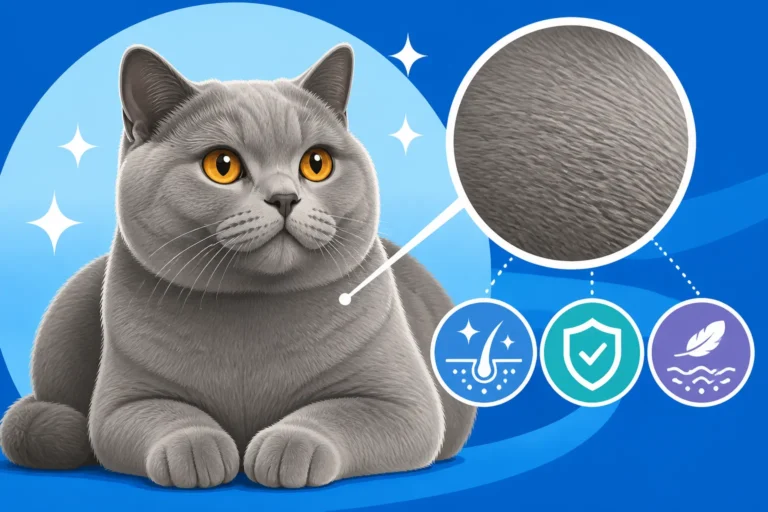
Let's be clear from the outset: a healthy, well-cared-for British Shorthair should not have a strong, offensive odor. They are, by nature, very clean animals, and their dense, plush coats are actually quite good at repelling dirt and generally don't trap a lot of smells. If you've ever buried your face in a freshly groomed British Shorthair, you know there's a faint, pleasant "cat smell"—a comforting scent that's unique to them, but never overpowering or foul.
This minimal scent is largely due to their diligent self-grooming habits. Cats are constantly licking, nibbling, and cleaning their fur, which helps to distribute natural oils, remove loose hair and dander, and keep their coats free from debris. A British Shorthair's coat is particularly well-suited for this, being short, thick, and standing away from the body, making it less prone to tangles and matting that can harbor odors. A British Shorthair's Coat Stands Away From Its Body talks more about this unique coat.
Their calm and generally placid temperament also plays a role in their low odor profile. Unlike some more excitable breeds, British Shorthairs aren't usually prone to excessive stress sweating or anal gland expressions that can contribute to strong odors in high-stress situations. When everything is in balance—their health, their diet, and their environment—your British Shorthair should be a wonderfully low-scent companion. That's why any noticeable departure from this pleasant neutrality should always catch your attention.
When a British Shorthair Starts to Smell: Pinpointing the Problem
A sudden or persistent bad smell coming from your British Shorthair is almost always an indicator that something is off. It’s not just an inconvenience; it’s a symptom, and understanding the potential sources is the first step toward resolving it. From internal health issues to external environmental factors, a range of things can turn your sweet-smelling feline into a less-than-fragrant friend.
Dental Issues and Bad Breath
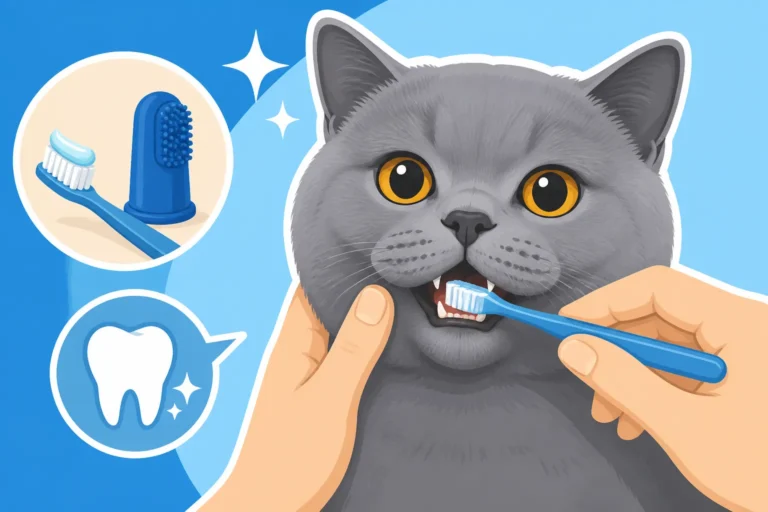
One of the most common and often overlooked sources of a bad smell from a cat is their mouth. If your British Shorthair has breath that could strip paint, it's a huge red flag that something is wrong with their oral health. Just like in humans, plaque and tartar buildup can lead to gingivitis, which is inflammation of the gums. This inflammation creates a breeding ground for bacteria, leading to that distinct, unpleasant odor.
Beyond gingivitis, cats are also susceptible to other painful dental problems like tooth resorption, where the tooth structure erodes. These issues can cause intense pain, make eating difficult, and yes, contribute significantly to bad breath. A poor diet, especially one heavy in carbohydrates and lacking in appropriate dental support, can exacerbate these problems. If you're smelling something truly foul, it's often the anaerobic bacteria thriving in a diseased mouth. For more on this, check out Gingivitis in a British Shorthair.
It’s crucial to remember that cats are masters at hiding pain, so they might not show obvious signs of dental discomfort beyond the bad breath itself. Regular veterinary check-ups are vital for identifying these issues early. Your vet can perform a thorough examination, often requiring sedation for a full assessment and cleaning, to get to the root of the problem and ensure your kitty isn't suffering silently.
Skin and Coat Troubles
The luxurious, dense coat of a British Shorthair is usually a source of pride, but it can also become a source of odor if not properly cared for or if underlying issues arise. Matting, for instance, particularly in less accessible areas like behind the legs or under the belly, can trap dirt, dander, and moisture against the skin. This creates a perfect environment for bacterial or fungal growth, leading to a musty, unpleasant smell. Even without full mats, a coat that isn't being regularly groomed by your cat can accumulate oils and dead skin, resulting in a greasy, stale odor.
Skin infections, whether bacterial, fungal, or parasitic, are another common culprit. These infections often manifest as red, itchy patches, scabs, or excessive flaking, and they almost always come with a distinctive, often yeasty or pungent smell. Allergies can also lead to skin irritation and secondary infections, amplifying any odor. On top of this, if your British Shorthair is overweight – a common issue for the breed, as discussed in Why an Overweight British Shorthair Stops Grooming Its Back and What a British Shorthair Should Weigh – they simply cannot reach all areas of their body to groom effectively, especially their backs and tails. This leads to a buildup of oils, dander, and even fecal matter, causing a persistent and deeply unpleasant smell.
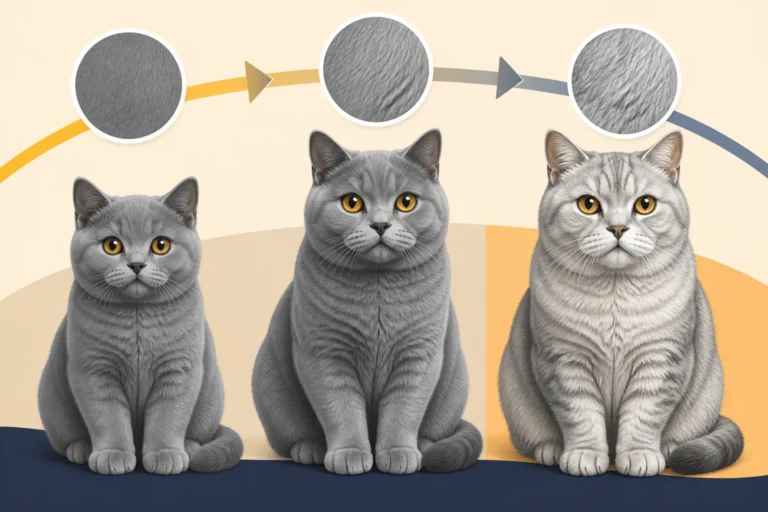
Even normal shedding, especially during seasonal "coat blows," can contribute to a subtle increase in overall "cat smell" if the dead hair and dander aren't removed regularly. While not necessarily foul, it can make the air feel heavy with a faint, dusty cat scent. Regular combing, as detailed in How Often a British Shorthair Needs Combing, is key to managing this.
Urinary and Digestive Distress
Problems with elimination can easily lead to a strong, unmistakable smell from your British Shorthair and your home. If your cat is having accidents outside the litter box, whether due to a urinary tract infection, bladder stones, or stress, the ammonia smell of urine can quickly permeate fabrics and carpets. Male British Shorthairs, in particular, are prone to urinary blockages, which are not only life-threatening but can also lead to foul-smelling urine if they are struggling to pass it. Why a Male British Shorthair Blocks is a vital read on this topic.
Beyond urination, digestive issues can also create significant odor. Diarrhea, whether caused by diet, parasites, or underlying health conditions, is not only messy but also carries a strong, sickening smell that can cling to your cat's fur, especially around the hindquarters. Even chronic soft stools or excessive flatulence can make your cat, and your living space, smell unpleasant. Some sensitive cats might react poorly to certain ingredients in their food, leading to these digestive upsets. Consider whether the food you're offering, even from reputable brands, is truly agreeing with your particular feline.
Finally, anal gland issues are another common, though often overlooked, source of a truly horrific smell. Cats have two small glands on either side of their anus that secrete a strong-smelling liquid, typically during defecation, to mark territory. If these glands become impacted or infected, they can leak spontaneously, releasing a pungent, fishy odor that is incredibly difficult to get rid of and will stick to your cat's fur.
Other Health Concerns
While less common, some serious underlying health conditions can manifest as a generalized bad smell. For instance, kidney disease can sometimes lead to a cat having a metallic or ammonia-like breath odor as toxins build up in their system. Similarly, liver disease can cause a distinct, sickly sweet or musty smell. Uncontrolled diabetes can sometimes lead to a sweet, fruity odor on the breath, though this is less common than in humans.
Ear infections, often caused by bacteria, yeast, or ear mites, can produce a foul-smelling discharge that is readily detectable when you're close to your cat. Their ears might look red, inflamed, or have dark, waxy buildup, accompanied by a strong, yeasty or fetid smell. Ear Infections in a British Shorthair covers this in more detail. Any new, unexplained odor should always be taken seriously, as it could be the first subtle sign of a more significant health problem. It's often one of the silent indicators that your cat is unwell, even before more obvious symptoms appear. A thorough vet check-up is always prudent when a persistent or unusual odor emerges. If you want to know more about the general warning signs, look at Signs a British Shorthair Is Unwell.
Solutions for a Smelly British Shorthair: Getting Back to Freshness
Once you've identified that your British Shorthair has an odor problem, the next step is to tackle it head-on. This isn't just about masking smells; it's about addressing the root cause, which often requires a multi-pronged approach involving veterinary care, enhanced grooming, and sometimes even dietary changes.
Veterinary Intervention is Key
I cannot stress this enough: if your British Shorthair has a noticeable, persistent bad smell, especially one that came on suddenly, your first call needs to be to your veterinarian. A smell is a symptom, not the problem itself. Trying to simply bathe away a smell caused by a dental abscess, kidney disease, or an ear infection is like putting a bandage on a broken leg—it won't solve anything and could even delay proper diagnosis and treatment.
Your vet will conduct a thorough examination, which may include checking their teeth and gums, feeling their skin for lesions, palpating their abdomen, and checking their ears. They might recommend diagnostic tests such as blood work, urine analysis, or a dental x-ray to get a clear picture of what's happening internally. For example, if it's bad breath, a dental cleaning under anesthesia might be necessary, potentially extracting diseased teeth. If it's a skin infection, medicated shampoos or antibiotics might be prescribed. For anal gland issues, manual expression or antibiotics might be needed. Don't hesitate; your vet is your best resource for getting to the bottom of any unusual odor.
Enhancing Grooming Routines
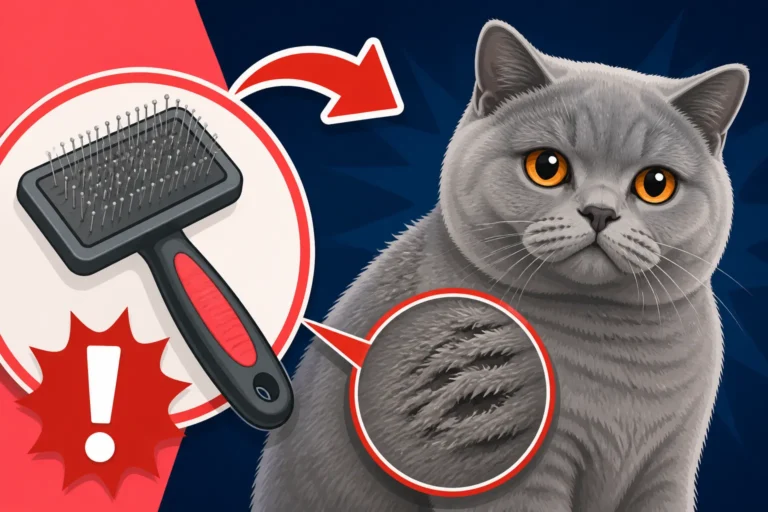
Once any underlying medical issues are being addressed, or if the smell is determined to be purely superficial, ramping up your grooming routine is essential. For a British Shorthair, this primarily means regular, thorough combing. Their dense undercoat can trap a lot of dead hair and dander, contributing to a stale smell. A good quality metal comb, as discussed in Which Comb a British Shorthair Needs, used several times a week, can do wonders in removing this buildup and aerating their coat. This also helps distribute natural oils and stimulates the skin.
Beyond general combing, pay special attention to specific areas. Gently wipe around their eyes with a damp cloth if you notice any tear staining or crustiness. Check their ears regularly for wax buildup, redness, or discharge; if needed, use a vet-approved ear cleaner. For details on this, refer to How to Clean a British Shorthair's Ears. Trim their claws regularly to prevent them from growing too long, which can affect their gait and make it harder for them to groom themselves effectively.
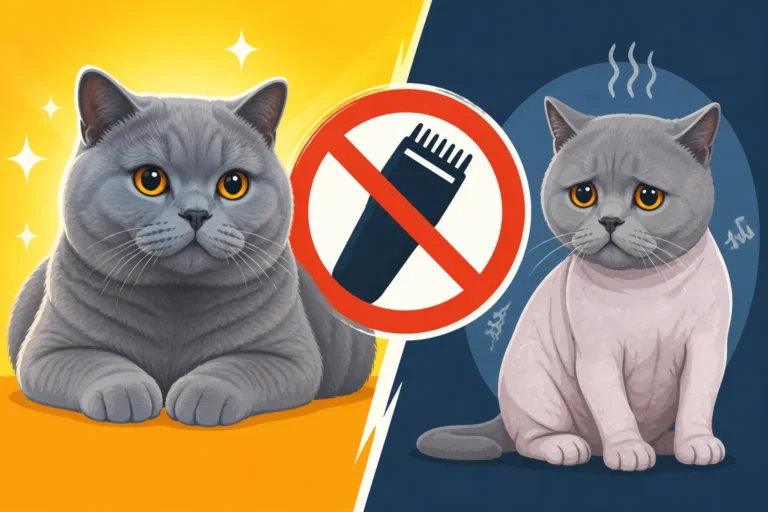
Bathing a British Shorthair is generally not a frequent necessity, and many cats absolutely despise water. However, if your cat has gotten into something truly foul, or if they have severe skin issues requiring medicated shampoo, a bath might be unavoidable. Use a cat-specific shampoo to avoid skin irritation, and make sure the water is lukewarm. Be gentle, talk calmly, and ensure a warm, quiet space for them to dry off afterward. Some cats will tolerate a bath much better if it's introduced slowly and calmly, perhaps with treats, but it should only be done when absolutely necessary.
Dietary Adjustments
Diet plays a significant role in a cat's overall health, including the smell of their breath and their eliminations. If digestive issues are contributing to the odor, a change in diet might be in order. High-quality, species-appropriate food can make a world of difference. Look for foods with high animal protein content and fewer fillers like corn or soy, which can be harder for some cats to digest. Many British Shorthair owners find success with premium brands offering a range of wet and dry food options tailored to feline nutritional needs.
Wet food, in particular, can be beneficial as it increases hydration, which supports kidney health and can improve the consistency of stools. If your vet suspects food allergies or sensitivities, they might recommend a novel protein diet or a hydrolyzed protein diet to see if symptoms improve. Avoiding overly rich treats or human foods that can upset a cat's sensitive stomach is also crucial. Remember that Feeding a British Shorthair That Will Eat Whatever You Put Down also highlights their propensity to overeat, which impacts their weight and ultimately, their ability to groom.
It's always a good idea to introduce any new food gradually over several days to avoid further digestive upset. Monitor your cat's response closely: are their stools firmer? Is their flatulence reduced? Is their coat healthier? Sometimes, simply switching to a better-quality diet can significantly reduce overall odors.
Litter Box Overhaul
A clean litter box is paramount to maintaining a fresh-smelling British Shorthair and a fresh-smelling home. Cats are fastidious creatures, and if their litter box isn't up to their standards, they might start "holding it" or, worse, finding alternative places to relieve themselves. This directly leads to unpleasant odors in the house and potentially on your cat's fur.
For a larger cat like a British Shorthair, you need a large, spacious litter box—preferably one that allows them to turn around comfortably without touching the sides. Open-top boxes are often preferred by cats over covered ones, as covered boxes can trap odors inside, making them unappealing to use. Consider the type of litter as well; unscented, high-quality clumping litter is usually best for odor control and ease of cleaning. You can find excellent options on Amazon or Chewy. Which Litter Box Suits a British Shorthair provides more detailed recommendations.
Scooping at least once, preferably twice, daily is non-negotiable. The entire litter box should be emptied, washed with mild soap and water, and refilled with fresh litter regularly—every 2-4 weeks, depending on how many cats use it. For multiple cats, the general rule of thumb is one litter box per cat, plus one extra, to ensure everyone has a clean option. If your British Shorthair is avoiding the box, it could be a signal that it's too dirty or that they dislike the type of litter or box you're using.
Maintaining a Fresh British Shorthair: Prevention and Routine Care
The best way to deal with a smelly British Shorthair is to prevent the smell from happening in the first place. This involves a consistent routine of care that addresses all aspects of their well-being, from their physical health to their environment. Building good habits now will save you a lot of worry (and nose-wrinkling) down the line.
Consistent Grooming is Your Best Friend
Regular grooming isn't just about aesthetics; it's a cornerstone of preventative health for your British Shorthair. Their beautiful, dense coat needs attention. Aim for at least 2-3 combing sessions a week, using a good quality steel comb to get down into the undercoat. This helps remove loose hair, dander, and any trapped debris that could contribute to odors. It also prevents mats from forming, especially during shedding seasons.
While combing, take the opportunity to perform a quick "health check." Look into their ears for any signs of redness or discharge. Check their eyes for clarity and cleanliness. Gently lift their lips to peek at their gums and teeth—are they pink and healthy, or red and inflamed? This proactive approach allows you to spot potential issues early, before they develop into full-blown, smelly problems. Regular nail trims are also important, as overgrown claws can make self-grooming difficult.
High-Quality Diet and Hydration
What goes into your British Shorthair directly impacts what comes out, both literally and figuratively. A high-quality, balanced diet is crucial for healthy digestion, a shiny coat, and good overall health. Feed a reputable commercial cat food that lists meat as the first ingredient. Many British Shorthairs thrive on a diet rich in protein and moisture, which is why wet food can be an excellent choice. This also encourages good hydration, supporting kidney and urinary tract health, which in turn helps prevent unpleasant urinary odors.
Ensure your cat always has access to fresh, clean water. Some cats prefer running water from a fountain, while others are content with a bowl. If you struggle to get your British Shorthair to drink enough, incorporating more wet food into their diet is a simple and effective strategy. Adequate hydration not only keeps their internal systems running smoothly but can also help flush out toxins and maintain healthy skin, reducing the likelihood of skin-related odors. For more on what your British Shorthair needs, see How Many Calories a British Shorthair Needs.
Environmental Cleanliness
A clean cat living in a dirty environment is a recipe for odor disaster. Maintaining a clean home, especially the areas your British Shorthair frequents, is essential. Regularly vacuum carpets and upholstery to remove shed hair and dander, which can accumulate and contribute to a stale "cat smell." Wash your cat's bedding regularly, as oils and dander can build up there.
The litter box, as we've discussed, is a primary culprit for household odors. Keep it meticulously clean. For accidents outside the box, use an enzymatic cleaner (many great options are available on Amazon) specifically designed to break down cat urine. These cleaners neutralize the odor-causing bacteria rather than just masking the smell, preventing your cat from being attracted back to the same spot. A clean environment means less chance of your British Shorthair picking up ambient smells or having accidents that lead to stubborn odors.
Regular Vet Check-ups
Preventative care is, without a doubt, the most effective tool in your arsenal against a smelly British Shorthair. Regular wellness exams, typically once a year for adult cats and twice a year for seniors, allow your veterinarian to catch potential health issues before they become serious and noticeable, often with an accompanying odor. During these visits, your vet will perform a full physical examination, check their teeth, ears, skin, and listen to their heart and lungs. How Often a British Shorthair Needs a Wellness Exam covers the typical schedule.
These routine check-ups are also an opportunity to discuss any subtle changes you've noticed, whether it's a slight increase in shedding, a change in appetite, or a faint, lingering smell you can't quite place. Early detection of conditions like dental disease, kidney issues, or skin infections means faster, easier, and often less expensive treatment. Think of it as investing in your cat's long-term health and your own peace of mind, ensuring your British Shorthair remains the wonderfully clean, sweet-smelling companion you cherish.
Here's a quick reference table to help you identify common odor sources:
| Odor Type | Likely Source(s) | Associated Symptoms (Other than Smell) | Recommended Action |
|---|---|---|---|
| Foul Breath | Dental disease (gingivitis, tooth resorption), kidney disease, digestive issues | Red gums, difficulty eating, pawing at mouth, weight loss, lethargy | Vet check for dental exam/cleaning; blood work for kidney issues |
| Musty/Stale | Matted fur, oily coat, skin infection, obesity (poor grooming), heavy dander | Dull coat, skin flakes, scratching, greasy patches, weight gain | Enhanced combing, vet for skin issues, weight management |
| Ammonia/Urine | Urinary tract infection, inappropriate urination, spraying, bladder stones | Frequent urination, straining, painful urination, urinating outside box | Vet check for urinalysis/imaging; clean affected areas with enzymatic cleaner |
| Fishy | Anal gland issues, certain digestive problems | Scooting, excessive licking of hindquarters, soft stool, diarrhea | Vet for anal gland expression; dietary review |
| Yeasty/Pungent | Ear infection, skin infection (fungal) | Head shaking, scratching ears, red/swollen ears, skin lesions | Vet check for ear/skin infection diagnosis and treatment |
| Fecal | Diarrhea, poor self-grooming (obesity), dirty litter box | Loose stools, soiled hindquarters, lethargy, frequent defecation | Vet check for digestive issues; dietary changes; enhance litter box hygiene |
Disclaimer
This article is for general informational purposes only and does not constitute professional advice. Laws, prices and regulations vary by location and change over time. Consult a qualified professional for guidance on your specific situation.