Which Litter Box Suits a British Shorthair
It's an age-old conundrum for British Shorthair owners: you've got this magnificent, substantial cat with a personality all its own, and suddenly, the standard litter box you bought for your dainty domestic shorthair just isn't cutting it. Whether it's the frantic attempt to turn around in a too-small space, the awkward entry and exit, or simply a flat-out refusal to use something that feels undignified, finding the right litter box for your plush companion can be surprisingly tricky. This guide is here to walk you through everything you need to consider, from size and design to placement and litter type, ensuring your British Shorthair feels comfortable and happy using their facilities, and preventing those frustrating "accidents" that can crop up when the box isn't a good fit.
Understanding the British Shorthair's Unique Needs for a Litter Box
When we talk about British Shorthairs, we're not talking about your average slender, agile feline. These are substantial cats with a particular build and a generally calm, dignified demeanor. What works for a lithe Siamese or a playful domestic short-hair often falls short for a British Shorthair, and understanding their unique characteristics is the first step to choosing the perfect potty spot. Ignoring these specific needs can lead to all sorts of issues, from discomfort to outright litter box aversion, which nobody wants!
Size and Stature Considerations
The most glaring difference with a British Shorthair is, of course, their size. These cats are known for their "cobby" build – broad chests, short, sturdy legs, and a dense, muscular body. They aren't just heavy; they're wide and long. A small, enclosed litter box that might seem cozy to another cat can feel like a cramped closet to a British Shorthair. Imagine trying to turn around in a tiny phone booth with a fluffy coat on; that's often how a standard box feels to them. They need ample space to enter, turn around comfortably, dig, and then exit without brushing their fur against soiled sides. This often means looking at the largest litter boxes available on the market, sometimes even those designed for small dogs, just to ensure they have enough room to maneuver. Don't underestimate how much space they occupy, especially when they're fully grown, which can take a few years. What a British Shorthair Weighs and How Big It Gets gives you a good idea of the dimensions we're talking about.
Temperament and Privacy Needs
British Shorthairs are generally known for their calm and independent nature. They appreciate routine and a sense of order. While some cats might be perfectly fine with an open-pan litter box in a high-traffic area, a British Shorthair often prefers a bit more privacy and predictability when doing their business. They aren't typically a breed that enjoys being startled or feeling exposed while vulnerable. This doesn't necessarily mean they need a fully enclosed, hooded box, but it does mean thinking about where the box is placed. A quiet corner of a room, away from noisy appliances or busy thoroughfares, is usually ideal. Some British Shorthairs might appreciate a hooded box, not for the "privacy" in the human sense, but because it feels like a safe, enclosed space where they can focus on the task at hand without feeling watched. However, this preference varies greatly from cat to cat, and some might actually find hooded boxes too confining or poorly ventilated. Their general calm disposition also means they are less likely to tolerate an unstable or flimsy box, preferring something sturdy and immovable. What a British Shorthair Does All Day often involves a lot of quiet observation, so a calm, predictable environment extends to their bathroom habits.
Common Health Issues Impacting Litter Box Choice
British Shorthairs, like many purebred cats, have certain predispositions that can influence their litter box needs. Obesity, for instance, is a significant concern for the breed, given their tendency towards a sedentary lifestyle and hearty appetite. Why a British Shorthair Gains Weight So Easily means many British Shorthairs can become quite chunky. An overweight British Shorthair will struggle immensely with high-sided boxes, having to strain to climb in and out, which can deter them from using the box altogether. This difficulty can also exacerbate joint issues, like arthritis, which can become more prevalent as they age. Similarly, urinary problems are not uncommon in cats, and a British Shorthair struggling with discomfort or frequent urination needs a box that is easy to access quickly and without pain. Older British Shorthairs, who might develop Arthritis in an Older British Shorthair or other mobility limitations, will benefit greatly from a low-entry box to minimize stress on their joints. The goal is to make the experience as comfortable and accessible as possible to encourage good habits and prevent unnecessary strain or pain.
The Ideal Litter Box Dimensions and Features for a British Shorthair
When you're out shopping for a litter box for your British Shorthair, you need to think beyond the cute colors or fancy gadgets. The core needs are rooted in their substantial physique and dignified nature. You're looking for something that offers ample space, easy access, and robust construction. Forget the "standard cat box" aisle for a moment and consider what a truly comfortable restroom experience would look like for a cat of their build.
Length, Width, and Depth: Why Bigger is Always Better
For a British Shorthair, size truly matters. A general rule of thumb for any cat is that the litter box should be at least 1.5 times the length of your cat from nose to tail base. For a British Shorthair, this often translates to a box that is significantly larger than what many pet stores stock as "large." We're talking about boxes that are easily 24-30 inches long and at least 18-20 inches wide. This generous space allows them to step in, turn around fully without touching the sides, dig vigorously, and find an untouched spot every single time. A cramped box can make them feel trapped or force them to step in their own waste, which is a big no-no for most fastidious felines. The depth is also crucial: deep enough to hold a good 3-4 inches of litter for ample digging, but not so deep that they struggle to get in or out, especially as they get older. Think of a large storage tote or even a concrete mixing tub – sometimes these unconventional options are exactly what your British Shorthair needs to feel truly comfortable. You can often find these oversized options on sites like Chewy or Amazon, allowing you to compare dimensions easily.
Entry and Exit Points: Accommodating a Sturdy Build
Given their sturdy build and shorter legs, the entry point of the litter box is paramount. While kittens and young, athletic British Shorthairs might manage a higher lip, an adult or aging British Shorthair will greatly benefit from a low-entry design. A lip of 4-6 inches is generally manageable for most adults, but anything higher than 7-8 inches can become a barrier, especially for those prone to What Obesity Does to a British Shorthair's Joints. If they have to jump or strain every time, they might start avoiding the box. Look for designs that have a cut-out or a lowered section on one side. This makes for a graceful, easy step-in rather than an awkward climb. Some boxes even come with built-in ramps, though these can take up extra space and might not be necessary if the entry is low enough. The key is to minimize any physical effort, ensuring that even a sleepy or stiff British Shorthair can enter and exit with ease. This small detail can make a huge difference in their willingness to use the box consistently.
Material and Design: Durability and Cleanliness
Beyond size, the material and design of the litter box contribute significantly to its suitability. Plastic is the most common material, but opt for thick, robust plastic that won't flex or crack under the weight of a digging British Shorthair and several pounds of litter. Flimsy plastic can be easily tipped or chewed, leading to mess and dissatisfaction. Smooth, non-porous surfaces are easiest to clean, resisting odors and bacterial buildup. While a British Shorthair's short coat might not track as much litter as a long-haired breed, a textured interior can sometimes hold onto waste, making cleaning harder.
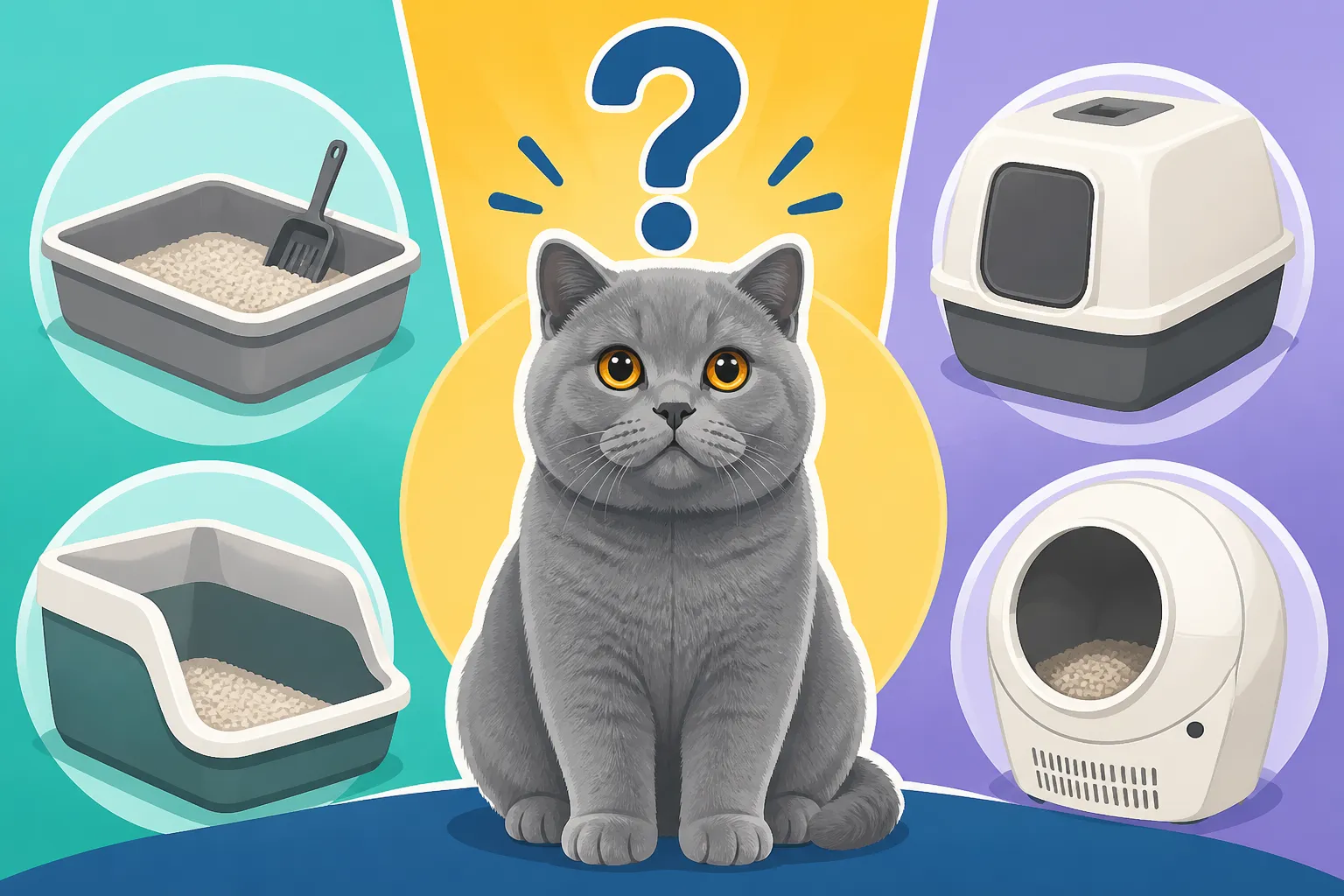
As for design, open-top boxes are often preferred for British Shorthairs. While hooded boxes offer perceived privacy, they can trap odors and humidity, making the environment unpleasant for the cat. A British Shorthair, with its dense coat, might also find a hooded box too warm or stuffy. If you absolutely prefer a hooded box, ensure it's generously sized and has excellent ventilation. Some British Shorthairs prefer a simple, no-frills pan, while others might appreciate a box with a removable rim to contain scatter, provided the entry is still accessible. Regular cleaning is non-negotiable, regardless of the material or design, but a well-designed box will make this task less of a chore for you and a more pleasant experience for your cat. Which Litter Box Size a British Shorthair Needs delves deeper into these specific dimensions.
Types of Litter Boxes: Pros and Cons for British Shorthairs
The world of litter boxes has expanded far beyond the basic plastic pan. From sleek modern designs to self-cleaning marvels, the choices can be overwhelming. For a British Shorthair, however, the emphasis should always be on comfort, accessibility, and practicality over flashy features. Let's explore some common types and how they measure up for our beloved "Brits."
Open Pans Versus Covered Boxes
Open Pan Litter Boxes: These are the classic, no-frills litter boxes – essentially a large plastic tray.
- Pros for British Shorthairs:
- Excellent Ventilation: No trapped odors or humidity, which is a big plus for cats, especially those with dense coats like the British Shorthair who might feel warmer in an enclosed space.
- Easy Access: Generally feature lower sides, making it simple for a sturdy British Shorthair, or one with Arthritis in an Older British Shorthair, to step in and out without strain. You can find extra-large, low-sided options that are perfect for their build.
- Visibility for Owners: It's easier for you to see if the box is dirty and needs scooping, which is crucial for hygiene.
- Preferred by Many Cats: Studies and anecdotal evidence suggest many cats prefer an open environment for their bathroom needs, as it makes them feel less vulnerable and more aware of their surroundings.
- Cons for British Shorthairs:
- Litter Scatter: British Shorthairs are often enthusiastic diggers. Without a lid, litter can easily be kicked out, especially with finer litters. This means more sweeping for you.
- Odor Control (Perceived): While open boxes don't trap odors, they also don't contain them, so if scooping isn't frequent, smells can spread more readily.
- Lack of Privacy (for humans): Some owners prefer a covered box to hide the unsightly view of used litter.
Covered/Hooded Litter Boxes: These boxes have a top or a hood, often with a small opening for entry.
- Pros for British Shorthairs:
- Contains Litter Scatter: The primary benefit is keeping litter contained, reducing mess on your floor.
- Visual Privacy: Hides the contents of the box from view, which some owners appreciate.
- Cons for British Shorthairs:
- Cramped Space: Many standard hooded boxes are simply too small for a British Shorthair to turn around comfortably. Even "large" ones can feel restrictive.
- Trapped Odors and Humidity: This is a major downside. The enclosed space can become incredibly smelly and stuffy, discouraging your cat from using it. Cats have a much stronger sense of smell than humans, so a box that smells bad to you is unbearable for them.
- Accessibility Issues: The entry hole can be too small or too high, making it difficult for a large or less agile British Shorthair to enter and exit.
- Poor Ventilation: Can lead to a build-up of ammonia, which is unhealthy for your cat's respiratory system.
For British Shorthairs, an extra-large open pan is often the superior choice. If litter scatter is a huge concern, consider an open box with higher sides on three sides and a lower entry point on one, or a top-entry box (more on this below).
Self-Cleaning and High-Tech Options
The allure of a self-cleaning litter box is undeniable – who wouldn't want less scooping? However, for a British Shorthair, these come with their own set of considerations.
- Robotic Self-Cleaning Boxes (e.g., Litter-Robot, ScoopFree):
- Pros: Automated waste removal, significant reduction in scooping frequency, good odor control. Many models are large enough to accommodate a British Shorthair's size, with generous interior space. Some models, like the Litter-Robot, offer a spacious globe for turning.
- Cons: High initial cost. Requires specific litter types (usually clumping). Some cats are scared by the movement or noise of the machine, making them hesitant to use it. If the mechanism malfunctions, it can trap waste or stop cleaning, leading to an unusable box. The entry point on some models can be a bit high for older or overweight British Shorthairs, though some brands offer ramps. Regular maintenance (emptying the waste drawer, cleaning the globe) is still required.
- Sifting Litter Boxes: These are manual, multi-part systems where you lift a sifting tray to separate clean litter from clumps.
- Pros: No scooper needed, makes cleaning faster. Generally less expensive than robotic options.
- Cons: Still requires manual intervention. Can be messy if not handled carefully, especially with large clumps from a British Shorthair. The sifting mechanism can sometimes leave behind small soiled pieces.
- Automatic Flushing Litter Boxes (e.g., CatGenie):
- Pros: Washes and dries granules, flushes waste into the toilet. Eliminates the need for traditional litter.
- Cons: Very high initial cost and ongoing supply costs. Requires connection to water and a drain. Many cats are highly resistant to this system, finding the washing cycles and noise unsettling. The British Shorthair's calm nature might make them more sensitive to such drastic changes.
When considering high-tech options, always prioritize your cat's comfort and willingness to use it over your convenience. A fancy box your British Shorthair refuses to use is just an expensive decoration. Test the waters carefully, perhaps by keeping a traditional box available alongside the new one for a while.
Specialty Boxes for Specific Needs
Sometimes, a standard large open pan isn't quite enough, and you need to look at specialized options for particular British Shorthair circumstances.
- Top-Entry Litter Boxes: These boxes have high sides and an opening on the top for the cat to jump in and out.
- Pros: Excellent for containing litter scatter, as the high sides and top entry prevent most kicks and tracks. Keeps contents hidden from sight.
- Cons: Requires a cat to jump, which can be a significant barrier for younger kittens, older British Shorthairs, or those who are Signs a British Shorthair Is Overweight or suffering from arthritis. While a young British Shorthair might manage, it can become an issue as they mature or if they experience any mobility issues.
- Low-Entry/Senior Cat Litter Boxes: These are specifically designed with a very low threshold, often just 2-3 inches high, sometimes with a gentle ramp.
- Pros: Absolutely essential for senior British Shorthairs, those with mobility issues, or very young kittens. Prevents pain and strain, encouraging consistent box use.
- Cons: Can lead to more litter scatter due to the extremely low sides. May be perceived as less private by some cats, though usually comfort wins out.
- Enclosure Furniture: These are pieces of furniture (like cabinets or end tables) designed to hide a litter box inside.
- Pros: Blends seamlessly into home decor, provides maximum visual privacy for the box.
- Cons: Can create the same ventilation and odor issues as a hooded box if not well-designed. The interior space can be too small for a British Shorthair. Entry/exit points can be awkward. Can be difficult to clean, requiring you to pull out the inner box. Always check interior dimensions carefully to ensure your British Shorthair will fit comfortably inside.
Remember, the best specialty box is one that directly addresses a specific need without compromising on the fundamental requirements of space, cleanliness, and accessibility for your individual British Shorthair.
Litter Selection and Placement Strategies for Your British Shorthair
Choosing the right box is only half the battle; what you put in it and where you put it are equally critical for your British Shorthair's litter box happiness. These factors directly influence their comfort, sense of security, and ultimately, their willingness to use the designated area.
Choosing the Right Litter Texture and Type
The world of cat litter is vast, with options ranging from traditional clay to silica gel, pine, corn, and even tofu. For a British Shorthair, much like any cat, the key is to find something that is comfortable under their paws and doesn't have an overwhelming scent.
- Unscented, Fine-Grained Clumping Clay Litter: This is often the gold standard and most preferred by cats.
- Comfort: The fine texture is soft on paws, mimicking natural substrates.
- Cleanliness: Clumping action makes scooping urine easy and efficient, reducing odors and keeping the box cleaner.
- Odor Control: While unscented, good quality clumping clay encapsulates odors effectively.
- Considerations: Can be dusty, and some British Shorthairs might track fine grains more readily. However, the benefits usually outweigh this.
- Alternative Litters (Pine, Corn, Tofu, Silica Gel):
- Pine/Corn/Tofu: These are often softer and can be more environmentally friendly. Some cats take to them well, others don't. The texture can be different, and some British Shorthairs might not like the feel underfoot or the subtle scent. They generally offer good odor control but might not clump as tightly as clay.
- Silica Gel: Excellent odor control and low dust. However, the crystals can be sharp or uncomfortable for some cats' paws. They also don't clump urine, rather absorb it, which means tracking moist granules around the house.
- Avoid Heavily Scented Litters: While they might smell pleasant to you initially, added fragrances are often overpowering for a cat's sensitive nose and can actually deter them from using the box. Your British Shorthair prefers a clean, neutral scent. If you need to manage odor, focus on frequent scooping and a high-quality unscented litter, rather than masking smells with artificial perfumes.
- Depth of Litter: Always maintain at least 3-4 inches of litter in the box. This allows your British Shorthair to dig and cover their waste properly, which is an instinctual behavior that helps them feel secure and clean. Too little litter can leave waste exposed and make them feel like they can't adequately "bury" their business. What Litter a Low Activity British Shorthair Gets Through will give you an idea of how much you'll need.
Optimal Litter Box Location in Your Home
Location, location, location! Just like real estate, where you place the litter box profoundly impacts whether your British Shorthair uses it.
- Quiet, Accessible, and Low-Traffic Areas: Think about where your British Shorthair would feel safe and undisturbed. A quiet corner of a laundry room, a guest bathroom, or a less-frequented hallway can be ideal. Avoid placing it in busy walkways where they might be startled by people or other pets.
- Away from Food and Water: Cats are fastidious creatures. They instinctually avoid eating and eliminating in the same area. Keep their food and water bowls completely separate from their litter box area.
- Easy Escape Routes: Ensure the litter box isn't in a corner where your British Shorthair could feel trapped. They like to have a clear path to get in and out, especially if they share a home with other pets or young children. This ties into their innate need to feel secure and have an escape route if necessary.
- Multiple Boxes, Multiple Locations: The general rule of thumb is one litter box per cat, plus one extra, scattered throughout the home. For example, if you have one British Shorthair, you should ideally have two litter boxes. This offers choice and ensures there's always an accessible option, especially if your cat spends time in different areas of the house. Don't put all the boxes in one room; spread them out. This prevents a single "bad experience" (e.g., a dirty box, a scary noise) from rendering all the available facilities undesirable.
Managing Litter Box Odor and Hygiene
Let's be honest, litter boxes can be stinky. But proper management can keep odors to a minimum and ensure your British Shorthair's bathroom is always inviting.
- Scoop Frequently: This is the absolute golden rule. Scoop solid waste and urine clumps at least once, preferably twice, daily. This immediately removes odor sources and keeps the box fresh for your cat. Many "accidents" outside the box are simply a protest against a dirty toilet.
- Regular Full Litter Changes and Cleaning: Even with daily scooping, residual odors and bacteria can build up. Plan for a full litter change and a thorough scrubbing of the box once a week, or at least every two weeks.
- Empty all old litter.
- Wash the box with warm water and a mild, unscented soap (like dish soap). Avoid harsh chemicals or strong-smelling cleaners, as their residue can deter your cat.
- Rinse thoroughly to remove all soap residue.
- Dry completely before refilling with fresh litter.
- Consider a Litter Mat: To combat litter tracking, place a litter mat outside the box. These textured mats help dislodge litter from your British Shorthair's paws as they exit, keeping it off your floors. You can find many effective options on Amazon.
- Activated Charcoal Filters: If you use a hooded box (and remember our caveats about them), ensure it has an activated charcoal filter, and change it regularly. For open boxes, a sachet of activated charcoal placed near but not in the box can help absorb ambient odors.
- Ventilation: Good air circulation in the room where the box is located will help dissipate any lingering odors. An open window or a small fan (not pointing directly at the box) can make a difference.
By adhering to these hygiene practices, you create a consistently clean and appealing environment, making your British Shorthair much more likely to use their litter box reliably.
Troubleshooting Litter Box Aversions in British Shorthairs
It can be incredibly frustrating when your meticulously chosen litter box goes unused, or worse, becomes the site of unwelcome "accidents." British Shorthairs, despite their placid reputation, are still cats and can develop litter box aversions for a variety of reasons. Understanding the potential causes is key to finding a solution.
Signs Your British Shorthair Isn't Happy with Their Box
Your British Shorthair might not verbally complain, but they'll definitely communicate their dissatisfaction with their litter box through their behavior. It's up to you to be a detective and pick up on these subtle (and not-so-subtle) cues.
- Eliminating Outside the Box: This is the most obvious sign. If your British Shorthair suddenly starts urinating or defecating near the litter box, in a plant, on your carpet, or on a bed, it's a huge red flag. They aren't doing it out of spite; they're trying to tell you something is wrong with their current toilet setup. Why a Heavy British Shorthair Misses the Box if it's too difficult to get into can be one reason.
- Perching on the Edge: Instead of stepping fully into the litter, your cat might balance precariously on the rim, trying to keep their paws out of the litter as much as possible. This indicates discomfort with the litter itself (texture, smell) or a feeling of being cramped.
- Refusing to Bury Waste: After doing their business, they might make frantic scratching motions on the floor or wall around the box, rather than in the litter. This suggests they don't like the litter or don't feel there's enough clean space to cover their waste.
- Excessive Paw Shaking: Rapidly shaking their paws after exiting the box can mean they dislike the feel of the litter or that there's something irritating stuck to their paws.
- Holding It In: You might notice your British Shorthair going less frequently than usual, or straining when they do go. This can be a serious medical issue (like a urinary blockage, especially in males, which is an emergency) or a behavioral one caused by intense aversion to the box. Don't delay a vet visit if you suspect this.
- Crying or Vocalizing Around the Box: While British Shorthairs are typically quiet, unusual vocalizations around the litter box can signal pain or discomfort associated with using it.
- Grooming in or Around the Box: Excessive grooming, particularly of the genital area, in or immediately after using the box, could indicate discomfort or pain during elimination.
Any of these behaviors warrant immediate investigation into both the litter box setup and a veterinary check-up to rule out underlying medical conditions.
Addressing Marking and Accidents Outside the Box
Once you've ruled out medical issues (which should always be the first step with any sudden change in litter box habits), it's time to tackle environmental or behavioral factors causing accidents.
- Re-evaluate the Box Itself:
- Size: Is it truly big enough? Consider upgrading to an extra-large open pan.
- Accessibility: Is the entry low enough? If your British Shorthair is older or heavy, a low-sided option is crucial.
- Cleanliness: Are you scooping frequently enough? Is the box getting a full wash weekly? A cat's sense of smell is far superior to ours; what seems clean to you might still be offensive to them.
- Check the Litter:
- Type/Texture: If you've recently changed litter, revert to the previous one. If you've always used the same, try an unscented, fine-grained clumping clay, as it's generally most palatable.
- Depth: Ensure there are at least 3-4 inches of litter for digging.
- Scent: Are you using scented litter? Switch to unscented immediately.
- Location, Location, Location:
- Privacy/Quiet: Move the box to a quieter, more private spot.
- Safety: Is it in a high-traffic area, or near something noisy that spooks your cat?
- Number of Boxes: Add more boxes! Remember the "n+1" rule. Having multiple options reduces pressure and competition (even in single-cat households, it offers choice).
- Clean Accidents Thoroughly: If your British Shorthair has had accidents outside the box, cleaning them thoroughly is paramount. Use an enzymatic cleaner specifically designed to neutralize cat urine odors. If the odor persists, your cat will be drawn back to that spot, reinforcing the bad habit. You can often find excellent enzymatic cleaners at pet stores or online retailers like Chewy.
Encouraging Good Litter Box Habits
Sometimes, it's not just about fixing a problem, but actively encouraging your British Shorthair to love their litter box.
- Positive Reinforcement: When you see your British Shorthair use the litter box correctly, offer quiet praise or a small, healthy treat (like a tiny piece of freeze-dried chicken, not an unhealthy processed treat). This positive association reinforces the desired behavior.
- Avoid Punishment: Never punish your cat for accidents. They don't understand it and it will only make them fearful of you and potentially more secretive about their elimination habits, leading to more hiding and more accidents. Punishment creates anxiety, which is counterproductive.
- Make the Box Appealing:
- Consider size and material: As discussed, a large, open, sturdy box is usually best.
- Litter: Stick to unscented, fine-grained clumping litter.
- Freshness: Scoop diligently. A clean box is a happy cat.
- Reduce Stress: British Shorthairs thrive on routine. Any major changes in the home (new pet, new person, moving furniture) can cause stress and lead to litter box issues. Provide plenty of hiding spots and ensure their environment is stable and predictable. Sometimes, simply ensuring your British Shorthair feels secure in their home, with plenty of their own space and routine, can prevent issues.
- Consider Cat Attractant Litters: If your British Shorthair is particularly stubborn about using the box, some brands offer litters with specific herbs designed to attract cats. These can be a temporary solution to redirect them, but don't forget to address the root cause of the aversion. Always consult with your vet or a certified feline behaviorist if problems persist, as they can offer tailored advice for your unique British Shorthair and household situation.
Disclaimer
This article is for general informational purposes only and does not constitute professional advice. Laws, prices and regulations vary by location and change over time. Consult a qualified professional for guidance on your specific situation.