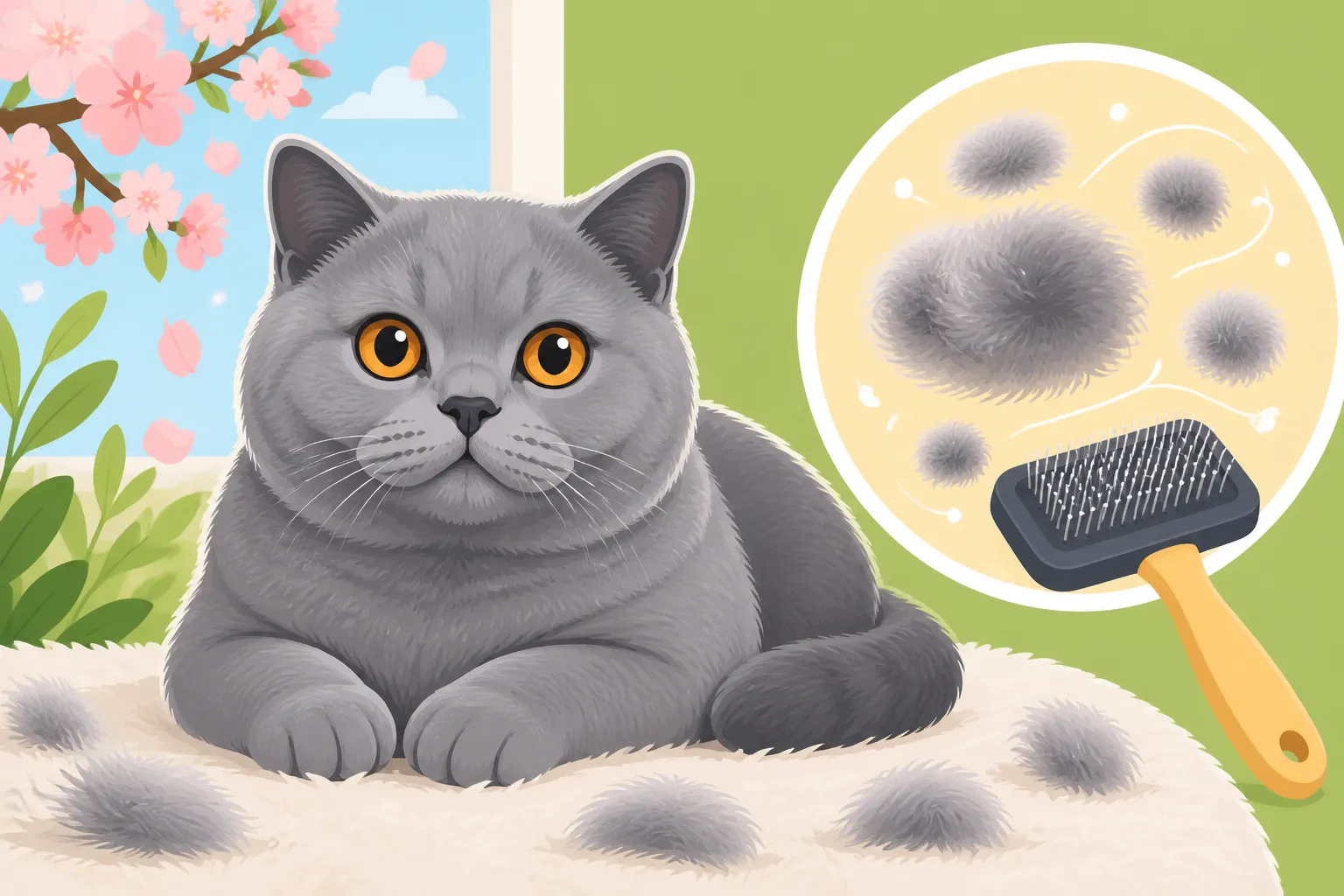
How Much a British Shorthair Sheds in Spring
Oh, the joys and challenges of living with a British Shorthair! If you're currently finding little tufts of plush blue, lilac, or silver fur drifting across your floors, clinging to your socks, and perhaps even seasoning your morning coffee, then you're likely right in the thick of spring shedding season. It can feel overwhelming when your beloved chunky companion starts to "blow their coat," but this guide is here to walk you through exactly what to expect when your British Shorthair sheds in spring, why it happens, and most importantly, how to manage it without losing your mind (or your vacuum cleaner).
Understanding the British Shorthair's Unique Coat
Before we dive into the nitty-gritty of spring shedding, it's really important to understand what makes a British Shorthair's coat so special. It's not just any fur; it's a dense, luxurious, and highly functional marvel that keeps them warm in winter and cool in summer. Knowing this helps you appreciate why they shed the way they do.
The Double Coat and its Purpose
A British Shorthair boasts a magnificent double coat, and that's the key to understanding its shedding patterns. Unlike some breeds with single coats, your BSH has two distinct layers. The outer layer consists of guard hairs that are slightly coarser and provide protection from the elements, giving the coat its signature "crisp" feel. Underneath that, there's a super dense, soft, woolly undercoat that acts as insulation. It's truly like wearing a built-in down jacket! This undercoat is what gives them that plush, teddy-bear look and feel that we all adore. You can really get a sense of this if you run your fingers against the grain of their fur; it springs right back into place. This protective layering means they are incredibly well-adapted to cooler climates, but it also means there's a lot more fur to manage when the seasons change. It's fascinating to learn more about What a British Shorthair's Coat Is Like and Whether a British Shorthair Has an Undercoat to truly appreciate this unique feature.
How the Coat Changes with Seasons
Cats, especially those with such dense coats, are very much in tune with the environment. Their fur isn't just a static thing; it's constantly adapting. As the days get shorter and temperatures drop in autumn, their bodies signal to grow an even thicker, denser undercoat to prepare for the cold winter months. This is why they feel extra plush and snuggly around the holidays! Then, as spring approaches and the days lengthen, the opposite happens. The thicker winter coat is no longer needed, and nature steps in to encourage a complete shedding of this insulating layer to make way for a lighter, thinner coat better suited for warmer weather. It's a natural, evolutionary process, though sometimes it feels like a furry explosion in our homes!
Why Spring is Peak Shedding Season
So, why does spring feel like the absolute peak of British Shorthair shedding? It all comes down to that seasonal change we just talked about. Your British Shorthair is quite literally "blowing their winter coat." Imagine wearing a heavy woolen jumper all winter, and then suddenly the sun comes out, and it's 70 degrees. You'd want to take that jumper off immediately, wouldn't you? Your cat feels much the same way about their dense undercoat. The increase in daylight hours, even more than just temperature, triggers hormones that tell their fur follicles it's time to release the old, thick hairs.
This process isn't instant; it's a gradual but often very noticeable increase in shedding over several weeks. You might start seeing a few extra hairs in early spring, and then suddenly, it ramps up. It's a healthy and normal cycle, but it does require a bit more attention from you, their loving owner. If you want to delve deeper into this specific phenomenon, reading up on When a British Shorthair Blows Its Coat can provide even more insight.
Quantifying the Shedding: What to Expect
Let's be real: "shedding" can mean a lot of different things to different people. For a British Shorthair owner, it often means finding fur in unexpected places. But what's considered normal, and when should you be concerned? It’s important to calibrate your expectations, especially during the spring season.
Normal Versus Excessive Shedding
A healthy British Shorthair will shed. Period. Even outside of spring, there will always be some amount of fur coming off. During the spring "blow," however, what you consider "normal" will likely escalate dramatically. You'll see loose fur on furniture, carpets, clothes, and wherever your cat chooses to nap. When you stroke them, your hand will likely come away covered in a soft cloud of undercoat. This is typical for the season.
-
Normal Spring Shedding:
- Noticeable increase in loose fur, especially the soft undercoat.
- Fur easily comes off when petting or gently pulling.
- Daily grooming (by you or your cat) yields significant amounts of fur.
- No bald patches, skin irritation, or excessive scratching.
- The coat generally still looks healthy, just a bit "fluffier" with loose hair.
-
Potentially Excessive/Concerning Shedding:
- Actual bald spots or very thinned patches.
- Redness, bumps, scabs, or inflammation of the skin.
- Constant, frantic scratching or licking.
- Changes in fur texture (e.g., becoming brittle, greasy, or dull).
- Significant changes in appetite or behavior accompanied by shedding.
If you ever notice these concerning signs, it's always best to have a chat with your vet, just to rule out any underlying health issues.
Factors Influencing Shedding Volume
While seasonal change is the primary driver, several other factors can influence just how much your British Shorthair sheds during spring.
- Indoor vs. Outdoor Lifestyle: Cats who spend a lot of time outdoors are often more attuned to natural light cycles and may have a more pronounced, concentrated seasonal shed. Indoor cats, exposed to artificial lighting and consistent indoor temperatures, might shed more consistently year-round, or have a slightly less dramatic spring "blow" simply because their bodies aren't getting as strong a signal from nature. This is why Whether an Indoor British Shorthair Sheds Year Round is a relevant consideration.
- Diet and Nutrition: A high-quality diet rich in essential fatty acids (like Omega-3 and Omega-6) can significantly impact coat health and shedding. Cats on a poor diet or lacking specific nutrients might experience duller coats and shed more due to poor hair follicle health. Think of it this way: a well-nourished cat grows strong, healthy hair that holds onto the follicle longer when it's supposed to, and sheds efficiently when the time comes. If you're wondering Which Food Suits a British Shorthair, know that quality ingredients make a big difference.
- Stress Levels: Believe it or not, stress can impact shedding. A stressed cat might over-groom, leading to more hair being pulled out, or their body might react by shedding more. Changes in routine, new pets, or even loud noises can contribute to stress.
- Age and Health: Kittens shed their soft kitten fur for their adult coat, while older cats might have changes in coat quality and shedding patterns due to age or underlying health conditions like thyroid issues or kidney problems. Illness can often manifest as a dull, unhealthy coat and increased shedding.
- Genetics: Just like humans, some cats are simply predisposed to shed more than others within the same breed. It's part of their individual genetic makeup.
Visual Cues of Spring Shedding
It's pretty easy to spot the signs of heavy spring shedding. Beyond the obvious fur tumbleweeds rolling across your floor, here are some visual cues:
- The "Fluffy Halo": When you pet your British Shorthair, especially along their back or flanks, you'll see a fine cloud of loose undercoat lift away from their body. It's almost like they have a fluffy halo.
- Coat Texture Change: Their coat might feel less "crisp" and more voluminous or cotton-like due to the trapped dead undercoat. It might even look a bit less sleek.
- "Fur Bunnies": Small clumps of fur will gather in corners, under furniture, and stick to blankets. This is just part of the process, a clear sign that the shedding is in full swing.
- Grooming Habits: You might notice your cat spending more time grooming themselves, which is their natural way of trying to remove the excess fur. This, of course, can lead to more hairballs, so keep an eye on How Often a British Shorthair Brings Up a Hairball.
Managing Spring Shedding: Practical Strategies
Dealing with a shedding British Shorthair can feel like a full-time job during spring, but with the right strategies, you can keep the fur under control and help your cat stay comfortable and healthy. It’s all about consistency and using the right tools for the job.
Grooming Frequency and Tools
This is your number one weapon against the spring fur invasion. Regular, effective grooming is paramount.
- Increase Grooming Frequency: What might be once or twice a week during other seasons needs to become daily, or at least every other day, during peak spring shedding. Short, consistent sessions are better than infrequent, long, stressful ones. Aim for 5-10 minutes each day.
- The Right Comb is Crucial: For a British Shorthair's dense double coat, you absolutely need a good quality metal comb. A wide-toothed comb is great for initial detangling, followed by a finer-toothed comb to really get into that dense undercoat. Many owners swear by a good greyhound comb. Using a tool like a de-shedding comb (like a Furminator, which you can find on Amazon or Chewy) can also be incredibly effective, but use it sparingly and gently to avoid damaging the delicate guard hairs or irritating the skin. Never use a slicker brush, as this can break their unique coat type, as detailed in Why a Slicker Damages a British Shorthair's Coat. You can also find some guidance on Which Comb a British Shorthair Needs to make the best choice.
- Technique Matters: When combing, work in small sections, always going in the direction of hair growth. Pay special attention to areas where mats can form easily, like behind the ears, under the armpits, and on the "britches" (the fluffy fur on their hind legs). Be gentle; you want to remove dead hair, not pull live hair or scratch their skin.
- Make it a Positive Experience: Start grooming sessions when your cat is relaxed. Offer treats, gentle praise, and short play sessions afterwards. If your cat resists, don't force it; try again later. The goal is to make it an enjoyable bonding experience, not a wrestling match.
| Grooming Tool | Purpose | British Shorthair Suitability | Frequency (Spring) |
|---|---|---|---|
| Metal Comb | Detangling, removing loose undercoat | Excellent | Daily |
| De-shedding Tool | Deep undercoat removal | Good (use gently) | 2-3 times a week |
| Rubber Curry Brush | Loosens dead hair, stimulates skin | Good | Daily |
| Slicker Brush | Straightens top coat | Not Recommended | Never |
| Grooming Glove | Gentle loose hair removal, petting alternative | Moderate | Daily |
For more detailed information on frequency, you can look into How Often a British Shorthair Needs Combing.
Nutritional Support for Coat Health
Grooming from the outside is important, but a healthy coat also starts from within. What you feed your British Shorthair directly impacts the quality of their fur and can help minimize excessive shedding.
- High-Quality Protein: Ensure their diet is rich in animal-based protein. This is essential for healthy hair growth. Cheap fillers and by-products don't offer the same nutritional value.
- Omega Fatty Acids: Look for foods that include Omega-3 and Omega-6 fatty acids. These are vital for skin and coat health, helping to keep fur strong and supple. Salmon oil or other fish oil supplements can also be added to their food if your vet approves, offering a boost of these beneficial fats. Many premium foods available through Chewy or Amazon highlight their Omega content.
- Hydration: Adequate water intake is critical for overall health, including skin and coat condition. If your cat isn't a big drinker, consider incorporating more wet food into their diet or investing in a water fountain to encourage them.
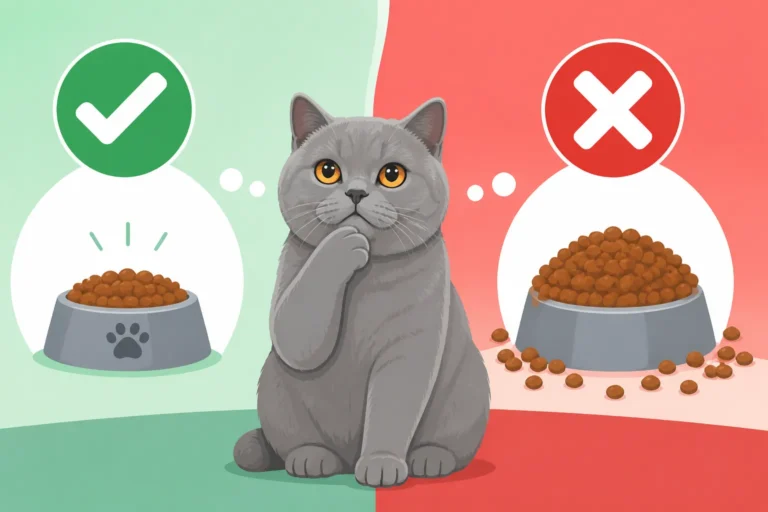
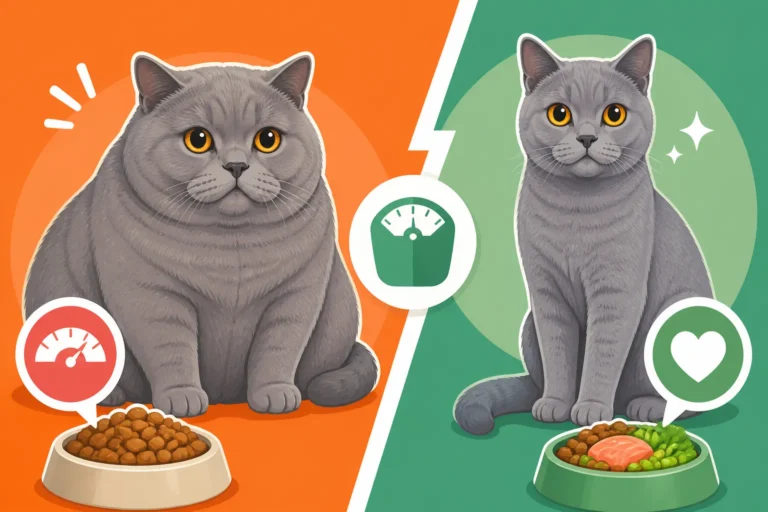
- Avoid Overfeeding: While not directly related to shedding volume, an overweight cat can have trouble grooming themselves, especially their back, which can lead to mats and more trapped dead hair. This is detailed in Why an Overweight British Shorthair Stops Grooming Its Back. Maintaining a healthy weight through proper portion control and a balanced diet is always a good idea.
Environmental Management for Shedding
You can't stop your British Shorthair from shedding, but you can certainly make living with the fur more manageable around your home.
- Vacuum Regularly: This seems obvious, but during spring, you'll need to step up your vacuuming game. Look for vacuums designed for pet hair, as they often have stronger suction and specialized attachments.
- Cover Furniture: Use washable throws or blankets on your cat's favorite sleeping spots on furniture. This makes cleanup much easier; just toss them in the wash.
- Lint Rollers are Your Friend: Keep lint rollers handy near doors and in your car. They're indispensable for quick touch-ups on clothing before you head out.
- Air Purifiers: While they won't stop shedding, air purifiers with HEPA filters can help capture airborne dander and fur, improving air quality and reducing the amount of fur settling on surfaces.
- Washable Bedding: Ensure your cat's beds have removable, washable covers. Regular washing will remove accumulated fur and dander.
Beyond Spring: Year-Round Shedding Considerations
While spring is undeniably the heaviest shedding period for most British Shorthairs, it's important to remember that shedding is a continuous process. You'll never truly be "shed-free," but understanding the nuances of year-round shedding helps maintain a pristine home and a healthy cat.
Indoor British Shorthairs and Consistent Shedding
For many of us, our British Shorthairs are cherished indoor companions. This indoor lifestyle, with its consistent temperatures and artificial lighting, can subtly alter their natural shedding cycle. Instead of two massive seasonal "blows" (spring and autumn), indoor cats often experience a more consistent, albeit lighter, level of shedding throughout the entire year.
The reason for this is fairly straightforward: their bodies don't receive the strong, clear signals from dramatic changes in natural daylight and temperature that outdoor cats do. They aren't exposed to extreme cold that demands a super dense winter coat, nor are they fully exposed to the long daylight hours of summer that signal a complete coat overhaul. So, while spring will still be a noticeable peak, don't be surprised if you find moderate shedding even in the middle of winter. This phenomenon is why we sometimes talk about Whether an Indoor British Shorthair Sheds Year Round as a distinct reality for pet owners. It simply means your grooming routine needs to be consistent, not just seasonal, even if the intensity can be dialed down outside of spring.
When to Consult Your Vet About Shedding
As we discussed earlier, some shedding is completely normal. However, there are times when changes in shedding patterns or associated symptoms warrant a trip to the vet. It's always better to be safe than sorry when it comes to your pet's health.
Here are some signs that your British Shorthair's shedding might be more than just a seasonal nuisance:
- Sudden or Excessive Hair Loss: If your cat suddenly starts shedding much more than usual, outside of the normal spring/autumn cycles, or you notice large clumps of hair coming out easily with minimal touching.
- Bald Patches or Thinning Fur: Any areas where the fur is completely missing or looks significantly thinner than the surrounding coat are red flags. This isn't just "shedding"; it indicates a problem.
- Skin Irritation: Redness, inflammation, scabs, rashes, bumps, or any open sores on the skin beneath the fur. These could be signs of allergies, parasites, fungal infections (like ringworm), or other skin conditions.
- Excessive Itching or Licking: If your British Shorthair is constantly scratching, licking, or chewing at their skin, it suggests discomfort. This over-grooming can also lead to hair loss.
- Dull, Dry, or Greasy Coat: A healthy coat is typically soft, shiny, and clean. If your cat's fur suddenly looks dull, feels greasy, or becomes excessively dry and brittle, it could indicate nutritional deficiencies, hormonal imbalances, or other internal issues.
- Changes in Behavior: If increased shedding is accompanied by other behavioral changes, such as lethargy, changes in appetite or thirst, vomiting, or diarrhea, it's definitely time to see the vet. These combined symptoms could point to a more serious underlying health problem.
- Poor Self-Grooming Due to Obesity: While shedding is natural, if your British Shorthair is severely overweight and literally cannot reach parts of their body to groom, leading to mats and dirty fur, this is a health concern in itself. We talked about this a bit in Why an Overweight British Shorthair Stops Grooming Its Back, and it definitely merits a vet visit to discuss a weight management plan.
Remember, you know your cat best. If something feels "off" to you, trust your instincts and reach out to your veterinarian. They can perform a thorough examination, run diagnostic tests if needed, and help you get to the bottom of any unusual shedding or coat issues. Spring shedding is a normal part of life with a British Shorthair, but understanding its limits and knowing when to seek professional help ensures your beloved companion stays happy and healthy.
Disclaimer
This article is for general informational purposes only and does not constitute professional advice. Laws, prices and regulations vary by location and change over time. Consult a qualified professional for guidance on your specific situation.