Why a British Shorthair’s Coat Protects It
It's a common misconception that a British Shorthair's glorious, plush coat is purely for aesthetics. Many first-time owners are drawn to its luxurious feel and dense appearance, but underestimate the incredible engineering behind it. This isn't just a pretty fur coat; it's a meticulously designed natural defense system. This guide will delve into the remarkable characteristics of the British Shorthair's coat and explain precisely how its unique structure provides comprehensive protection for your beloved feline companion, safeguarding them from various environmental factors and daily wear and tear.
The Unique Engineering of the British Shorthair's Coat
When you run your hand over a British Shorthair's coat, you immediately notice its distinctive texture. It's often described as "crisp" or "firm," and you can feel the density and resilience. This isn't accidental; it's the result of generations of natural selection and careful breeding to create a cat perfectly suited to its original environment. This coat is far more than just soft fur; it's a marvel of natural engineering, designed to offer robust protection against the elements and everyday life.
The Double Coat System: Undercoat and Guard Hairs
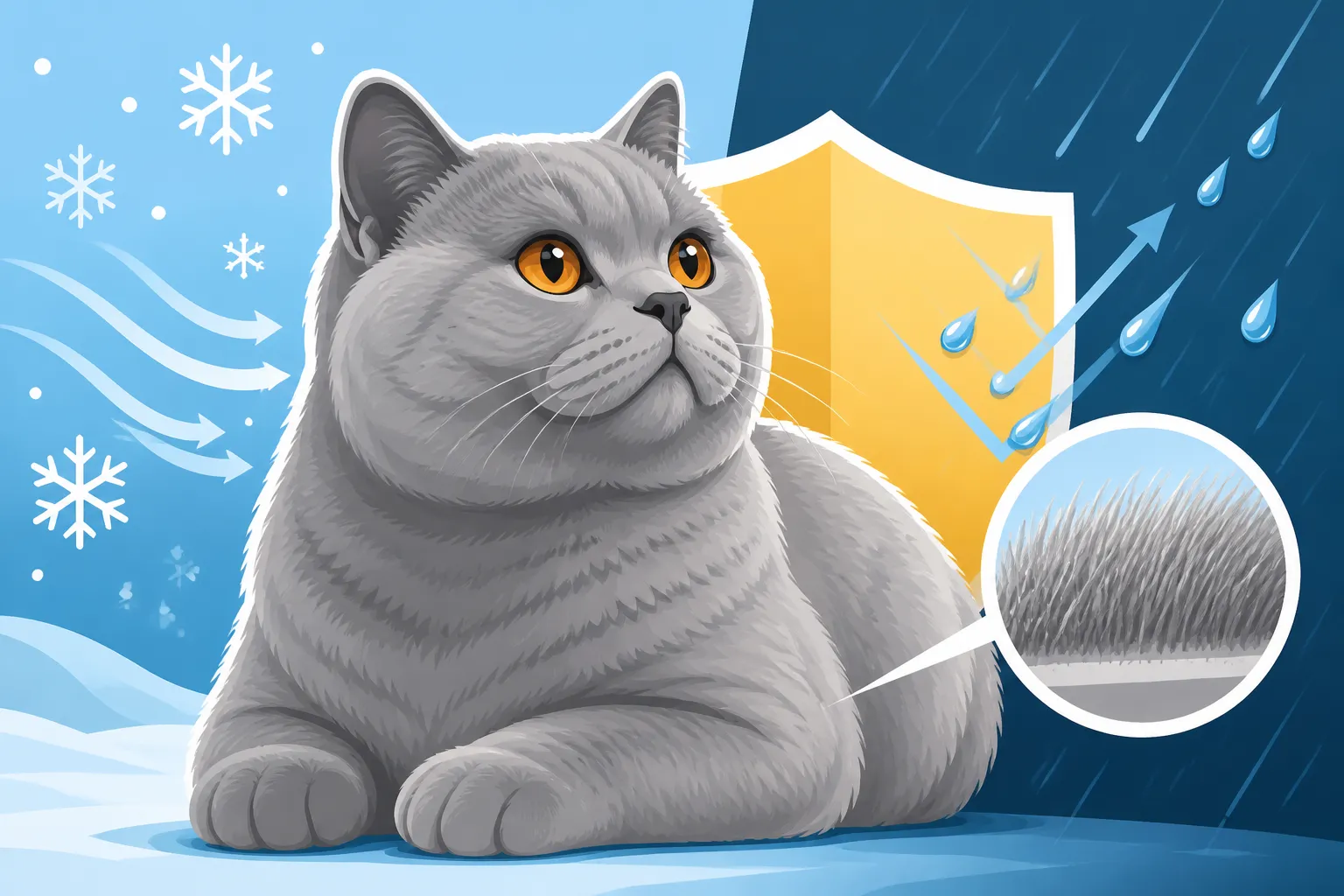
The secret to the British Shorthair's protective coat lies in its double-coat system. Unlike many other breeds that might have a single layer or a less pronounced undercoat, the British Shorthair boasts a very dense, short undercoat, which is then overlaid with slightly longer, coarser guard hairs. This combination is absolutely crucial for its protective qualities. Think of it like a finely woven wool blanket (the undercoat) with a tough, water-resistant outer shell (the guard hairs). This dual layer works in harmony to provide multiple levels of defense. The undercoat is incredibly fine and packed tightly, creating a thick barrier close to the skin. The guard hairs, on the other hand, are stronger and slightly stiff, giving the coat that characteristic "crisp" feel. You can learn more about Why a British Shorthair's Coat Feels Crisp in our detailed article. This density is paramount; it means there's less space for cold air to penetrate or for moisture to reach the skin directly.
Density and Texture: More Than Just Plushness
The sheer density of a British Shorthair's coat is astonishing. If you try to part the fur, you'll find it springs back almost immediately, making it challenging to see the skin beneath. This isn't just a fluffy appearance; it's a physical barrier. This dense layering provides excellent cushioning against minor impacts, making your British Shorthair a surprisingly robust and resilient companion. Imagine a light bump against a piece of furniture; the dense coat acts as a natural shock absorber, much like padding. Furthermore, the slightly coarse, crisp texture of the guard hairs isn't just for show. These hairs have a subtle natural oiliness, making them somewhat water-repellent. While no cat is truly waterproof, this quality means that light moisture, like morning dew if they were outdoors, or even a small spill indoors, would tend to bead up and roll off rather than immediately soaking through to the skin. This natural resistance contributes significantly to keeping the cat dry and comfortable. The way A British Shorthair's Coat Stands Away From Its Body also adds to this protective barrier, trapping air for insulation.
How the British Shorthair's Coat Insulates and Regulates Temperature
One of the primary protective functions of the British Shorthair's coat is its ability to regulate body temperature. Their ancestors, the working cats of Britain, needed to withstand often chilly and damp climates, and their coats evolved to be perfectly suited for this. This insulation works effectively in both cold and, surprisingly, warmer conditions.
Insulation Against Cold and Damp
The dense undercoat is an absolute master at trapping a layer of warm air close to the cat's body. This trapped air acts as a fantastic insulator, preventing body heat from escaping too quickly into the colder environment. This is why a British Shorthair often feels wonderfully warm and snug even in a cool room. The guard hairs, lying over this insulating undercoat, further protect against wind and precipitation. While a British Shorthair is ideally an indoor cat, if they were to venture briefly into a damp garden, the coat would resist the ingress of moisture, helping to keep them dry. This natural insulation reduces the strain on their body to maintain core temperature, keeping them comfortable and healthy. It's a critical reason why these cats seem so comfortable just lounging around, seemingly impervious to temperature fluctuations that might bother other, less densely coated breeds. Our guide on How Dense a British Shorthair's Coat Is provides more insight into this incredible feature.
Temperature Regulation in Warmer Weather
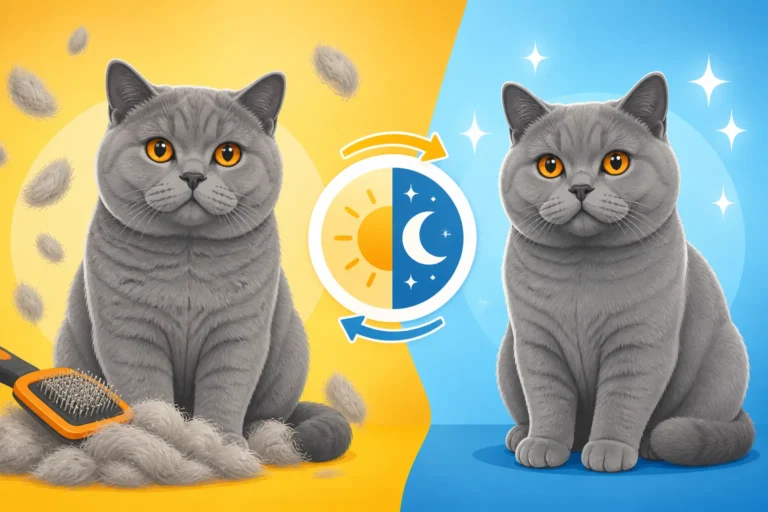
While excellent for cold, a dense coat might seem like a disadvantage in warmer weather. However, the British Shorthair's coat also plays a role in keeping them cool. The structure allows for good airflow once the dense coat is properly maintained and free of mats. During shedding seasons, particularly in spring, the cat will "blow" its undercoat, reducing its density significantly. This natural shedding process is crucial for adapting to rising temperatures. Regular grooming, especially during these periods, helps remove dead hair and allows the skin to breathe more effectively, facilitating heat dissipation. You can learn more about The Two Weeks a British Shorthair Drops Its Undercoat and how to manage it. Without this shedding and proper grooming, the coat could indeed become a heat trap, which is why owners need to be diligent in supporting this natural function.
Beyond Insulation: Other Protective Qualities of the British Shorthair Coat
The protective qualities of this magnificent coat extend beyond just temperature regulation. It offers a shield against various environmental irritants and even contributes to their overall well-being.
A Barrier Against Environmental Irritants
The thick, dense nature of the British Shorthair's coat acts as a physical barrier against many common environmental irritants. Dust, pollen, and even minor allergens often get caught in the outer layers of the coat rather than reaching the skin directly. This doesn't mean they are immune to allergies, but it provides a first line of defense, potentially reducing the initial impact of these irritants on their sensitive skin. For an indoor cat, this also means that shedding fur can capture some household dust before it settles elsewhere. Similarly, the coat offers some protection against minor scratches or abrasions from rough surfaces or playful interactions with other pets. Imagine a small branch or a rough patch on a wall; the dense fur provides a buffer, protecting the delicate skin underneath. This is a subtle but significant benefit, especially for a cat that enjoys exploring its indoor environment.
Water Resistance and Cleanliness
As mentioned, the guard hairs have a natural crispness and slight oiliness that helps repel water. This isn't like a duck's feathers, but it certainly means that a light spray or drizzle won't instantly soak through to the skin. This feature is particularly helpful in maintaining the coat's cleanliness. Dirt and debris often don't adhere as easily to the slightly coarser guard hairs as they might to a finer, softer coat. When particles do get caught, the coat's structure often allows them to be brushed out more readily. This natural defense against dirt means your British Shorthair can often maintain a relatively clean appearance with minimal effort from you, though regular grooming is still essential. It contributes to Why a British Shorthair's Coat Stands Up and maintains its unique appearance, which also helps prevent the fur from clinging flat and absorbing more.
Maintaining the Protective Power of Your British Shorthair's Coat
Even with such a naturally robust coat, its protective qualities can diminish without proper care. A neglected coat can become matted, dirty, and lose its insulating and protective capabilities. Therefore, understanding how to maintain it is crucial.
Essential Grooming Practices
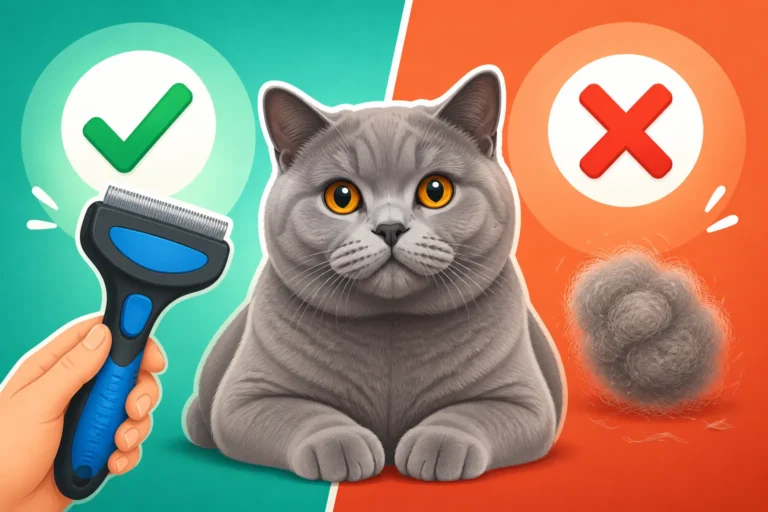
Regular grooming is paramount for a British Shorthair. While they are generally good self-groomers, their dense coat often requires human assistance to truly thrive. You don't need to bathe them frequently – in fact, excessive bathing can strip their natural oils and reduce the coat's protective qualities. The focus should be on regular combing. A good quality metal comb, preferably one with both wide and fine teeth, is your best friend. Start with the wider teeth to get through the bulk of the coat, then use the finer teeth to remove loose undercoat.
| Grooming Tool | Purpose | Benefit for Coat Protection |
|---|---|---|
| Metal Comb | Removes loose undercoat, detangles | Prevents matting, maintains insulation, allows airflow, distributes natural oils |
| Rubber Brush | Massages skin, removes loose surface hair | Stimulates circulation, brings natural oils to surface, light de-shedding |
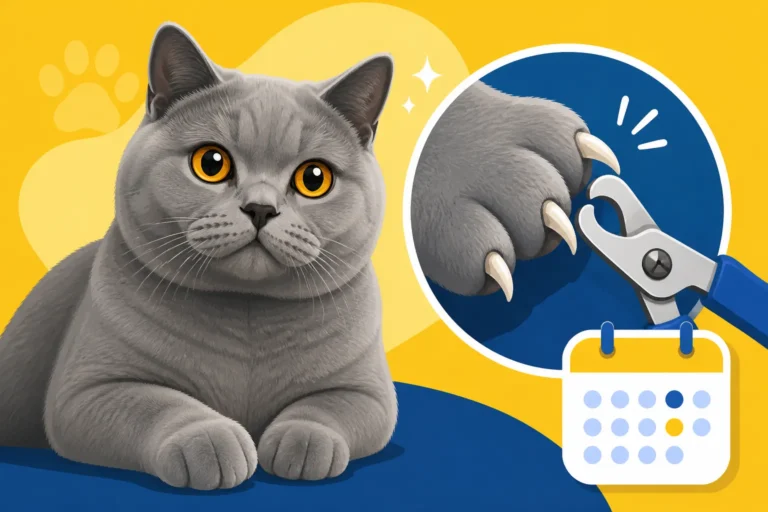
| Nail Clippers | Keeps claws trimmed | Prevents scratching skin (theirs and yours), avoids snagging on mats |
| Soft Cloth | Wipes eyes/ears | Keeps sensitive areas clean, prevents infection that could stress skin/coat |
Aim for combing sessions a few times a week, increasing to daily during seasonal shedding periods. This routine helps to remove dead hairs and prevent matting, which can severely compromise the coat's insulating properties and trap moisture or irritants against the skin. For more tips, check out How Often a British Shorthair Needs Combing. Brands like Chewy and Amazon offer a wide variety of suitable combs and grooming tools specifically designed for dense double coats.
The Role of Nutrition in Coat Health
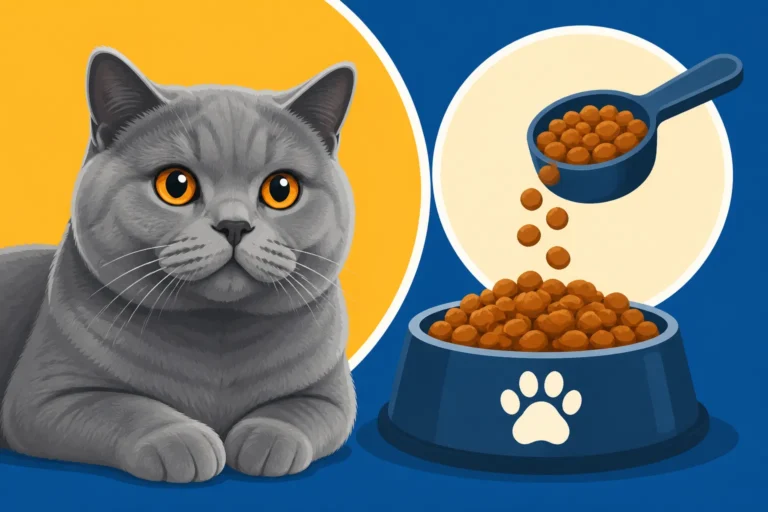
A healthy coat truly starts from within. What your British Shorthair eats directly impacts the quality, density, and protective capabilities of their fur. A diet rich in high-quality proteins, essential fatty acids (like Omega-3 and Omega-6), and vitamins (particularly B vitamins and Vitamin E) is vital. These nutrients are the building blocks for healthy skin and fur.
- Proteins: Provide the amino acids necessary for hair growth and strength.
- Essential Fatty Acids: Contribute to skin hydration, reduce inflammation, and give the coat its natural luster and slight water-repellency.
- Vitamins & Minerals: Support overall skin health and cellular regeneration.
If a cat's diet is lacking, their coat can become dull, brittle, and shed excessively, reducing its protective efficacy. You might notice dry, flaky skin underneath a poor coat. Consider premium cat foods that specifically cater to skin and coat health. Always ensure your British Shorthair is getting adequate hydration, as this also plays a significant role in skin and coat condition. Our article Which Food Suits a British Shorthair offers guidance on selecting the best diet. A healthy, well-nourished coat isn't just shiny; it's a stronger, more resilient protective shield.
Addressing Coat Changes with Age
As British Shorthairs age, their coat can undergo changes that affect its protective qualities. Older cats might groom themselves less efficiently due to arthritis or dental issues, leading to matting or a greasy coat. Their skin can also become thinner and more fragile. It's crucial to be extra vigilant with grooming for senior British Shorthairs, increasing the frequency of combing and potentially using softer brushes to stimulate circulation without irritating sensitive skin. Caring for an Old British Shorthair means adjusting your routine to support their changing needs. Regular vet check-ups, including discussions about nutrition and any skin or coat concerns, become even more important to ensure their coat continues to offer the protection they need throughout their golden years. These changes in grooming ability can sometimes lead to issues like Why an Overweight British Shorthair Stops Grooming Its Back, which further compromises coat health.
Conclusion
The British Shorthair's coat is a remarkable feature, far more functional than it might appear at first glance. It's a sophisticated system of insulation, temperature regulation, and a physical barrier against the environment. From its dense undercoat trapping warm air to its crisp guard hairs repelling moisture and dirt, every aspect works in concert to protect your beloved feline. Understanding these protective qualities underscores the importance of consistent grooming and a high-quality diet. By providing proper care, you're not just maintaining a beautiful coat; you're safeguarding your British Shorthair's health and comfort, allowing them to enjoy their calm, dignified lives to the fullest.
Disclaimer
This article is for general informational purposes only and does not constitute professional advice. Laws, prices and regulations vary by location and change over time. Consult a qualified professional for guidance on your specific situation.