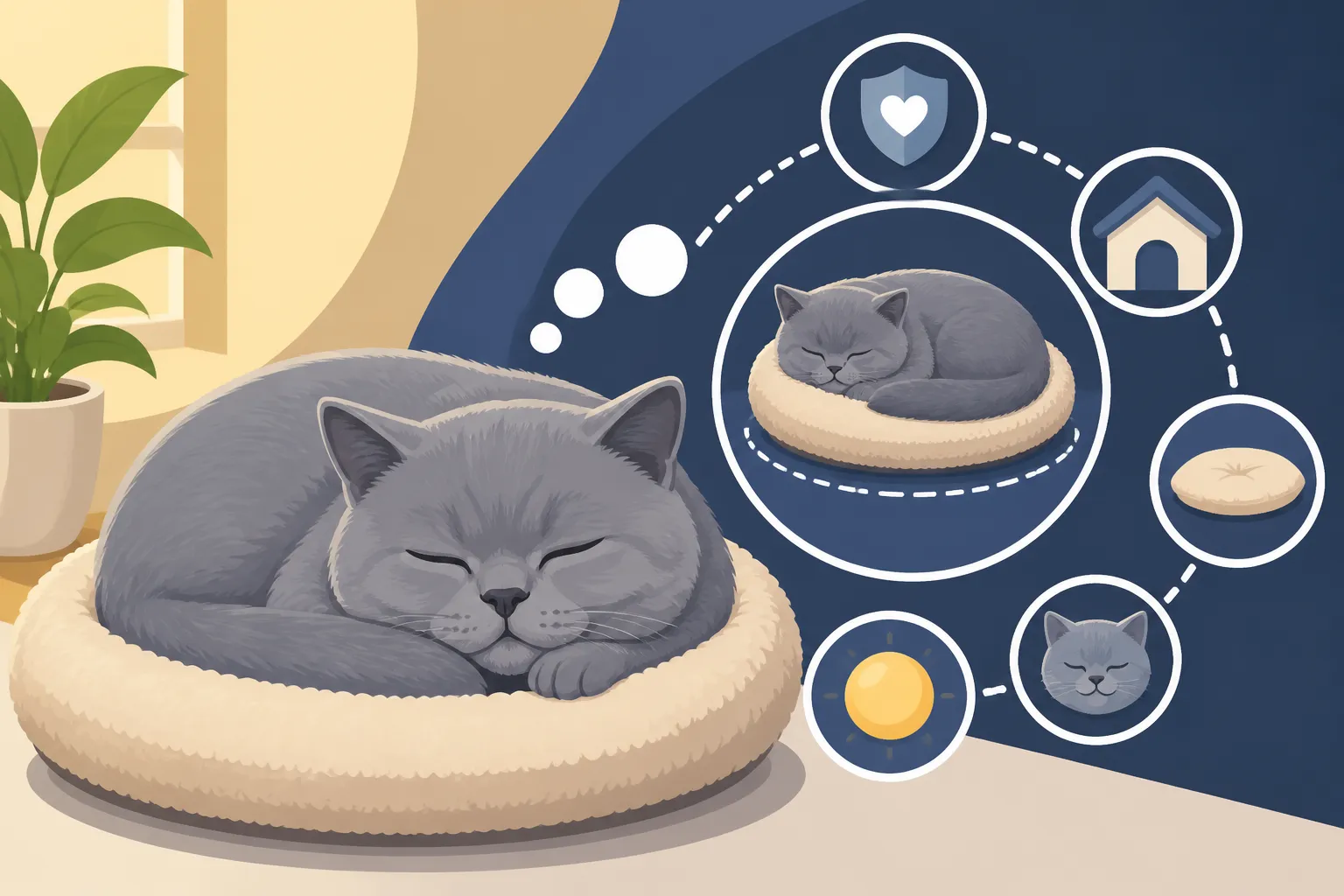
Why a British Shorthair Sleeps in the Same Spot
You might have noticed your beloved British Shorthair has a very particular spot, or perhaps a couple of go-to places, where they always seem to curl up for a nap or a long night's rest. It’s not just a coincidence; this consistent behavior is deeply rooted in their nature, often leaving owners wondering why these creatures of habit are so particular about their slumber zone. This guide will explore the fascinating reasons behind your British Shorthair’s dedication to their chosen sleeping spot and how you can ensure it meets their fundamental needs for comfort and security.
The British Shorthair's Innate Need for Routine and Security
British Shorthairs are, by and large, creatures who thrive on predictability and comfort. They aren't generally the type to constantly seek new thrills or change up their routines on a whim. This preference for stability extends significantly to their sleeping habits, making their chosen resting place much more than just a random cushion or bed. It's a sanctuary, a familiar haven in their world.
Comfort in Predictability: Why Familiarity Matters
Imagine walking into your home after a long, chaotic day. Don't you gravitate towards your armchair, your side of the sofa, or your bed? It’s a natural human instinct to seek out familiarity and comfort, and British Shorthairs are no different, perhaps even more so. Their calm and somewhat reserved demeanor means they appreciate a stable environment, and a consistent sleeping spot is a cornerstone of that stability. If you move their favorite bed, or suddenly change the furniture around, you might notice them appearing a little unsettled, pacing more, or even seeking out temporary, less ideal spots until they re-establish their routine. This isn't them being stubborn; it's a genuine need for their world to make sense and feel safe.
For a British Shorthair, the world can feel quite large and full of unexpected noises or changes, even in a quiet home. Having a reliable, unchanged spot where they know they can retreat and relax completely provides immense psychological comfort. It's a signal to their system that everything is okay, that this place is secure and familiar. This preference for sameness is one of the many endearing qualities that make them such wonderful, steadfast companions. They may not be overly demanding, but a consistent environment, including their sleeping area, goes a long way in keeping them happy and relaxed. Whether a British Shorthair Hates Change is a genuine concern for owners, and their sleeping habits are a clear reflection of this.
Scent Marking and Territorial Instincts
Cats, including our adorable British Shorthairs, are highly driven by scent. Their sense of smell is far more powerful than ours, and they use it extensively to understand and navigate their world. When your British Shorthair rubs their cheeks against a surface, or kneads their paws into a blanket, they are depositing their unique scent from glands on their face and paws. This isn't just a cute gesture; it's a powerful form of communication and a way for them to "mark" their territory.
When your British Shorthair consistently sleeps in the same spot, they are effectively saturating that area with their personal scent. This makes the spot distinctly theirs. It becomes a familiar, comforting zone that signals safety and ownership. Other cats in the household, or even just you, will recognize this as "their spot." This territorial instinct, while usually gentle in a British Shorthair, means they feel a deep sense of security and belonging in their scented sanctuary. It's a primal behavior, a nod to their wild ancestors who needed clearly defined territories for survival, even if your fluffy companion’s biggest challenge is deciding between two tempting snooze buttons.
Safety and Vulnerability During Sleep
Consider the reality of any animal in the wild: sleep is a vulnerable state. Even though your British Shorthair lives a pampered indoor life, those ancient instincts still hum beneath their calm exterior. When they choose a sleeping spot, they're not just looking for softness; they're looking for safety. This means a place where they feel protected from perceived threats, whether those threats are simply the noisy vacuum cleaner, a toddler, or another pet.
Often, their preferred spot offers a sense of enclosure or elevation. A cat tree, a cozy cat bed with high sides, or even a quiet corner under a desk might be chosen because it offers concealment or a vantage point. From these spots, they can either feel hidden or have a good overview of their surroundings, allowing them to truly relax into a deep sleep. A British Shorthair that prefers to be near you, but perhaps not on you, like a true A British Shorthair Sits Near You, Not On You, might choose a spot where they can keep an eye on you while still maintaining their sense of personal space and security. The consistent choice of a spot reflects this inherent need for an undisturbed, safe haven where they can let their guard down entirely.
Optimizing the Sleeping Environment for Your British Shorthair
Since we know how much British Shorthairs value their preferred sleeping spots, it only makes sense that we, as their devoted human companions, strive to make those spots as perfect as possible. It’s not just about throwing down a blanket; a truly optimal sleeping environment considers several key factors that cater to their unique needs.
The Science of the Perfect Spot: Temperature and Light
Cats, surprisingly, have a slightly higher body temperature than humans, which is why they often seek out warm, sunny spots for napping. However, this doesn't mean they want to bake in direct sunlight for hours, or conversely, shiver in a cold draft. The ideal sleeping spot for a British Shorthair will be a comfortable, consistent temperature – not too hot, not too cold. They are particularly sensitive to drafts, especially on tiled or hard floors. You might notice them avoiding areas near exterior doors or drafty windows, unless it's a warm day and they're soaking up the sun.
Light levels also play a crucial role. Just like us, cats need darkness to produce melatonin and achieve restorative sleep. A dim, quiet area is usually preferred for deep slumber, away from bright lights and constant activity. Think about where your British Shorthair naturally gravitates: is it under a bed, in a quiet room, or perhaps tucked away behind a sofa? These choices are often deliberate, aiming for an environment that supports uninterrupted rest. Even if they occasionally doze in a sunbeam, their primary, consistent sleeping spot is likely to be one that offers more controlled light and temperature, ensuring maximum comfort throughout the night and during long naps.
Material Comfort: What Makes a Bed Irresistible
The texture and support of their sleeping surface are paramount to a British Shorthair's comfort. With their dense, plush coats and sturdy build, they appreciate a bed that offers both softness and adequate support for their joints. Thin, flimsy beds might be okay for a quick cat nap, but for proper, long-term rest, they need something more substantial. Look for beds with soft, breathable fabrics that can be easily cleaned. Cats are fastidious creatures, and a fresh, clean bed is always more appealing.
Orthopedic beds, often marketed for senior pets or those with joint issues, can be a fantastic choice for British Shorthairs of all ages, providing excellent support for their substantial bodies. Donut beds, with their raised edges, offer a sense of security and a cozy spot to burrow into, which many British Shorthairs adore. Cave beds or covered beds appeal to their desire for a private, enclosed space, fulfilling that instinct to feel hidden and safe. When choosing a bed, think about what feels soft yet firm, and remember that easy washing is a huge bonus. You can find a vast array of options on platforms like Amazon, from luxurious orthopedic cushions to simple, plush donut beds that can perfectly cater to your British Shorthair's preference. How Well a British Shorthair Can Be Cuddled at All might influence their choice of bed, as some prefer a more encompassing, snuggly space to replicate that feeling.
The Importance of Elevated vs. Ground-Level Spots
Not all British Shorthairs are the same, and their preference for elevation can vary. Some British Shorthairs love a good cat tree, perching on a high platform to survey their domain. This elevated position provides a sense of security and control, allowing them to observe household activity from a safe distance without being directly involved. It caters to their innate desire for a vantage point, a trait passed down from their wild ancestors who used high perches to spot prey and avoid predators. How Much a British Shorthair Likes High Places is a common question, and while many enjoy them, not all are agile climbers.
Conversely, many British Shorthairs prefer ground-level spots, especially those that are enclosed or tucked away. This might be a cozy bed under a table, inside a large box, or nestled between sofa cushions. These spots offer a different kind of security – the feeling of being hidden and protected. Older British Shorthairs, or those with mobility issues, might prefer ground-level or easily accessible spots to avoid jumping, which can be hard on their joints. The key is to observe your cat's natural inclinations. If they are constantly trying to get into high places, a sturdy cat tree with broad platforms is a good investment. If they prefer to burrow, a comfortable cave bed on the floor will be a hit. Providing a variety of options allows your British Shorthair to choose what feels most comfortable and secure for them at any given moment.
Understanding Behavioral Cues and Adjustments
While a British Shorthair's consistent sleeping spot is usually a sign of contentment and security, sometimes a change in these habits can speak volumes. Learning to read these subtle cues is part of being a good pet parent, ensuring your feline friend is always comfortable and healthy.
When a Change in Sleeping Spot Might Be a Warning Sign
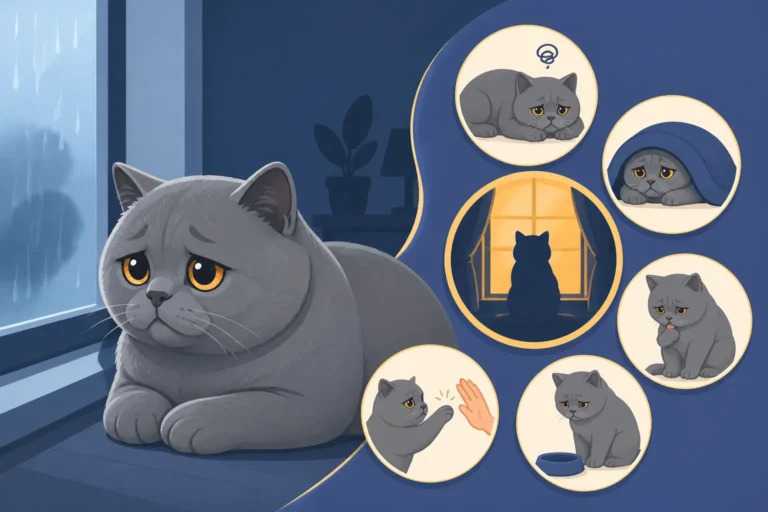
Generally, if your British Shorthair suddenly abandons their long-favored sleeping spot for a new one, it's worth a moment of observation. While it could simply be that the old spot is now too hot in the summer sun, or a new blanket made another spot more appealing, it can sometimes be a subtle indicator of a deeper issue. For example, if your cat, who always slept curled up on the sofa, suddenly starts hiding under the bed or in a closet to sleep, this could be a sign of pain or illness. Cats are masters at hiding discomfort, and seeking out more secluded, less accessible places to rest is a common way they cope when not feeling well.
A sudden change could also indicate stress or anxiety. Perhaps a new pet has joined the household, or there's been a significant change in routine. If the environment around their usual spot has become too noisy or busy, they might retreat to a quieter, safer place. Pay attention to other accompanying changes in behavior: are they eating less, grooming less, or acting more withdrawn? If you notice persistent changes in sleeping habits alongside other behavioral shifts, a visit to the vet is always a good idea to rule out any underlying health concerns.
Encouraging New Spots Without Causing Stress
Sometimes, you might want to encourage your British Shorthair to use a new bed or a different area, perhaps for their comfort, or because their old spot is no longer suitable. For example, as they age, a high perch might become too difficult to access due to Arthritis in an Older British Shorthair. Introducing new options needs to be done gently, respecting their inherent wariness of change. Don't just remove their old bed and replace it; offer the new option alongside the old one.
You can make a new spot more appealing by placing a familiar blanket or a worn item of your clothing in it, transferring their scent and a sense of security. Pheromone sprays, available from pet stores or online retailers like Amazon, can also help create a calming atmosphere around the new bed. Treats and positive reinforcement are also incredibly effective. When you see them exploring or resting in the new spot, offer a gentle stroke or a small reward. Never force them into a new bed, as this can create negative associations. Patience is key; your British Shorthair will adopt the new spot on their own terms if it feels safe and comfortable.
Providing Multiple Cozy Retreats
Given their love for routine and security, offering multiple comfortable sleeping spots throughout your home is an excellent idea. This doesn't mean your British Shorthair will abandon their absolute favorite, but it provides them with options for different moods, times of day, or varying household activities. For instance, they might have one primary sleeping spot for night-time rest, a sun-drenched window perch for an afternoon nap, and a quiet cave bed in a less-trafficked room for when they want complete solitude.
Having several options is particularly beneficial in multi-cat households, ensuring each feline can find their own personal sanctuary without conflict. It also allows them to adjust their resting place based on the ambient temperature, light, or noise levels in different parts of the house. Cat trees with multiple platforms, window perches, and various types of beds on different levels of the home can all contribute to a rich and accommodating environment for your British Shorthair. This thoughtful approach ensures that no matter their need or preference at any given moment, a comfortable and safe spot is always available.
The Impact of Age and Health on Sleeping Habits
Just like humans, a British Shorthair's sleeping habits can evolve throughout their life, especially as they age or face health challenges. What was once the perfect spot might become less ideal, and understanding these shifts can help you provide the best possible care.
Senior British Shorthairs: Prioritizing Comfort and Accessibility
As British Shorthairs mature into their senior years (typically around 10-12 years old), their physical capabilities can change. They might become less agile, jumping may become painful, and their desire for warmth might increase. This often means their once-favorite high perches or tricky-to-access nooks might be abandoned for more easily accessible, ground-level spots. An older cat, much like an older person, appreciates comfort and ease of movement. Caring for an Old British Shorthair involves many adjustments, and their sleeping arrangements are a big one.
You might notice an older British Shorthair gravitating towards softer, more supportive beds. Orthopedic beds with memory foam or thick, plush cushioning can become invaluable for their aging joints. Placing these beds in quiet, warm, and easily reachable areas becomes crucial. If their favorite spot was once on a tall cat tree, consider moving a comfortable bed to a lower shelf or a soft cushion right on the floor. Pay attention to how they get in and out of their chosen spots; if they hesitate or struggle, it's a clear signal that an adjustment is needed. Providing ramps or steps to help them reach elevated beds or window sills can also make a huge difference to their quality of life and comfort.
Health Conditions and Sleep Preferences
Underlying health conditions can also significantly influence where and how your British Shorthair chooses to sleep. A cat experiencing discomfort or pain will naturally seek out spots that offer the most relief or isolation. For instance, a British Shorthair with What HCM Does to a British Shorthair's Heart might find it harder to breathe when lying in certain positions or in overly warm areas, leading them to seek cooler, more open spaces. Similarly, a cat suffering from conditions like Polycystic Kidney Disease Came Into the British Shorthair With the Persians might exhibit lethargy and seek out quiet, secluded spots where they won't be disturbed, perhaps more so than usual.
Changes in body temperature regulation due to illness, or simply feeling more vulnerable, can prompt a British Shorthair to choose a new, perhaps hidden, sleeping spot. If your cat who usually sleeps openly on the sofa suddenly retreats to a closet or under a bed, and this behavior is sustained, it’s a strong signal that they might be feeling unwell. Observing their sleeping patterns can be an early indicator of health issues, prompting you to seek veterinary advice before the condition becomes more severe. It's another example of how deeply intertwined their behavior is with their overall well-being.
The Role of Routine Vet Checks in Maintaining Sleep Health
Regular veterinary check-ups are absolutely vital for maintaining your British Shorthair's health and, by extension, their comfort and quality of sleep. A veterinarian can identify potential health issues that might be subtly affecting your cat's desire to sleep in their usual spots. For example, dental pain, undetected arthritis, or even early stages of organ disease might not present with obvious symptoms, but could make lying in certain positions uncomfortable or make them seek more isolation.
During a routine visit, your vet can perform a thorough physical exam, perhaps recommend bloodwork, or suggest specific diagnostics based on your observations. Catching these issues early means they can be managed effectively, restoring your British Shorthair’s comfort and allowing them to return to their cherished, consistent sleeping spots. Think of it as preventative maintenance for their happiness and well-being. A comfortable cat is a happy cat, and a happy British Shorthair is one who can enjoy their preferred snooze spot without any underlying discomfort.
| Type of Sleeping Spot | Key Features | Benefits for British Shorthairs |
|---|---|---|
| Orthopedic Bed | Memory foam or dense filling, often flat or low-sided. | Excellent joint support, ideal for seniors or larger cats. |
| Donut/Cuddler Bed | Soft, plush, raised edges forming a circular shape. | Offers security and a sense of enclosure, great for burrowing. |
| Cave/Covered Bed | Enclosed, soft structure with an opening. | Provides privacy, warmth, and a strong sense of security. |
| Cat Tree Platforms | Elevated, often carpeted or padded surfaces on a multi-level structure. | Offers a vantage point, good for observation and feeling "in charge." |
| Window Perch | Attaches to window sill, often padded. | Allows sunbathing, bird watching, and a cozy elevated spot. |
| Heated Pad/Bed | Contains a gentle heating element. | Provides extra warmth, especially beneficial for older or ailing cats. |
Disclaimer
This article is for general informational purposes only and does not constitute professional advice. Laws, prices and regulations vary by location and change over time. Consult a qualified professional for guidance on your specific situation.