Which Second Cat Suits a British Shorthair
It's wonderful that you're thinking about adding another feline friend to your household, especially when you already have a beloved British Shorthair. It's a common desire to see your cat have a companion, but let's be honest, British Shorthairs aren't exactly known for their boisterous, "let's be best friends instantly!" personalities. The worry of choosing the wrong companion and disrupting your existing cat's peaceful life is a real one, and this guide is here to walk you through finding a suitable friend that truly complements your British Shorthair's unique temperament.
Understanding the British Shorthair's Unique Temperament
Before you even begin to consider another cat, it's absolutely vital to truly understand the British Shorthair's distinct personality. These aren't your average rambunctious kittens; they're known for a very particular set of traits that influence how they interact with the world, including other pets. Rushing into a decision without this insight can lead to a lot of stress for everyone involved, especially your existing British Shorthair.
The Calm and Reserved Personality
One of the most endearing, yet sometimes challenging, aspects of a British Shorthair is their calm and reserved nature. They are the epitome of quiet dignity, often preferring to observe the hustle and bustle of a home from a comfortable perch rather than being right in the middle of it. They aren't typically the sort of cat that will greet you at the door with an enthusiastic meow and then immediately demand a game of chase. Instead, they might offer a soft trill or a slow blink, a subtle acknowledgment that conveys affection on their own terms. If you're curious about their general demeanor, you might find more insight in What a British Shorthair's Temperament Is Really Like.
This inherent calmness means they can be easily overwhelmed by overly boisterous or pushy personalities. Imagine a quiet librarian suddenly forced into a mosh pit; that's often how a British Shorthair feels when confronted with a very high-energy cat. They thrive on routine and predictability, and a new, unpredictable, and highly active companion could throw their entire world into disarray. They don't typically enjoy constant badgering for play or attention, preferring short, consensual interactions.
Their Need for Personal Space
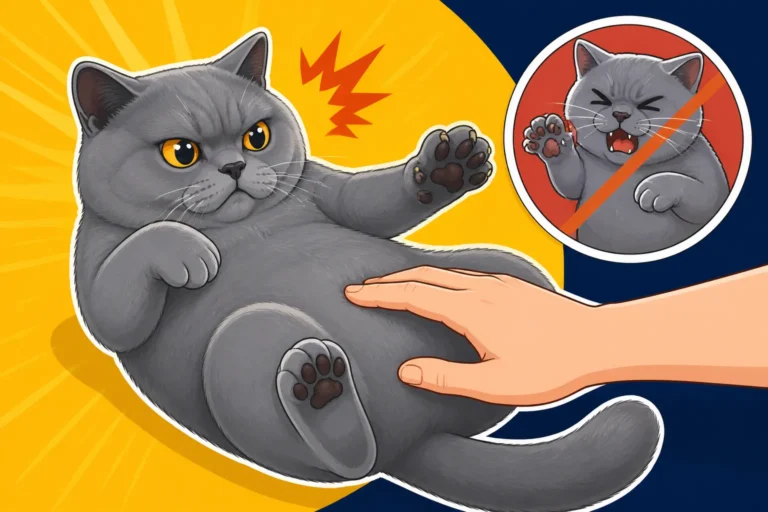
British Shorthairs are incredibly independent, which often translates into a strong need for personal space. While they appreciate your presence and enjoy being near you, they aren't usually lap cats or keen on being constantly held. They might choose to sit on the sofa beside you, often just out of reach, or perhaps curl up at the foot of your bed, signaling affection through proximity rather than physical contact. If you've ever wondered how much they appreciate a cuddle, you can read more about How Much a British Shorthair Likes Being Stroked.
This desire for personal boundaries extends to other animals. They're not generally territorial in an aggressive sense, but they do prefer to have their own zones – their favorite sleeping spot, their chosen window perch, their food bowl, and their litter box. A new cat that disrespects these boundaries by constantly invading their space, hogging resources, or demanding interaction can cause significant stress. It's not about being mean; it's simply about their preference for a harmonious, undisturbed environment.
Activity Levels and Play Preferences
Let's be frank: British Shorthairs are not known for their Olympic-level athleticism. They are generally low-energy cats who prefer short bursts of play, if they play at all, followed by extensive naps. You might find them batting at a feather wand for a few minutes before gracefully flopping over for a snooze. They aren't likely to scale your curtains or tear through the house like a furry tornado. The question of How Active a British Shorthair Is often leads to the answer: "not very!"
Their play preferences lean towards mental stimulation or gentle interaction. Think puzzle toys that dispense treats, or a slow game with a laser pointer (used carefully to avoid frustration). They might enjoy a brief chase of a crinkly ball, but they're quick to tire. A high-energy companion who constantly tries to instigate wrestling matches or chase games might quickly annoy a British Shorthair, leading to avoidance or even hissing to communicate their lack of interest. The contrast in play styles can be a major source of friction if not considered carefully.
Key Traits to Look For in a Companion Cat
Now that we've truly grasped the British Shorthair's core characteristics, we can start to outline the ideal traits for a companion cat. It's about finding a feline who respects boundaries, understands subtlety, and doesn't demand too much from our laid-back British friends. Think of it as finding someone who can comfortably share a quiet library with your British Shorthair, rather than trying to get them to join a rock band.
Matching Energy Levels
This is arguably the most critical factor. The best companion for a British Shorthair is another cat with a similarly low-to-moderate energy level. You want a cat that is content to snooze for long stretches of the day, enjoys quiet observation, and isn't prone to intense, prolonged bursts of activity. A mellow adult cat is often a much better fit than a bouncy kitten, whose boundless energy could drive your British Shorthair absolutely mad.
Imagine a scenario where your British Shorthair is enjoying a peaceful afternoon nap on the sofa. An ideal companion would either be napping in their own nearby spot or quietly grooming themselves, perhaps occasionally looking out the window. A less ideal companion would be pouncing on them, swatting their tail, or trying to initiate a wrestling match. This constant bombardment of high energy is exhausting for a British Shorthair and won't foster a positive relationship. Look for a cat whose idea of fun aligns with short, low-stakes play sessions. If you're wondering How Often a British Shorthair Plays Before Stopping, it's usually not very long at all.
Gentle Temperament is Key
A gentle, non-aggressive, and adaptable temperament is paramount. You need a cat that understands social cues, isn't prone to territorial disputes, and can gracefully back off when another cat signals a need for space. A pushy, dominant cat will invariably cause stress and conflict, as the British Shorthair is unlikely to engage in a power struggle and will instead become withdrawn or anxious.
Consider how the potential companion interacts with other cats or even people. Do they approach cautiously, or do they barrel in? Do they hiss or swat readily, or do they prefer to de-escalate? A cat that exhibits calm confidence, rather than overt assertiveness, is a far better match. If you're looking at a rescue, their foster parent or shelter staff can provide invaluable insights into their social behavior. They can tell you if the cat is known for being chill, or if they're a bit of a bully.
Independent Yet Social
This might sound like a contradiction, but it's a sweet spot for British Shorthair compatibility. You want a cat that is comfortable amusing itself and doesn't require constant interaction from another feline. However, they should also be open to occasional, consensual social grooming or napping near their companion. They should be able to enjoy shared space without necessarily needing to engage in prolonged direct interaction.
Think of two people sharing an apartment who are happy to coexist, occasionally chat, but mostly enjoy their own hobbies. That's the dynamic you're aiming for. A cat that gets separation anxiety if not constantly touching another cat, or one that demands to be groomed non-stop, could overwhelm a British Shorthair. Conversely, a cat that is completely solitary and aggressive towards all other felines isn't a good fit either. You want a cat that appreciates companionship without being clingy or demanding.
Ideal Breeds That Harmonize with British Shorthairs
While every cat is an individual, certain breeds generally share temperament traits that make them more likely to be good companions for a British Shorthair. These are typically breeds known for their mellow dispositions, gentleness, and ability to be content in a calm household.
Other British Shorthairs
It might seem obvious, but another British Shorthair is often an excellent choice! They naturally share the same breed-specific temperament, activity levels, and communication styles. Two British Shorthairs are more likely to understand each other's need for personal space and quietude. They'll often enjoy napping together or engaging in brief, gentle play sessions without overwhelming one another. There's a lot to be said for matching personalities. If you're wondering Whether Two British Shorthairs Get Along, the answer is often yes, particularly if they are introduced properly and have similar personalities.
Imagine two furry, round-faced companions coexisting peacefully, perhaps grooming each other occasionally or simply sharing a sunbeam. They’ll likely have similar preferences for toys, like feather wands or soft balls that can be batted rather than aggressively chased. This kind of harmony comes from a shared understanding of their breed's inherent traits. They will also likely enjoy similar food puzzles or enrichment activities, making it easier to manage their environment and ensure both are happy.
Ragdolls and Birmans
These two breeds are frequently recommended for their incredibly docile, gentle, and affectionate, yet not overly demanding, personalities. Ragdolls, true to their name, tend to go limp when picked up and are known for their relaxed nature. Birmans are similarly sweet-tempered and often enjoy being near their humans or other pets without being overly intrusive. Both breeds are generally not prone to aggression and tend to be quite patient.
These cats can offer a calming presence that complements a British Shorthair beautifully. While they might be slightly more affectionate and prone to seeking attention from humans than a British Shorthair, they usually do so in a gentle manner. They're typically not high-energy cats, which aligns well with the British Shorthair's lower activity levels. A Ragdoll or Birman might quietly follow you from room to room or enjoy a long snuggle, but they're less likely to pester a British Shorthair for play if the British Shorthair isn't interested. They're just generally agreeable, which is a wonderful trait in a companion.
Mellow Rescues
Sometimes, the best companion isn't a specific breed at all, but an adult rescue cat whose personality is already fully formed and known. When adopting an adult cat, you can get a clear picture of their energy level, how they interact with other cats (if they've been in a foster home with others), and their general demeanor. This removes a lot of the guesswork that comes with bringing home a kitten.
When looking at rescues, specifically ask about cats described as "calm," "mellow," "laid-back," "easygoing," or "independent." Avoid cats described as "high-energy," "playful," "curious," or "feisty" if your primary goal is to find a peaceful companion for your British Shorthair. A good rescue organization will be able to tell you if a particular cat has successfully lived with other felines, and if so, what kind of dynamic they had. This direct insight is invaluable. Often, older cats in rescue are simply looking for a quiet home and a warm bed, making them perfect candidates to join a British Shorthair family.
Introducing Your New Cat to Your British Shorthair
Bringing a new cat into any household, especially one with a British Shorthair who values their routine and personal space, requires a thoughtful and gradual approach. Rushing this process is one of the quickest ways to create tension and animosity between your feline companions. Patience, separate spaces, and positive reinforcement are your best friends here.
Slow and Steady Wins the Race
This isn't just a saying; it's the golden rule for cat introductions. The goal is to allow your British Shorthair and the new cat to gradually become accustomed to each other's scent, sight, and presence without forcing direct interaction too soon. Think weeks, not days, for a full integration. A detailed guide on How to Introduce a British Shorthair to a Resident Cat would elaborate on this, but the core principle is about controlled exposure.
Start by setting up a completely separate "sanctuary" room for the new cat – a quiet bedroom or bathroom works perfectly. This room should have everything the new cat needs: food, water, a litter box, a bed, and toys. This allows them to decompress from the stress of moving and provides a safe zone. For the first few days, your British Shorthair and the new cat should have no visual contact, only scent exchange. This can be done by swapping bedding or towels between their spaces, or by letting one cat explore the other's empty room while the other is secured elsewhere.
Creating Separate Spaces
Even after initial scent exchanges, maintaining separate spaces is crucial. This means dedicated feeding areas, multiple litter boxes, and distinct resting spots. Cats generally prefer to have more litter boxes than there are cats in the household, so for two cats, aim for at least three boxes spread throughout the home. This reduces competition and stress over resources, which can be a major trigger for feline conflict. You can find large, appropriate litter boxes on Amazon, or even extra-wide feeding bowls that ensure each cat has ample space.
Consider vertical space as well. Cats love to climb and survey their territory from above. Invest in cat trees or shelves that allow both cats to have high perches, giving them options for feeling safe and secure without having to be in direct competition for floor space. You want to create an environment where both your British Shorthair and their new friend feel they have their own territory and aren't constantly vying for prime real estate. This helps to prevent feelings of anxiety or being "pushed out" of their home, especially for your established British Shorthair.
Supervised Interactions and Positive Reinforcement
Once scent swapping seems to be going well and there's no overt aggression under the door, you can move to supervised visual interactions. This can involve using a baby gate or a screen door to allow them to see each other without direct physical contact. During these sessions, keep them positive! Distract both cats with treats or interactive toys. If you're looking for toys your British Shorthair might actually enjoy, check out Which Toys a British Shorthair Will Actually Chase to keep them engaged.
Short, positive interactions are key. If you notice any tension, like stiff body language or staring, end the session calmly and try again later. Never force them to interact. Use high-value treats to reward calm behavior when they are in each other's presence. For example, if your British Shorthair calmly sits in the same room as the new cat (behind a barrier), immediately offer a treat. Over time, these positive associations will build. You can also use calming pheromone diffusers, which are widely available on Amazon, to help reduce stress in the environment. Remember, the goal isn't necessarily for them to become best friends who constantly play together, but rather for them to peacefully coexist and ideally, develop a bond of mutual respect. It's about patience and celebrating small victories.
Here's a quick comparison of ideal traits for a British Shorthair companion:
| Trait | Ideal Companion Characteristics | Less Ideal Companion Characteristics |
|---|---|---|
| Energy Level | Low to moderate, content with naps, short play bursts | High, constant need for vigorous play, easily bored |
| Temperament | Gentle, patient, adaptable, non-aggressive, respectful of boundaries | Pushy, dominant, easily agitated, prone to territorial displays |
| Social Needs | Independent yet open to quiet companionship, not overly clingy | Demands constant attention/interaction, separation anxiety |
| Vocalization | Quiet, soft trills or chirps (like a BSH!) | Loud, persistent meowing, attention-seeking vocalizations |
| Play Style | Batting, gentle chasing, puzzle toys, easily satisfied | Wrestling, roughhousing, intense predatory play, requires constant engagement |
| Adaptability | Tolerates routine changes well, settles quickly | Stressed by change, takes a long time to adjust, prone to anxiety |
Disclaimer
This article is for general informational purposes only and does not constitute professional advice. Laws, prices and regulations vary by location and change over time. Consult a qualified professional for guidance on your specific situation.