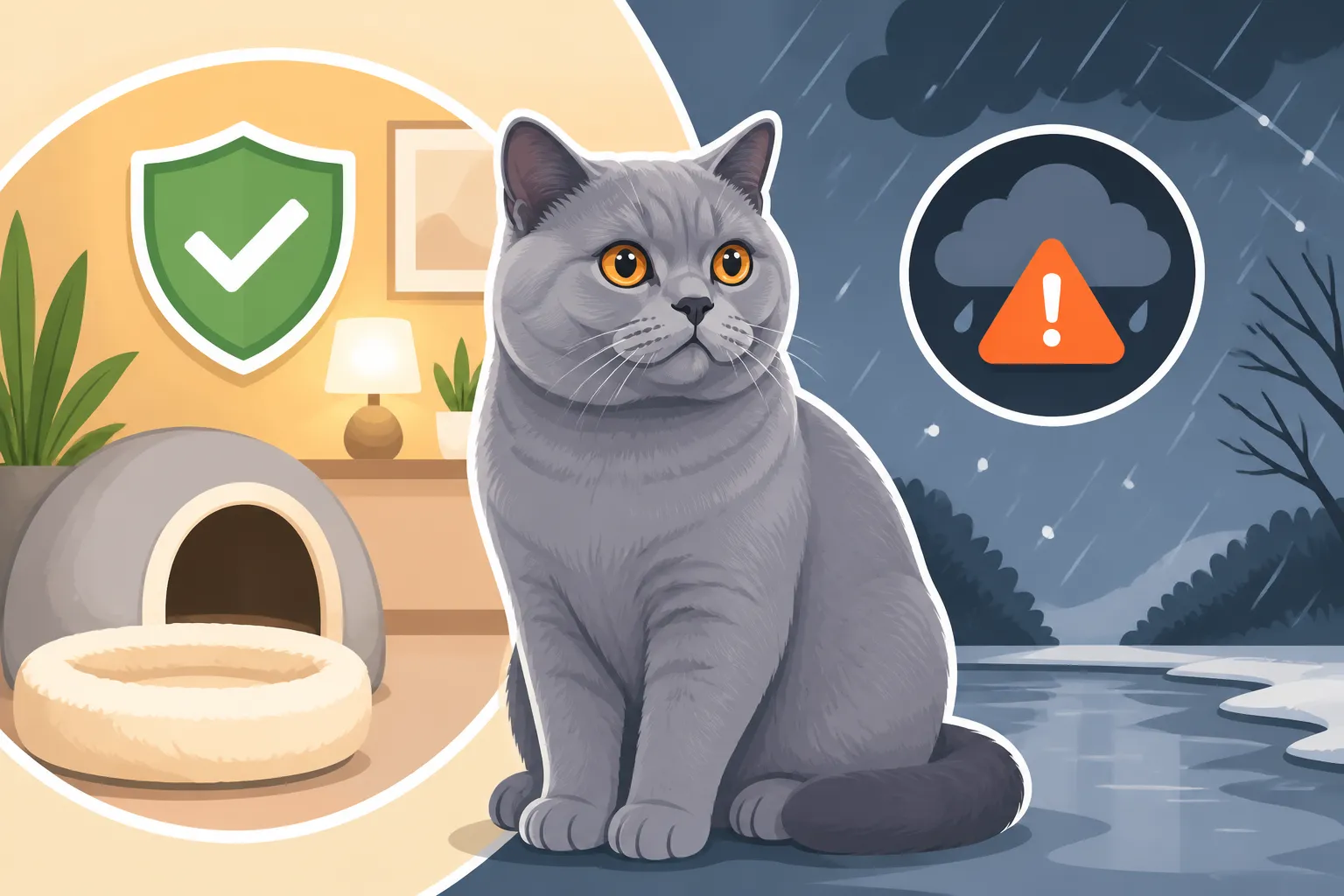
Whether a British Shorthair Would Survive Outdoors
It's natural to wonder if your beloved British Shorthair would enjoy the great outdoors, with all its fresh air and exciting scents. Many of us grew up with free-roaming cats, and the idea of giving our pets that freedom is appealing. However, for a British Shorthair, a breed distinctly different from your average alley cat, an outdoor life isn't just risky – it's often a recipe for disaster. This guide will walk you through precisely why this charming, chunky breed is simply not built for surviving outside and how to provide them with safe, enriching alternatives.
The British Shorthair's Unsuited Nature for Outdoor Survival
When you look at a British Shorthair, you see a picture of calm dignity and plush comfort. These aren't the wiry, street-smart felines that thrive on instinct and agility in a wild environment. Their very characteristics, which make them such wonderful indoor companions, are serious liabilities when exposed to the harsh realities of the outside world.
Physical Traits That Offer Little Protection
A British Shorthair's unique physical characteristics, while endearing, are not designed for the rigors of outdoor survival. Their sturdy, cobby build means they aren't the fastest or most agile cats around. You'll often hear about how they take their time with everything, from eating to exploring, and this deliberate pace isn't conducive to dodging traffic or escaping a territorial dog. Imagine that adorable, round body trying to scramble up a fence quickly – it's just not what they're built for.
Then there's that magnificent, dense coat. While it's lovely to stroke and keeps them cozy indoors, it's not the impermeable armor you might imagine against the elements. It's thick, yes, but it can quickly become matted and dirty if they're constantly exposed to mud, rain, or brambles. This isn't just an aesthetic problem; matted fur can pull at the skin, causing pain and creating hotspots for skin infections. Furthermore, while it offers some insulation, extreme temperatures, both hot and cold, can still overwhelm them. Their plush coat, which feels so wonderful to us, is quite prone to picking up burrs, twigs, and all sorts of debris, which can quickly become uncomfortable and lead to skin irritation. You can learn more about What a British Shorthair's Coat Is Like and how it functions.
Temperament and Instincts Built for Comfort, Not the Wild
British Shorthairs are renowned for their laid-back, placid temperament. They are not known for their hunting prowess or their boundless energy. In fact, many owners describe them as quite lazy, preferring to observe the world from a comfortable perch rather than actively participating in it. This calm demeanor, while cherished indoors, translates to a lack of urgency and street smarts when faced with genuine threats outside. They are simply not wired with the keen predatory instincts or the quick flight responses that allow feral or truly outdoor-adapted cats to survive. They're more likely to sit and ponder a situation than to bolt for safety. If you've ever observed What a British Shorthair Does All Day, you'll notice it involves a lot of napping and quiet observation, not patrolling territories.
Their trust in humans, which is a beautiful trait, also makes them vulnerable. A British Shorthair is unlikely to flee from a stranger, potentially putting them at risk of theft or harm. They don't have the inherent suspicion that protects many outdoor cats. Instead, they might approach a curious person or even a seemingly friendly dog, not understanding the potential danger. They are typically affectionate in their own quiet way, How Affectionate a British Shorthair Is, but this sociability can be a huge disadvantage when navigating an unpredictable external environment.
Real-World Dangers Facing a British Shorthair Outdoors
The romantic notion of a cat exploring the garden freely often glosses over the very real and often tragic dangers that exist just beyond your doorstep. For a British Shorthair, these dangers are amplified due to their inherent characteristics.
Traffic and Accidents: A Constant Threat
This is arguably the single biggest threat to any outdoor cat, and especially to a British Shorthair. Their heavy build and deliberate pace make them notoriously slow to react to fast-moving vehicles. Unlike a lithe, quick-footed cat that might dart out of the way, a British Shorthair is simply not built for that kind of sudden agility. They don't comprehend the speed and danger of cars, trucks, or even bicycles. A quiet street might seem safe, but it only takes one distracted driver or one unexpected turn for a tragedy to occur.
Consider their physical stature; How Much a British Shorthair Weighs makes them substantial targets, but it doesn't grant them invulnerability. They are not quick to jump or scale fences when startled by a vehicle. Many stories from devastated owners attest to how quickly an outdoor life can be cut short by a road accident, regardless of how "safe" the neighborhood might appear.
Predators and Fights: Not Just Other Cats
While other cats can certainly be a threat, especially if your British Shorthair wanders into an established territory, the danger isn't limited to feline skirmishes. Depending on your location, coyotes, foxes, large birds of prey, or even aggressive domestic dogs can pose a severe threat. A British Shorthair's placid nature means they are unlikely to defend themselves effectively or escape quickly. They are simply not equipped with the fighting instincts or the speed to evade a determined predator. Even a seemingly playful encounter with an untrained dog can result in serious injuries.
Beyond direct predation, fights with other cats lead to painful bites and scratches, which quickly become infected. These wounds often require expensive veterinary care, including antibiotics, pain medication, and sometimes even drainage or surgery. These are not minor inconveniences but potentially life-threatening injuries that bring immense suffering to your beloved pet.
Diseases, Parasites, and Toxins: The Silent Killers
The outdoor environment is a minefield of health hazards. British Shorthairs, like all cats, are susceptible to a myriad of infectious diseases that are far more common in outdoor populations. Feline Leukemia Virus (FeLV) and Feline Immunodeficiency Virus (FIV), often spread through bites during fights, are devastating and incurable. There's also Feline Infectious Peritonitis (FIP), which, while less directly linked to outdoor exposure, is a concern. Even with vaccinations, the risk of exposure remains significantly higher for outdoor cats. For perspective on their potential lifespan, consider The Twelve to Seventeen Years a British Shorthair Gets, which is often dramatically shortened by outdoor risks.
Then there are parasites. Fleas, ticks, and worms are constant threats. While preventable with regular treatments, an outdoor British Shorthair is constantly re-exposed, making consistent prevention a never-ending battle. Ticks can transmit serious illnesses, and heavy worm burdens can lead to severe health issues.
Beyond biological threats, environmental toxins abound. Antifreeze, rat poison, slug pellets, herbicides, pesticides, and even certain common garden plants are all highly toxic to cats. These substances are often appealing to a curious cat, or they can be ingested indirectly by grooming paws that have walked through contaminated areas. The cost of treating such poisonings can be astronomical, and the outcome is often grim.
Here's a quick overview of some common outdoor dangers for your British Shorthair:
| Danger Type | Specific Threats | Potential Impact on British Shorthair |
|---|---|---|
| Traffic | Cars, bikes, motorcycles, other vehicles | Severe injury, fatality, broken bones, internal trauma |
| Predators | Dogs, coyotes, foxes, large birds of prey | Attacks, bites, scratches, severe injury, fatality, stress |
| Other Cats | Territorial disputes, intact males | Bites, scratches, abscesses, transmission of FeLV/FIV |
| Diseases | FeLV, FIV, rabies, upper respiratory infections | Chronic illness, fatality, costly long-term veterinary care |
| Parasites | Fleas, ticks, worms (roundworm, tapeworm) | Skin irritation, anemia, illness, vector for other diseases |
| Toxins | Antifreeze, rat poison, herbicides, pesticides, plants | Organ damage, neurological issues, fatality, expensive treatment |
| Theft/Abduction | People attracted to expensive breeds | Permanent loss, exploitation |
| Weather | Extreme heat, cold, rain, snow | Hypothermia, heatstroke, dehydration, matted fur, skin issues |
The Hidden Costs and Consequences of an Outdoor British Shorthair
Beyond the immediate physical dangers, allowing a British Shorthair to roam outside comes with a host of other consequences, both financial and emotional, that many owners simply don't anticipate.
Veterinary Bills and Emotional Distress
The reality of an outdoor life for a British Shorthair often involves frequent trips to the vet. Injuries from fights, car accidents, or falls; illnesses from parasites or infections; or emergency treatments for poisoning all accumulate rapidly. A single emergency visit can run into hundreds or even thousands of dollars. While pet insurance can help, it doesn't cover pre-existing conditions and often has deductibles and co-pays. Over a lifetime, What the First Year With a British Shorthair Costs can balloon dramatically if your cat is frequently injured or ill from outdoor excursions. The cumulative effect of these bills can be financially crippling and lead to heartbreaking decisions.
Beyond the financial strain, there's the emotional toll. Worrying constantly about your cat's safety, the distress of finding them injured or unwell, and the profound grief of losing them to an outdoor accident or illness are heavy burdens. The bond we form with our British Shorthairs is deep, and seeing them suffer or losing them prematurely is an experience no owner wants to endure.
Loss, Theft, and Disappearance
British Shorthairs are a beautiful and valuable breed, and unfortunately, this makes them targets for theft. A stunning British Blue or a rare Golden Shaded British Shorthair wandering unattended can easily catch the eye of someone looking to re-sell a cat, use it for breeding, or simply take advantage of its friendly nature. Losing a cat to theft is a particularly cruel form of loss, as you're left with no closure and the agonizing uncertainty of their fate. The average cost of these cats means they are not simply "replacement" pets, and What a British Shorthair Costs to Buy in 2026 highlights their significant value.
Even without malicious intent, cats can simply get lost. They might wander too far, become disoriented, or get accidentally locked in a shed or garage. While microchipping and collars help, they are not foolproof. A British Shorthair's low energy and tendency to hide when scared mean they might not be easily found if lost, especially if they are injured or unwell. They don't have the natural survival instincts to consistently find their way home in unfamiliar territory.
Behavioral Changes and Reduced Quality of Life
While some might argue that outdoor access provides enrichment, for a British Shorthair, it often leads to more stress than joy. The constant exposure to unfamiliar sights, sounds, and potential threats can make a placid cat anxious or fearful. They might start spraying indoors to mark their territory, or develop inappropriate elimination habits due to stress or fear of using an outdoor litter box. Why a British Shorthair Hates Change can extend to their environment, making them uncomfortable with unpredictability.
Paradoxically, outdoor access can lead to a reduced quality of life for a British Shorthair. Instead of enjoying a secure, clean, and predictable home environment, they are constantly exposed to risks and stressors. Their primary needs for comfort, safety, and a calm routine are often compromised. A contented British Shorthair thrives on stability, routine, and a secure indoor haven where they can relax and truly be themselves.
Creating a Safe and Enriched Indoor Life for Your British Shorthair
The good news is that British Shorthairs are perfectly content as indoor cats, and with a little effort, you can provide an incredibly rich and stimulating environment that keeps them happy, healthy, and safe. This not only protects them from outdoor dangers but also allows you to enjoy their wonderful companionship for many years. This is why it's so important that Whether a British Shorthair Should Be Indoor Only is almost universally answered with a resounding "yes" by responsible owners.
Harness Training and Secure Outdoor Enclosures (Catios)
If you truly want your British Shorthair to experience a bit of fresh air, supervised harness training is an excellent option. Start early, introduce the harness and leash gradually, and make it a positive experience with treats and praise. Not every British Shorthair will take to it, but many can learn to enjoy short walks in a safe, quiet area like a private yard. This allows them to explore safely, under your watchful eye, without the risks of free-roaming.
Even better, consider a "catio" or a secure outdoor enclosure. These can range from small window boxes to elaborate, multi-level structures connected to your home. They provide your British Shorthair with a safe space to enjoy the sun, sniff the breeze, and watch the birds, all while being fully protected from traffic, predators, and disease. You can find ready-made catio kits on sites like Amazon, or plan a custom build if you're handy. Just ensure it's escape-proof and provides shade and shelter.
Environmental Enrichment Inside the Home
A British Shorthair doesn't need to roam a vast territory to be happy. What they need is an engaging and enriching indoor environment. This means providing vertical space with sturdy cat trees or shelves that can support their weight. They might be calm, but they still appreciate a good vantage point. Ensure you get robust furniture – a flimsy cat tree won't cut it for a chunky British Shorthair!
Provide a variety of toys, rotating them to keep things interesting. While they might be notoriously lazy, a feathered wand toy or a crinkly ball can often entice them into a short play session, helping with Getting a Low Energy British Shorthair to Move. Puzzle feeders are also fantastic for mental stimulation and slowing down their eating, which is vital given their propensity for weight gain. You can easily find a good selection of engaging cat toys and puzzle feeders on Amazon.
Prioritizing Health and Regular Veterinary Care
An indoor British Shorthair is still an active participant in their own health journey. Regular veterinary check-ups are paramount, including their yearly physical exams and recommended vaccinations. Indoor cats still need protection against common viruses, and routine preventative care is key to catching any potential health issues early. Make sure to discuss What a British Shorthair's Yearly Bloodwork Should Cover with your vet to stay proactive.
Nutrition is another cornerstone of indoor health. British Shorthairs are prone to obesity, so portion control and a high-quality diet are essential. They thrive on a consistent routine, including regular feeding times, which helps manage their weight and overall well-being. A happy, healthy British Shorthair is a cat that is kept safe, well-fed, and loved within the confines of a secure home.
Ultimately, while the allure of an outdoor adventure might seem tempting, the overwhelming evidence points to the fact that a British Shorthair is simply not equipped to survive the myriad dangers of the outside world. Their calm, trusting nature and sturdy build make them vulnerable. By embracing their true nature as cherished indoor companions and providing a stimulating, safe home, you're giving your British Shorthair the best chance at a long, healthy, and wonderfully happy life by your side.
Disclaimer
This article is for general informational purposes only and does not constitute professional advice. Laws, prices and regulations vary by location and change over time. Consult a qualified professional for guidance on your specific situation.