Why a British Shorthair Hates Change
It's a common observation among British Shorthair owners: these wonderfully calm, plush-coated companions often react to even the smallest shift in their world with a surprising amount of distress. You might rearrange a bookshelf, bring home a new chair, or even just change your work schedule, and suddenly your perfectly placid cat is acting like the sky is falling. This guide will help you understand why your British Shorthair hates change so much and offer practical ways to make their world feel a little more secure.
The British Shorthair's Innate Need for Routine and Predictability
British Shorthairs are, at their core, creatures of habit. They thrive on knowing what to expect, when to expect it, and where everything in their environment belongs. This isn't just a quirky personality trait; it's deeply ingrained in their very being, a blend of their historical background and their highly sensitive feline senses.
A History of Stability in Their Bones
Think about the origins of the British Shorthair. They weren't bred for a life of high adventure or constant novelty. Instead, they evolved from sturdy, resilient working cats who found their niche in stable environments – farms, homes, and eventually, the established households of Britain. Their survival depended on understanding their territory, knowing where the food sources were, and recognizing safe havens. This historical backdrop has fostered a breed that values consistency and security above all else. Unlike some more exotic or wilder breeds that might revel in new experiences, the British Shorthair finds comfort in the familiar.
This means that their ideal world is one where changes are minimal and introductions are slow. When you bring a British Shorthair into your home, you're not just getting a pet; you're inviting a sentient being with an inherent blueprint for a predictable existence. Any deviation from this blueprint can trigger an instinctual alarm, even if from our human perspective, the change seems trivial. They're not being stubborn or difficult; they're simply responding to a primal need for stability. For them, a stable environment equals safety. If you've ever wondered What a British Shorthair's Temperament Is Really Like, you'll find this calm, stable nature is a core part of it, until it's challenged by change.
The Comfort of the Familiar Scent Map
Cats, including our beloved British Shorthairs, perceive their world primarily through scent. Their home is not just a collection of objects and spaces; it's a rich, complex "scent map" that they meticulously create and maintain. They rub their cheeks on furniture, mark their territory, and deposit their unique scent profile throughout their domain. This personal scent signature acts like a security blanket, confirming to them that "this is my space, and it is safe."
When something changes in their environment – a new piece of furniture, a freshly cleaned carpet, or even a visitor with unfamiliar smells – this vital scent map is disrupted. Imagine if someone came into your home and rearranged all your furniture, painted the walls, and replaced all your personal items with new ones, all while you were blindfolded. You'd be disoriented, uncomfortable, and likely anxious until you could re-establish your bearings. Your British Shorthair feels something similar when their scent map is altered. It feels like their territory has been compromised or invaded, leading to stress and insecurity. They might rub themselves on new items frantically, try to hide, or even spray in an attempt to re-establish their scent control. This is why even a seemingly minor change, like swapping out an old armchair for a new one, can be a major upheaval for them.
Their Unflappable Demeanor, Until it's Flapped
One of the most appealing traits of the British Shorthair is their generally calm, stoic, and sometimes almost regal demeanor. They're not typically prone to dramatics or overt displays of panic. They usually handle the everyday hustle and bustle of a household with quiet grace, often choosing to observe from a comfortable distance. You might think, "My cat is so laid-back, nothing fazes him!" And for most minor disturbances, this is true. They'll often just find a new cozy spot and continue their important business of napping.
However, this "unflappable" quality can actually make drastic changes even more jarring for them. Because they are so inherently tranquil, when something genuinely disrupts their equilibrium, the impact can be profound. They don't have a high tolerance for novelty or chaos. Their calm is built on a foundation of stability, and when that foundation shakes, their entire sense of security can crumble. Instead of expressing their distress with loud vocalizations or destructive behavior, a British Shorthair might internalize their anxiety, leading to more subtle signs of stress that can be easily missed. They might become more withdrawn, eat less, or even show changes in their litter box habits. This stoicism can sometimes lead owners to underestimate just how deeply a change is affecting their feline friend.
Common Changes That Upset a British Shorthair
Understanding why British Shorthairs dislike change is one thing, but knowing what kinds of changes tend to upset them is equally important. It's often the things we humans take for granted or consider exciting that cause our feline companions the most stress.
Environmental Shifts: Moving House or Rearranging Furniture
Few things are as disruptive to a British Shorthair as a change in their physical environment. A full-scale house move is, arguably, one of the most stressful events in a cat's life. Suddenly, their entire known world is packed into boxes, they're transported to an unfamiliar place, and the comforting scents and sounds of home are replaced with new, sometimes alarming, sensory inputs. Their established territory is gone, and they have to re-evaluate every corner, every shadow, and every new smell. This can be absolutely terrifying for a creature that relies so heavily on its familiar surroundings for security. You might find your cat hiding for days or weeks, refusing to eat, or becoming unusually withdrawn.
Even less drastic changes, like simply rearranging furniture within the same home, can cause considerable distress. That new sofa might look fantastic to you, but to your British Shorthair, it's an alien object disrupting their pathways, blocking familiar views, and confusing their scent map. They've mapped out their routes, their napping spots, and their observation posts. When you alter these, you're essentially telling them their mental map is now incorrect, forcing them to spend energy re-evaluating and re-establishing their territory. It's a job they don't appreciate being forced to do, especially if it feels like their safe spaces are now exposed or inaccessible. How a British Shorthair Handles a House Move is a massive undertaking, requiring immense patience.
New Faces and Furry Friends: Introductions to People or Pets
British Shorthairs are generally tolerant and can adapt to household members, but they are not always keen on novelty, especially when it comes to new inhabitants. Bringing a new person into the home – whether a new partner, a baby, or even just frequent houseguests – can be a significant source of anxiety. These new individuals introduce unfamiliar scents, sounds, and movements, potentially encroaching on what your cat considers their exclusive territory and disrupting their interactions with you. A baby, in particular, brings a whole new level of sensory input and schedule changes that can be very unsettling.
Introducing another pet, be it a new cat or a dog, is perhaps even more challenging. British Shorthairs often prefer to be the sole recipient of attention and the undisputed monarch of their domain. A new animal means a direct challenge to their territory, their resources, and their relationship with you. They might perceive the newcomer as a threat, leading to stress, conflict, or withdrawal. Proper, slow introductions are absolutely critical here. You can't just toss them together and expect them to be best friends. It takes time, patience, and careful management to allow them to gradually acclimate. If you're considering How a British Shorthair Reacts to a New Dog or Whether a British Shorthair Accepts a Second Cat, be prepared for a marathon, not a sprint.
Disruptions to Daily Routine and Schedules
Cats are creatures of habit, and British Shorthairs are no exception. They have an internal clock that is remarkably precise. They know when breakfast is served, when it's time for their favorite play session, and when you usually settle down for an evening cuddle. These routines provide a sense of order and predictability, which, as we've established, is paramount for their sense of security.
Any significant change to this established routine can throw them off balance. If your work schedule suddenly shifts, leading to later feeding times or fewer evening interactions, your cat will notice. If you used to play with them for 15 minutes every evening and now you're too busy, they'll feel the absence. Even minor inconsistencies, like varying meal times by an hour or two each day, can accumulate into a general feeling of unease. For a cat that relies on structure, these disruptions can lead to frustration, anxiety, and even behavioral issues as they try to communicate their distress or cope with the unpredictable nature of their day. Maintaining a consistent feeding schedule, playtime, and quiet time is vital for their mental well-being. This is particularly true if you have to consider How a British Shorthair Copes With a Full Working Day, where a consistent routine before and after work becomes even more important.
Recognizing and Managing Stress in Your British Shorthair
Since British Shorthairs can be quite stoic, it's crucial for owners to become adept at reading their subtle signals of stress. Catching these signs early can help you intervene before the stress escalates into more significant behavioral or health problems.
Subtle Signs of Discomfort and Anxiety
Unlike some more expressive cat breeds that might overtly vocalize or become destructive when stressed, a British Shorthair's distress often manifests in much more understated ways. They might not be tearing up the curtains, but they could be showing you they're unhappy through subtle shifts in their behavior. Look for changes in their eating habits; they might eat less, or surprisingly, even more as a coping mechanism. Changes in litter box habits, such as going outside the box or more frequent urination, are also strong indicators of stress. Pay close attention to their grooming; over-grooming (leading to bald patches or skin irritation) or under-grooming (resulting in a dull, unkempt coat) are both red flags.
Other signs might include increased hiding, becoming more withdrawn or less interactive than usual, excessive sleeping, or a change in their preferred resting spots. They might avoid certain areas of the house that have undergone change, or become more clingy if they're feeling insecure. A subtle shift in body language, like flattened ears, a tucked tail, or a hunched posture, can also indicate discomfort. Knowing your cat's normal baseline behavior is key here. What's normal for one British Shorthair might be a sign of stress in another. This is why paying attention to the individual cat, and not just general breed traits, is so important for Signs a British Shorthair Is Unwell.
Creating a Safe Haven and Sense of Security
One of the most effective strategies for managing a British Shorthair's aversion to change is to provide them with a strong sense of security within their environment. This begins with creating a designated "safe haven" – a quiet, undisturbed space where they can retreat when feeling overwhelmed. This could be a cozy cat bed tucked away in a spare room, a cat tree with a hidden cubby, or even just a cardboard box in a peaceful corner. Ensure this space remains consistent, full of their familiar scents, and free from human or other pet intrusion.
Beyond a single safe spot, consider their overall environment. Provide plenty of vertical space, like sturdy cat trees or shelves (those found on Amazon can be quite good for their chunky build), so they can observe their surroundings from a height, which often makes them feel more secure. Ensure their resources – food, water, and litter boxes – are consistently located and always accessible. For the litter box especially, remember Which Litter Box Size a British Shorthair Needs to avoid additional stress. During periods of change, try to keep their feeding and play schedules as consistent as possible. Familiar blankets, toys, and even your own worn clothing can provide comforting scents that help them feel grounded amidst newness.
Gradual Introductions and Positive Reinforcement
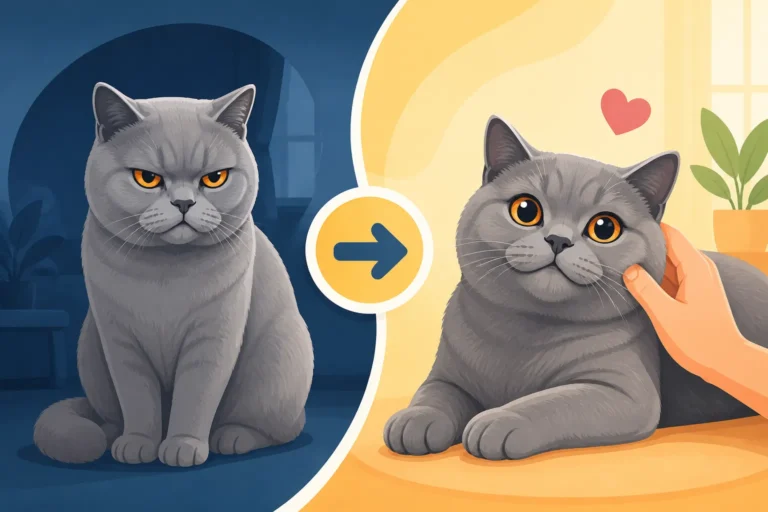
When change is unavoidable, the key is always a slow and steady approach, coupled with positive reinforcement. Never force your British Shorthair into a new situation or interaction. For new objects, introduce them gradually. Place the new item in a neutral area, allow your cat to investigate it at their own pace, and scent mark it. You can even try rubbing a familiar blanket on it to transfer some of their scent. Reward any positive interaction with treats, praise, or gentle strokes.
For new people or pets, the process should be even more protracted. Implement a phased introduction, starting with scent swapping, then supervised visual contact, gradually increasing proximity and interaction time. Always associate the new element with something positive – treats, favorite toys, or a meal. For example, if introducing a new cat, feed them on opposite sides of a closed door, then a baby gate, slowly bringing the bowls closer. This helps build positive associations and reduces fear. Patience is paramount; some British Shorthairs may take weeks or even months to adjust, and that's perfectly normal. Remember, you're helping them rewrite their entire mental map, and that takes time.
Proactive Strategies for a More Adaptable British Shorthair
While British Shorthairs will always have a preference for predictability, there are things you can do to help them become more resilient and adaptable to the inevitable changes life throws their way. It’s about building their confidence and providing them with a strong foundation of security.
Building Confidence Through Consistent Interaction
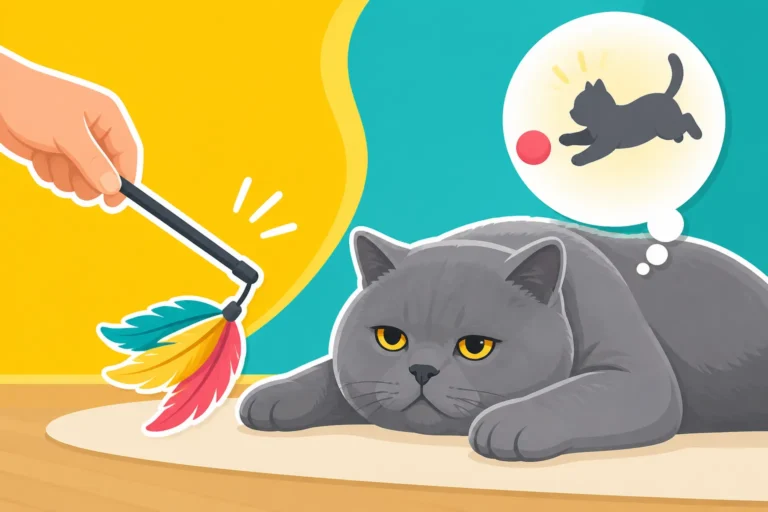
A secure British Shorthair is a more confident British Shorthair, and confidence helps them navigate change with less anxiety. Consistent, positive interaction with you is crucial. This doesn't mean constantly picking them up (as they often dislike that, as covered in A British Shorthair Will Not Be Picked Up), but rather engaging with them on their terms. Regular play sessions, using their favorite wand toys or puzzle feeders, not only provide mental and physical stimulation but also reinforce your bond and their sense of security within the household. Even quiet time spent together, where they choose to sit near you and feel your calming presence, contributes to their overall well-being.
Encourage exploration of their existing, safe territory. Offer new vantage points within their known space, like a window perch or a new cat tree, to expand their perceived safe zone. Make sure these are sturdy enough for their substantial build. By feeling secure and confident in their day-to-day life, they develop a stronger internal resilience that can better withstand external shifts. The more they trust their environment and their human, the less likely they are to view every change as a threat.
Utilizing Calming Aids and Environmental Support
Sometimes, especially during periods of planned or unavoidable change, your British Shorthair might need a little extra help to cope. There are various calming aids available that can support their emotional well-being. Feline pheromone diffusers, like those from Feliway, release synthetic versions of natural calming feline pheromones into the environment, signaling to your cat that the area is safe and secure. You can plug these into rooms where your cat spends a lot of time, or in areas where a change is occurring.
For more pronounced anxiety, discuss with your vet whether a calming supplement might be appropriate. Products containing ingredients like L-Tryptophan or Alpha-Casozepine are sometimes recommended. Many of these beneficial products can be found conveniently on platforms like Amazon, offering easy access to support your cat's comfort. Beyond these specific aids, maintain pristine litter boxes – remember, British Shorthairs are typically very clean cats, and a dirty box can cause stress. Ensuring they have fresh water, perhaps even from a running fountain, and a consistent, high-quality diet are fundamental supports for their overall health and stress resilience.
When to Seek Professional Help
While these strategies can go a long way in supporting your British Shorthair, there are times when their reaction to change might warrant professional intervention. If you notice severe or persistent signs of stress, such as prolonged hiding, refusal to eat for more than 24 hours, consistent inappropriate urination or defecation, aggression, or excessive self-mutilation (like pulling out fur), it's time to seek expert advice.
Your first stop should always be your veterinarian. They can rule out any underlying medical conditions that might be contributing to your cat's behavior or making them more susceptible to stress. Many physical ailments can manifest as behavioral changes, and it's essential to address any health concerns first. If no medical cause is found, your vet might recommend consulting a certified feline behaviorist. These professionals specialize in understanding and modifying cat behavior. They can help you identify the specific triggers for your British Shorthair's anxiety and develop a tailored plan to help them cope, using techniques that go beyond general advice. Sometimes, a combination of environmental management, behavioral modification, and even temporary medication (under veterinary guidance) might be necessary to help your sensitive British Shorthair navigate their world with greater peace of mind.
Disclaimer
This article is for general informational purposes only and does not constitute professional advice. Laws, prices and regulations vary by location and change over time. Consult a qualified professional for guidance on your specific situation.