How a British Shorthair Handles a House Move
Moving house is often touted as one of life's most stressful events for humans, and let me tell you, for our beloved British Shorthairs, it can feel like a genuine catastrophe. These wonderfully calm and steadfast cats thrive on routine and familiarity, making the upheaval of relocating a particular challenge for their serene sensibilities. This guide is here to walk you through how to minimize the stress for your British Shorthair during a house move, offering practical, empathetic advice to help them adjust to their new surroundings as smoothly as possible.
Understanding Your British Shorthair's Nature and Change
British Shorthairs are creatures of habit. They adore their predictable routines, their known territory, and the comfort of familiar sights, sounds, and smells. Change, even positive change for us, can be a source of immense anxiety for them. Their calm demeanor often masks a deep sensitivity to alterations in their environment, making a house move a significant event in their lives.
Why British Shorthairs Dislike Change
Imagine your entire world being turned upside down. That's often what a move feels like to a British Shorthair. They rely heavily on their senses to feel safe and secure. Every piece of furniture, every scent marker, every sunbeam spot is part of their meticulously mapped-out territory. When these elements are suddenly disrupted, it can trigger a primal sense of insecurity. They might become withdrawn, act out with inappropriate urination, or even lose their appetite because their comfort zone has been completely obliterated. This isn't just a quirk; it's a fundamental aspect of their well-being. Why a British Shorthair Hates Change delves deeper into this inherent trait. It's not about being stubborn; it's about their core need for stability.
The Impact of Routine Disruption
A British Shorthair thrives on a predictable schedule. Waking up, meal times, play sessions, cuddle moments – these are all anchors in their day. A house move shatters these anchors. Suddenly, their mealtimes might shift, their favorite napping spot is gone, and the reassuring presence of their people might be preoccupied with packing boxes. This disruption can lead to stress, confusion, and even health issues if not managed carefully. They might look at you with those big, round eyes, silently asking, "What is happening, and why isn't it normal?" Their quiet nature means they often internalize stress, so you might not see overt signs of panic but rather subtle shifts in behavior.
Signs of Stress in a Moving British Shorthair
While a British Shorthair might not be vocal about their displeasure like some other breeds, they will absolutely communicate their stress through their actions. Keep an eye out for signs such as hiding more than usual, a sudden loss of appetite, excessive grooming (or a sudden lack of grooming), changes in litter box habits (going outside the box is a huge red flag for stress), or an increase in fearful or aggressive behavior. They might also become more clingy or, conversely, more aloof than their usual affectionate but independent selves. They're telling you, in their own quiet way, that they're not okay.
Preparing for the Move: Weeks Before D-Day
The preparation phase is critical for easing your British Shorthair into the idea of change. The more gradual and controlled you can make the introduction of new elements, the better they will cope. Think of it as a long goodbye to their old familiar world, done with kindness and foresight.
Gradual Acclimatization to Packing
Don't just suddenly start throwing everything into boxes a week before the move. Begin packing non-essential items well in advance, even weeks or a month out. Introduce moving boxes gradually. Let them explore the empty boxes, even turn them into temporary play tunnels or hiding spots. This desensitizes them to the sight and smell of packing materials. You could even leave a few open boxes with some of their favorite blankets or toys inside for them to explore and scent mark. By the time the actual packing begins in earnest, the boxes will be less of a startling novelty and more of a familiar, albeit annoying, presence.
Maintaining Routine Amidst Chaos
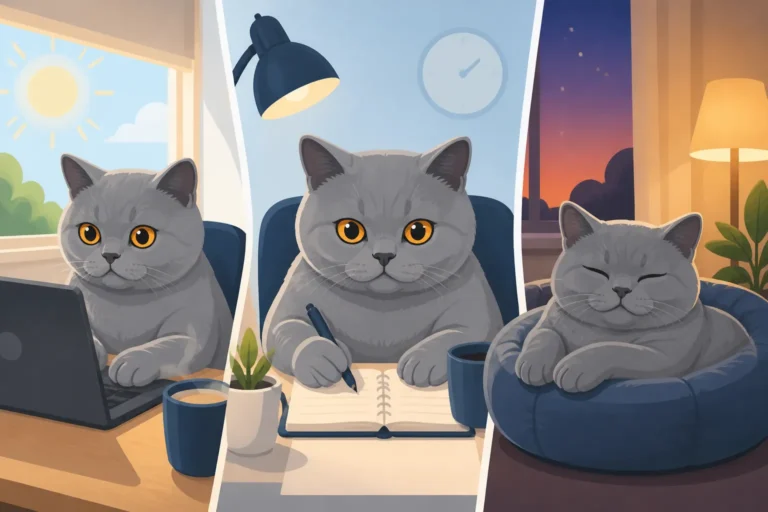
This is perhaps the hardest, yet most important, aspect. As much as humanly possible, try to stick to your British Shorthair's feeding schedule, playtime, and evening cuddle rituals. If you feed them at 7 AM and 7 PM, strive to keep those times consistent. Schedule specific times for play using their favorite wand toy or a laser pointer, even if it's just for ten minutes. A British Shorthair might prefer interactive play rather than chasing things on its own. These small acts of normalcy provide a crucial sense of stability when everything else feels chaotic. Their What a British Shorthair Does All Day article highlights how much these creatures rely on a consistent daily rhythm.
Creating a Safe Haven During Packing
Designate one room in your current home as your British Shorthair's "safe room." This should be the last room you pack. In this room, keep their litter box, food and water bowls, favorite bed, and any cherished toys. When you're actively packing in other areas, confine them to this room with the door closed. This protects them from curious paws getting into tape or packing peanuts, and it gives them a quiet retreat from the noise and commotion. Place a "Do Not Disturb" sign on the door, especially if you have movers coming and going, to prevent accidental escapes.
Introducing the Carrier
If your British Shorthair isn't already comfortable with their carrier, now is the time to change that. Leaving the carrier out in a common area, with the door open and a soft blanket inside, can turn it into a familiar furniture item rather than a dreaded prison. You can even put treats or toys inside to encourage positive associations. Practice short trips in the car, even just around the block, a few times before the move. This makes the carrier and car ride less traumatic on moving day itself. We have a whole guide on How to Get a British Shorthair Into a Carrier that might be helpful.
Updating Identification
Before the move, ensure your British Shorthair's microchip information is up to date with your new address and phone number. Accidents happen, and a stressed cat might try to bolt. A microchip is their best ticket home. Also, make sure their collar with an ID tag (if they wear one) has current information. Consider getting a temporary tag with your new address and contact number on it for the transition period. Whether an Indoor British Shorthair Needs a Microchip is a good read on this topic.
Here's a quick checklist for pre-move preparations:
| Task | Timeline | Importance Rating | Notes |
|---|---|---|---|
| Introduce packing boxes | 4-6 weeks before | High | Let them explore, scent mark. |
| Designate a safe room | 2-3 weeks before | Critical | Last room packed, their sanctuary. |
| Maintain feeding & play routines | Throughout | Critical | Provides stability and comfort. |
| Acclimate to carrier | 2-4 weeks before | High | Leave open with treats, short car rides. |
| Update microchip & ID tag info | 1 week before | Critical | Essential for safety and reunification. |
| Vet check-up and new vet research | 2-4 weeks before | High | Get records, find a new local vet. |
| Consult vet about anti-anxiety options | 2 weeks before (if needed) | Medium | Discuss pheromones or mild sedatives for severe anxiety. |
Moving Day: Minimizing Stress for Your British Shorthair
Moving day itself is often a flurry of activity, noise, and strangers. This is when your British Shorthair is most vulnerable to stress and potential escape. Careful planning for this specific day is paramount.
Securing Your British Shorthair
On moving day, before any movers arrive or boxes start leaving the house, secure your British Shorthair in their designated safe room. This means their carrier, with a familiar blanket inside, a small toy, and a shallow water bowl. Close the door firmly and put a clear sign on it: "CAT INSIDE – DO NOT OPEN!" This prevents them from slipping out the door during the chaos or getting underfoot. Explain to movers that this room contains your cat and should not be accessed until you give the all-clear. Make sure they have a clean litter box in there too.
Transporting Your British Shorthair
Your British Shorthair should always travel with you, ideally in the car, rather than being shipped with household goods. This is non-negotiable. Place their carrier securely in the car, ensuring it won't slide around. Covering the carrier with a light towel can help reduce visual stimulation and make them feel more secure. Talk to them gently throughout the journey. Offer reassurance. If it's a long drive, plan for safe stops where you can offer water, but avoid letting them out of the carrier in an unfamiliar place. For tips on reducing car stress, consider reading How a British Shorthair Rides in a Car.
Essential "First Night" Bag
Pack a separate bag of essentials for your British Shorthair that travels with you and is easily accessible. This should include:
- Several days' worth of their regular food.
- Bottled water (new water sources can sometimes upset sensitive stomachs).
- Their food and water bowls.
- A familiar blanket or bed.
- Their litter box and preferred litter.
- Any medications they take.
- A favorite toy or two.
- Grooming tools, like their trusted steel comb, to help them feel normal. Which Comb a British Shorthair Needs can help you select the right one.
This bag ensures you can set up a basic, comfortable space for them immediately upon arrival at the new house, without having to hunt through packed boxes.
Settling into the New Home: Making It Their Sanctuary
The new home is where the real work of adjustment begins. For your British Shorthair, it’s a completely alien landscape. Your job is to help them re-establish their territory and feel safe again.
Setting Up a Dedicated "Home Base" Room
Just like in the old house, designate one room in the new home as your British Shorthair's sanctuary. This should be a quiet room, ideally one that will be largely undisturbed by unpacking, like a spare bedroom or office. Before letting them out of the carrier, set up this room with their "first night" essentials: litter box, food, water, bed, and toys. This room becomes their temporary home base.
Once the room is ready, gently open the carrier door and let them emerge at their own pace. Don't force them out. They might want to stay in the carrier for a while, which is perfectly normal. Close the door to this room and let them explore at their leisure. Spend time with them in this room, talking softly, playing gently, and offering treats. This helps them associate positive experiences with the new space.
Gradual Introduction to the New Home
Keep your British Shorthair confined to their home base room for at least a few days, or even a week, depending on how quickly they adjust. This controlled environment allows them to acclimate to the new smells and sounds without being overwhelmed by the entire house. Once they seem comfortable and relaxed in this room, you can slowly begin to introduce them to other areas of the house, one room at a time. Supervise their explorations initially, ensuring they always have a clear path back to their safe room if they feel overwhelmed.
Some British Shorthairs will be bolder than others. Observe their cues. If they seem hesitant or stressed, retreat to the safe room for a bit longer.
Re-establishing Routine and Comfort
Once they start exploring, continue to stick to their established feeding and play routines. Place their food and water bowls in a consistent, quiet spot. Ensure their litter box is easily accessible and located in a private area. Consider having multiple litter boxes, especially in a larger home, as a wide cat like a British Shorthair appreciates space and privacy. Which Litter Box Size a British Shorthair Needs is a useful resource for this.
Scatter familiar-smelling items throughout the house – blankets, old t-shirts, cat beds – to help spread their scent and make the new environment feel more "theirs." Pheromone diffusers, like Feliway, can also be incredibly helpful in creating a calming atmosphere. These subtle signals tell your cat that this new place is safe.
Addressing Anxiety and Behavioral Changes
It's normal for a British Shorthair to exhibit some anxiety after a move. They might hide more, be less active, or even vocalize more than usual. Continue to be patient and understanding. Offer extra cuddle time (if they allow it), gentle strokes, and quiet reassurance.
If you notice persistent signs of stress, such as inappropriate urination or prolonged refusal to eat, it's crucial to consult your veterinarian. They can rule out any underlying medical issues and discuss options like temporary anti-anxiety medication or behavioral therapies. Sometimes, simply having new items, like an exciting toy from Amazon or a new cat tree, can help engage them and redirect their focus. Whether a British Shorthair Needs a Cat Sitter and How a British Shorthair Copes With Boarding might be relevant if you're ever away during or after the move and need to consider their comfort.
Patience is Key
Remember, settling into a new home takes time. For some British Shorthairs, it might be a few days; for others, it could be weeks or even months. Don't rush the process. Celebrate small victories, like seeing them confidently explore a new room or choosing to nap in a sunny spot. Your calm and consistent presence is the most comforting thing you can offer them during this significant transition.
Moving with a British Shorthair requires extra thought and preparation, but with a little planning and a lot of patience, you can help your cherished companion navigate this stressful period and thrive in their new home. They might just look at you with those deep, wise eyes and silently thank you for making their world safe again.
Disclaimer
This article is for general informational purposes only and does not constitute professional advice. Laws, prices and regulations vary by location and change over time. Consult a qualified professional for guidance on your specific situation.