Whether an Indoor British Shorthair Needs a Microchip
It's a common, understandable thought: "My British Shorthair is an indoor cat, so why on earth would I need to microchip them?" You’ve meticulously secured your home, perhaps even added extra screens or cat-proofed windows, all to keep your beloved, calm feline friend safe within your four walls. The idea of them ever stepping paw outside might feel utterly impossible, or even like a betrayal of their very nature. But the truth is, even the most dedicated indoor British Shorthair can, and sometimes does, find themselves unexpectedly outdoors and lost. This guide is here to unravel the complexities around microchipping your indoor British Shorthair, shedding light on why it’s not just a good idea, but often a crucial safety net for their unique disposition and your peace of mind.
The Myth of the Unescapable Indoor Cat
We often lull ourselves into a false sense of security when we label our cats as "indoor only." It creates an image of a perfectly controlled environment, a fortress against the outside world. For British Shorthairs, with their generally laid-back nature and often lower prey drive compared to some more active breeds, it's even easier to believe they wouldn't want to venture out. They're often content with their routines, their comfy beds, and their food bowls. But life, as we all know, is full of unexpected twists, and sometimes those twists can lead your cherished feline companion right out the front door.
How an "Indoor Only" British Shorthair Might Slip Away
It might seem far-fetched, but there are countless scenarios where an indoor cat can go missing. Imagine a busy day: a delivery person leaves the front door ajar for a moment too long, or a guest unfamiliar with "cat protocols" doesn't close a screen door properly. Your British Shorthair, usually so docile, might just seize a rare moment of curiosity. Perhaps they follow a waft of interesting scent, or simply get spooked by an unexpected loud noise like thunder or fireworks, bolting past you. They don't plan an escape; it often just happens.
Consider also the times when your home isn't quite as secure as usual. During home renovations, open windows and doors are common. Moving to a new house is a huge stressor for any cat, and even a well-behaved British Shorthair might try to find a familiar hiding spot that leads them outdoors. Disasters, too, play a role. A fire, a flood, or a natural phenomenon might force you to evacuate quickly, and in the chaos, a frightened cat can easily become separated from you. These aren't just theoretical worries; they are real-life events that pet owners face, highlighting why the "indoor only" label, while a good intention, isn't an impenetrable shield. Whether a British Shorthair Should Be Indoor Only is a debate for another day, but even those kept indoors face risks.
The British Shorthair's Disadvantage When Lost
Unlike some more street-savvy breeds, a British Shorthair is often ill-equipped for survival outdoors. Their calm, sometimes sedentary nature, which makes them such wonderful house pets, can be a disadvantage in the wild. They may not have the instincts to hunt effectively, find shelter, or avoid dangers like traffic or other animals. Their dense, plush coat, while lovely, isn't designed for long-term outdoor exposure in all weather conditions, and they're generally not known for their agility or quick reflexes in unfamiliar territory.
They also tend to be less vocal than some other breeds, which might make it harder for them to cry for help or draw attention if they're trapped or injured. A lost British Shorthair might simply hunker down and hide, becoming even more elusive. Imagine your typically placid cat suddenly confronted by unfamiliar sights, sounds, and smells. They would likely be terrified and disoriented, making them even more vulnerable.
What is a Microchip and How Does It Work?
So, you're convinced that even an indoor British Shorthair faces risks. The next step is understanding what a microchip actually is and how it functions as a critical lifeline if your cat ever gets lost. It’s a simple, reliable technology that has reunited countless pets with their anxious families.
The Science Behind the Tiny Chip
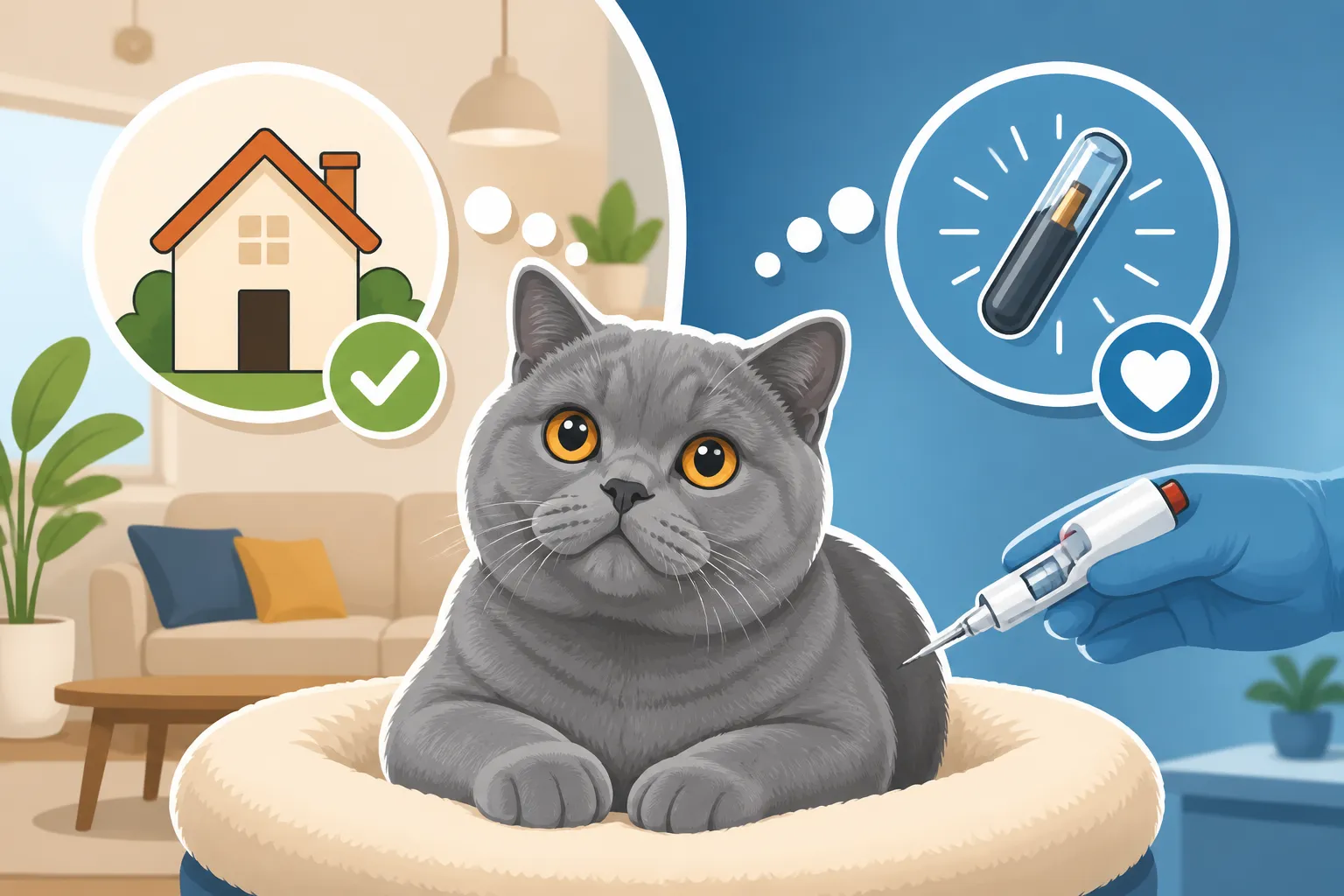
A pet microchip is a tiny, rice-grain-sized transponder that contains a unique identification number. It’s typically implanted by a veterinarian just under the skin between your cat's shoulder blades. This isn't a GPS device; it doesn't transmit a signal or allow you to track your cat's location in real-time. Instead, it's a passive device. When a scanner passes over the chip, it emits a low-frequency radio wave that powers the chip, allowing it to transmit its unique ID number back to the scanner.
This ID number is then cross-referenced with a national pet recovery database. When you register your microchip, you link your contact information (name, address, phone number, email) to that specific ID number. This means if your British Shorthair is found and scanned by a vet clinic, animal shelter, or rescue organization, they can immediately access your details and get in touch. It's a permanent form of identification that can't be lost, removed, or fall off like a collar or tag.
The Microchipping Procedure Itself
The thought of an injection might make you or your British Shorthair a little nervous, but the microchipping procedure is very quick and generally causes no more discomfort than a routine vaccination. Most cats barely react to it. It doesn't require anesthesia and can often be done during a regular vet visit. The needle used is slightly larger than a standard vaccination needle, but it’s over in a matter of seconds. Your British Shorthair will likely forget about it almost instantly, more concerned with when their next meal is coming.
After the chip is implanted, the most critical step is registration. An unregistered microchip is essentially a useless chip. Think of it like a new phone: you have the device, but if you don't activate a plan and input your contacts, it won't connect you to anyone. Your vet will usually provide you with the necessary paperwork and guide you through the registration process, often online. Remember to keep your contact information updated with the microchip registry if you move or change phone numbers.
Beyond the Basics: Why Microchipping is a Must-Have
Microchipping isn't just about identifying your cat; it's about providing the best possible chance of a safe return, and it comes with a host of practical benefits that extend beyond the initial worry of them getting lost.
Reuniting Families: The Primary Benefit
The most obvious and profound benefit is the increased likelihood of reunion. A lost British Shorthair found wandering, even if it has a collar (which can fall off or be removed), will be scanned for a microchip. This is standard procedure at vet clinics and shelters. Without a microchip, an unidentified cat found by a kind stranger might simply be adopted by them, or end up in a shelter with no way for you to be contacted, eventually going up for adoption.
With a microchip, your unique ID number immediately links back to you. This cuts down on the emotional toll and frantic searching, and drastically increases the speed at which your furry family member can come home. Imagine the relief of getting that call saying your British Shorthair, perhaps found a few towns over, has been identified and is waiting for you. This is the peace of mind that microchipping offers. It’s a small, one-time investment for a potentially life-saving outcome.
Legal and Safety Considerations
In many regions, microchipping pets, even indoor ones, is becoming either mandatory or highly recommended. Local ordinances often reflect the understanding that it’s the most effective way to identify and return lost animals, reducing the burden on shelters. If your British Shorthair were to get out and be found, a microchip immediately establishes you as the rightful owner, preventing potential disputes or delays in their return.
Furthermore, if your cat is injured while lost, a microchip allows a vet clinic to quickly identify you and get consent for necessary medical treatment. This is invaluable, as waiting for an owner can sometimes mean the difference between life and death. While some pet insurance providers like Healthy Paws may cover aspects of emergency care, knowing your cat's medical history immediately via your contact with the vet is paramount. This can save critical time and ensure your British Shorthair gets the care they need without delay.
Addressing Common Owner Concerns
Many owners wonder about the safety or efficacy of microchips. Rest assured, they are incredibly safe. The chips are biocompatible, meaning they don't cause adverse reactions in the vast majority of animals. Complications are extremely rare, usually limited to minor swelling at the injection site. The chips also don't "wear out" or need batteries; they last for your cat's entire lifespan.
Some might worry that registering the chip is too complicated or costly. While there might be a small one-time fee for registration with the database, it’s typically nominal compared to the cost of What a British Shorthair Costs to Buy in 2026 or the emotional cost of a lost pet. Many microchip companies offer lifetime registration for a single fee, and some even allow you to update your information for free online. Make sure you understand the specific terms of your chosen registry. When you're considering the overall What the First Year With a British Shorthair Costs, a microchip is a tiny fraction that offers immense value.
| Feature | Collar with ID Tag | Microchip |
|---|---|---|
| Visibility | High (can be seen by anyone) | Invisible (requires scanner) |
| Durability | Can be lost, broken, or removed | Permanent, implanted under skin |
| Information | Limited (name, phone number) | Unique ID linked to comprehensive contact info in database |
| Security | Easily removed by strangers or snagged | Cannot be removed without veterinary intervention |
| Cost | Relatively inexpensive, needs replacement | One-time fee for chip and registration |
| Comfort | Can be uncomfortable for some cats, risk of snagging | No discomfort once implanted |
| GPS Tracking | None | None |
| Reunion Rate | Good if collar stays on and information is current | Excellent, especially for cats found by vets/shelters |
Getting Your British Shorthair Microchipped
The decision to microchip is a straightforward one for most responsible pet owners, even for those with entirely indoor cats. It’s a simple, effective, and low-cost measure that provides an invaluable safety net.
When to Microchip Your British Shorthair
Many breeders will microchip kittens before they go to their new homes. If your British Shorthair kitten isn't already chipped when you bring them home, your first vet visit is the perfect time to discuss it. It's a quick addition to a routine check-up. For adult British Shorthairs, it's never too late to get them microchipped. If you've adopted an older cat, or simply never got around to it, make an appointment with your vet. Given that The Age a British Shorthair Is Considered Senior can be around ten years old, a microchip ensures they are identifiable throughout their entire lifespan.
Remember to follow up on the registration paperwork. You'll usually get a leaflet or card with the microchip number and instructions for the database. Take the time to fill out the information accurately and completely. Set a reminder to check and update your contact details periodically, especially if you move or change your phone number. Some companies, like those that handle pet insurance such as Healthy Paws, will also remind you about keeping your pet's information up to date, which often includes microchip details.
What if My British Shorthair Already Has a Chip?
If you've adopted your British Shorthair from a rescue or a breeder, they might already have a microchip. It's crucial to confirm this and ensure that the chip is registered in your name with your current contact information. Many people forget this vital step, rendering the chip useless if the previous owner's information is still associated with it. Your vet can scan your British Shorthair to confirm the presence and number of the chip. Then, you can contact the microchip registry directly to transfer ownership and update your details.
Sometimes, a chip might migrate slightly from its original position, but it will still be scannable. Your vet can perform a quick scan at any annual wellness visit to ensure the chip is still detectable and readable, just as part of their routine check-up. This is an excellent idea to include as part of your overall Caring for an Old British Shorthair routine.
Conclusion: A Small Step for Big Peace of Mind
The bond you share with your British Shorthair is special. Their calm demeanor, their plush coats, and their endearing personalities make them beloved members of the family. The thought of them ever going missing is terrifying, but it's a reality that too many pet owners face. While you might keep a pristine home and never let your cat outdoors, life can throw curveballs. A simple microchip is your cat's permanent ID, their silent advocate if they ever get lost, ensuring that if they are found, they can be returned home to you.
It's a testament to your commitment as a pet parent to consider every safeguard, even for your cherished indoor companion. The minor inconvenience of the procedure and the small cost are negligible when weighed against the profound relief of a reunion. Make the proactive choice to microchip your British Shorthair; it's a small investment in their lifetime of safety and your peace of mind. Good food and daily care support your cat's well-being, but microchipping is about securing their safety in the long run.
Disclaimer
This article is for general informational purposes only and does not constitute professional advice. Laws, prices and regulations vary by location and change over time. Consult a qualified professional for guidance on your specific situation.