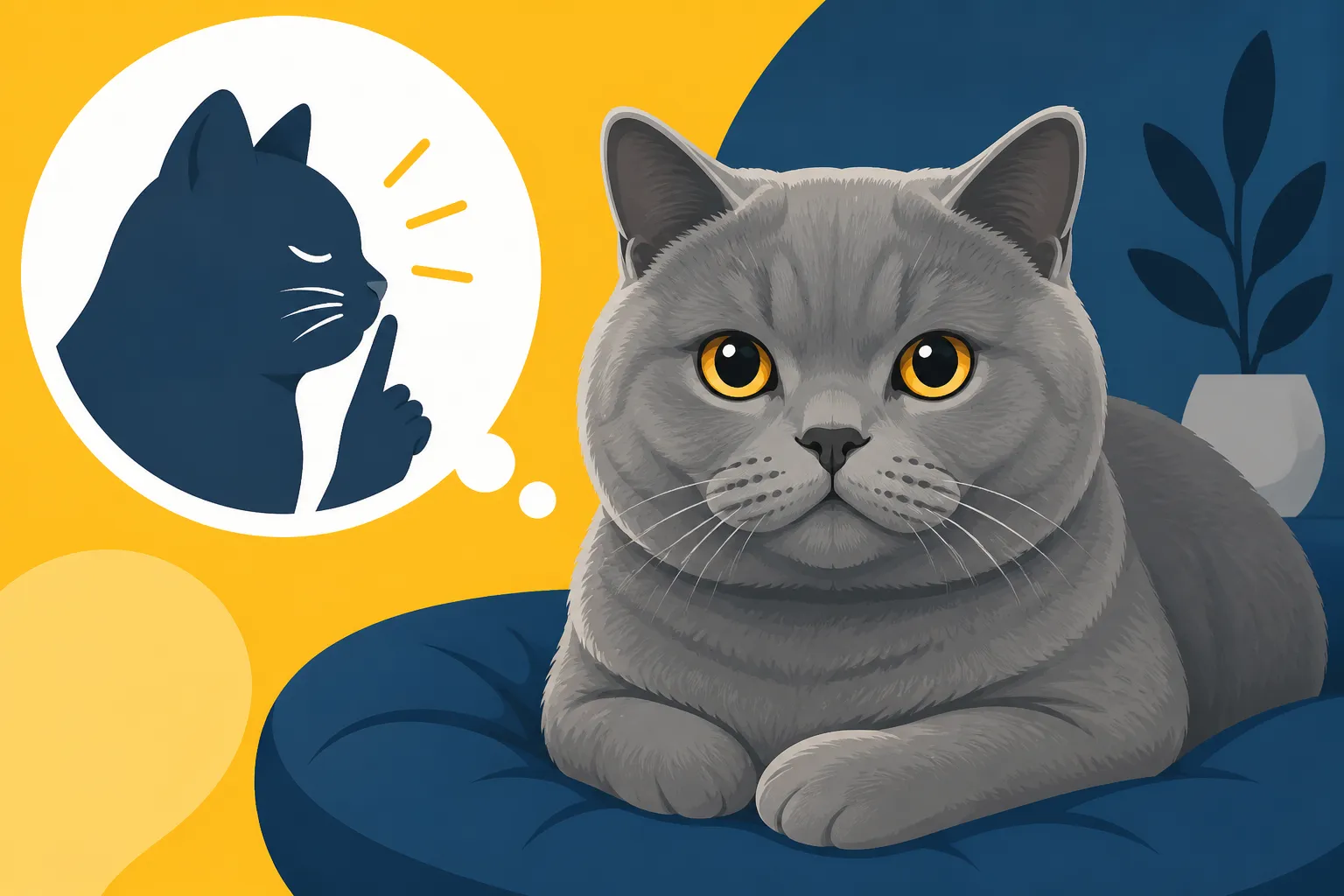
Why a British Shorthair Is So Quiet
It’s a common experience for new British Shorthair owners to find themselves wondering, "Is my cat okay? Why is it so quiet?" You might be used to other cats chatting up a storm, demanding attention with insistent meows, and generally making their presence known vocally. Then you bring home a beautiful British Shorthair, and… silence. Or at least, a distinct lack of loud pronouncements. This guide is here to unravel the mystery behind your British Shorthair's famously quiet nature, explain why this is perfectly normal, and help you understand the subtle ways they communicate their feelings and needs.
The Breed's Inherently Calm Disposition
British Shorthairs are not known for their vocal theatrics, and there's a good reason for that: it's deeply ingrained in their history and genetics. Unlike some breeds that were developed to be highly interactive and chatty, the British Shorthair's lineage is rooted in a more stoic and independent past.
Historical Roots and Temperament
Imagine the ancient ancestors of the British Shorthair, working cats in barns and homes across Britain. Their job wasn't to meow for attention or announce every mouse they caught; it was to be efficient, observant, and largely self-sufficient. Being loud or overly demanding wouldn't have served them well in their traditional roles. Over generations, these traits were naturally selected for, creating a cat that is inherently calm, composed, and yes, quiet. When Harrison Weir championed the breed in the late 19th century, he was seeking to preserve the robust, sensible British domestic cat, and their placid nature was a key part of that appeal. This historical background has shaped them into the serene companions we cherish today. They are the epitome of quiet dignity, often preferring to observe rather than participate in loud, boisterous activities.
Genetic Predisposition to Tranquility
Just as certain breeds are genetically predisposed to specific coat patterns or body types, the British Shorthair carries a genetic blueprint for a calm and reserved temperament. This isn't to say they are aloof or unfriendly; quite the opposite, in fact. They are typically affectionate and enjoy human company, but they express it in a much more understated way. Their purrs are often quiet rumbles, their chirps gentle greetings, and their demands for food more a polite gaze than an insistent yowl. This genetic inclination means that even British Shorthairs raised in bustling homes often retain their characteristic quietness. It’s simply how they are wired, a charming part of their unique personality that many owners come to appreciate. It sets them apart from more boisterous breeds, offering a peaceful presence that can be incredibly soothing.
How British Shorthairs Communicate Without Loud Meows
Just because your British Shorthair isn't constantly vocalizing doesn't mean they aren't communicating. Their language is simply more subtle, relying heavily on body language, facial expressions, and those rare, delightful soft sounds. It’s like learning a new dialect, one spoken with tail flicks and slow blinks rather than booming pronouncements.
The Language of Body Language
For a British Shorthair, their body is a finely tuned instrument of communication. You'll quickly learn to decode their nuanced signals once you start paying attention. A slowly swishing tail, for example, might indicate contemplation or mild irritation, while a tail held high with a slight curl at the tip signifies contentment and friendliness. Their eyes, often large and round, can convey a wealth of emotion. A slow blink, known as a "cat kiss," is a clear sign of trust and affection. If they're feeling particularly cozy, you might notice their eyes are half-closed, signaling deep relaxation.
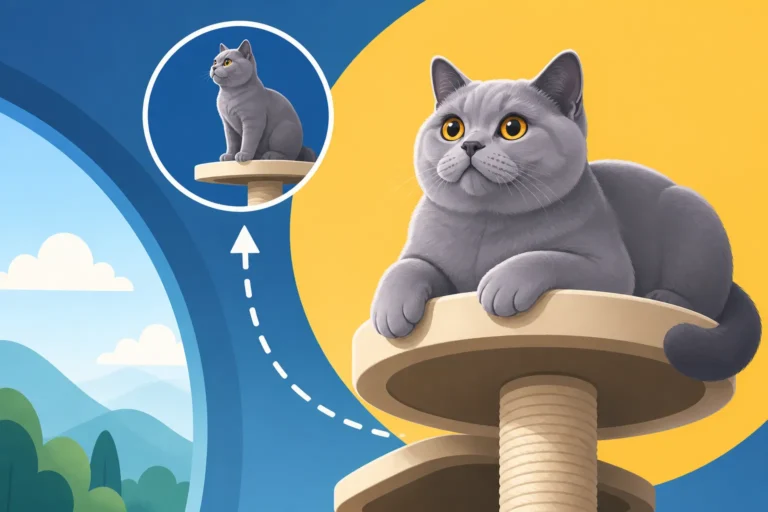
Observe their posture too. A British Shorthair lounging lazily, perhaps on a sunny windowsill or a comfy Cat Tree for a Heavy British Shorthair, with paws tucked neatly beneath them, is a picture of contentment. Conversely, if their body language becomes tense, their fur slightly bristled, or their ears flattened, it's a clear signal that they are feeling uneasy or threatened, even if they don't utter a single sound. Understanding these visual cues is paramount to truly connecting with your quiet companion. Learning How to Read a British Shorthair's Face can be particularly insightful.
Subtle Vocalizations and Their Meanings
While not prolific conversationalists, British Shorthairs do have a repertoire of soft, charming vocalizations. The most common you'll likely hear is a gentle purr, often a deep rumble that you might feel more than hear, especially when they're snuggled close. This purr is their primary expression of happiness and relaxation. You'll also encounter the occasional soft trill or chirp, particularly when they greet you at the door or are excited about mealtime. These sounds are often short, almost bird-like, and serve as a polite "hello" or an eager "feed me!" What a British Shorthair's Chirp Means is often a sign of affection or mild anticipation.
Sometimes, you might hear a small "mew" when they're truly seeking your attention, perhaps for a treat or a head scratch. These are rarely loud, piercing meows but rather soft, questioning sounds that draw you in gently. It’s important not to mistake their quiet nature for a lack of desire to communicate; they simply choose a more refined, less boisterous way to express themselves. They are adept at using their eyes to convey hunger or their paws to gently tap your leg when they want a pat.
The Purr: A Symphony of Contentment
The British Shorthair's purr is often described as a soft, rhythmic rumble, sometimes barely audible unless you're very close. It's not the booming, room-filling purr of some other breeds; instead, it's a more intimate sound, a personal symphony of contentment. When your British Shorthair chooses to curl up next to you, perhaps on your chest or lap, and you feel that gentle vibration, you know you've been granted a special audience. This purr is their clearest indicator of pleasure, safety, and deep affection.
It's a sound that communicates profound happiness, often accompanied by kneading paws and half-closed eyes. It tells you they are relaxed, comfortable, and utterly at peace in your presence. Some British Shorthairs will purr while grooming themselves, enjoying a quiet moment, or even just surveying their kingdom from their favorite perch. It's a testament to their overall calm demeanor that even their most enthusiastic vocal expression is often understated. If you rarely hear this purr, or notice changes in its frequency, it could be Signs a British Shorthair Is Unwell, so always pay attention to shifts in their normal behavior.
Environmental Factors Influencing Vocalization
While genetics play a huge role in a British Shorthair's quiet nature, their environment and daily routine can also influence how much (or how little) they vocalize. Creating a stable, predictable, and enriching home life can help them feel secure enough to express themselves, however subtly.
The Impact of a Calm Household
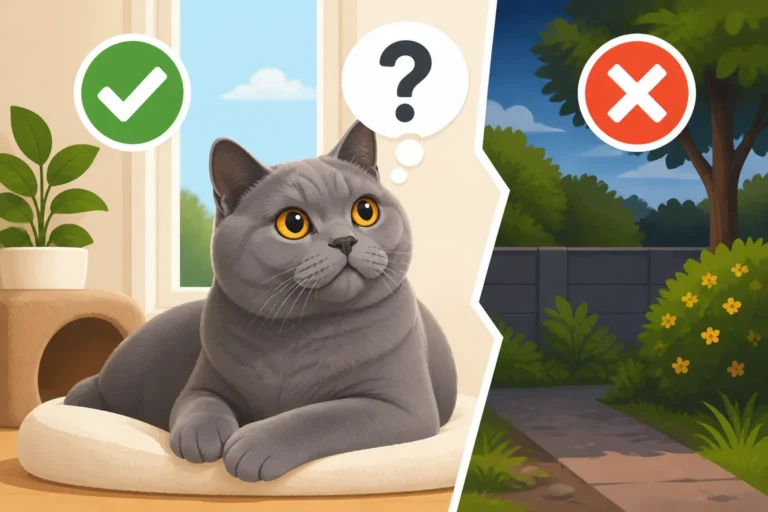
British Shorthairs thrive in serene environments. A home that is generally quiet, with a predictable routine and minimal sudden loud noises, aligns perfectly with their naturally placid temperament. In such an environment, they feel secure and have less reason to express alarm or distress through vocalization. Think of it this way: if everything is calm and orderly, there's no urgent need to shout about it. They prefer peace and quiet, finding comfort in the gentle rhythm of daily life.
Conversely, a chaotic or noisy household, while not necessarily making them suddenly vocal, can cause them stress. They might become even more withdrawn, finding quiet hiding spots to escape the commotion. While they are adaptable, a constantly high-stimulus environment can be unsettling for a British Shorthair. They appreciate a calm atmosphere where they can truly relax and display their sweet, gentle personalities. If your home is busy, ensuring they have a quiet, safe space where they can retreat is crucial for their well-being. This might be a cozy bed tucked away in a spare room or a cat tree offering a high vantage point away from the fray.
Routine and Predictability
These creatures are lovers of routine. A consistent schedule for meals, playtime, and even cuddle sessions contributes significantly to their sense of security. When they know what to expect, they are less likely to feel anxious or stressed, which in turn reduces any potential vocalizations stemming from discomfort. For instance, if you have a set time for dinner, your British Shorthair might quietly sit by their bowl a few minutes beforehand, looking at you with expectant eyes, rather than loudly demanding their food. How a British Shorthair Asks for Food is usually a very understated affair.
Any sudden changes to their routine, like a new pet, a house move, or even a different work schedule, can temporarily disrupt their calm. During such periods, you might notice a slight increase in subtle vocalizations, or perhaps more overt signs of unease, as they try to communicate their discomfort. However, once a new routine is established, they typically settle back into their quiet, composed selves. Providing consistency helps reinforce their inherent tranquility.
Response to Human Interaction
The way you interact with your British Shorthair also plays a role in their vocal habits. If you consistently respond to their subtle cues – the gentle head nuzzle, the soft gaze, the quiet approach for a pet – they learn that loud meows aren't necessary to get your attention. They learn that their quiet signals are understood and valued. This reinforces their natural inclination towards quiet communication.
If, however, a cat learns that only loud meows get a reaction, they might occasionally escalate their vocalizations. But with a British Shorthair, this is often a learned behavior rather than an innate one. They generally prefer quiet affection, a gentle stroke, or a calm presence beside them rather than boisterous play or constant attention-seeking. They appreciate a quiet acknowledgment, a soft word, or a patient moment of petting. Providing interactive toys that don't require constant vocal prompting, like a laser pointer or a puzzle feeder available on Amazon, can also encourage engagement without over-stimulating them into being more vocal. Ultimately, their quietness means you need to be an attentive observer to understand their unspoken desires.
When Quiet Isn't Normal: Recognizing Red Flags
While a quiet nature is characteristic of British Shorthairs, it's vital for owners to distinguish between their normal calm demeanor and a sudden, unusual silence that might signal a problem. These cats are incredibly stoic and adept at hiding pain or illness, which means a change in their usual quiet patterns should always be taken seriously.
Sudden Changes in Vocalization
If your normally quiet British Shorthair suddenly becomes even more withdrawn, or conversely, starts vocalizing more than usual, it's a potential red flag. An increase in meowing, especially if it sounds distressed, mournful, or incessant, could indicate pain, discomfort, or an underlying medical issue. Cats are masters at masking their vulnerabilities, so any deviation from their established quiet baseline warrants attention. They might emit a low, guttural growl when handled in a certain spot, or a soft, persistent moan if they are feeling unwell.
A sudden, complete cessation of all vocalization, even their characteristic chirps and purrs, can also be concerning. It might suggest they are feeling so unwell that they lack the energy or inclination to communicate at all. Pay close attention to context: is this new quietness accompanied by changes in appetite, litter box habits, or overall energy levels? If you notice your British Shorthair, which usually offers a soft "mrow" when you come home, is now completely silent and unresponsive, it’s a strong indication that something is amiss. Why a Silent British Shorthair Is Unwell details the urgency of these situations.
Behavioral Indicators of Discomfort or Illness
Because British Shorthairs are so quiet, you'll need to rely heavily on other behavioral cues to gauge their well-being. A British Shorthair that is unwell will often show subtle changes in behavior long before they vocalize discomfort. Look for a decreased appetite or thirst, changes in litter box habits (e.g., urinating outside the box, straining, or changes in stool consistency), or a sudden lack of interest in toys or interactions they usually enjoy. They might become more reclusive, hiding away in unusual spots or avoiding contact. How a British Shorthair Hides Pain is a critical read for any owner, as it outlines their innate tendency to conceal discomfort.
Other signs include changes in grooming habits – either excessive grooming in one spot due to pain, or a lack of grooming resulting in a dull, unkempt coat. A stiff gait, reluctance to jump, or an unusual posture can all point to physical discomfort. Even subtle shifts in their sleeping patterns, such as sleeping much more or in different locations, can be significant. If you notice any combination of these behavioral changes, especially alongside a change in their typical quietness, it's always best to consult your veterinarian promptly. Your British Shorthair relies on your keen observation to advocate for their health.
When to Consult Your Veterinarian
If you observe any persistent or sudden changes in your British Shorthair's usual quiet demeanor, particularly when accompanied by other concerning symptoms, a visit to the veterinarian is non-negotiable. Don't wait for your cat to be screaming in pain; by then, the condition may be advanced. Remember, their quiet nature means that even subtle signs can be significant. It’s better to be overly cautious than to miss an early indicator of illness.
Your vet will conduct a thorough physical examination and may recommend further diagnostics such as blood tests or imaging. Be prepared to provide a detailed history of your cat's behavior, including when you first noticed the changes, what those changes entailed, and any other symptoms you've observed. Early detection and intervention are crucial for managing many feline health conditions. Trust your instincts as an owner; if something feels "off" about your British Shorthair, even if they're still quiet, it's always worth getting it checked out. They depend on you to understand their quiet language and ensure their health and comfort.
| Communication Type | Typical British Shorthair Expression | More Vocal Cat Breeds (e.g., Siamese) |
|---|---|---|
| Greeting | Soft chirp, gentle trill, head rub | Loud, insistent meow, chirping chorus |
| Attention Seeking | Gaze, soft paw tap, quiet "mew" | Prolonged meow, demanding vocalization |
| Contentment | Deep, quiet rumble purr | Loud, resonant purr, often audible from a distance |
| Discomfort/Pain | Withdrawal, hiding, tense body, altered grooming, very soft moan if severe | Increased, distressed meows, yowls, cries |
| Excitement | Tail wag, eager posture, occasional chirps | Enthusiastic meows, chattering |
| Hunger | Sitting by bowl, looking at owner, quiet "mrow" | Persistent, escalating meows, following and complaining |
Providing Enrichment for a Quiet Cat
Just because a British Shorthair is quiet doesn't mean they don't need mental and physical stimulation. Their low-energy nature means you often have to encourage them to play, but enrichment is still vital for their happiness and to prevent boredom. Think about activities that engage their minds without necessarily demanding loud interaction. Puzzle feeders, for example, are excellent. You can find many varieties on Amazon that require your cat to work for their treats, satisfying their hunting instincts in a quiet way. These encourage problem-solving and can make meal times more engaging.
Interactive toys that mimic prey, like wand toys with feathers, can also pique their interest. Remember that How Much Play a British Shorthair Needs might be less than other breeds, but consistent, short play sessions are important. Even a simple window perch where they can watch the world go by provides immense enrichment for these observant cats. Consider providing a variety of scratching posts and surfaces, as satisfying their natural urge to scratch is key. The goal is to provide stimulating experiences that respect their calm temperament, encouraging them to be engaged and content without overwhelming them or pushing them to be overly vocal. A happy British Shorthair may be quiet, but they are certainly not bored.
Disclaimer
This article is for general informational purposes only and does not constitute professional advice. Laws, prices and regulations vary by location and change over time. Consult a qualified professional for guidance on your specific situation.