How a British Shorthair Asks for Food
It can be incredibly perplexing when your British Shorthair seems to want something, but you just can't quite put your paw on what it is. Are they bored? Do they want cuddles? Or, more often than not, are they subtly (or not-so-subtly) campaigning for their next meal? Deciphering your British Shorthair's particular food-seeking methods can save you a lot of guesswork and ensure your chunky friend isn't constantly hangry. This guide will help you decode the unique ways a British Shorthair communicates its desire for food, from the quietest stare to the most insistent vocalization.
The Subtle Art of British Shorthair Communication
British Shorthairs are renowned for their calm, stoic demeanor. They aren't typically the most boisterous or demanding of breeds, which can make their communication style a bit of a mystery for new owners. While some cats will loudly proclaim their hunger from the rooftops, your British Shorthair often prefers a more understated approach, relying on visual cues and gentle physical prompts before escalating to more overt demands. Learning these subtle signals is key to understanding your feline companion.
The Silent Stare and Intense Gaze
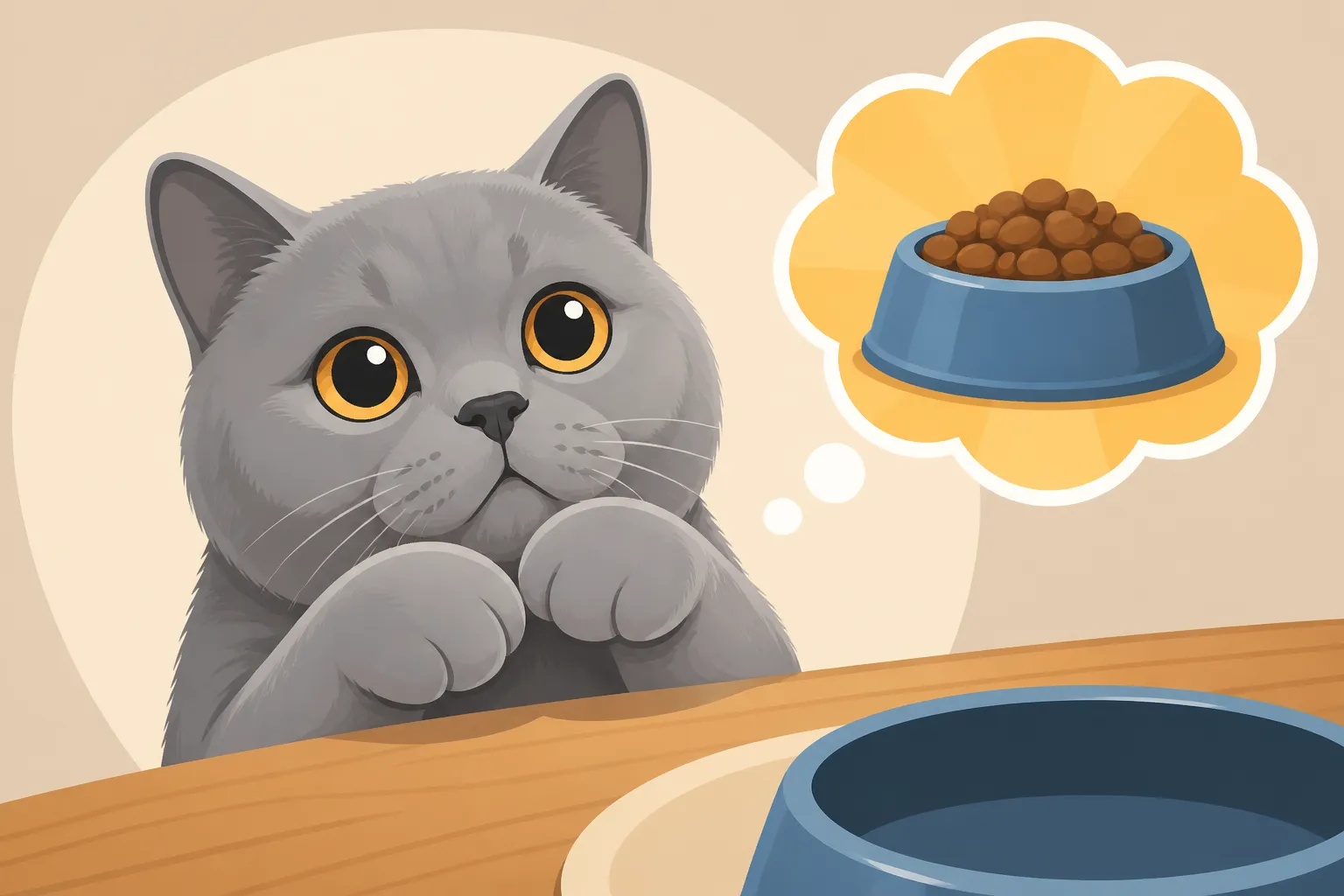
One of the most classic British Shorthair food requests doesn't involve a single sound. Instead, it’s a silent, unblinking stare. You might be engrossed in a book, watching television, or simply walking across a room, and suddenly, you feel eyes on you. You glance over, and there they are – your British Shorthair, sitting perfectly still, often a short distance away, with an intense, unwavering gaze fixed directly on you. Their large, round eyes, often a striking copper or gold, convey a profound sense of purpose.
This isn't just casual observation; it's a calculated, persuasive tactic. They’re not necessarily trying to scare you into submission, but rather to communicate their desire through sheer willpower and presence. It’s their way of saying, "I am here, and I am aware that you are capable of providing sustenance. Let's make this happen." Often, their eyes will follow your every movement, especially if you head towards the kitchen or any area associated with food storage. It's a remarkably effective method that relies on your empathy and their charming, slightly grumpy, teddy bear-like expression.
The Gentle Head Nudge or Leg Rub
Once the silent stare has been deployed and you've possibly ignored it (perhaps because you genuinely didn't notice, or you were finishing up something), your British Shorthair might decide to get a little more personal. This often manifests as a gentle head nudge or a purposeful leg rub. As you walk past them, they'll weave between your legs, bumping their solid, round head against your shin or wrapping their fluffy tail around your ankles. It's not a desperate, frantic movement, but a calm, deliberate action.
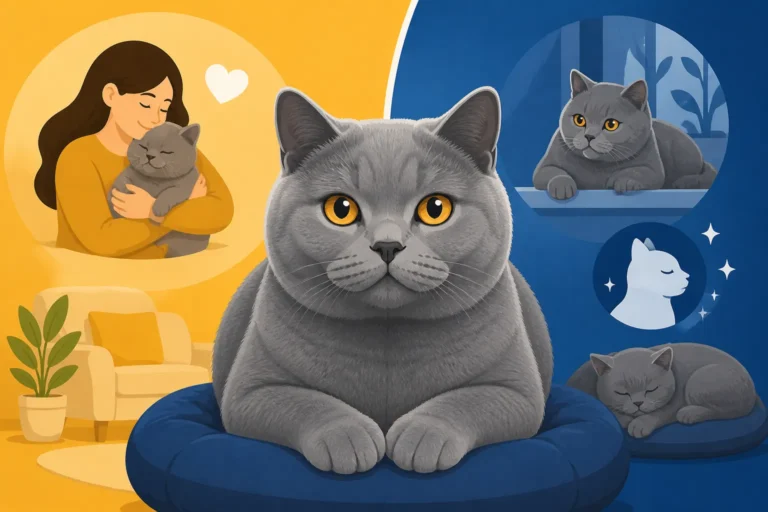
This physical contact is their polite way of reminding you of their existence and, more importantly, their hunger. They might rub against your hand if it's resting on your lap or even give a soft head-butt to your arm as you’re typing. It’s like a quiet, insistent whisper: "Excuse me, human, don't forget about me and my empty belly." These moments are often accompanied by a soft purr, indicating not just their need, but also their general contentment in your presence, making it harder to resist. It’s a nuanced approach that shows both respect and an undeniable purpose.
Leading the Way to the Food Bowl
When the subtle nudges and silent pleas haven't quite done the trick, some British Shorthairs will take on the role of tour guide. This is often an evolution of the previous behaviors, where they’ll initiate a walk towards the kitchen or their designated feeding area, looking back at you every few steps to ensure you're following. They'll pause, sit patiently for a moment, and then continue on, clearly indicating the path.
This behavior is less about direct demand and more about gentle persuasion and guidance. They're trying to make it easy for you, spelling out exactly what they want and where it should happen. You might find your British Shorthair walking a few feet ahead of you, pausing by the pantry, or sitting pointedly next to their food bowl, perhaps even giving it a sniff or a light paw to draw your attention to its emptiness. It's a delightful and often humorous display of their intelligence and ability to communicate their desires without resorting to frantic vocalizations.
When Subtlety Fails: Escalating Demands
While British Shorthairs are generally known for their calm demeanor, even the most composed cat has its limits when hunger strikes. When their subtle cues aren't understood or acted upon, they will, inevitably, escalate their demands. This doesn't usually involve dramatic theatrics, but rather a more direct and persistent approach, making it increasingly clear what they're after.
The Persistent Meow or Chirp
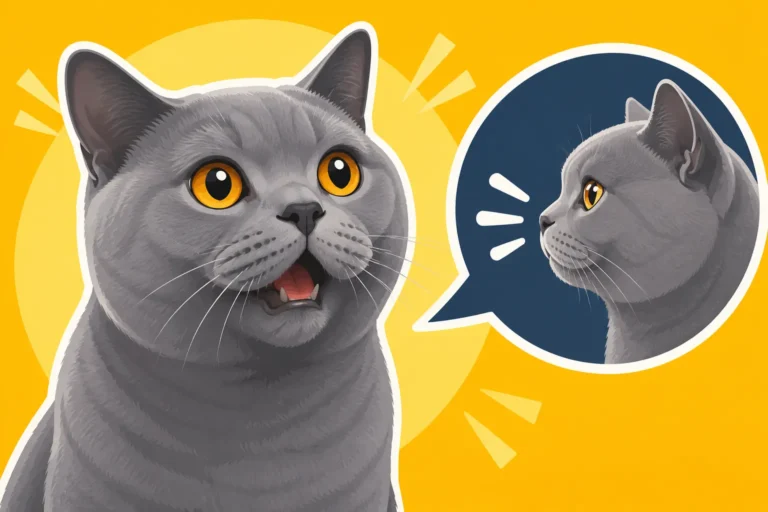
Contrary to popular belief, British Shorthairs are not entirely mute. They simply choose their vocalizations carefully. When truly hungry, or when their initial subtle attempts have been overlooked, they will often resort to a soft, insistent meow or a charming chirp. This isn't usually a loud, piercing caterwaul like some other breeds might produce. Instead, it’s often a low, almost questioning sound, repeated with increasing frequency. It’s meant to get your attention without being overly aggressive.
Sometimes, you'll hear a distinct trill or a series of short, polite chirps, especially if they're trying to guide you to their bowl. This sound is often reserved for happy greetings or when they're particularly pleased, so when used in conjunction with food-seeking, it carries an undeniable implication: "I'm happy to see you, and I would be even happier if you fed me." If you’re curious about their general vocal habits, you might find more insights in How Vocal a British Shorthair Is. They are masters of using just enough sound to convey their message without being overwhelming, a testament to their refined nature.
Pawing at the Cabinet or Pantry Door
British Shorthairs are intelligent creatures, and they quickly learn the routines and locations associated with their meals. They know where the treats are stored, which cabinet holds the kibble, and where the wet food lives in the fridge. When hunger becomes a more pressing issue, and their vocalizations aren't working, they might take matters into their own paws. This often involves gentle but persistent pawing, scratching, or even a soft head-butt against the cabinet, pantry, or refrigerator door that contains their food.
This behavior is a very direct, albeit still relatively quiet, request. They're telling you, "I know the food is in here, and I'd like you to open it now." It might start as a single, tentative pawing, but if ignored, it can become more frequent and determined. They're not trying to break into the cabinet (usually!), but rather to create just enough noise and motion to cut through your human distractions. It’s a clear indication that they’ve moved past subtle hints and are now issuing a polite, yet firm, command for you to access their provisions.
Sitting Directly in Your Path
This is arguably one of the most effective, and sometimes frustrating, escalation tactics used by British Shorthairs. You’re walking through a doorway, trying to reach a different room, or simply moving about your daily tasks, and suddenly, you encounter a fluffy, immovable obstacle. Your British Shorthair has positioned themselves directly in your path, often sitting or even lying down, forcing you to acknowledge their presence and, by extension, their hunger.
This is a classic blockade strategy. They've realized that the most direct way to get your attention is to physically impede your progress. It's hard to ignore a solid, plush cat taking up prime real estate on the floor in front of you. They might do this in a hallway, at the foot of the stairs, or even hop onto your desk and lie across your keyboard. It’s their way of saying, "You are not going anywhere until my needs are addressed, human." This tactic is often accompanied by the silent stare or a soft, expectant meow, leaving you with little doubt about their immediate priority.
Decoding the "Is My British Shorthair Hungry?" Mystery
Understanding your British Shorthair's cues is only half the battle. The other half is correctly interpreting those cues in context. Sometimes, what looks like a plea for food might actually be a request for attention or playtime. It’s essential to look at the whole picture to avoid overfeeding your cat or missing other important needs.
The Routine Reinforcement
British Shorthairs are creatures of habit, and they thrive on routine. This predictability extends directly to their meal times. If you’ve established a consistent feeding schedule, your cat will learn it quickly and begin to anticipate their meals. Therefore, one of the biggest clues to whether their asking is truly for food is the time of day. If it's close to their usual breakfast, dinner, or snack time, their persistent stare or leg rubs are almost certainly food-related.
They have an internal clock that is incredibly accurate. You might find them waiting by their bowl five or ten minutes before the appointed time, looking expectantly at you. This strong adherence to routine also means that a deviation from it can trigger more vocal or insistent demands. Keeping a consistent schedule is not only good for their digestion but also helps you decipher their communication. Knowing How Many Meals a Day a British Shorthair Needs and adhering to it can drastically reduce unsolicited food requests.
Differentiating Hunger from Other Needs
It's easy to assume any persistent interaction from your cat means they want food, especially if they're prone to being a little round. However, your British Shorthair has other needs too. Distinguishing a genuine food request from a desire for attention, play, or even a clean litter box is crucial. If they lead you to the food bowl, that’s a pretty clear indicator. But if they're rubbing against your legs and then weaving towards the living room, they might be inviting you to play. If they bring you a favorite toy, it's definitely playtime they're after.
Sometimes, a cat might act "hungry" when they're actually feeling unwell, as a way to solicit attention or comfort. Keeping an eye on their overall behavior and health, and knowing Signs a British Shorthair Is Unwell, can help you rule out underlying issues. Always consider the context: where do they lead you? What are they looking at? Do they seem generally uncomfortable or just focused on their food area? A truly hungry cat will typically be very directed in their approach to food.
The "Empty Bowl" Check
This might seem obvious, but often, the first thing to do when your British Shorthair is "asking" for food is to check their bowl. Sometimes it is genuinely empty. However, there are nuances. Some British Shorthairs, especially if they're a bit particular, don't like to eat the last few pieces of kibble, particularly if they're stuck in the corners of the bowl. They might consider the bowl "empty" even if there's a small amount of food left. This isn't unusual for cats, who instinctively prefer to hunt for fresh food rather than eat stale bits.
Another thing to consider is their water. While they might be asking for food, sometimes they’re just thirsty, and a fresh bowl of water can be just as appealing. Ensure their water bowl is always full and clean, and consider if they're drinking How Much Water a British Shorthair Should Drink. A well-hydrated cat is a healthy cat. If the bowl seems to have plenty of fresh food and water, then you can start to consider other possibilities for their attention-seeking.
| Behavior Type | Subtle Cues (Early Stage) | Overt Cues (Later Stage) |
|---|---|---|
| Visual | Silent, intense stare; following you with eyes | Pawing at food cabinet; sitting in your path |
| Physical | Gentle head nudge; leg rubs; weaving | Persistent sitting in path; light pawing at bowl |
| Vocal | Soft purr (while rubbing); occasional quiet trill | Persistent, soft meow; insistent chirps |
| Directional | Leading the way to the food area; sitting by bowl | Standing guard by food cabinet or refrigerator |
Managing Expectations and Feeding Habits
Once you've decoded your British Shorthair's unique language of hunger, the next step is to manage their expectations and your feeding habits. This is crucial for their long-term health, as British Shorthairs are notoriously prone to weight gain. Establishing clear boundaries and consistent routines will benefit both of you.
Establishing a Consistent Feeding Schedule
One of the most effective ways to manage your British Shorthair’s food requests is to establish and stick to a consistent feeding schedule. Cats thrive on routine, and knowing exactly when their meals are coming can significantly reduce anxiety and the constant "asking" behaviors. Instead of reacting to their every demand, you become the predictable provider. Divide their daily recommended food allowance into two or three meals at set times.
For example, a morning meal after you wake up and an evening meal before you settle down for the night. This helps regulate their metabolism and provides a sense of security. If your own schedule is a bit erratic, consider investing in an automatic feeder. Many modern feeders allow you to set specific times and portion sizes, ensuring your British Shorthair gets their food consistently, even if you’re running late. This can be especially helpful in managing their expectations and preventing them from learning that persistence leads to immediate rewards. Make sure you know How Much Food a British Shorthair Should Get Per Meal to avoid overfeeding.
Avoiding Accidental Reinforcement
It's tempting to give in to those adorable, pleading eyes or insistent meows, especially when your British Shorthair is so good at making you feel guilty. However, every time you give them food outside of their regular meal times or in response to their demands, you are accidentally reinforcing that behavior. They quickly learn that staring, nudging, or vocalizing works, and they’ll continue to do it. This can become a difficult cycle to break and, more importantly, can lead to serious health issues.
British Shorthairs are particularly susceptible to weight gain, and overfeeding is a direct route to Obesity Is the British Shorthair's Real Disease. It's far better for their health and your sanity to be firm with portion control and stick to the schedule. If they’re asking for food and it's not mealtime, try distracting them with a play session or some cuddles instead. It's tough, but remember that you're doing it for their long-term well-being. Portion Control Is the Whole Job With a British Shorthair – it really is.
Enrichment and Distraction
For a British Shorthair who seems to constantly think about food, providing environmental enrichment and healthy distractions can be a game-changer. Often, what appears to be hunger can sometimes be boredom. Instead of giving them more food, try engaging their minds and bodies. Puzzle feeders are excellent for this, as they make your cat "work" for their kibble, slowing down their eating and providing mental stimulation. Many varieties are available on platforms like Amazon, from simple treat balls to more complex mazes.
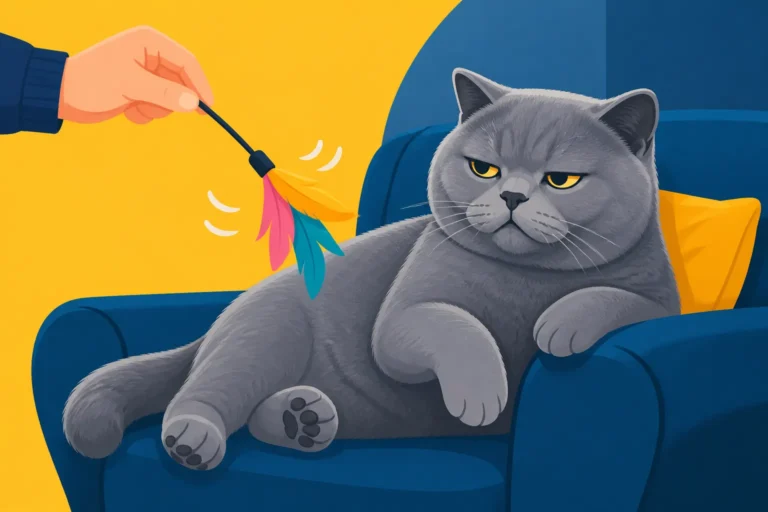
Beyond puzzle feeders, regular play sessions are vital. British Shorthairs aren't the most active cats, but even a short burst of activity can tire them out and divert their focus from food. Use wand toys, laser pointers (with a treat at the end!), or crinkle balls to encourage movement. Learning Getting a Low Energy British Shorthair to Move or discovering Which Toys a British Shorthair Will Actually Chase can provide valuable strategies. This not only keeps them physically healthier but also mentally engaged, making them less likely to resort to constant food demands purely out of idleness.
Disclaimer
This article is for general informational purposes only and does not constitute professional advice. Laws, prices and regulations vary by location and change over time. Consult a qualified professional for guidance on your specific situation.