How to Introduce a British Shorthair to a Resident Cat
Bringing a new feline friend into your home can be an exciting prospect, but if you already have a resident cat, the thought of them not getting along can be a source of real anxiety. We’ve all heard horror stories of cats who never quite accepted a newcomer, leading to stress, spraying, and even aggression. This guide aims to alleviate those worries by walking you through a gentle, step-by-step process to successfully introduce your British Shorthair to an existing cat, fostering a harmonious multi-cat household.
The British Shorthair's Nature and Why Introductions Can Be Tricky
Before diving into the specifics of how to introduce your cats, it’s really helpful to understand the personalities at play, especially if one of them is a British Shorthair. These wonderful cats have a reputation for being calm and adaptable, but that doesn't mean they'll instantly roll out the welcome mat for a new furry housemate. Every cat, regardless of breed, has its own unique quirks and territorial instincts that will influence how they react to a newcomer.
Understanding Your British Shorthair's Temperament
British Shorthairs are generally known for their placid, easygoing nature. They're often described as "quiet" and "unflappable," preferring to observe the world from a comfortable vantage point rather than getting involved in high-energy antics. This calm demeanor can be a huge asset when introducing them to another cat. They're not typically prone to extreme aggression or sudden outbursts, which can make the initial stages a bit less fraught with drama. However, their calmness can also translate to a certain reserve; they aren't always the most socially outgoing cats right off the bat. They might take their sweet time warming up to a new situation or a new face, valuing their personal space and quiet more than boisterous interactions.
Think of your British Shorthair as a creature of habit who values their personal space and routine. Sudden changes can be unsettling, even for such a chilled-out breed. They might react to a newcomer not with overt hostility, but with subtle signs of stress like hiding more, changes in appetite, or excessive grooming. They might also become withdrawn and avoid areas where the new cat is present, simply opting out of interaction rather than engaging in conflict. It’s crucial to respect their need for gradual adjustment and to never force interactions. Some British Shorthairs are A British Shorthair Is Genuinely Fine on Its Own and might even prefer it that way, so introducing a companion isn't always a guaranteed success unless done with immense care. However, if you're hoping for a bond, a slow approach is paramount, and understanding When a British Shorthair Needs a Companion can help manage expectations.
The Resident Cat's Perspective
It's equally important to consider your resident cat's personality. Is your current cat a social butterfly who loves all creatures great and small? Or are they more of a solitary guardian of their domain? An outgoing, confident resident cat might adapt more quickly to a newcomer, while a shy, anxious, or particularly territorial cat will require an even more extended and careful introduction period. Their age also plays a role. A young, playful resident cat might view a new kitten as a fun playmate, while an older cat, especially one over the age of ten, might find a bouncy new addition an unwelcome disruption to their peaceful senior years, especially if the new British Shorthair is still acting like a kitten, which can last longer than you'd expect. How Long a British Shorthair Acts Like a Kitten can give you an idea of their youthful energy phase.
The resident cat often feels like their world is being turned upside down. Their scent markers, their favorite napping spots, their food bowl – everything suddenly feels contested. This feeling of insecurity can manifest as fear, aggression, or even health issues due to stress. We often focus on the new cat's comfort, but the resident cat needs just as much, if not more, reassurance that their position in the household is secure and that they are still loved and valued. Ensuring they have ample resources and quiet retreats is key to making them feel safe and minimizing their stress throughout the process. A happy, secure resident cat is much more likely to accept a new British Shorthair into the fold. For more general advice on multi-cat dynamics, you might find Whether a British Shorthair Accepts a Second Cat helpful, and if you are considering two British Shorthairs, then Whether Two British Shorthairs Get Along could be insightful.
The Step-by-Step Introduction Process: Slow and Steady Wins the Race
When it comes to introducing cats, patience isn't just a virtue; it's a necessity. Rushing the process almost guarantees problems and can lead to long-term animosity between your pets. The goal isn't to make them best friends overnight, but to establish a respectful coexistence where both cats feel safe and comfortable in their shared environment. This process can take weeks, or even months, depending on the individual cats involved and how well they adapt to change.
The Scent Swap and Safe Space Strategy
The very first step, and arguably the most crucial, is establishing separate territories. The new British Shorthair should have its own "sanctuary room" – a quiet, secure space with its own food, water, litter box, and a comfy bed. This room should be off-limits to the resident cat initially. This is where the scent swapping comes in. Take a soft cloth, like a clean old sock or a small towel, and gently rub it on each cat's cheeks and head, collecting their unique scent. Then, swap the cloths, placing the new cat's scent in the resident cat's common areas and vice-versa. You can also swap bedding or even just let each cat explore the other's "territory" while the other is securely contained elsewhere. This is like leaving a scented note for them.
The idea here is to allow them to get used to each other's scent before they even see each other. Scent is incredibly important to cats; it's how they identify friends, foes, and their territory. Positive associations are crucial: when your resident cat sniffs the new cat's scent, offer them a tasty treat or some gentle petting. Do the same for your new British Shorthair when they encounter the resident cat's scent. This creates a positive reinforcement loop: new cat's scent = good things happening. This stage is vital and should not be rushed. Continue daily scent swaps for several days, or even a week, until both cats seem relaxed about the new smell and show curiosity rather than fear or aggression.
Visual Introductions Through a Barrier
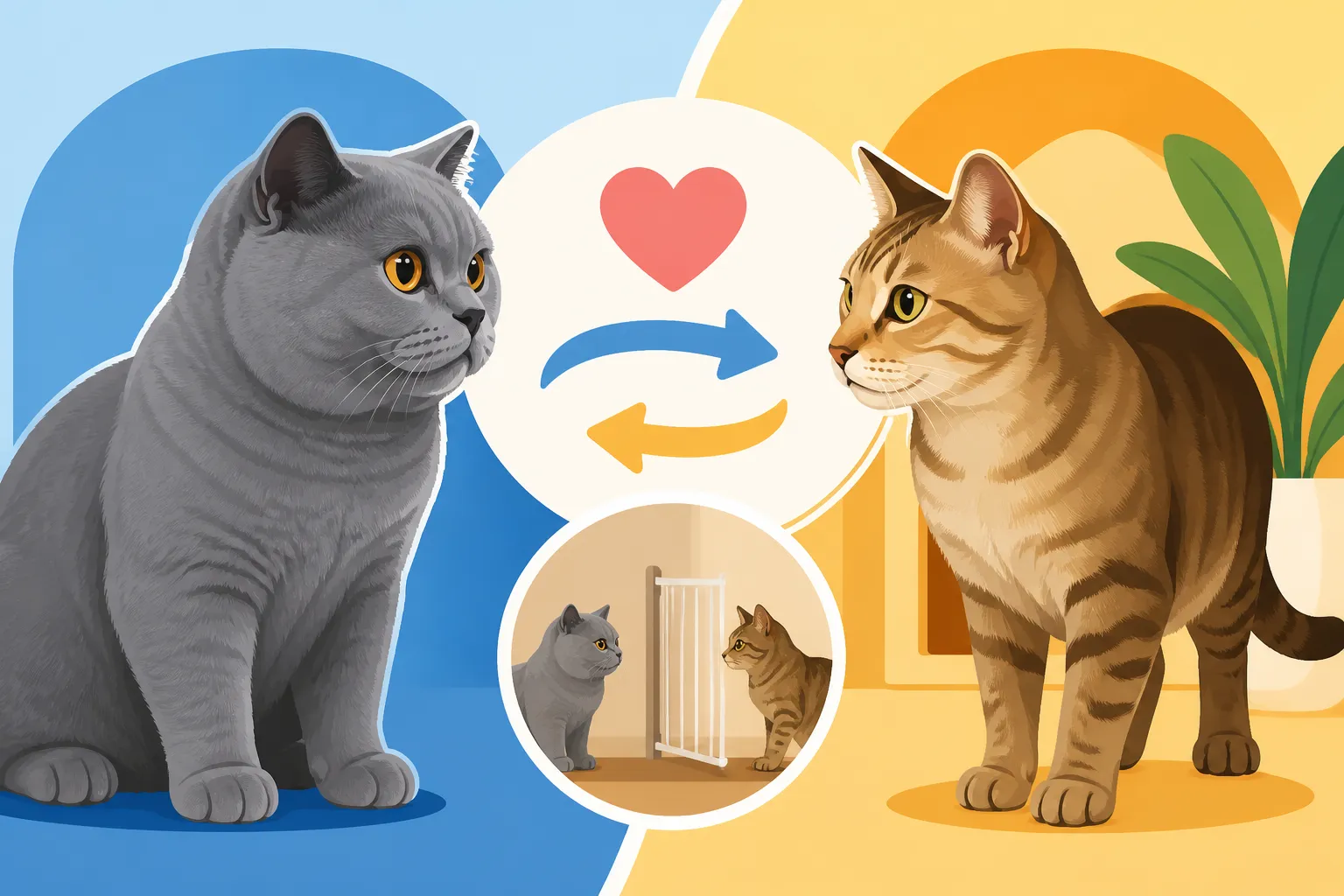
Once both cats are comfortable with each other's scent and no longer react negatively to it, you can move to supervised visual introductions. A baby gate or a screen door placed in the doorway of the sanctuary room works wonderfully for this. This allows the cats to see each other, but safely, with a barrier between them. Start with short sessions, just a few minutes at a time, especially during feeding. Place their food bowls on opposite sides of the barrier, far enough apart that they can eat comfortably without feeling threatened. The sight of the other cat while eating helps build positive associations. Gradually, over days, you can move the bowls closer to the barrier, slowly reducing the distance as they become more relaxed and continue to eat without hesitation.
During these visual meetings, always be present to supervise. Look for positive body language: relaxed ears, slow blinking, eating calmly. Ignore any minor hissing or growling unless it escalates to true aggression. End the session on a positive note before either cat becomes too stressed or overstimulated. You can also offer treats or engage them in separate play sessions with a wand toy while the barrier is in place. If one cat is particularly bold and focused on the barrier, consider using a puzzle feeder, readily available on Amazon, on their side to keep them distracted and positively engaged during these initial encounters. Remember, your British Shorthair might need a bit more time to process new visual stimuli, given their calm, observant nature.
Supervised Meetings and Positive Reinforcement
When the cats are consistently eating comfortably near the barrier, and showing minimal signs of stress during visual encounters, it's time for the big step: supervised, barrier-free interactions. Again, start small. Open the barrier for a few minutes, always with you present. Keep these initial sessions very short, perhaps five to ten minutes, and use them as opportunities for positive reinforcement. Play is a fantastic tool for this. Use two wand toys, one for each cat, and engage them in parallel play. This distracts them from each other and associates the other cat's presence with fun, enjoyable activities. This is also a good time to remember the specific play needs of a British Shorthair; How Much Play a British Shorthair Needs can offer guidance.
Never force interaction. Let them approach each other at their own pace. Have high-value treats ready to reward calm behavior, even if they are just ignoring each other peacefully. If you see signs of stress or aggression (like flattened ears, dilated pupils, incessant hissing, growling, stalking, or puffed-up fur), calmly separate them back into their safe spaces before a full-blown fight can erupt. Do not punish either cat for showing stress; this will only make them associate the other cat with negative experiences. End every session positively, even if it's just a few calm minutes before you separate them again. Over time, you can gradually increase the duration and frequency of these supervised sessions, moving towards longer periods of coexistence.
Common Challenges and Troubleshooting During Introduction
Even with the most careful planning, introductions rarely go perfectly smoothly. There will be bumps in the road, moments of doubt, and maybe even a few tense standoffs. It’s important to understand that this is normal and not a sign of failure. Cats are individuals, and their reactions can be unpredictable. The key is to be observant, patient, consistent, and willing to adapt your approach.
Dealing with Hissing and Growling
Hissing and growling are common expressions of fear or discomfort in cats. They're usually a cat's way of saying, "Back off, I'm not happy!" or "Give me space!" In the early stages of introduction, a bit of hissing and growling, especially from the resident cat, is to be expected. It's often a warning, not an attack, a way to establish boundaries without physical contact. Your British Shorthair, with its generally calm demeanor, might even be the one doing the hissing if it feels cornered or overwhelmed, even if it's typically quiet. How Vocal a British Shorthair Is covers their communication styles more broadly, which can sometimes be subtle.
When you hear these sounds, assess the situation. Is it just a quick "protest hiss" as they glance at each other, or is it prolonged and accompanied by other aggressive body language (like dilated pupils, flattened ears, an arched back, or rigid posture)? If it's the former, and no physical altercation seems imminent, sometimes it's best to ignore it and continue with the positive reinforcement (treats, gentle play). If it escalates, or if one cat is relentlessly cornering the other, it's time to calmly intervene. Do not yell at or punish either cat; this will only create negative associations with the other cat's presence and potentially with you. Instead, distract them with a loud clap, toss a toy (not at them, but near them), or gently herd them back to their separate spaces. If the hissing and growling are constant and intense, it means you've probably moved too fast. Revert to an earlier stage of introduction (e.g., back to scent swapping or barrier-only visuals) and slow things down considerably, taking several steps back to rebuild positive associations.
When Play Becomes Bullying
Sometimes, what starts as seemingly innocent play can tip into bullying, especially if you have a more boisterous or confident cat being introduced to a more reserved British Shorthair. A British Shorthair's low-energy nature and love for peace means they might not appreciate being constantly ambushed, chased, or pounced upon, even if the other cat means well and sees it as fun. It's important to look for signs that one cat is consistently initiating play in an unwanted way, or if one cat seems genuinely distressed and not just momentarily annoyed. This might include the victim cat constantly hiding, avoiding certain rooms, showing signs of stress like over-grooming, house soiling, or a lack of appetite, even when the other cat isn't directly present.
True bullying often involves one cat consistently blocking access to essential resources like food, litter boxes, or preferred resting spots. To mitigate this, ensuring you have multiple resources scattered throughout the house is critical – at least one more litter box than the number of cats, multiple feeding stations, and several elevated resting spots. You can find excellent multi-level cat trees on Amazon that offer both vertical space and hiding spots. If bullying persists, you might need to increase supervised separation time and work more intensely on parallel play, ensuring both cats get equal attention and positive interaction from you, without the pressure of direct interaction with the other cat. It might also require a temporary re-evaluation of their playtime dynamics.
Signs of True Aggression vs. Normal Adjustment
It’s vital to distinguish between normal adjustment stress (hissing, growling, swatting with claws sheathed – essentially "I don't like this, back off") and genuine, harmful aggression. True aggression is characterized by sustained attacks, biting that breaks the skin, excessive fur flying, loud yowling and screaming during a fight, or persistent stalking and ambushing with clear intent to harm. If you witness this, immediately separate the cats using a barrier (like a piece of cardboard, a thick blanket, or even a cushion) to avoid getting injured yourself. Never use your hands to break up a cat fight, as redirected aggression can lead to serious bites.
If true aggression is occurring, you must halt all direct interactions and consult with a certified feline behaviorist or your veterinarian. They can help identify the root cause of the aggression and develop a tailored plan. Sometimes, underlying medical conditions can contribute to behavioral changes, so a vet check-up for both cats is always a good idea if aggression suddenly appears. Understanding What Most British Shorthairs Die Of can give insight into health issues that might impact behavior. In severe cases, some cats simply cannot coexist safely, and rehoming one might be the most humane option, though this is rare with a slow and patient introduction process.
Setting Up Your Home for Multi-Cat Harmony
Beyond the introduction process itself, creating an environment that supports multiple cats is fundamental to their long-term happiness and peaceful coexistence. It’s about providing enough resources and enriching opportunities for both your British Shorthair and your resident cat, ensuring neither feels deprived or constantly in competition. A well-designed home can make all the difference in achieving a tranquil multi-cat household.
Essential Resources for Each Cat
In a multi-cat household, the rule of thumb is often "n+1" for essential resources, where 'n' is the number of cats. This means you should ideally have one more of each critical item than you have cats. This minimizes competition, reduces stress, and allows each cat to have their own space and belongings.
- Litter Boxes: This is perhaps the most crucial item. For two cats, aim for three litter boxes placed in different, easily accessible, but private locations. British Shorthairs are typically larger cats, so Which Litter Box Size a British Shorthair Needs is an important consideration; ensure the boxes are large enough for them to comfortably turn around in and easily enter and exit. If a cat feels trapped or unsafe in a litter box, they might seek alternative, less desirable spots.
- Food and Water Bowls: Provide multiple food and water stations. If one cat is food aggressive or simply eats faster, consider separate feeding areas or even microchip-activated feeders (you can find these and other clever solutions on Amazon) to ensure each cat gets their designated portion without competition. Adequate hydration is also vital, so multiple water bowls, or even a cat water fountain, can encourage drinking.
- Sleeping Spots: Offer a variety of comfortable, elevated, and hidden sleeping spots. Cats love options and choice! Think cat beds, soft blankets on shelves, cat caves, and even dedicated cat hammocks. Your British Shorthair might prefer a floor bed over a high perch, given their solid build and love for lounging, but having choices available caters to both cats' preferences.
- Scratching Posts: Have multiple scratching posts and pads of different materials (cardboard, sisal, carpet) and orientations (vertical, horizontal). This allows both cats to mark their territory appropriately through scratching and provides a healthy outlet for natural scratching behavior, preventing damage to your furniture and offering individual stress relief.
By having an abundance of resources, you reduce the perceived need to compete, making both cats feel more secure, less stressed, and ultimately, more tolerant of each other's presence.
Enrichment to Prevent Conflict
A bored cat is often a mischievous, stressed, or even destructive cat. Enrichment is incredibly important for stimulating their minds and bodies, and it can go a long way in preventing conflicts stemming from boredom or redirected energy that might otherwise be taken out on their housemate.
- Vertical Space: Cats feel safer and more confident when they have high perches to observe their surroundings from above. Install cat shelves, invest in tall, sturdy cat trees (Amazon has a wide selection that can accommodate a stout How Much a British Shorthair Weighs), and ensure window perches are accessible. This creates "vertical territory" that can greatly reduce tension between cats who might otherwise feel confined to the same horizontal space, allowing them to retreat and observe without direct confrontation. Specifics on Which Cat Tree a British Shorthair Uses can guide your choice.
- Interactive Toys: Regular play sessions with wand toys, laser pointers (used responsibly and followed by a tangible reward), and other interactive toys are essential. Dedicate time each day to play with each cat individually, ensuring they both get your undivided attention and an outlet for their predatory instincts. Puzzle feeders are also excellent for mental stimulation and slow down eating, which can be helpful for the food-motivated British Shorthair, keeping them engaged and preventing them from getting bored or overeating.
- Scheduled Play and Feeding: Establishing a consistent routine for feeding, play, and attention can bring a sense of predictability and security to your cats' lives. This predictability helps reduce anxiety and ensures both cats receive dedicated time and resources, minimizing jealousy or competition for your attention. Cats thrive on routine, and knowing when to expect good things can calm their anxieties.
- Pheromone Diffusers: Products like Feliway diffusers release synthetic feline facial pheromones that can help create a calming atmosphere and reduce stress in multi-cat households. While not a magic bullet, these can be particularly helpful during the introduction phase and in areas where cats might frequently interact, providing a subtle background layer of reassurance.
By focusing on providing a rich, stimulating, and resource-abundant environment, you're not just introducing two cats; you're building a foundation for a happy, harmonious multi-cat home. Remember, every cat is an individual, and success often hinges on your ability to observe their cues and adjust your approach accordingly, always prioritizing their comfort and safety. You might also be interested in How a British Shorthair Gets On With a Dog for broader context on pet introductions.
| Stage | Goal | Key Activities | Duration | Signs of Success |
|---|---|---|---|---|
| Separation | New cat acclimates; both get used to new scent | Sanctuary room for new cat; scent swapping; separate resources | 3-7 days (or more) | Eating, using litter, and relaxing in separate spaces; curiosity about other's scent |
| Barrier Intro | Visual familiarity without direct contact | Cats see each other through baby gate/screen; feeding near barrier | 5-10 days (or more) | Eating calmly near barrier; relaxed body language; no sustained hissing/growling |
| Supervised Visits | Short, positive direct interactions | Barrier removed for short periods; parallel play; high-value treats | Weeks to months | Calm curiosity; ignoring each other; gentle sniffing; shared space without tension |
| Full Integration | Free access, harmonious coexistence | Cats have full access to home; continued shared resources and enrichment | Ongoing | Sharing spaces; occasional grooming; sleeping near each other; appropriate play |
Disclaimer
This article is for general informational purposes only and does not constitute professional advice. Laws, prices and regulations vary by location and change over time. Consult a qualified professional for guidance on your specific situation.