How Long a British Shorthair Acts Like a Kitten
It's easy to fall head over heels for the playful antics of a British Shorthair kitten, their round eyes sparkling with mischief, their soft pounces a constant source of amusement. But if you're expecting those boisterous kitten years to last forever, you might find yourself a little surprised when your furry companion eventually settles into their truly majestic, yet undeniably calm, adult persona. This guide will walk you through the developmental stages of a British Shorthair, helping you understand how long you can truly expect that kitten-like behavior to last and how their delightful personalities evolve.
The Myth of the Perpetual Kitten and British Shorthair Reality
Many new cat owners, especially those new to the British Shorthair breed, often harbor a charming but ultimately unrealistic expectation: that their cat will remain a tiny, energetic whirlwind of play and mischief forever. The internet is full of adorable kitten videos, and it’s easy to project that boundless energy onto the future. However, this expectation often clashes with the reality of feline development, particularly for a breed as uniquely paced as the British Shorthair.
The truth is, while all kittens eventually grow up, the British Shorthair has a development curve that can catch even experienced cat enthusiasts off guard. They are not like some of the more perpetually high-energy breeds that might maintain a frantic pace of play well into their adult years. Understanding this early can help you appreciate each stage of your cat's life without feeling like you've somehow "lost" the kitten you brought home. It's not that they stop being charming; they simply mature into a different, equally wonderful kind of companion.
Why We Expect Kittens to Stay Kittens
Part of our expectation comes from the sheer joy and novelty of a kitten. Their clumsy explorations, their sudden bursts of zoomies, their innocent curiosity—these are all incredibly endearing traits that make us laugh and fall in love. We connect these behaviors with youth and vitality, and perhaps subconsciously, we wish that youthful phase could last indefinitely. For many cat owners, their previous experiences might have been with domestic shorthairs or other breeds that retain a somewhat "kittish" playfulness for a longer stretch, or perhaps even into old age. This can set a precedent that doesn't quite align with the British Shorthair's natural progression.
Furthermore, marketing and media often perpetuate the image of the playful, forever-young cat. Toys are designed for active play, and many articles focus on how to keep your cat entertained, implying a constant need for high-octane engagement. While enrichment is vital at every age, the type of play and the intensity of engagement a British Shorthair desires will change profoundly as they mature. It's a common frustration to buy a new, exciting toy, only for your older British Shorthair to give it a cursory sniff before returning to their nap. This isn't disinterest; it's simply a sign of their evolving preferences.
The British Shorthair's Unique Development Pace
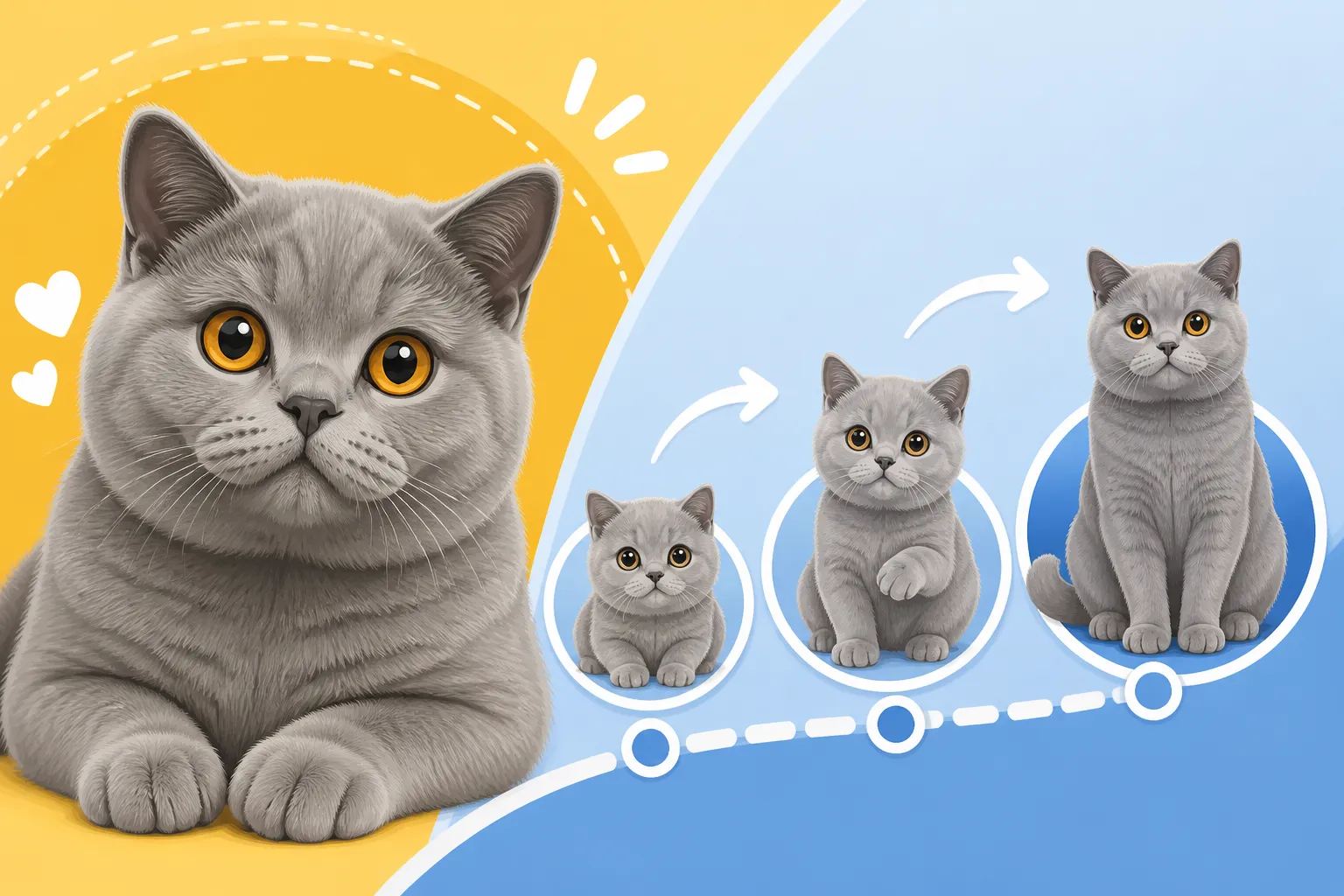
The British Shorthair is known for its slow, deliberate maturation, both physically and behaviorally. Unlike some breeds that reach their adult size and demeanor by one year of age, a British Shorthair continues to develop and "fill out" for several years, often not reaching their full majestic bulk and calm temperament until they are three to five years old. This prolonged development means that while they might retain some kitten-like features for longer, their behavioral kittenhood tends to be relatively short-lived compared to their physical growth.
What you'll typically see is an initial burst of energetic kitten play during their first six to twelve months. They'll chase, pounce, climb, and explore with vigor. However, this high-octane period often begins to wane quite noticeably as they approach their first birthday. By the time they are around eighteen months to two years old, many British Shorthairs have settled into a much calmer routine. Their physical growth, however, is still ongoing. Those impressive jowls in males, for instance, don't fully develop until later. This creates an interesting dichotomy: a physically growing cat whose activity levels are steadily decreasing. Understanding this unique rhythm is key to appreciating your British Shorthair at every stage. You can read more about When a British Shorthair Finally Grows Up to get a better sense of their full development.
Milestones in British Shorthair Development
Watching a British Shorthair grow is a fascinating journey, marked by distinct physical and behavioral shifts. It’s not a sudden transformation, but rather a gradual evolution from a tiny, energetic fluffball to a dignified, serene companion. Each stage brings its own joys and challenges, and recognizing these milestones can help you adjust your expectations and care routines accordingly.
It's important to remember that these are general guidelines. Just like people, every cat is an individual. Some British Shorthairs might cling to their playful antics a little longer, while others might become a "couch potato" surprisingly early. However, the overall trend for the breed is towards a calmer, more stoic disposition as they mature. This calm nature is one of the hallmarks of the breed, a quality many owners seek out, so it’s something to embrace rather than resist.
The First Year: Rapid Changes and Core Personality Formation
The first twelve months of a British Shorthair's life are a whirlwind of growth and learning. From tiny, wobbly newborns to confident young adults, they undergo immense changes. In the very early months, from eight to sixteen weeks, they are textbook kittens: curious, adventurous, and full of explosive energy. They'll chase everything that moves, scale curtains (if given the opportunity!), and engage in boisterous wrestling matches with littermates or their human companions. This is when they learn critical social skills and develop their foundational personality. You might find yourself constantly providing new toys, often sourced from places like Amazon, to keep their inquisitive minds engaged.
As they move towards six to twelve months, their energy levels, while still significant, often start to become a bit more predictable. They might have fewer spontaneous bursts of wild play and more structured play sessions. You'll notice they spend more time observing, lounging, and perfecting their pouncing techniques rather than simply running aimlessly. This period is crucial for setting routines and boundaries. They're still very much "kittens" in their general demeanor, but the frantic, almost hyperactive phase of early kittenhood often begins to calm down. For insights into their youthful energy, check out Whether a British Shorthair Kitten Is Hyper.
The Second and Third Years: Physical and Behavioral Maturation
This is where the British Shorthair truly starts to come into its own, diverging significantly from the "perpetual kitten" image. Between one and three years of age, their physical development becomes very apparent. They're no longer gangly teenagers; they're thickening out, their coats are becoming incredibly dense, and their signature round heads and jowls are forming. This physical maturation is often accompanied by a profound shift in behavior. The wild kitten energy of their first year largely gives way to a more sedate, dignified calmness.
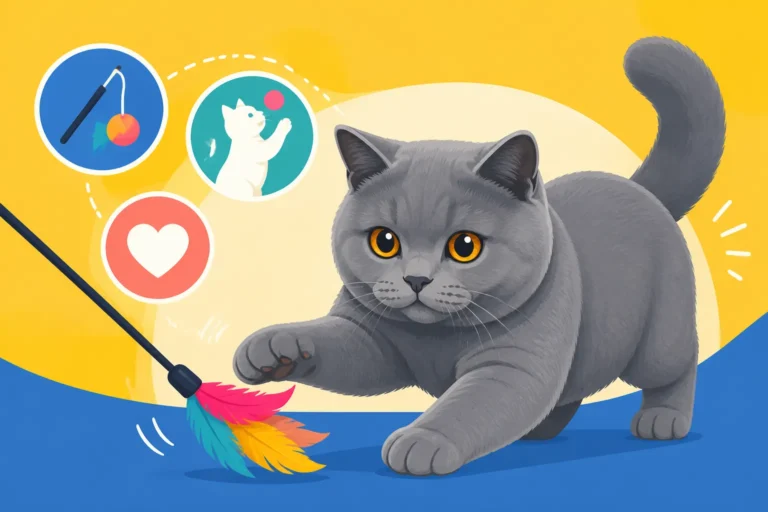
Play sessions become shorter, often requiring more initiation from you. They might prefer to bat at a wand toy from a comfortable lounging position rather than leaping dramatically across the room. Their curiosity remains, but it's less about active exploration and more about quiet observation. Socially, they often become more discerning, perhaps still friendly but less overtly boisterous with strangers or new situations. Many owners notice a distinct shift around the two to three-year mark, where their cat truly embraces the classic British Shorthair temperament of a calm, contented companion. This is a crucial time for understanding What Changes in a British Shorthair at Three.
Beyond Three Years: The Sedate Adult British Shorthair
Once your British Shorthair crosses the three-year mark, and certainly by five years, they are firmly in their adult phase. At this point, any lingering "kitten-like" behaviors are typically very minimal. They have usually reached their full physical size and weight, and their personality is well-established. They become truly majestic, often referred to as "teddy bears" due to their plush coats and calm demeanor.
Their daily routine will likely revolve around napping in sunny spots, enjoying quiet companionship, and engaging in short bursts of play. They are masters of relaxation and are perfectly content to observe the world from a comfortable perch or the sofa. While they still enjoy interaction and affection, it's often on their terms—a gentle head-butt, a soft purr while sitting near you, rather than demanding attention with constant activity. This is the stage where the true charm of the British Shorthair shines: their unflappable nature, their quiet presence, and their deep, calm affection. To understand their daily rhythm, consider reading What a British Shorthair Does All Day.
Recognizing the Shift from Kitten to Adult
The transition from kitten to adult in a British Shorthair isn't like flipping a switch; it's a gradual evolution. However, there are some very clear indicators that your furry friend is leaving their kitten days behind and settling into their mature, dignified self. Recognizing these shifts can help you adjust your interactions, play routines, and even your home environment to better suit their evolving needs and personality.
It's common for owners to feel a touch of nostalgia for the kitten stage, and that's perfectly normal. However, embracing the adult British Shorthair means discovering a new depth of companionship—one that values quiet presence and comfortable routines over constant, energetic demands.
Changes in Play and Activity Levels
Perhaps the most noticeable shift you'll observe is in their play habits and overall activity levels. A young British Shorthair kitten can be a blur of motion, chasing toys, pouncing on anything that moves, and generally exploring their world with intense physical energy. They might spend hours batting at a dangling toy or engaging in vigorous mock hunts.
As they mature, especially around their first birthday and beyond, this intense, sustained play begins to wane. They might still enjoy chasing a laser pointer or a feather wand, but the sessions will likely be shorter, and they might prefer to play while mostly reclining. You'll notice fewer spontaneous bursts of "zoomies" and more time spent lounging and observing. They might still get excited for a new toy, particularly one from brands found on Amazon that offer engaging features, but their interaction will be less frantic. If you're wondering How Active a British Shorthair Is, you'll find that the answer changes significantly with age. This reduction in activity is a key sign of their transition into adulthood.
| Behavior Trait | Kitten (0-1 Year) | Young Adult (1-3 Years) | Mature Adult (3+ Years) |
|---|---|---|---|
| Energy Level | High, frequent bursts of energy | Moderate, sustained play less common | Low to Moderate, prefers lounging, short play sessions |
| Play Style | Boisterous, pouncing, chasing, climbing | More deliberate, interactive with specific toys | Observational, occasional batting, prefers wand toys |
| Curiosity | Intense, explores everything actively | Selective, curious but less physically explorative | Calmly observant, surveys surroundings from comfort |
| Social Interaction | Often seeks constant attention, vocal | Friendly but more independent, on their own terms | Affectionate but reserved, enjoys quiet presence |
| Physical Growth | Rapid growth, lanky, still filling out | Continuing to fill out, muscles developing, jowls form | Full size and weight, dense coat, classic round features |
| Vocalization | Frequent chirps, meows, playful sounds | Less frequent, specific requests or greetings | Quiet, soft purrs, occasional trills |
Altered Social Dynamics and Affection Displays
Another area where you'll see a distinct shift is in their social behavior and how they choose to display affection. Young kittens are often incredibly clingy and demanding of attention. They might follow you everywhere, constantly rub against your legs, and even try to climb into your lap or onto your shoulders at every opportunity. Their affection can be quite overt and insistent.
As a British Shorthair matures, their social dynamics tend to become more refined and on their own terms. While they remain very affectionate and deeply bonded to their human family, they often express it in a calmer, less demanding way. They might still follow you from room to room but prefer to settle in a nearby chair rather than directly on your lap. They'll greet you with a gentle head-butt or a quiet purr when you get home, rather than a frantic dash. This doesn't mean they love you less; it simply means their mode of expression has matured. They're still incredibly loving, just in a more dignified manner. For details on how they show their feelings, explore How a British Shorthair Shows Affection.
Grooming and Eating Habits as They Mature
Even their basic care routines, like grooming and eating, will reflect their journey from kitten to adult. Kittens are often enthusiastic eaters, seemingly bottomless pits of hunger as they fuel their rapid growth. They might eat quickly and be less particular about their food. Grooming, while natural, might be less meticulous, as they're often too busy playing to spend long periods preening.
As a British Shorthair matures, particularly around the 2-3 year mark, their metabolism slows down, and their growth rate plateaus. This is when overfeeding can quickly lead to weight gain, as their energy demands are significantly lower than when they were growing kittens. You'll need to be diligent about portion control and monitor their weight closely. Their grooming also becomes more deliberate; they'll spend more time meticulously cleaning their dense coats. However, due to their impressive size and sometimes a slightly less flexible physique, they might struggle to reach certain areas of their back, especially if they are a bit overweight. This is when regular assistance with combing becomes even more crucial. Learning about Whether a British Shorthair Will Diet Willingly can become very relevant as they transition.
Embracing Each Stage of Your British Shorthair's Life
It's natural to miss the boundless energy of a kitten, but the mature British Shorthair offers a depth of companionship and a serene presence that is equally, if not more, rewarding. The key to a happy life with your British Shorthair is to understand and embrace each phase, adapting your approach to their changing needs and personality. Don't try to force your adult cat to be a kitten again; instead, revel in the calm, confident, and deeply affectionate creature they've become.
This transition isn't just about them; it's about you too, as a pet parent. It's an opportunity to learn and grow alongside your feline friend, to deepen your bond in new and different ways. The quiet dignity of an adult British Shorthair is truly something special, and once you fully appreciate it, you'll find immense joy in their mature companionship.
Adapting Play and Enrichment for Adults
Once your British Shorthair has largely moved past its high-energy kitten phase, your approach to play and enrichment needs to evolve. Gone are the days of them entertaining themselves for hours with a random piece of string. Adult British Shorthairs, while still needing mental and physical stimulation, prefer a more subtle and interactive form of play. Short, focused play sessions of 5-10 minutes, several times a day, are often more effective than trying to sustain a long, vigorous game.
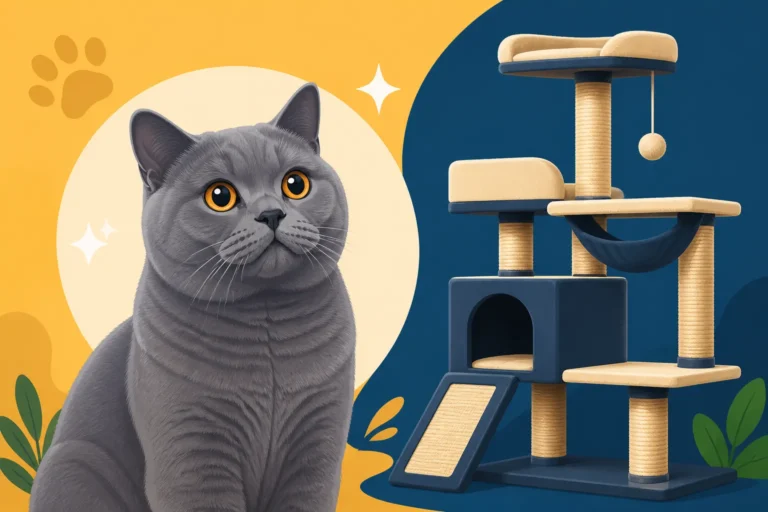
Focus on "prey" type games with wand toys, letting them stalk and "catch" the toy. Puzzle feeders, easily found on Amazon, are excellent for mental stimulation and can slow down their eating, which is beneficial for a breed prone to weight gain. Instead of encouraging frantic climbing, provide sturdy, accessible cat trees or window perches where they can observe their domain comfortably. Remember, the goal isn't to make them hyperactive, but to keep their minds sharp and their bodies moving just enough to maintain a healthy weight and prevent boredom. For more ideas on how to engage them, check out How Much Play a British Shorthair Needs.
Maintaining Connection with a Mature Cat
The way a British Shorthair shows affection changes with age, and so too should our expectations of how they interact with us. While a kitten might demand constant physical interaction, an adult British Shorthair often prefers a more understated connection. They might choose to nap in the same room as you, or even on the same sofa, simply enjoying your presence without needing to be on your lap. They might follow you from room to room, settling near you as you go about your day.
Respecting their space and preferences is crucial. Offer gentle head scratches, chin rubs, or slow blinks as invitations for interaction, rather than always reaching to pick them up (something many BSHs tolerate rather than enjoy, regardless of age). Create quiet, comfortable spaces where they can be near you without feeling overwhelmed. These acts of quiet companionship and mutual respect form the backbone of a deep, lasting bond with your adult British Shorthair. Don't be surprised if Whether an Older British Shorthair Gets Friendlier surprises you with their quiet devotion.
Navigating Behavioral Changes with Patience
As your British Shorthair transitions into adulthood, you might encounter new behavioral quirks or a complete cessation of old ones. For instance, the constant vocalizations of kittenhood might give way to quiet trills or soft meows only when they genuinely want something. Their playful "attacks" on your feet might disappear entirely. It's important to approach these changes with patience and understanding. They are not being "boring" or "unresponsive"; they are simply maturing into their natural temperament.
If you notice any concerning changes, such as a sudden lack of interest in food, hiding more than usual, or changes in litter box habits, always consult your veterinarian, as these can be signs of underlying health issues. However, for the most part, their shift to a calmer, more settled demeanor is a natural and healthy part of their development. By understanding their unique developmental timeline and adapting your care to meet their changing needs, you'll ensure a rich, fulfilling life together with your magnificent British Shorthair.
Disclaimer
This article is for general informational purposes only and does not constitute professional advice. Laws, prices and regulations vary by location and change over time. Consult a qualified professional for guidance on your specific situation.