Whether a British Shorthair Kicks Litter
Oh, the joy of owning a British Shorthair! That plush, dense coat, those round, inquisitive eyes, that wonderfully placid demeanor. They bring so much calm and cuddles to our lives. But let's be honest, for all their charm, many of us have experienced that moment of stepping barefoot onto a rogue piece of litter, or finding a miniature sand dune just outside the litter box. It's a common frustration, and if you're wondering whether your British Shorthair is particularly prone to kicking litter out of their box, you're not alone. This guide is here to shed some light on why these lovely felines might be making a mess and, more importantly, what you can do about it.
Understanding the British Shorthair's Instincts and the Litter Box
When you live with a British Shorthair, you're living with a cat that embodies centuries of feline instinct, wrapped in a wonderfully cobby, plush package. Their behaviors, even seemingly annoying ones like litter kicking, are often rooted in deep-seated natural urges and physical characteristics that simply make it harder for them to be tidy in a modern litter box.
The Natural Urge to Bury
Every cat, from the sleekest wild hunter to your domestic companion, possesses a fundamental instinct to bury their waste. This isn't just about hygiene for us; it's a survival mechanism. In the wild, burying faeces helps hide their scent from potential predators and, perhaps more importantly, from rival felines. It's a way to avoid signaling their presence or status. Even your pampered British Shorthair, who has never hunted a day in their life beyond chasing a laser pointer, still carries this ancient programming within them.
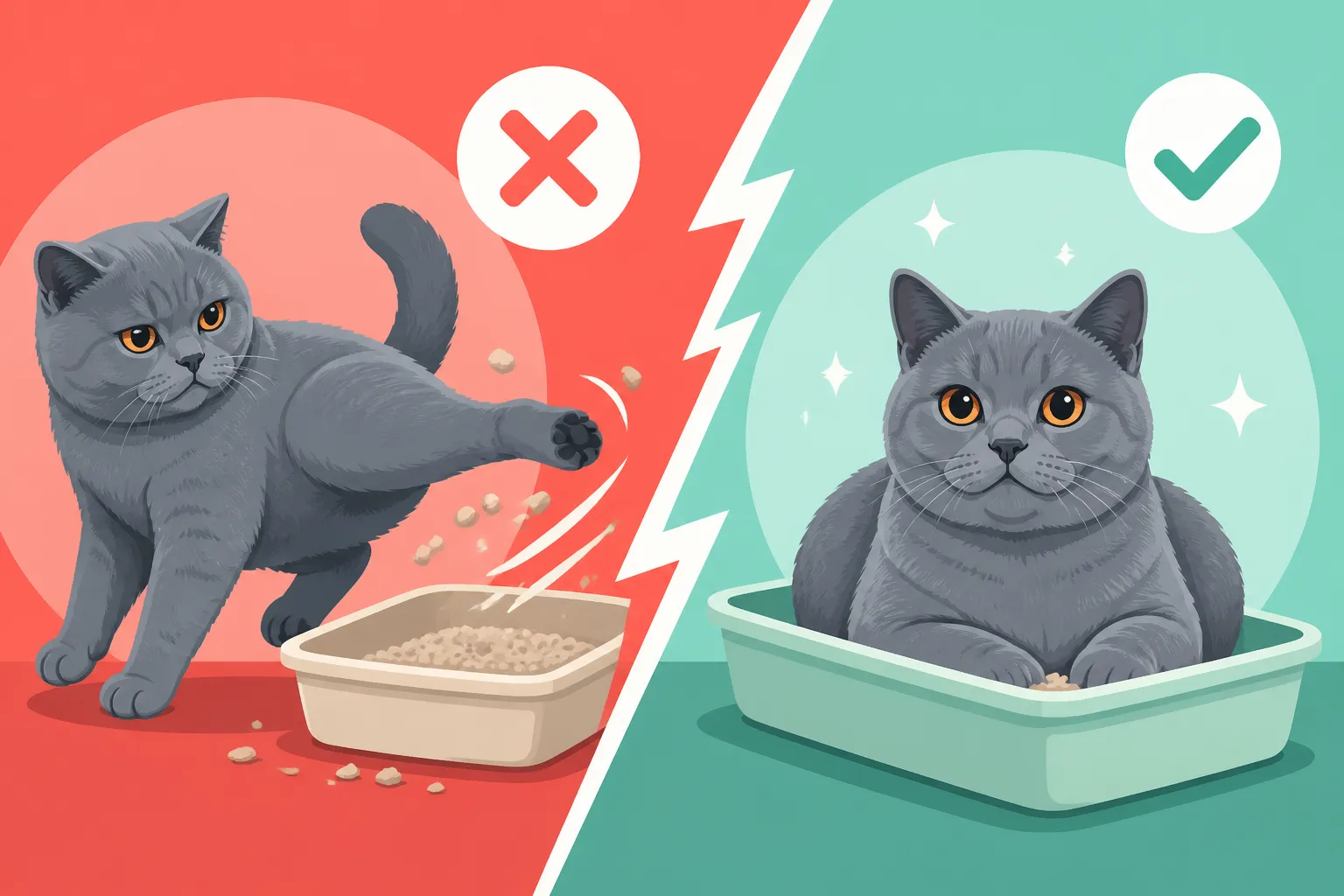
When they enter the litter box, their primary goal is to find a clean spot, do their business, and then cover it thoroughly. This involves a lot of vigorous digging and scraping, often long after the actual waste is covered. They might scratch at the sides of the box, the litter itself, or even the floor outside the box, trying to ensure every last trace is hidden. It’s this intense, instinctual digging that so often results in a flurry of litter being sent over the side, an unfortunate side effect of their thoroughness. They're just doing what cats do, but perhaps with a bit more enthusiasm than our floors appreciate!
Size and Dexterity of a British Shorthair
Let's face it, British Shorthairs are substantial cats. They're built for solidness, with broad chests, short, strong legs, and that famously round head. While this makes them incredibly endearing and gives them their teddy bear appeal, it also means they have a physical presence that can make navigating a standard litter box a bit of a tight squeeze. Imagine trying to dig a hole and cover it in a small bathtub – you’d probably splash water everywhere, right? It's much the same for a large British Shorthair in a conventional litter pan.
Their large, round paws, while charming, are not necessarily designed for delicate, contained excavation. When they dig, they often use their whole paw, pushing litter forward and backward with considerable force. This, combined with their cobby body, means there’s a higher chance of accidental scattering simply due to displacement. Their dense, plush coat, which is one of their most defining features, also doesn't help matters. Tiny granules of litter can easily get caught in the fur between their toes or on their legs and belly, only to be shed moments later as they walk away, leaving a trail for you to follow. What a British Shorthair's Coat Is Like goes into more detail about how thick and plush that fur really is.
The British Shorthair's Calm Demeanor and Digging Intensity
British Shorthairs are renowned for their calm, unflappable temperaments. They're not typically described as hyperactive or frantic. They enjoy lounging, observing, and being generally serene. However, don't let their mellow disposition fool you when it comes to the litter box. While they might approach it with a certain measured grace, their digging can be surprisingly focused and thorough.
It's not always a wild, panicked flurry, but rather a deliberate, powerful motion. They'll methodically scrape and cover, often taking their sweet time to ensure the job is done to their satisfaction. This methodical approach, when combined with their size and the sheer volume of litter they can move, still results in a significant amount being kicked out. It's less about frantic energy and more about efficient, albeit messy, execution of an instinctual task. They simply don't seem to grasp the concept of "keeping it in the box" when their ancestral programming screams "hide the evidence!"
Common Reasons Your British Shorthair Might Be Kicking Litter
So, we know the British Shorthair's natural instincts and physical build play a role in their litter-kicking habits. But sometimes, it's not just their inherent "cat-ness." There are several environmental and practical factors that can exacerbate the problem, turning a few scattered granules into a daily archaeological dig site in your home. Understanding these common triggers is the first step towards a cleaner floor.
The Wrong Litter Box
This is, without a doubt, one of the biggest culprits when it comes to British Shorthairs and litter-kicking. Many standard litter boxes simply aren't designed with a large, cobby cat in mind. Your British Shorthair needs space, and plenty of it, to comfortably enter, turn around, dig to their heart's content, and cover their waste without feeling cramped.
A box that's too small forces them to contort themselves, making it inevitable that their paws will go over the edge as they try to dig. Low sides are another major issue. While convenient for kittens or elderly cats with mobility issues, a vigorous British Shorthair digger will launch litter over low edges with ease. Think about it: they need to scoop and push. If the barrier isn't high enough, the litter has nowhere to go but out. Some owners try covered boxes, hoping to contain the mess, but many British Shorthairs find these too confining or dislike the trapped odors, which can lead to even more agitated digging or, worse, refusal to use the box altogether. For specific guidance on ideal dimensions, check out Which Litter Box Size Suits a British Shorthair. It truly makes a world of difference.
Type and Amount of Litter
It might seem trivial, but the kind of litter you use and how much of it you put in the box can significantly impact how much ends up on your floor. Fine-grained litters, while often good for clumping and odor control, can be notorious for clinging to a British Shorthair's plush paws and dense fur. Those tiny granules are like magnets for their coat, and they'll track it throughout the house even if they don't actively kick it out.
On the flip side, if there's too little litter in the box, your British Shorthair will hit the bottom of the pan almost immediately when they start digging. This can be frustrating for them, as they're trying to fulfill that deep-seated instinct to bury. They'll dig harder, scrape more aggressively, and effectively use the bottom of the pan as a launchpad for litter. Conversely, while you might think more litter is better, too much can also be problematic. If the box is overflowing, even gentle digging can easily push litter over the edges. Aiming for a consistent depth of about three to four inches is usually the sweet spot for a British Shorthair. When shopping for litter, you can explore many options on platforms like Chewy or Amazon to find what works best for your cat and your home.
Location and Cleanliness of the Litter Box
Cats are notoriously particular creatures, and their litter box habits are no exception. The location of the box and how clean it is are huge factors in whether your British Shorthair feels comfortable and relaxed enough to do their business discreetly. If the litter box is placed in a high-traffic area, like a hallway, or somewhere noisy, such as near a washing machine, your British Shorthair might feel vulnerable or stressed. This discomfort can lead to rushed trips to the box, incomplete burying, or even frantic, messy digging as they try to get in and out quickly.
Beyond location, cleanliness is paramount. Imagine if your toilet wasn't flushed for days – you wouldn't want to use it either, right? Cats are no different, and British Shorthairs, with their generally refined sensibilities, appreciate a pristine toilet area. A dirty box, filled with soiled litter, leaves them very little clean space to dig. This forces them to spend more time scraping around, trying to find a fresh spot, which inevitably leads to more litter being kicked over the edge in frustration. Daily scooping is non-negotiable, and a full litter change with a thorough wash of the box every week or two will keep your British Shorthair much happier and potentially reduce the amount of litter scattering. This simple act of regular maintenance can genuinely make a world of difference.
Practical Solutions to Minimize Litter Kicking
Now that we've pinpointed why your British Shorthair might be turning their litter box into a construction site, let's talk solutions. While you might not eliminate every stray granule, there's a lot you can do to significantly reduce the mess and make both you and your feline friend happier.
Upgrading Your Litter Box Setup
This is often where you'll see the most dramatic improvement. The first and most crucial step is to embrace the sheer size of your British Shorthair. Forget those dainty, standard litter pans. You need big. Look for extra-large litter boxes, often labeled "jumbo" or "pan for multiple cats." Many clever British Shorthair owners actually repurpose large storage totes or under-bed storage containers by cutting an entry hole in one side. These often have much higher sides than even the largest commercial litter boxes, providing a fantastic barrier against enthusiastic digging. Remember, your British Shorthair needs ample space to turn around, dig, and cover without their body or paws breaching the sides.
Consider the height of the sides. A box with sides at least 10-12 inches high can make a huge difference. If you have an older British Shorthair or one with joint issues, ensure that while the sides are high, there's still a slightly lower entry point to make it easy for them to get in and out without discomfort. Why a Heavy British Shorthair Needs a Low Sided Box delves into this more. Another option, if your cat tolerates it, is a top-entry litter box. These boxes have high walls all around, with a hole on the top for entry and exit. Many cats adapt well to them, and they are incredibly effective at containing flung litter. You can find a wide array of options, from simple high-sided pans to more elaborate top-entry designs, on online retailers like Amazon or Chewy.
Choosing the Right Litter and Maintaining It
The type and quantity of litter you use are also key players in the litter-kicking saga. Don't be afraid to experiment a little, as every cat has their preferences, and every litter has different properties.
| Litter Type | Pros for British Shorthairs | Cons for British Shorthairs |
|---|---|---|
| Clay (Clumping) | Excellent odor control, strong clumps for easy scooping, familiar texture. | Can be dusty, fine particles stick to fur and paws, heavy when wet. |
| Silica Gel (Crystal) | Good odor absorption, less tracking, lasts longer. | Texture can be disliked by some cats, less effective for digging, sharp edges can be uncomfortable. |
| Pine/Wood Pellets | Natural, good odor control, low dust, less tracking due to size. | Pellets can break down into sawdust, different texture may be rejected, requires sifting tray. |
| Corn/Wheat Based | Natural, biodegradable, good clumping, lighter. | Can be dusty, some brands have strong natural scent, potential for mold if not kept dry. |
For many British Shorthair owners, a heavier, low-dust clumping clay litter or even a pellet-style litter can help reduce scatter simply because the granules are larger and don't cling to fur as readily. The key is to maintain the right depth: 3-4 inches of litter gives them enough material to dig into and cover their waste effectively without hitting the bottom or overflowing the box. Regularly refreshing the litter, beyond just scooping, is also vital. A full litter change at least once a week or every two weeks, depending on how many cats you have and their usage, keeps the box fresh and appealing, reducing any frustration that might lead to aggressive digging. If you're looking to try different brands, Chewy and Amazon offer vast selections to choose from. For more details on what varieties are out there, check out Which Litter Suits a British Shorthair.
Managing the Mess Around the Box
Even with the perfect box and litter, some level of tracking and kicking is almost inevitable with a British Shorthair. This is where clever management of the surrounding area comes into play. Litter mats are your best friend here. Don't just get a small, flat mat; invest in a large, deep-grooved, or mesh-style litter mat that is specifically designed to trap granules as your cat exits the box. These mats work by gently sifting litter from their paws as they walk across them. Some are even designed with honeycomb patterns that allow litter to fall through to a lower layer, keeping the surface clean. Place one or even two large mats directly in front of and around the litter box.
Another trick is to use old towels or washable rugs around the area, especially if your British Shorthair tends to exit the box from a particular side. These can catch stray litter and can be easily shaken out or thrown into the wash. Finally, accept that regular cleaning of the litter area will likely become part of your daily routine. A small, handheld vacuum cleaner or a dustpan and brush kept near the litter box can make quick clean-ups much less of a chore. By intercepting the litter before it gets tracked all over your home, you'll feel a lot less frustrated.
Other Considerations and When to Consult a Vet
While most litter kicking is a natural, albeit messy, part of British Shorthair ownership, it's always wise to be observant. Sometimes, a sudden change in litter box habits, including an increase in kicking, can signal something more than just feline exuberance.
Behavioral Quirks vs. Medical Issues
Generally, if your British Shorthair has always been a vigorous digger and kicker, it's likely a normal behavioral quirk amplified by their size and instincts. However, if their litter kicking suddenly becomes much more intense, prolonged, or if they start eliminating outside the box, it's time to rule out medical issues. Cats are masters at hiding pain and discomfort, and changes in litter box behavior are often one of the first subtle signs something is amiss.
Conditions like arthritis or other joint pain can make it difficult or painful for your British Shorthair to comfortably step into a high-sided box or crouch while doing their business. This discomfort might lead to awkward positions, frantic digging to get out quickly, or even a reluctance to bury thoroughly. Similarly, urinary tract infections, bladder stones, or other urinary problems can cause pain during urination. Your cat might associate this pain with the litter box itself and try to dig frantically, or spend an excessive amount of time trying to find a "better" spot, believing the box is the source of their discomfort. Urinary Problems in a British Shorthair can give you more insight into these specific issues. If your British Shorthair is an older cat, Arthritis in an Older British Shorthair might be particularly relevant, as stiffness can definitely impact their agility in the box.
Monitoring Your British Shorthair's Habits
To discern if there's a medical component, become a detective of your cat's habits. Pay close attention to:
- When they kick: Is it always after urinating, defecating, or both? Is it only in one particular box if you have several?
- How they kick: Is it frantic and rushed, or still the same methodical, powerful digging, just more intense?
- Other changes: Are there any other subtle shifts in their behavior? Are they eating less or more? Drinking more? Are they more withdrawn or vocalizing differently? Is their coat looking less well-groomed? Why an Overweight British Shorthair Stops Grooming Its Back can be related here, as poor grooming might mean more litter clinging to their fur, which they then try to shake off.
- Pain signals: Are they hesitant to jump, or are they moving stiffly? Do they react when you gently touch their back or hips?
Keeping a mental note, or even a brief journal, of these observations can be incredibly helpful information to share with your veterinarian if you decide to seek professional advice. Don't hesitate to call your vet if you notice a sudden, significant change in litter box habits, as early detection can often lead to more effective treatment for underlying health issues.
The Reality of British Shorthair Ownership
Ultimately, owning a British Shorthair means embracing their unique characteristics, and sometimes, that includes a bit of litter-flinging. While the strategies above can significantly reduce the mess, it's probably unrealistic to expect a completely spotless area around the litter box, especially with a cat as robust and instinct-driven as a British Shorthair.
The goal isn't necessarily to eliminate every single granule but to minimize the impact on your home and ensure your British Shorthair is happy and comfortable using their toilet facilities. Prioritizing their comfort, providing them with appropriately sized and clean facilities, and making peace with a little extra sweeping is often the healthy compromise. After all, a bit of scattered litter is a small price to pay for the endless joy, calm presence, and undeniable charm that a British Shorthair brings to your life. They truly are wonderful companions, even if they occasionally treat the litter box like a sand pit!
Disclaimer
This article is for general informational purposes only and does not constitute professional advice. Laws, prices and regulations vary by location and change over time. Consult a qualified professional for guidance on your specific situation.