What Importing a British Shorthair Costs
The dream of owning a British Shorthair often starts with a search for that perfect, chunky, teddy-bear-faced companion. But sometimes, what you're looking for – perhaps a very specific bloodline, an unusual color, or a cat from a breeder renowned for their exceptional type – leads you beyond your national borders. Importing a British Shorthair can seem like an exciting path to acquiring your ideal feline friend, but it comes with a complex web of costs and logistical challenges that many prospective owners don't fully anticipate. This guide will walk you through the real financial and practical considerations involved in bringing a British Shorthair home from another country.
Why Consider Importing a British Shorthair?
It might seem counterintuitive to look halfway across the world for a cat when there are likely breeders closer to home. However, there are very legitimate, often compelling, reasons why someone might choose to import a British Shorthair. It's not usually about cutting costs, but rather about a dedicated pursuit of something unique or of a particular quality.
Seeking Specific Bloodlines or Genetics
One of the most common drivers for importing is the desire to acquire a cat from a specific bloodline. European British Shorthair breeders, especially those in the UK, Germany, and the Netherlands, have long histories and have often been instrumental in developing and refining certain characteristics of the breed. If you're a serious hobby breeder, or even just a discerning pet owner, you might be looking for genetics that are simply not available, or are very rare, in your home country. This could involve specific health clearances, champion lineage, or a particular temperament trait that a certain cattery is known for. You might be aiming to diversify the gene pool in your region, which is crucial for the long-term health and vitality of any breed. It's about bringing in fresh genes to prevent over-reliance on a limited local stock.
The Allure of European Breeding Standards
There's a widely held perception that some European countries adhere to very rigorous breeding standards, both in terms of type and health. This isn't to say that domestic breeders aren't excellent, but rather that certain regions have a long-standing tradition of breeding for specific characteristics or have strict regulations regarding health screening. For example, some European catteries might be renowned for consistently producing cats with exceptionally round heads, dense coats, or that classic "teddy bear" look that is so sought after in the British Shorthair. Owners might feel that the investment in importing guarantees a certain level of quality and adherence to the breed standard that they might perceive as less common domestically. This perception can be a powerful motivator, driving individuals to navigate the complexities of international acquisition in pursuit of what they consider the "ideal" British Shorthair.
Availability of Rare Colors or Patterns
While the classic blue British Shorthair is iconic, the breed comes in a stunning array of colors and patterns, many of which are less common or even rare in certain regions. Imagine falling in love with a cinnamon point, a golden shaded, or a stunning tortie British Shorthair, only to find that no breeders in your country offer them, or that the waitlist is years long. Importing can open up access to these rarer variations. Some breeders abroad specialize in these more unusual colorations, giving you a chance to acquire a cat that truly stands out. It's worth remembering that what might be "rare" in one country could be more established in another, making importing a viable option for those with a specific aesthetic in mind. This desire for uniqueness often justifies the extra effort and expense involved in bringing such a special cat home.
The Initial Purchase Price: Beyond the Sticker Shock
When you first look at the price tag for a British Shorthair kitten, especially from a reputable international breeder, it can be a little breathtaking. But understanding what goes into that figure, and the additional financial layers involved, helps paint a more realistic picture of the true cost of acquisition.
Breeder Reputation and Pedigree Influence
Just like buying a car or a piece of art, the reputation of the breeder and the pedigree of the cat significantly influence the price. A British Shorthair from a cattery with a long history of producing champions, consistent health clearances, and exceptional type will naturally command a higher price. These breeders invest heavily in their lines, including importing their own breeding stock, extensive health testing like the Yearly Echo That Replaces a British Shorthair Gene Test, attending shows, and providing top-notch care for their cats and kittens. When you see a high purchase price, you're not just paying for the kitten; you're paying for years of selective breeding, health guarantees, and the breeder's expertise. Furthermore, if the kitten comes from champion lines, or is expected to perform well in the show ring, the price will reflect that potential. Always ask about the health panel tests their cattery undertakes. What a British Shorthair Breeder Should Have Tested is a great resource to understand these essential screenings.
Currency Exchange Rates and International Payments
This is where things can get tricky and costs can fluctuate unexpectedly. When you're dealing with an international breeder, you'll be paying in their local currency. Exchange rates can change daily, meaning the price you were quoted last week might be slightly different today. This fluctuation can add or subtract a small amount from your total, which needs to be budgeted for. Beyond the exchange rate itself, there are also fees associated with international money transfers. Banks often charge a percentage or a flat fee for wire transfers, and there might be intermediary bank fees as well. Digital payment services might offer slightly better rates or lower fees, but it's essential to investigate all options and factor these charges into your budget. Sometimes, these small fees, when added together, can significantly increase the overall cost of the kitten.
Age and Show Quality Considerations
The age of the British Shorthair you're importing can affect the price, as can its classification (pet, breed, or show quality). Younger kittens, especially those designated as pet quality, might have a lower initial price point. However, if you're looking for a future show cat or a breeding animal, the price will escalate. Show quality British Shorthairs are typically assessed by the breeder based on how closely they conform to the breed standard, their potential for growth, and their conformation. These cats represent the pinnacle of a breeder's program and are priced accordingly. Older cats, especially retired show or breeding cats, might sometimes be available at a reduced price, but importing an adult comes with its own set of logistical and cost considerations, particularly around adaptability and potential pre-existing conditions that need careful screening. Remember to check for the Age HCM Usually Appears in a British Shorthair if considering an older cat.
Navigating International Travel Expenses and Logistics
Once you've secured your British Shorthair and the purchase price is settled, the next major hurdle is getting your new family member safely from their home country to yours. This involves a range of travel expenses and logistical arrangements that can be both complex and costly.
Air Cargo vs. In-Cabin Pet Transport
The method of transport is a significant cost factor. Generally, there are two primary options: air cargo or in-cabin pet transport.
- Air Cargo: This is usually the most common method for importing animals, especially larger breeds or when traveling long distances without the owner. Cats travel in a pressurized, temperature-controlled compartment below the main cabin. The cost of air cargo is substantial, often based on the size and weight of the travel crate and the cat, as well as the distance. This option requires careful planning, adherence to strict airline regulations regarding crate specifications, and often involves dedicated pet transport companies. While it might seem daunting, for British Shorthairs, with their solid build, this is often the only option as they can easily exceed the weight limits for in-cabin travel.
- In-Cabin Pet Transport: This is usually reserved for smaller pets that can fit comfortably in a carrier under the seat in front of you. While this might be less stressful for the pet, British Shorthairs often grow too large to qualify for in-cabin travel once they are old enough to be imported. If you can manage it, the cost is typically just an additional pet fee on your ticket. However, airlines have very specific weight and size limits, and attempting to squeeze a growing British Shorthair into an inadequate carrier would be both unsafe and rejected by the airline.
Crate Requirements and Airline Fees
Regardless of whether your British Shorthair travels in cargo or (less likely) in-cabin, specific travel crate requirements are non-negotiable. IATA (International Air Transport Association) guidelines dictate crate dimensions, ventilation, construction, and labeling to ensure the animal's safety and comfort. A sturdy, appropriately sized, airline-approved crate made of rigid plastic or wood is essential. These aren't your typical soft-sided carriers; they are built for travel and can be surprisingly expensive, especially for a large British Shorthair. Beyond the crate itself, airlines charge significant fees for pet transport. These fees vary wildly by airline, route, and time of year, and can include handling charges, customs clearance fees, and even specialized pet lounge access at some airports. Don't forget to account for any potential layovers, as some airlines might charge extra for extended stops or require you to pick up and re-check your pet during transfers. This can add complexity and cost, especially if a professional broker is needed to facilitate this.
Brokerage Services and Handling Charges
For many people, navigating the labyrinthine rules of international pet transport is simply too much. This is where pet transport brokers come in. These companies specialize in handling all the logistics of moving animals across borders, from booking flights and ensuring crate compliance to arranging veterinary checks and customs clearance. While they add a significant layer to the cost, their expertise can be invaluable in preventing costly delays or mistakes. They act as intermediaries, coordinating with airlines, vets, and customs officials on both ends of the journey. Their fees can range widely depending on the complexity of the trip and the level of service provided. Additionally, there might be handling charges at both the departure and arrival airports, especially if specialized staff are needed to manage live animal cargo. These charges often cover the care of the animal during transit, including feeding, watering, and monitoring.
Health, Certification, and Quarantine Requirements
Bringing an animal into a new country isn't just about travel; it's also about ensuring that animal is healthy and doesn't pose a biosecurity risk. This involves a comprehensive series of veterinary checks, certifications, and sometimes, mandatory quarantine periods.
Veterinary Examinations and Export Certificates
Before your British Shorthair can even think about boarding a plane, they will need a thorough veterinary examination by a licensed veterinarian in the country of origin. This exam confirms the cat is healthy enough to travel and free from obvious signs of infectious disease. Following this, an official export health certificate must be issued. This document, often completed and endorsed by a government veterinarian, certifies that the animal meets all the health requirements of the destination country. The specific tests and treatments required on this certificate can be extensive and vary significantly between countries. For instance, some nations might require specific blood tests for certain diseases, while others might focus more on parasite control. These vet visits and certificate endorsements come with their own fees, which can quickly add up, especially if multiple appointments are needed.
Vaccinations, Microchipping, and Parasite Control
A universally required component of international pet travel is up-to-date vaccinations, particularly for rabies. Most countries demand proof of rabies vaccination, and often a waiting period after the vaccine before travel is permitted. Beyond rabies, other core vaccinations (like FVRCP – Feline Viral Rhinotracheitis, Calicivirus, and Panleukopenia) are usually necessary. A microchip, compliant with ISO standards, is also mandatory for identification purposes, and it must be implanted before the rabies vaccine is administered for official recognition. Don't underestimate the importance of timing here! Furthermore, strict parasite control protocols are almost always in place. This includes treatments for internal parasites (worms) and external parasites (fleas and ticks), often within a specific timeframe prior to export. These treatments and procedures, while routine, contribute to the overall cost and require meticulous record-keeping. You might want to ask the breeder if they have records of What a British Shorthair's Yearly Bloodwork Should Cover before export.
Quarantine Regulations and Associated Costs
This is arguably one of the most significant and often surprising costs when importing a British Shorthair, particularly if you are bringing a cat into countries with stringent biosecurity laws, such as Australia, New Zealand, or some island nations. These countries often require a mandatory quarantine period, where your cat lives in an approved facility upon arrival, under veterinary supervision, to ensure no diseases are introduced.
The cost of quarantine can be eye-watering. It typically includes daily boarding fees, veterinary checks, any necessary treatments during their stay, and administrative charges. These facilities are often government-run or approved private centers, and their rates can be high. The length of quarantine can vary from a few days to several months, depending on the country and the cat's origin and vaccination history. For example, What Quarantine Costs a British Shorthair Importer can be a huge chunk of the overall expense, sometimes rivaling the purchase price of the kitten itself. It's vital to research the specific requirements of your destination country before committing to an import, as these costs alone can make or break your budget.
Customs, Duties, and Import Taxes
Just like any other goods crossing international borders, pets can be subject to customs regulations, duties, and import taxes. This is an area that often catches people off guard, adding unexpected expenses to the total.
Understanding Your Country's Import Tariffs
Many countries categorize live animals as goods for import purposes, meaning they can be subject to import tariffs or duties. The specific tariff rate can vary depending on the type of animal, its value, and the countries of origin and destination. Some countries have specific duty rates for companion animals, while others might classify them more broadly. It's crucial to research the customs regulations of your specific country before the cat arrives. You might find this information on your government's customs or agricultural department websites. Failing to understand these tariffs can lead to delays at customs and unexpected fees you need to pay on the spot. These charges are often calculated as a percentage of the declared value of the animal, plus any associated costs like transport.
Documentation and Customs Clearance
The paperwork required for customs clearance is extensive and must be meticulously prepared. This includes the export health certificate, proof of ownership, vaccination records, microchip details, and often an import permit or license from your country. All documents must be original, correctly filled out, and presented to customs officials upon arrival. Any discrepancy or missing document can lead to significant delays, additional storage fees at the airport, or even the refusal of entry for your British Shorthair. Customs officials need to verify that all health requirements have been met and that the animal is legally allowed into the country. This administrative burden, if not managed carefully, can quickly become a headache and a financial drain.
Broker Fees for Customs Navigation
Just as with travel logistics, many people opt to use a customs broker or the services of a comprehensive pet transport agency to navigate customs clearance. These professionals specialize in import regulations and can ensure all paperwork is in order, duties are correctly calculated, and the clearance process is as smooth as possible. While they add another fee to your budget, their expertise can prevent costly mistakes, prolonged delays, and potential fines. They understand the nuances of international trade and animal importation, acting as a crucial liaison between you and government agencies. Their fees typically cover the preparation and submission of all necessary documents, calculation of duties, and representation during the clearance process. It’s a worthwhile investment for peace of mind, especially when your precious British Shorthair is on the line.
Hidden Costs and Unexpected Challenges
Even with meticulous planning, importing a British Shorthair can throw some curveballs. There are often hidden costs and unforeseen challenges that can significantly inflate your budget and test your patience. Being aware of these possibilities can help you prepare for the unexpected.
Potential for Travel Delays and Rerouting
International travel is notoriously unpredictable, and pet transport is no exception. Weather disruptions, airline strikes, mechanical issues, or even unforeseen political events can lead to flight delays or rerouting. When an animal is in transit, these delays can result in additional costs for extended care at an animal hotel, rebooking fees, or even the need for emergency veterinary attention during a layover. Imagine your British Shorthair being stuck in an intermediate city for a day or two; the facility caring for them will charge for boarding and any necessary services. These are not insignificant costs and are rarely covered by the initial transport fees. It's wise to have an emergency fund specifically for such contingencies, as these situations can arise with little to no warning.
Post-Arrival Veterinary Care and Acclimation
Once your British Shorthair finally arrives home, the journey isn't truly over. The stress of international travel can take a toll on any animal, and your new feline friend will need time to acclimate to their new environment. A post-arrival veterinary check-up is highly recommended to ensure they're healthy and haven't contracted any stress-related illnesses or infections during transit. This initial vet visit will incur consultation fees, and potentially costs for additional parasite treatments, booster vaccinations, or even medication to help with stress. This is also a good time to discuss comprehensive wellness plans and potential future screenings, as advised in What a British Shorthair's First Year of Screening Totals. Don't forget their diet; many breeders will send a small supply of the food the kitten is currently eating. If not, you might need to source it, or gradually transition them to a high-quality brand you prefer, ensuring they get the best start.
Insurance for the Journey and Beyond
Pet insurance is a wise investment for any cat owner, but it becomes even more critical when you're importing an animal that has undergone significant travel stress. Travel insurance for pets can cover unexpected veterinary costs incurred during transit, lost or damaged crates, and even cancellation fees due to unforeseen circumstances. Beyond travel, having a comprehensive pet insurance plan like those offered by Healthy Paws in place immediately upon arrival is invaluable. It helps mitigate the financial burden of potential post-travel illnesses, accidents, or the long-term health issues that British Shorthairs can be prone to, such as heart conditions. For example, Whether Insurance Covers a British Shorthair's HCM is a crucial question to ask your potential insurer. The peace of mind knowing that significant vet bills for emergencies or chronic conditions are covered is priceless. Without insurance, a single emergency, such as What a British Shorthair's Diabetic Emergency Costs, could quickly exceed any savings you might have hoped to make by importing.
British Shorthair Import Costs at a Glance
To give you a clearer picture, here's a table summarizing the types of costs you might encounter when importing a British Shorthair. Remember, specific figures will vary greatly based on country, breeder, airline, and individual circumstances.
| Category | Description | Potential Cost Impact |
|---|---|---|
| Initial Kitten/Cat Price | Purchase price from the international breeder. | Varies wildly by breeder reputation, pedigree, show quality, and color. Can be significantly higher than domestic prices. Always confirm if health screening costs, like What the British Shorthair PKD and Hemophilia Tests Cost, are included or extra. |
| Currency & Payment Fees | Exchange rate fluctuations and international bank transfer fees. | Small percentages per transaction, but can add up. Research transfer services for the best rates. |
| Export/Travel Vet Prep | Required vaccinations (rabies, core), microchipping, health certificates, parasite treatments, vet exams. Includes What a British Shorthair's First Echo Costs and What Blood Typing a British Shorthair Costs. | Can range from moderate to high, especially if multiple specialist visits or extensive testing is required by the destination country. These are mandatory steps. |
| Travel Crate | IATA-compliant, appropriately sized crate. | Moderate to high, depending on size and quality. A larger British Shorthair will need a larger, more expensive crate. |
| Airline Transport Fees | Air cargo charges, pet handling fees, potential layover charges. | High. Based on weight/volume of crate, distance, and airline. This is often one of the largest single costs. |
| Pet Transport Broker | Fees for professional services to manage logistics, paperwork, and coordination. | Moderate to high. Can be invaluable for complex imports or first-time importers. |
| Import Permits & Duties | Fees for government import permits, customs duties, and taxes on the declared value of the animal. | Variable. Depends entirely on your country's regulations and the declared value. Essential to research beforehand. |
| Quarantine Fees | Mandatory boarding, veterinary care, and administrative charges at an approved facility upon arrival. | Extremely high in countries like Australia/New Zealand. Can be the single largest cost. What Quarantine Costs a British Shorthair Importer can give you an idea of the scale of this particular expense. |
| Post-Arrival Vet Check | Initial veterinary visit, deworming, possibly booster shots, or stress-related care after arrival. | Moderate. A crucial step for the cat's health and your peace of mind. |
| Pet Insurance (Optional) | Coverage for health issues during travel and/or after arrival. | Monthly or annual premium. Highly recommended to mitigate financial risk from unexpected health problems. Good pet insurance can save you a fortune on unexpected veterinary costs. |
| Unexpected Delays/Emergencies | Costs for extended boarding, rebooking, emergency vet care due to unforeseen travel issues. | Variable and unpredictable. Crucial to have an emergency fund set aside. |
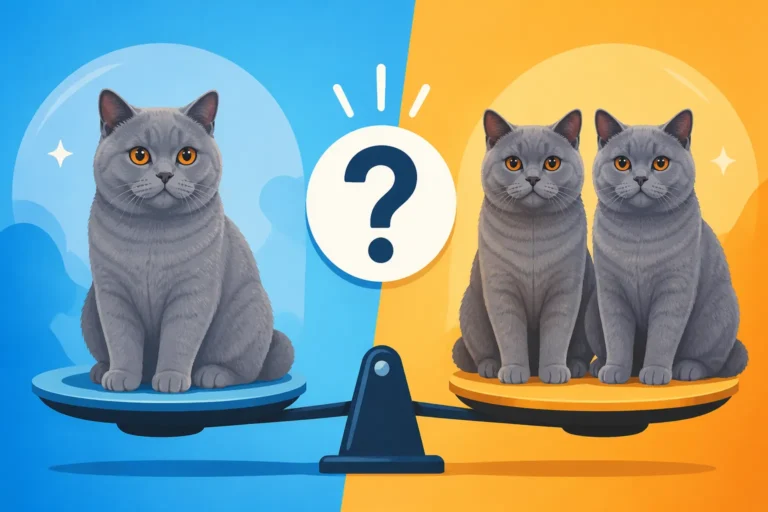
Importing a British Shorthair is a significant undertaking, both emotionally and financially. It requires extensive research, careful budgeting, and a good deal of patience. While the allure of a specific bloodline, color, or the reputation of a foreign breeder can be strong, it’s essential to approach the process with a clear understanding of all the potential costs and challenges involved. Weighing these against the option of purchasing a kitten domestically, even one with a waiting list, is a critical step in making the right decision for you and your future feline companion.
Disclaimer
This article is for general informational purposes only and does not constitute professional advice. Laws, prices and regulations vary by location and change over time. Consult a qualified professional for guidance on your specific situation.