What a British Shorthair’s Diabetic Emergency Costs
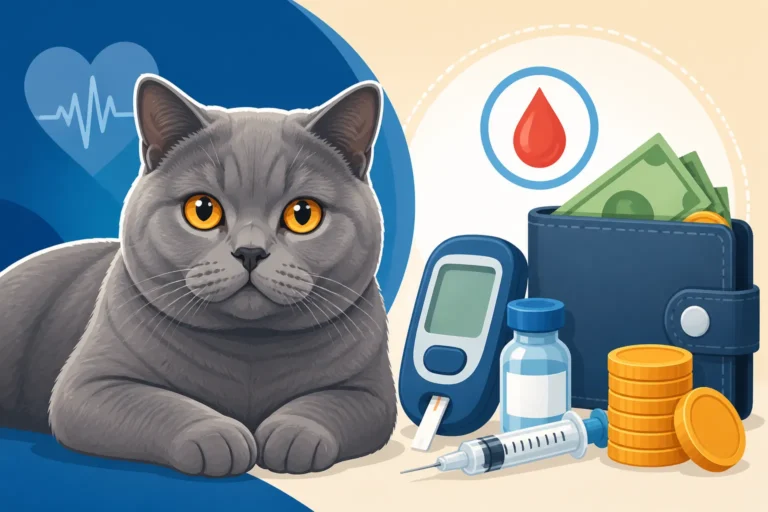
One of the most heart-stopping moments a British Shorthair owner can experience is when their usually placid, robust companion suddenly becomes profoundly unwell. When that illness manifests as a diabetic emergency, it’s not just scary; it’s a race against time, and the financial implications can be as overwhelming as the emotional stress. This guide aims to shed light on what a British Shorthair's diabetic emergency entails, from the immediate veterinary costs to the long-term financial commitment, so you can be as prepared as possible should this frightening situation arise.
Recognizing and Responding to a British Shorthair Diabetic Crisis
It's truly terrifying when your cat, especially one known for its calm demeanor like a British Shorthair, suddenly takes a turn for the worse. One moment they might seem a bit off, the next they could be in a life-threatening diabetic crisis. Understanding what to look for and how to react is paramount, not just for your cat's health, but for your peace of mind.
What a Diabetic Emergency Looks Like
A diabetic emergency in a British Shorthair typically refers to a state called diabetic ketoacidosis (DKA) or, less commonly, severe hypoglycemia (very low blood sugar). DKA is a particularly nasty complication where the body, lacking enough insulin, starts breaking down fat for energy, producing toxic ketones. Your British Shorthair might exhibit a range of distressing symptoms:
- Profound lethargy and weakness: They might be unusually still, reluctant to move, or even collapse. This isn't just "being lazy," which we sometimes joke about with our BSH; this is a serious energy depletion.
- Vomiting and diarrhea: These can be severe, leading to rapid dehydration.
- Loss of appetite: Even their favorite treats might be ignored.
- Sweet, fruity smell to their breath: This is a classic, though sometimes subtle, sign of ketones building up.
- Dehydration: Sunken eyes, poor skin elasticity.
- Rapid or labored breathing: Their body is trying to compensate for the acidosis.
The sheer helplessness you feel watching your beloved companion suffer like this is agonizing. You might second-guess yourself, wondering if you missed earlier Signs a British Shorthair Is Diabetic. Remember, cats are masters at hiding illness, and a British Shorthair's naturally stoic nature can make these early signs even harder to spot.
The Immediate Need for Veterinary Intervention
When you notice these signs, there's no time to waste. This isn't a situation where you can wait until morning or try home remedies. A diabetic emergency is precisely that – an emergency. You need to get your British Shorthair to an emergency veterinary clinic immediately.
The drive to the emergency vet can feel like an eternity, your heart pounding with every turn. You'll likely be met with a rapid intake process, as the veterinary team recognizes the gravity of the situation. They'll need a full history, including when symptoms started, any known diabetic status, and details about their usual routine. Expect a thorough physical exam right away. This initial, urgent assessment is critical for the vet to determine the best course of action and begin stabilization. It's a stressful situation for everyone, but quick action significantly improves your cat's chances.
Initial Emergency Diagnosis and Treatment Costs
The moment you walk through the doors of an emergency vet clinic, the meter starts running. It's a tough reality, but understanding the typical procedures and the associated costs can help you manage expectations during an incredibly stressful time.
The Emergency Exam and Diagnostic Tests
When your British Shorthair is in a diabetic emergency, the veterinary team will jump into action. First, there's the emergency consultation fee, which is almost always higher than a regular daytime vet visit – sometimes significantly so – simply due to the specialized staffing and equipment required for after-hours care.
Once the initial assessment is done, a battery of diagnostic tests will be ordered to confirm DKA or other severe diabetic complications and to gauge the cat's overall health. These typically include:
- Bloodwork: This is crucial. They'll run a complete blood count (CBC) to check for infection or anemia, and a comprehensive chemistry panel to evaluate organ function (especially kidneys and liver), electrolyte balance, and of course, blood glucose levels. For a DKA crisis, they'll also specifically check for ketones and blood gas analysis to assess acidosis.
- Urinalysis: A urine sample will confirm glucose and ketones in the urine, indicating uncontrolled diabetes and DKA.
- Other tests: Depending on your cat's condition, the vet might recommend X-rays to check for underlying infections (like pancreatitis or urinary tract infections which can trigger DKA), or an abdominal ultrasound to get a clearer picture of internal organs. These additional tests, while essential for a complete diagnosis, will naturally add to the bill.
These diagnostic steps are fundamental for understanding the severity of the crisis and tailoring treatment. The cost of these tests can accumulate quickly, but they are non-negotiable for saving your cat's life. This whole workup is far more extensive and urgent than a routine What a British Shorthair's Diabetes Workup Costs done during a regular check-up.
Hospitalization and Stabilization
Once the diagnosis is confirmed, your British Shorthair will almost certainly require hospitalization for intensive care and stabilization. This is where the bulk of the initial emergency cost often comes from, and for good reason. Your cat will receive round-the-clock monitoring and treatment that you simply cannot provide at home.
During hospitalization, the key interventions will include:
- Intravenous (IV) fluid therapy: This is critical to correct dehydration, electrolyte imbalances, and to flush out ketones from the system. Fluids are usually administered with an IV pump to ensure precise delivery.
- Insulin administration: Small, carefully measured doses of fast-acting insulin will be given, often as a constant rate infusion, to gradually lower blood glucose and stop ketone production. This requires frequent monitoring of blood sugar.
- Electrolyte supplementation: Severely diabetic cats often have critically low potassium levels, which need to be corrected slowly and carefully to prevent further complications.
- Anti-nausea medication: To control vomiting and improve comfort.
- Nutritional support: Once stable, appetite stimulants or assisted feeding might be necessary to get them eating again.
The costs associated with hospitalization cover not just the medications and fluids, but also the continuous presence of veterinary staff, specialized equipment, and intensive monitoring. A stay could range from a couple of days for a milder case to a week or more for a severe DKA patient. The emotional toll of leaving your vulnerable British Shorthair at the clinic is immense, but knowing they are receiving the best possible care can provide some comfort during this distressing period.
The Price of Ongoing Management Post-Emergency
Surviving a diabetic emergency is a huge hurdle, but it's often just the beginning of a lifelong journey. Managing diabetes in a British Shorthair requires dedication, consistency, and a significant ongoing financial commitment.
Insulin and Essential Supplies
Once your British Shorthair is stabilized and discharged, you'll become their primary caregiver for managing their diabetes at home. This means administering insulin injections, usually twice a day, every day.
The cost of insulin can vary depending on the type prescribed (there are several options, and what works best for one cat might not for another) and where you purchase it. Vets often prescribe common feline insulins, and you'll need a steady supply. Along with the insulin, you'll need:
- Insulin syringes: These are very specific and come in different sizes; it's crucial to use the correct type. You'll go through a lot of these!
- Glucometer and test strips: While your vet will conduct regular blood tests, many owners choose to monitor blood glucose at home. This requires a pet-specific glucometer and a constant supply of test strips, which can be surprisingly costly over time. What Glucose Monitoring Costs a British Shorthair Owner can add up.
- Ketone test strips: To monitor for ketones in the urine, especially if your cat seems unwell, which can signal a looming crisis.
You can often find these supplies, including syringes and test strips, through online pet pharmacies or large retailers like Chewy, which can sometimes offer competitive pricing compared to veterinary clinics directly. What Insulin Costs a British Shorthair Owner is a factor you'll be budgeting for regularly.
Dietary Changes and Prescription Foods
Diet plays an absolutely critical role in managing feline diabetes. Most diabetic British Shorthairs will need a significant dietary overhaul. The goal is typically a high-protein, low-carbohydrate diet, which helps stabilize blood sugar levels and can sometimes reduce the amount of insulin needed.
Your vet will likely recommend a prescription diet specifically formulated for diabetic cats. These foods, whether wet or dry, are designed with the ideal nutrient balance.
- Cost difference: Prescription diets generally cost more than over-the-counter foods. For a British Shorthair, who can be quite substantial in size, the monthly food bill will certainly reflect this change.
- Availability: These foods are usually available through your vet or authorized online retailers like Chewy.
- Patience and persistence: Getting a British Shorthair to switch foods can be a challenge. They are creatures of habit, and their discerning palates might resist new textures or flavors. It can take time, patience, and some clever mixing strategies to transition them successfully.
This dietary commitment is ongoing and essential to keeping their diabetes stable and preventing future emergencies. This also brings into focus Portion Control Is the Whole Job With a British Shorthair to manage their weight, which directly impacts diabetes.
Regular Veterinary Follow-ups and Monitoring
Even after the emergency passes and you're confidently managing insulin at home, regular veterinary check-ups are non-negotiable. Initially, these might be quite frequent – weekly or bi-weekly – to ensure the insulin dose is precisely tuned to your British Shorthair's needs.
During these follow-up visits, the vet will:
- Perform physical exams: To check overall health, weight, and look for any new complications.
- Run blood tests: This will include glucose curves (monitoring blood sugar over several hours) and fructosamine tests, which give an average blood glucose level over the past 2-3 weeks. These are much more accurate indicators of long-term control than a single spot glucose reading.
- Adjust insulin dosage: Based on these results, the vet will fine-tune the insulin dose. This can be a delicate process, as too much or too little insulin can be dangerous.
These follow-up appointments and tests are an ongoing expense. Over time, if your cat's diabetes is well-controlled, the frequency of these visits might decrease to every few months, but they will never truly stop. It’s an investment in your British Shorthair's long-term health and a crucial part of preventing another crisis. You want to give your British Shorthair the best chance at a long and comfortable life, and this often means diligent, consistent care. In some rare cases, Whether a Diabetic British Shorthair Can Go Into Remission is possible, but it requires extreme dedication to diet and weight management, and careful veterinary supervision.
Mitigating Financial Impact and Long-Term Outlook
Facing a diabetic emergency with your British Shorthair is not only emotionally draining but also a significant financial hit. Preparing for these possibilities, both through proactive financial planning and preventative health measures, can make a world of difference.
Pet Insurance and Financial Planning
The costs associated with a diabetic emergency and ongoing care can quickly reach thousands of dollars, making many owners wonder how they will cope. This is where pet insurance can be a literal lifesaver, though it's important to understand its limitations.
- How pet insurance helps: A good pet insurance policy, like those offered by Healthy Paws, can reimburse a significant portion of your veterinary bills. This can alleviate the immediate financial strain of an emergency and make ongoing management more manageable. It allows you to make decisions based on what's best for your cat, rather than what you can afford.
- Pre-existing conditions: A crucial caveat: pet insurance typically does not cover pre-existing conditions. This means if your British Shorthair is diagnosed with diabetes before you enroll them, future diabetic treatment likely won't be covered. This underscores the importance of Insuring a British Shorthair early in their life, ideally when they are kittens or young adults. If you wait until they are sick, you may find that Whether Insurance Covers a British Shorthair's Diabetes is a disheartening "no."
- Emergency fund: Even with insurance, having an emergency fund specifically for pet care is highly recommended. Many policies have deductibles and reimbursement percentages, meaning you'll still be responsible for a portion of the costs upfront. A dedicated savings account can bridge this gap. This financial foresight can transform a devastating crisis into a manageable challenge.
Preventative Measures to Avert Future Emergencies
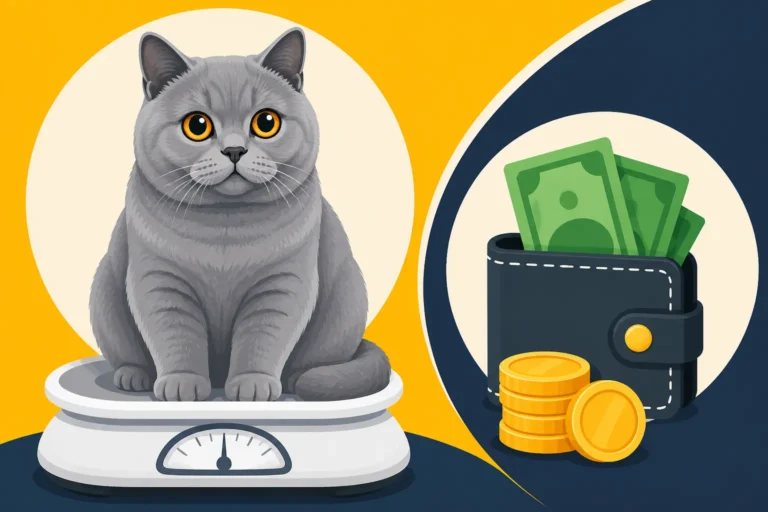
While some health issues are unavoidable, many cases of feline diabetes, particularly in breeds prone to weight gain like the British Shorthair, are linked to obesity. This gives us, as owners, significant power to prevent this difficult disease.
- Weight management: The single most impactful preventative measure is maintaining a healthy weight for your British Shorthair. Their cobby, plush appearance can make it hard to tell if they're overweight, but even a few extra pounds can greatly increase their risk of developing diabetes. This breed is famously predisposed to being chunky; in fact, Obesity Is the British Shorthair's Real Disease. Keep a close eye on their body condition score, and regularly feel for their ribs. You can learn more in Why a British Shorthair Gains Weight So Easily.
- Portion control: As mentioned, Portion Control Is the Whole Job With a British Shorthair. Free-feeding is often a recipe for disaster with this breed. Measured meals, twice a day, with high-quality, appropriate food are key.
- Regular exercise (even gentle!): British Shorthairs aren't known for their boundless energy, but encouraging even short bursts of play can help maintain a healthy metabolism. Consider puzzle feeders to make them "work" for their food and mental stimulation.
- Routine veterinary check-ups: These annual (or bi-annual for seniors) visits allow your vet to catch early signs of metabolic changes that could lead to diabetes, long before an emergency situation arises. Blood tests during these check-ups can monitor kidney function, liver enzymes, and early glucose abnormalities.
Taking these steps isn't just about saving money on future emergency bills; it's about extending the healthy, happy lifespan of your cherished British Shorthair.
Understanding the Long-Term Commitment
A diabetic emergency for a British Shorthair isn't a one-and-done event. It heralds a long-term commitment that reshapes your daily routine and budget. Managing feline diabetes is typically a lifelong endeavor that demands unwavering dedication.
This means:
- Daily insulin injections: Twice a day, every day, often for the remainder of your cat's life. This becomes as routine as feeding them.
- Consistent diet: Sticking to the prescribed diet without deviation is crucial. No more casual treats or scraps that could destabilize their blood sugar.
- Regular monitoring: Whether through home glucose checks or scheduled vet visits, their blood sugar needs constant oversight.
- Potential for complications: Even with the best care, diabetic cats can develop other issues, such as nerve damage (diabetic neuropathy), cataracts, or be more prone to infections. These complications can lead to additional vet visits and costs.
The emotional impact of this chronic care can be profound. It's a journey of learning, adapting, and sometimes, heartbreaking setbacks. However, with consistent care, many diabetic British Shorthairs can go on to live full, comfortable lives. The financial commitment becomes a regular part of your household budget, much like Fifteen Years of a British Shorthair, Priced Out accounts for all aspects of their life. While it's a significant undertaking, the bond you share with your British Shorthair makes every effort worthwhile.
| Category | Typical Emergency Costs (Initial) | Ongoing Monthly Costs (Post-Emergency) |
|---|---|---|
| Emergency Exam & Consultation | Higher than regular visit | Included in regular follow-ups |
| Diagnostic Bloodwork | Extensive panels, specific DKA tests | Glucose curves, fructosamine tests |
| Hospitalization & IV Fluids | Daily rate, fluids, medications, oxygen | Not typically needed |
| Insulin | Initial doses administered | Regular purchase of vials/pens |
| Syringes & Supplies | Initial supply | Ongoing purchase of syringes, test strips, lancets |
| Prescription Diet | Not usually part of emergency care | Regular purchase of specialized food |
| Follow-up Vet Visits | None (part of initial hospitalization) | Regular appointments for monitoring & dose adjustment |
| Medications (other) | Anti-nausea, electrolyte supplements | Possible supplements or anti-inflammatory drugs if complications arise |
Disclaimer
This article is for general informational purposes only and does not constitute professional advice. Laws, prices and regulations vary by location and change over time. Consult a qualified professional for guidance on your specific situation.