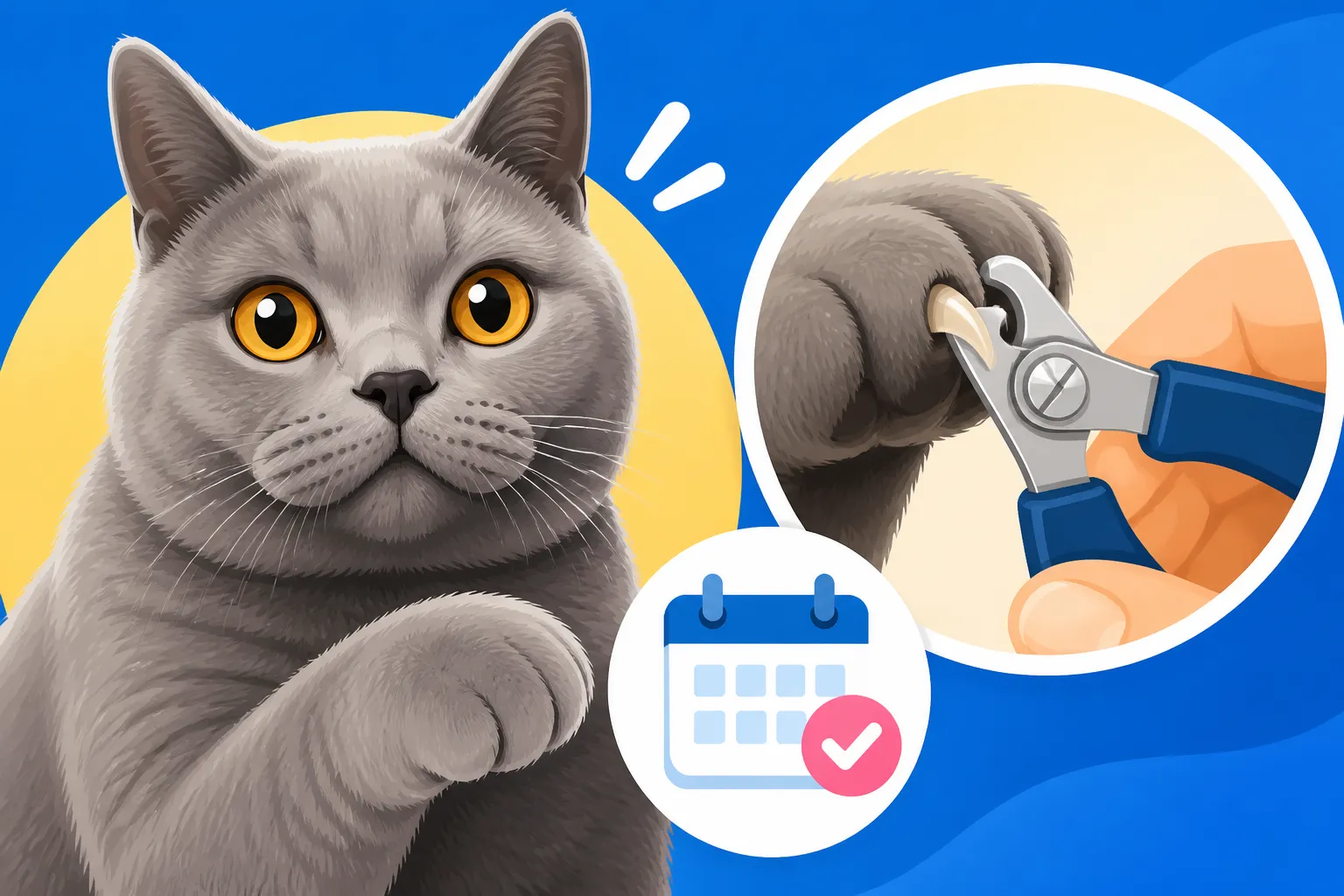
How Often a British Shorthair’s Nails Need Trimming
One of the lesser-talked-about challenges of owning a magnificent British Shorthair is keeping those surprisingly thick, fast-growing claws in check. It's a task many owners dread, often feeling like a wrestling match that leaves both parties stressed, but ignoring it can lead to painful ingrown nails, gait issues, and even damage to your home. This guide is here to demystify the process, offering practical advice on how often to trim your British Shorthair's nails, why it matters, and how to make it a less daunting experience for everyone involved.
Understanding the British Shorthair's Unique Claws
British Shorthairs are truly special cats, known for their plush coats, round faces, and famously calm demeanor. However, beneath that teddy bear exterior lies a set of claws that demand attention. Unlike many more active or smaller breeds, the British Shorthair's claws have a few characteristics that make regular trimming absolutely essential.
Why Their Claws Are So Robust
If you've ever tried to trim a British Shorthair's nails, you've probably noticed they feel quite a bit thicker and stronger than what you might expect from a domestic cat. This isn't just your imagination! British Shorthairs tend to have very sturdy, dense claws that are built for grip and strength. This robustness is a holdover from their more rugged ancestral past, even though today's pampered housecat no longer needs to hunt or climb extensively outdoors. This natural strength means their claws are less likely to wear down naturally through scratching or walking on rough surfaces, especially for an indoor cat.
This inherent density also means that when they grow, they can become quite formidable. Imagine trying to walk comfortably if your toenails were constantly pushing into your shoe, or even worse, into the sensitive skin of your toe pad. That's essentially what can happen to a British Shorthair if their claws aren't maintained. The thickness contributes to the discomfort, making each step potentially painful if the claw curves too far under.
The Impact of a Sedentary Lifestyle
Let's be honest, British Shorthairs are not typically known for their boundless energy. They are often described as calm, placid, and content to lounge. While this makes them wonderful companions for many households, it also means they engage in less activity that naturally files down their claws. A cat that zips around, jumps, climbs, and uses a variety of scratching posts vigorously will naturally wear down its claws more than a cat whose favorite pastime is napping in a sunbeam.
Because they spend so much time relaxing, often on soft surfaces like sofas or beds, their claws don't get the same kind of friction and wear that an outdoor cat or a more energetic breed might experience. This lack of natural attrition means that their claws grow continuously, unhindered by daily activity. It puts the onus firmly on us, their human companions, to step in and manage their nail growth. Regular trimming becomes a critical part of their routine care, much like ensuring they get enough enrichment even if they don't seem to demand it actively. Getting a Low Energy British Shorthair to Move can help with overall health, and indirectly, with some natural nail wear, but it won't replace trimming entirely.
How Often Is "Often Enough"?
This is the million-dollar question for many British Shorthair owners, and the answer isn't a one-size-fits-all, hard and fast rule. While there's a general guideline, several factors will influence the ideal trimming schedule for your individual cat.
The General Rule of Thumb
For most adult British Shorthairs, a good starting point is to aim for a nail trim every 2-4 weeks. This range allows for variations in individual growth rates and activity levels. If you notice their nails growing quickly, or if they're particularly adept at avoiding scratching posts, you might lean towards the two-week mark. If your cat is more diligent about using their scratching surfaces, you might stretch it closer to four weeks.
The key is consistency. Waiting too long between trims can make the process more difficult, as the quick (the pink, sensitive part of the nail that contains blood vessels and nerves) will grow longer with the nail. When the quick is long, you can only take off a tiny tip without causing pain or bleeding, meaning you'll need more frequent trims to gradually encourage the quick to recede. It's a bit like trying to cut a tree that's already overgrown – it takes more effort and smaller cuts over time to get it back into shape.
Factors Influencing Trimming Frequency
Your British Shorthair's unique life will dictate their ideal nail care schedule. It's truly a personalized approach.
Age and Activity Level
Kittens often have softer, faster-growing nails and might need more frequent trims to get them used to the process from a young age. As they mature, their growth rate might stabilize. However, as they become seniors, you might find their nails get thicker and harder, and they become even less active. Caring for an Old British Shorthair involves paying extra attention to their nails, as older cats can struggle to groom themselves properly and might not use scratching posts as much. An aging cat's claws might become brittle or grow in strange directions, requiring even more careful and frequent intervention.
The activity level, as mentioned, is huge. A British Shorthair who occasionally bats at a wand toy but primarily enjoys sprawling will need more frequent trims than one who has a sudden burst of energy and tackles a tall cat tree. Consider What a British Shorthair Does All Day and tailor your schedule. If they are truly a couch potato, expect to be trimming more often.
Indoor vs. Outdoor Lifestyle
While most British Shorthairs are kept indoors for their safety and well-being, this significantly impacts nail wear. An outdoor cat might naturally wear down its claws on rough surfaces, tree bark, and dirt. An indoor British Shorthair simply doesn't have these opportunities. This makes regular trims non-negotiable for their comfort and health.
Even with the best scratching posts, the overall lack of natural abrasion means indoor cats rely entirely on us to manage their nail length. This also brings up the point of potential damage to furniture. Long, sharp claws can quickly turn your favorite sofa into a shredding toy, not out of malice, but simply because cats need to flex their claws and mark territory. While scratching posts are crucial for appropriate scratching behavior, they don't always wear down the tips as effectively as a good clipper can.
Diet and Overall Health
Believe it or not, a cat's diet and general health can subtly influence nail growth and quality. A well-balanced diet rich in essential nutrients can contribute to healthy skin, coat, and strong nails. Conversely, nutritional deficiencies could lead to brittle or unhealthy claws. While diet isn't usually the primary driver of how often you need to trim, it plays a role in the quality of the nails you're trimming.
Certain underlying health conditions can also affect nail growth. For example, some metabolic issues or fungal infections can alter nail texture or speed of growth. If you notice a sudden change in your British Shorthair's nail health – they become excessively brittle, flaky, or grow at an unusual rate – it's always wise to consult your veterinarian to rule out any health concerns.
Recognizing When It's Time for a Trim
Knowing the exact frequency is great, but sometimes life happens, and you might miss a trim. How do you know, definitively, that it's time to get those clippers out? Your British Shorthair will give you some clear signals, both audibly and visually.
The Telltale Click on Hard Floors
This is perhaps the most common and easiest sign to spot. When your British Shorthair walks across a hard surface like tile, hardwood, or laminate flooring, listen closely. If you hear a distinct "click-click-click" with every step, their nails are too long and are making contact with the ground. In a healthy cat, the claws should be retracted and not touch the floor when they walk.
This clicking sound isn't just an annoyance; it's an indication that the claws are pushing back into the nail bed, causing discomfort and potentially altering your cat's gait. Over time, this can lead to issues in their paws, toes, and even their joints, especially in a heavier breed like the British Shorthair where What Obesity Does to a British Shorthair's Joints is already a concern. Imagine trying to walk around on tiptoes all day – it's not comfortable or natural.
Catching on Fabric and Furniture
Another clear sign that those nails are getting too long is when your British Shorthair starts snagging on everything. Do you find little pulls in your blankets, carpets, or clothing after they've walked across them? Are their claws getting caught in the fabric of their cat tree or your sofa? This "catching" happens because the tips of their claws have grown past the point of retraction and are now acting like tiny grappling hooks.
Beyond the damage to your belongings, this can also be quite stressful for your cat. Imagine being stuck to something every time you move! They might even panic when a nail gets truly embedded, leading to injury or a broken claw. This is not only painful but can open the door for infection. Prevention through regular trimming is much kinder than dealing with an emergency trip to the vet because a nail got painfully torn.
The Quick Test: Checking the Length
The most direct way to assess if a trim is needed is to physically check your British Shorthair's paws. Gently press on their paw pad to extend the claw fully. Look at the tip:
- Is it sharp and pointed? If it looks like a needle, it's definitely time.
- Does it curve downwards significantly? A strong downward curve indicates excessive length.
- Can you see the quick? The quick is the pinkish part within the clear or opaque nail. You want to trim only the sharp tip before the quick. If the quick appears very long and close to the end of the nail, it means the nails have been allowed to grow too long, and you'll need to trim smaller amounts more frequently to encourage the quick to recede over time.
It's a good idea to get familiar with what a healthy, properly trimmed nail looks like so you have a baseline. The goal isn't to make them disappear, but to ensure they are short enough not to interfere with walking or cause snagging, and that they don't grow into the paw pad.
The Art of Trimming British Shorthair Claws
Nail trimming doesn't have to be a battle. With the right tools, technique, and a patient approach, you can make it a routine part of your cat's care that causes minimal stress.
Essential Tools for the Job
Having the correct equipment makes a huge difference. Don't try to use human nail clippers; they can split the cat's claw and cause pain.
- Sharp, Cat-Specific Nail Clippers: There are generally two types: scissor-style and guillotine-style. Many British Shorthair owners find scissor-style clippers work well due to the thickness of their cat's nails, offering better leverage and control. Whichever you choose, ensure they are sharp to make a clean cut. Dull clippers can crush the nail, which is painful. Brands like Safari or Resco are popular choices and readily available on sites like Chewy or Amazon. For strong claws, you really need clippers specifically designed for cats; Which Clippers Suit a British Shorthair's Thick Claws can guide your choice.
- Styptic Powder or Cornstarch: This is your safety net. If you accidentally cut into the quick, a small amount of styptic powder (available at pet stores or online) will quickly stop the bleeding. Cornstarch can also work in a pinch. Have it within arm's reach before you start.
- Treats: High-value treats are your best friend for positive reinforcement. Think small, delicious morsels your cat absolutely loves.
- A Calm Environment: Choose a quiet time when your cat is relaxed, perhaps after a nap or a meal. Avoid noisy distractions.
Step-by-Step Trimming Technique
Approach this with patience and gentleness. Rushing will only lead to a stressed cat and potentially painful mistakes.
- Preparation is Key: Gather all your tools within reach. Find a comfortable, well-lit spot. If your cat tolerates it, wrap them loosely in a towel or blanket, leaving one paw exposed. This "kitty burrito" method can help keep them still and feel secure.
- Gentle Handling: Take one paw in your hand. Gently press the top of the toe and the paw pad with your thumb and forefinger to extend the claw. Your British Shorthair might resist this at first, but with practice, they'll become more accustomed. You want to ensure the claw is fully extended so you can clearly see the quick.
- Identify the Quick: The quick is the pinkish, sensitive part inside the nail. On light-colored nails, it's usually easy to see. On darker nails, it's much harder, so you'll need to be extra cautious. If you can't see the quick, aim for just the very tip of the claw, where it starts to curve. Err on the side of taking off too little rather than too much.
- Make a Clean Cut: Position the clippers perpendicular to the nail. With a quick, firm squeeze, snip off just the very tip of the nail, before the quick. If you're unsure, just take off the sharp, clear hook at the end. Don't twist or pull the clipper.
- Reward and Release: Immediately after clipping one or two nails (or even just one, to start), offer a treat and praise your cat. If they're stressed, don't push it. You can do one paw, or even just one nail, per session and come back later. The goal is to build positive associations.
Remember, slow and steady wins the race. It’s better to do a few nails perfectly than all of them badly. Some cats Whether a British Shorthair Will Sit for a Nail Trim initially, but positive reinforcement helps greatly.
What to Do if You Cut the Quick
It happens to the best of us, especially when you're just starting out or if your cat has dark nails. Don't panic!
- Stay Calm: Your cat will react, but your calm demeanor will help them recover faster.
- Apply Styptic Powder: Immediately apply a pinch of styptic powder (or cornstarch) directly to the bleeding nail. Press gently but firmly for a few seconds until the bleeding stops.
- Reassure Your Cat: Offer soft words and comfort. Don't punish them for pulling away.
- Take a Break: It's best to stop the trimming session for that day. Resume another day when both of you are more relaxed. Your cat will associate the incident with that session, so pushing through might create a lasting aversion.
The next time you approach nail trimming, be extra gentle and offer even more treats. Over time, the memory of the mishap will fade, especially if subsequent trims are positive experiences.
Making Nail Trims a Positive Experience
No one wants to wrestle their beloved pet. The key to successful, stress-free nail trimming is starting early, using positive reinforcement, and patience.
Starting Early with Kittens
If you get your British Shorthair as a kitten, you have a golden opportunity to get them accustomed to nail trims from day one. Gently handle their paws frequently. Touch their toes, gently extend their claws, and then immediately give them a treat and praise. Do this often, even if you're not actually trimming. The goal is to make paw handling a normal, pleasant interaction.
When you do introduce the clippers, start small. Clip just one nail, then shower them with treats and affection. Gradually increase the number of nails you clip per session. This desensitization process, coupled with positive reinforcement, helps them learn that paw handling and nail trims are not scary and often lead to tasty rewards. Remember, consistency is more important than speed.
Positive Reinforcement and Desensitization
For adult British Shorthairs who might already have a negative association with nail trims, desensitization and positive reinforcement are still your best tools. It might take longer, but it's worth the effort.
- Introduce the Clippers Slowly: Let your cat see and sniff the clippers. Leave them near their food bowl or sleeping area so they become a normal part of their environment. Give treats when they are calm near the clippers.
- Handle Paws Regularly: Without attempting to clip, gently hold and massage their paws daily. When they tolerate it, gently press to extend a claw for a second or two, then immediately release and reward. Build up the duration of paw holding gradually.
- Pair with High-Value Treats: Every step of the process – seeing the clippers, paw handling, extending a claw, the actual clip – should be followed by a delicious treat. Consider a churu stick or a bit of cooked chicken. You want them to associate the nail trim with something incredibly rewarding. You can find many suitable treats on Chewy or Amazon.
- Short Sessions: Keep sessions very brief, especially at the beginning. One nail is a victory! Two nails is amazing! Don't push your cat past their comfort level, or you'll undo all your hard work. It's better to do a few nails every other day than to attempt all twenty at once and create a traumatic experience.
Distraction Techniques
Sometimes, a little distraction can go a long way in making nail trims more tolerable.
- Lick Mat with Wet Food: Spread a favorite wet food, like a small amount of a high-quality paté, onto a lick mat and let your cat focus on that while you quickly trim a few nails. The act of licking is naturally calming for cats.
- Another Person: If your British Shorthair is particularly squirmy, having a second person can be incredibly helpful. One person can gently hold and distract the cat with treats or pets, while the other quickly clips the nails.
- Grooming Table/Elevated Surface: For some cats, being on an elevated surface like a table can make them feel more secure and less likely to bolt. Just ensure the surface is non-slip and you have a secure grip on your cat.
The goal is to divert their attention from the clippers and the feeling of their paws being handled. Over time, as they realize it's not a big deal and always ends with a reward, they might even start to tolerate it without needing a full-blown distraction.
When to Seek Professional Help
Even with the best intentions and techniques, some British Shorthairs simply won't cooperate with nail trims. And that's perfectly okay! There's no shame in seeking professional help.
Vet Techs or Professional Groomers
Many veterinary clinics offer nail trimming services, often performed by a vet technician. They are experienced in handling cats of all temperaments, including those who are less than thrilled about their claws being touched. This can be a great option for a few reasons:
- Expertise: They know how to handle difficult cats safely and efficiently.
- Speed: They can often get the job done much faster than an inexperienced owner, minimizing stress for the cat.
- Safety: They are less likely to quick the cat and can handle any accidental nicks if they occur.
- Less Stress for You: It takes the pressure off you to perform a task your cat strongly dislikes.
Professional groomers who specialize in cats are another excellent resource. They often have dedicated quiet spaces and specialized equipment to make the experience as calm as possible. When choosing a groomer, look for one with specific cat grooming certifications or extensive experience with feline behavior.
Dealing with Aggressive or Fearful Cats
If your British Shorthair becomes truly aggressive (hissing, biting, scratching aggressively) or extremely fearful (hiding, trembling, urinating) during nail trims, it's a sign that you need help. Pushing through these reactions can damage your bond and make future handling even more difficult.
In these cases, a vet visit is paramount. Your vet can assess the situation, possibly offer sedative options for trimming, or even refer you to a veterinary behaviorist if the fear or aggression is extreme and impacting other aspects of your cat's life. Sometimes, what seems like pure defiance is actually underlying pain or anxiety. How a British Shorthair Hides Pain makes it tricky to tell if discomfort is driving their resistance. Never force a trim if your cat is displaying these signs, as it can be dangerous for both of you.
Long-Term Nail Health and Maintenance
Beyond regular trims, there are other aspects of care that contribute to overall nail health and can help extend the time between professional interventions.
Providing Ample Scratching Opportunities
Scratching is a natural, essential feline behavior. It helps cats stretch, mark territory, and, yes, shed the outer layers of their claws. Providing a variety of scratching surfaces can encourage healthy nail maintenance.
- Types of Scratching Posts: Offer different materials (cardboard, sisal, carpet) and orientations (vertical posts, horizontal scratchers, inclined boards). Some cats prefer to stretch up high, others like to scratch horizontally. For a British Shorthair, which can be quite a chunky monkey, ensure posts are sturdy and tall enough to allow a full stretch. Think about Which Scratching Post a British Shorthair Uses.
- Placement: Place scratching posts in prominent areas where your cat naturally spends time, especially near their favorite napping spots or by furniture they might be tempted to scratch.
- Regular Replacement: Cardboard scratchers wear out quickly and should be replaced when flattened. Sisal posts might last longer, but if they become shredded and unappealing, your cat might stop using them.
- Cat Trees: A good, sturdy cat tree with sisal-covered posts provides not only scratching opportunities but also climbing and resting spots. Just be sure it's stable enough for a solid British Shorthair! Which Cat Tree a British Shorthair Uses should be sturdy enough for them. You can find excellent options on Chewy or Amazon.
Even with the best scratching posts, remember that they usually only file down the very tips of the claws and primarily address the shedding of the outer layers. They rarely achieve the precise, short trim that clippers provide, especially for the robust claws of a British Shorthair.
Diet and Supplements for Nail Quality
While not a direct substitute for trimming, a high-quality diet provides the building blocks for healthy nails. Look for cat foods with good protein sources and essential fatty acids. Some owners also consider supplements like omega-3 fatty acids, which can improve skin and coat health, and by extension, nail quality. However, always consult your vet before adding any supplements to your cat's diet to ensure they are appropriate and won't interact negatively with existing conditions or medications.
Maintaining a healthy weight is also crucial for overall health and impacts nail care. Why a British Shorthair Gains Weight So Easily and What a British Shorthair Should Weigh at One Year are important considerations. An overweight cat might struggle to groom itself effectively, including reaching its back claws for scratching or self-filing, exacerbating the need for human intervention.
Regular Paw Inspections
Beyond trimming, make it a habit to regularly inspect your British Shorthair's paws. This not only keeps you aware of nail length but also allows you to check for other issues:
- Ingrown Nails: Are any nails curling around and growing into the paw pad? This is incredibly painful and needs immediate attention from a vet.
- Cracked or Broken Nails: These can be painful and prone to infection.
- Swelling or Redness: Could indicate an infection, injury, or other problem.
- Foreign Objects: Check for anything stuck between their paw pads.
Regular, gentle paw inspections contribute to your cat's overall well-being and strengthen the bond between you. The more accustomed your British Shorthair is to you handling their paws, the easier nail trims and other routine care tasks will become.
Remember, caring for a British Shorthair's nails is an ongoing commitment, but a truly rewarding one when you consider their comfort and health.
| Factor | Impact on Trimming Frequency | Considerations for British Shorthairs |
|---|---|---|
| Activity Level | Higher activity = less frequent | Sedentary nature means more frequent trims likely. |
| Nail Growth Rate | Fast growth = more frequent | Often have robust, fast-growing nails. |
| Scratching Post Usage | Diligent use = less frequent | Provide varied, sturdy posts to encourage use. |
| Age | Kittens/Seniors = potentially more | Kittens for training, seniors for thicker/brittle nails. |
| Indoor/Outdoor | Indoor = always more frequent | Primarily indoor cats lack natural wear. |
| Nail Thickness/Density | Thicker nails = more crucial trims | British Shorthairs have notably thick claws requiring attention. |
Disclaimer
This article is for general informational purposes only and does not constitute professional advice. Laws, prices and regulations vary by location and change over time. Consult a qualified professional for guidance on your specific situation.