What Changes in an Aging British Shorthair’s Coat
It's a bittersweet journey watching our beloved British Shorthairs grow from clumsy, playful kittens into dignified, wise seniors. One of the most noticeable changes, and often a source of concern for us devoted cat parents, happens right before our eyes: their glorious, plush coats begin to transform. If you've started to notice your senior British Shorthair's fur isn't quite the same as it used to be, you're not alone, and this guide is here to walk you through what's normal, what's not, and how to best support your cherished companion through these natural changes.
Understanding the Inevitable Changes in an Aging British Shorthair's Coat
As our British Shorthairs enter their golden years, typically around the age of 7-10, their bodies undergo a myriad of changes, and their magnificent coats are certainly no exception. Just like us, their skin loses some elasticity, and their hair follicles don't function with the same youthful vigor. These changes aren't always a cause for alarm; often, they're simply a sign of the natural aging process, but understanding them can help us better cater to their evolving needs.
The Gradual Shift in Texture and Density
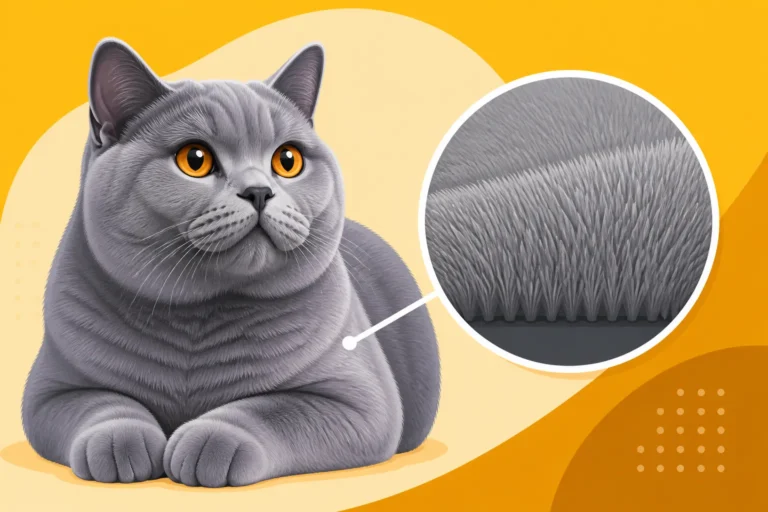
Remember that incredibly dense, almost woolly coat your British Shorthair had as a youngster? That "crisp" texture that stood away from their body, making them feel like a plush teddy bear? As they age, you might notice that density starts to wane ever so slightly. The individual hairs might become a bit finer, and the undercoat, while still present, might not feel as luxuriant. This isn't a sudden change, but rather a slow, subtle evolution that can happen over years. It's a natural thinning, a gentle lessening of that signature plushness that makes them so distinct.
This shift in texture can make their fur feel softer, less springy, and sometimes a little more prone to laying flat rather than standing proudly upright. You might run your hand over their back and realize it doesn't have quite the same resistance it once did. For some British Shorthairs, this can even mean their fur feels a touch silkier or less coarse. It's simply a testament to the fact that their skin and hair follicles are maturing, producing slightly different hair structures than in their prime. Don't be surprised if the famous "crisp" feel softens a little; it’s just part of their journey.
Fading Colors and the Appearance of Grey Hairs
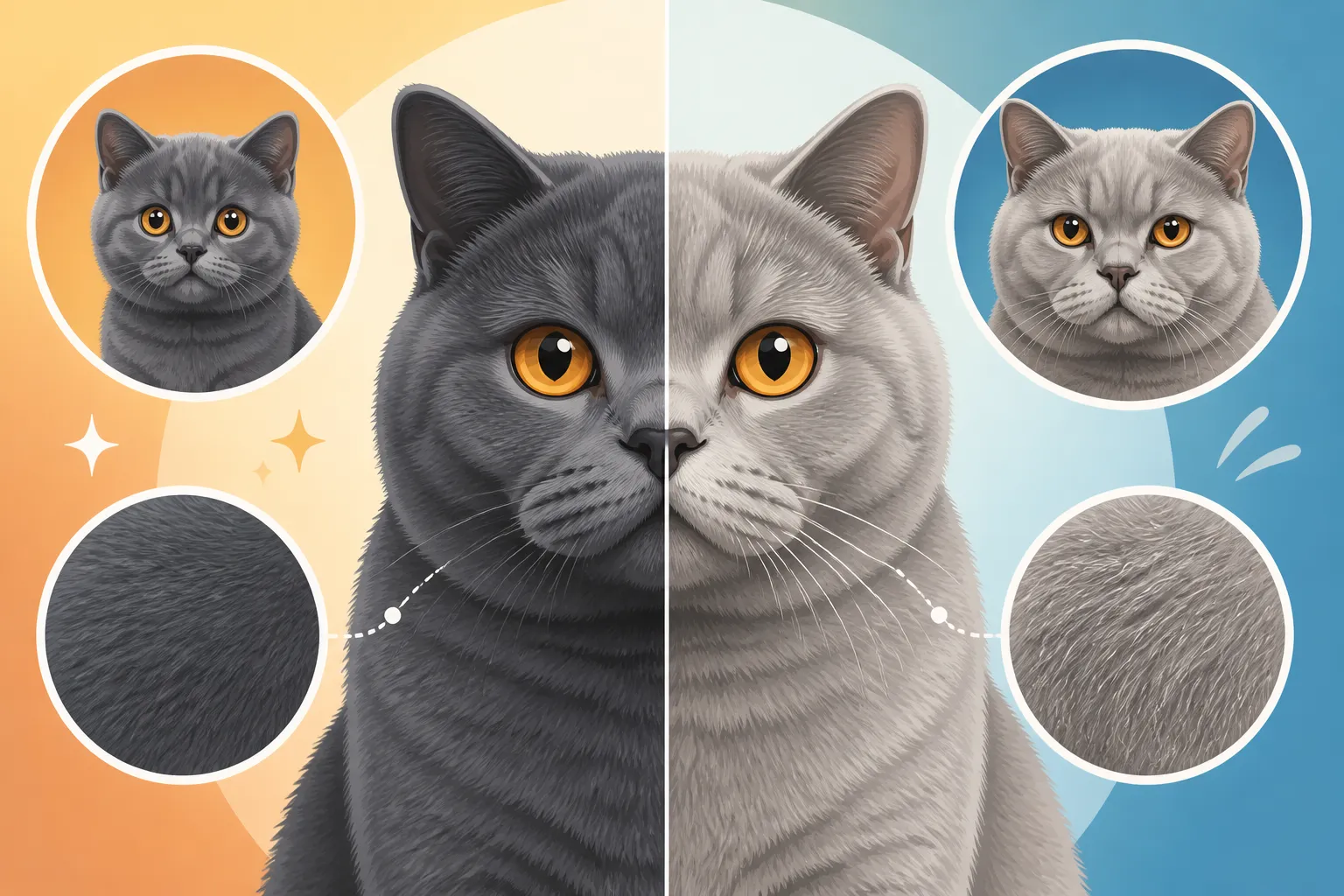
Just like humans, some British Shorthairs can experience a fading of their coat color, and yes, even the appearance of grey hairs! While it might not be as pronounced as a human's silvering temples, you might notice that a deep blue coat, for instance, appears a little softer in shade, perhaps a slightly muted grey-blue rather than the rich, vibrant tone it once was. This is particularly noticeable around the muzzle, eyes, and sometimes even the paws, where fine, lighter hairs might begin to sprout.
These changes in pigmentation are due to a natural reduction in melanin production in the hair follicles as the cat ages. It's akin to the grizzling seen in older dogs or even ourselves. A beautiful chocolate British Shorthair might develop lighter patches, or a silver tabby could seem a bit less defined in its markings. It's a subtle cosmetic shift that speaks to the passage of time. While a full head of white hair is rare, those delicate hints of grey can be quite charming and are a perfectly normal part of the aging process for many senior British Shorthairs. Think of it as their distinguished silver streaks! What Changes in a British Shorthair After Ten goes into more detail about these kinds of aging markers.
Common Health Issues That Impact Senior British Shorthair Coats
While some coat changes are purely cosmetic and due to natural aging, many can actually be significant indicators of underlying health issues. Our British Shorthairs are notoriously stoic, masters at hiding pain or discomfort, which means their coat can often be one of the first visible signs that something is amiss internally. It's crucial to be vigilant and understand what these changes might signify.
Reduced Grooming Due to Arthritis or Dental Pain
One of the most common reasons an older British Shorthair's coat declines in quality is simply that they can no longer groom themselves effectively. Arthritis is a widespread issue in senior cats, making it painful to twist, stretch, and reach all parts of their bodies. Imagine trying to groom your entire back if every joint ached – it would be an impossible task! This leads to a dull, greasy, and often matted coat, particularly around the lower back, hips, and tail base. You might even notice specific spots they can't reach, creating matted clumps. Whether an Aging British Shorthair Gets Stiff is a must-read if you suspect joint pain.
Similarly, dental pain, such as from gingivitis or tooth resorption, can make self-grooming uncomfortable. Every lick and pull of the fur can send a twinge through their mouth, deterring them from their meticulous habits. When a cat stops grooming, saliva and dirt accumulate, leading to a host of problems from skin irritation to matting. A once-pristine British Shorthair might start to look a little dishevelled, with a greasy, clumpy coat that lacks its former luster. This isn't laziness; it's often a sign of pain, and a vet check is essential.
Hormonal Imbalances and Their Effect on Fur Quality
Hormonal imbalances can wreak havoc on a British Shorthair's coat, and these are more common as they age. One notable culprit is hyperthyroidism, a condition where the thyroid gland produces too much hormone. This often manifests as a rather unkempt, greasy, and sometimes sparse coat, accompanied by weight loss despite a good appetite, increased thirst, and restlessness. Hyperthyroidism in an Older British Shorthair delves deeper into these symptoms. The increased metabolism can affect the skin's oil production and the hair growth cycle, leading to a noticeable deterioration in coat quality.
Other less common hormonal issues or metabolic diseases can also manifest with coat changes. For instance, sometimes cats with diabetes might also show changes in their coat, though this is often accompanied by increased thirst and urination. Any significant, unexplained change in coat texture, oiliness, or shedding patterns should prompt a visit to your veterinarian, as it could be a crucial clue to an underlying systemic illness that requires treatment.
Nutritional Deficiencies and Skin Health
Just like their human counterparts, older cats might not absorb nutrients as efficiently as they once did, even if they're eating the same food. This can lead to subtle nutritional deficiencies that first show up in the skin and coat. A lack of essential fatty acids, for example, can result in a dry, flaky coat that lacks shine. Their fur might become brittle and prone to breakage, leading to a thinner appearance. Imagine your own hair getting dry and lackluster from poor nutrition; it's quite similar for our feline friends.
High-quality protein is also vital for healthy hair growth, and if an older cat isn't getting or processing enough, their coat can suffer. While premium cat foods generally aim to provide balanced nutrition, an aging digestive system or specific health conditions can interfere with absorption. This is why some owners consider adding supplements, perhaps suggested by their vet, or switching to senior-specific diets rich in easily digestible proteins and omega fatty acids. Brands found on platforms like Chewy or Amazon often offer specialized senior formulas that might help combat these issues, but always discuss with your vet first to pinpoint any true deficiencies.
Tailoring Your Grooming Routine for the Older British Shorthair
As your British Shorthair ages, their grooming needs change. What worked perfectly for their youthful, robust coat might not be ideal for their more delicate senior fur and skin. Adapting your approach can make a huge difference in their comfort, health, and maintaining that teddy bear charm. Remember, this isn't just about aesthetics; regular grooming helps prevent pain and skin issues.
Gentle Combing for Delicate Skin and Matting Prevention
Gone are the days when you could aggressively brush through their dense coat. An older British Shorthair's skin can be thinner, less elastic, and more prone to bruising or tearing. Their joints might also be stiff, making certain positions painful. Therefore, gentleness is key. Opt for a fine-toothed metal comb, like the ones often available on Amazon or specialty pet stores, rather than a harsh slicker brush. A metal comb can effectively reach through their thick fur to the undercoat without pulling or scratching. Which Comb a British Shorthair Needs provides more specific recommendations.
Make grooming sessions short, perhaps 5-10 minutes a day, and choose a time when your cat is relaxed. Focus on areas prone to matting, such as behind the ears, armpits, and around the hindquarters. Support their body gently if they are stiff, and never force them into an uncomfortable position. If you encounter a mat, don't pull it! Instead, try to gently tease it apart with your fingers or the very tip of the comb. If it's too tight or painful, it's safer to have a professional groomer or your vet carefully shave it off to avoid injuring your cat's delicate skin. Regular, gentle combing is a preventative measure that saves both you and your senior British Shorthair a lot of discomfort.
Addressing Overgrown Claws and Ear Care
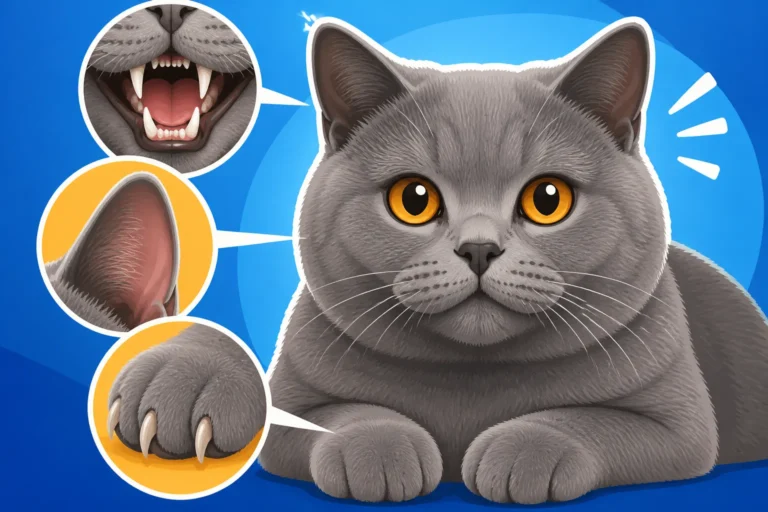
While not directly coat-related, overgrown claws and neglected ears can indirectly impact your senior British Shorthair's overall comfort and grooming habits. Older cats, especially those with arthritis, might not use scratching posts as vigorously, leading to thick, long claws that can get snagged, grow into their paw pads, or make walking uncomfortable. This discomfort can further reduce their willingness to groom themselves. Regular nail trims, perhaps every 2-4 weeks, become even more important. Use sharp, cat-specific clippers and only trim the very tip, avoiding the quick.
Similarly, ear care is vital. Older cats may be less effective at cleaning their ears, leading to a build-up of wax or debris. While British Shorthairs generally have clean ears, some can develop wax plugs or, more rarely, ear mites or infections. Gently wiping the outer ear with a soft cloth or a vet-approved ear cleaner can prevent problems. If you notice any redness, foul odor, excessive debris, or your cat shaking their head frequently, it's time for a vet check. Maintaining these aspects of hygiene contributes to their overall well-being, which in turn supports better self-grooming.
Spot Cleaning and Bathing Considerations
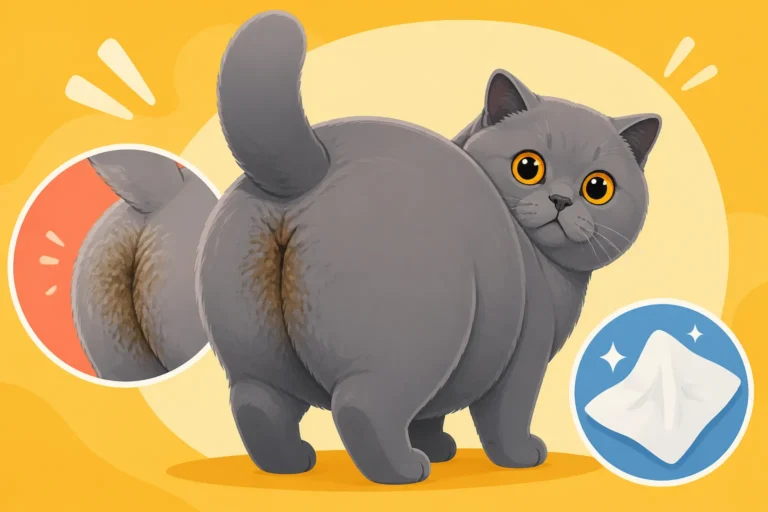
Older British Shorthairs, especially those who struggle with mobility or become overweight, may find it difficult to reach their hindquarters for proper cleaning. This can lead to a build-up of fecal matter, urine, or general grime, which not only smells but can cause skin irritation and infections. Spot cleaning becomes essential. Keep some pet-safe wet wipes or a damp cloth handy for these areas. A gentle, lukewarm wash with a mild, cat-specific shampoo can also be effective for the affected region.
Full baths for a senior British Shorthair should generally be avoided unless absolutely necessary and recommended by your vet. They can be stressful, chilling, and difficult for a cat with stiff joints. If a full bath is unavoidable due to excessive greasiness, matting, or a skin condition, ensure the water is comfortably warm, use a non-slip mat, and have everything ready beforehand. Dry them thoroughly with soft towels and keep them warm afterward. Consider a waterless shampoo or grooming mousse as a gentler alternative for overall freshening. Remember, the goal is always comfort and minimal stress for your aging companion.
Dietary Adjustments to Support a Healthy Senior Coat
Just as diet is crucial for a young cat's growth and vitality, it plays an even more critical role in maintaining the health and comfort of an aging British Shorthair. Their bodies are working harder, and their ability to process nutrients can decline, making thoughtful dietary adjustments key to supporting everything from their internal organs to the luster of their coat.
The Role of Omega Fatty Acids and Protein
For a senior British Shorthair, a diet rich in high-quality protein and essential fatty acids, particularly Omega-3s and Omega-6s, is paramount for a healthy coat and skin. These fatty acids are the building blocks for healthy skin cell membranes and contribute to the natural oils that keep their fur soft and shiny. As cats age, their skin can become drier, and their fur more brittle, making these nutrients even more vital. Look for senior cat foods that specifically list sources like fish oil, flaxseed, or chicken fat. Some senior foods offer these enriched formulas.
Your vet might also recommend a supplement if your cat's diet alone isn't cutting it. These often come in oil form that you can add to their food or as palatable chews. However, always consult your veterinarian before adding any supplements, as too much of a good thing can sometimes be detrimental. A diet that supports good overall health – including kidney function, joint health, and energy levels – will naturally contribute to a healthier, more resilient coat. Whether an Aging British Shorthair Needs Softer Food is another good resource on senior nutrition.
Hydration and Its Impact on Skin and Coat
One of the most overlooked aspects of coat health, especially in senior cats, is proper hydration. Water is essential for every bodily function, including maintaining healthy skin and helping nutrients reach the hair follicles. As cats age, their thirst drive can decrease, or they might not be able to easily access water if their bowls are too high or far away. Dehydration can lead to dry, flaky skin, a dull coat, and increased shedding.
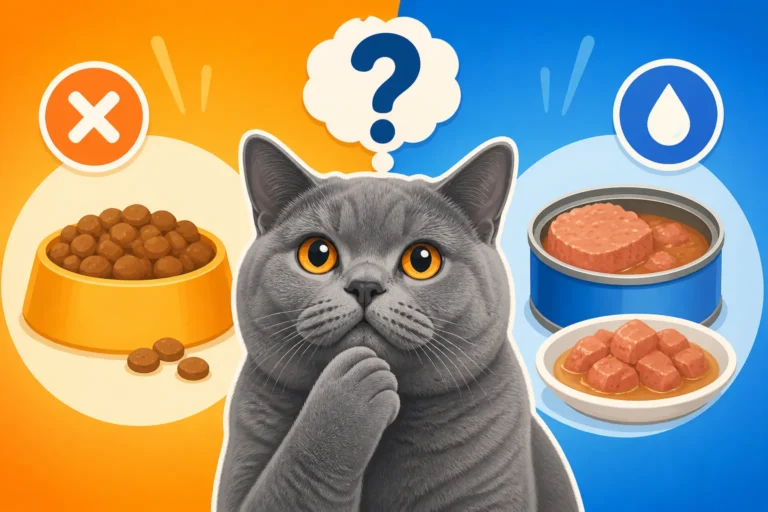
Encourage water intake by ensuring fresh, clean water is always available in multiple locations, perhaps even trying different types of bowls or a pet water fountain. Many senior British Shorthairs also benefit from a diet that includes more wet food, as it naturally contains a higher moisture content than dry kibble. If your British Shorthair is particularly picky, you might even consider adding a little low-sodium chicken broth to their water to entice them. Adequate hydration supports skin elasticity and helps prevent issues like dandruff and a lackluster coat, truly making a visible difference from the inside out.
When to Seek Veterinary Advice for Coat Concerns
While some coat changes are a normal part of your British Shorthair's aging journey, it's crucial to distinguish between these natural shifts and those that signal an underlying health problem. Our cats are masters of disguise when it comes to illness, so an unusual coat can be a vital clue. Signs a British Shorthair Is Unwell can help you recognize other common indicators.
Recognizing Red Flag Symptoms Beyond Normal Aging
If you notice any of the following changes in your senior British Shorthair's coat, it's time to book an appointment with your veterinarian:
- Sudden or excessive matting: Especially if it appears quickly or in areas they previously managed to groom. This often points to pain or a mobility issue.
- Greasy, flaky, or very oily fur: This can indicate metabolic problems, hyperthyroidism, or even skin infections.
- Significant hair loss or bald patches: While some thinning is normal, distinct patches of hair loss are not. This could be due to parasites, allergies, skin infections, stress, or systemic disease.
- Redness, sores, scabs, or bumps on the skin: These are clear signs of skin irritation, allergies, infections, or even more serious dermatological conditions.
- Dandruff or excessive scaling: Could be a sign of dry skin, nutritional deficiencies, or fungal infections.
- Changes accompanied by behavioral shifts: If coat issues coincide with lethargy, increased thirst, changes in appetite, or weight loss, it's a stronger indicator of internal illness.
- A "moth-eaten" appearance: Patches of thin, sparse fur that looks irregular can suggest a more serious underlying health problem.
These symptoms go beyond the gentle fading or slight thinning that comes with age and warrant professional medical attention to ensure your beloved companion is comfortable and healthy.
Diagnostic Tests for Underlying Medical Conditions
When you bring your senior British Shorthair to the vet with coat concerns, they won't just glance at the fur. They'll perform a thorough physical examination, paying close attention to their skin, joints, and overall body condition. They might ask detailed questions about their diet, grooming habits, and any other changes you've observed. Often, a simple visual inspection is enough to prompt further investigation.
Depending on the initial findings, your vet might recommend various diagnostic tests. These could include blood work to check for hormonal imbalances like hyperthyroidism, assess kidney and liver function, or look for signs of inflammation or infection. A urine test might also be performed. Skin scrapes or fungal cultures can rule out external parasites or fungal infections. In some cases, if chronic pain is suspected, imaging like X-rays might be suggested to evaluate the extent of arthritis. Remember, catching these issues early can lead to more effective management and a better quality of life for your British Shorthair as they age gracefully. What a British Shorthair's Yearly Bloodwork Should Cover provides more insight into typical senior cat health checks.
Table: Common Coat Changes in British Shorthairs – Young vs. Senior
To help you distinguish between the normal, age-related changes and potential red flags, here's a quick comparison:
| Characteristic | Young British Shorthair (1-6 years) | Senior British Shorthair (7+ years) | What to Watch For (Red Flags) |
|---|---|---|---|
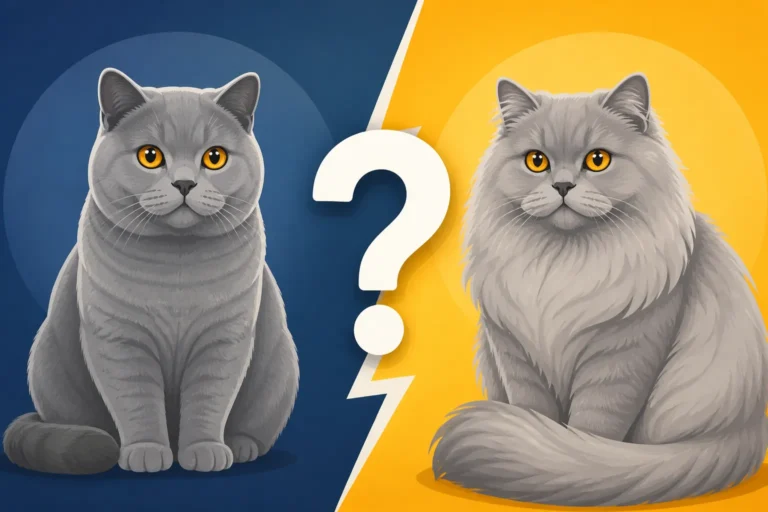
| Texture | Crisp, dense, plush, resilient, "standing" away from body. | Softer, slightly finer, less dense, may lie flatter. | Greasy, oily, sticky, excessively dry, brittle, or coarse patches. |
| Density | Very thick undercoat, full and uniform. | Moderate thinning, especially along the back and sides. | Bald patches, very sparse fur, "moth-eaten" appearance. |
| Color | Vibrant, deep, true to breed standard. | May appear slightly faded, muted; fine grey hairs around muzzle/eyes. | Dramatic or uneven color changes not related to grey hairs. |
| Grooming Habits | Meticulous, reaches all areas, self-maintaining. | May struggle with reach, leading to matting around hips, tail base. | Complete cessation of grooming, signs of pain during grooming. |
| Skin Condition | Supple, smooth, clear, good elasticity. | Thinner, possibly drier; reduced elasticity. | Redness, sores, scabs, bumps, persistent dandruff, excessive flakiness. |
| Shedding | Moderate, seasonal shedding (coat blow in spring/fall). | May have more consistent, finer shedding, or patchy hair loss. | Sudden, heavy, unexplained shedding; tufts coming out easily. |
This article is for general informational purposes only and does not constitute professional advice. Laws, prices and regulations vary by location and change over time. Consult a qualified professional for guidance on your specific situation.