Whether a British Shorthair Drinks Enough
One of the quiet anxieties of being a British Shorthair parent is constantly wondering if your plush companion is truly hydrated. You watch them, you offer fresh water, but sometimes it feels like they just aren't getting enough. It's easy to dismiss a cat's seemingly low water intake, especially for a calm breed like the British Shorthair, but ensuring proper hydration is absolutely crucial for their long-term health. This comprehensive guide will delve into everything you need to know about your British Shorthair's water intake, from recognizing the subtle signs of dehydration to clever ways to encourage better drinking habits and when it’s time to consult your trusted vet.
The Vital Role of Water for Your British Shorthair's Health
It's easy to assume that because your British Shorthair seems content and spends a lot of time napping, their needs are minimal. However, water is more than just a thirst quencher; it's a fundamental component of nearly every bodily function, from regulating body temperature to cushioning joints. For a breed known for its robust build and sometimes sedentary lifestyle, adequate hydration is a cornerstone of preventing future health issues and maintaining their renowned stoic disposition.
Think of water as the invisible powerhouse keeping everything running smoothly inside your beloved British Shorthair. It acts as a solvent, a lubricant, and a transport system, carrying nutrients to cells and waste products away. Without enough water, these critical processes slow down or become inefficient, paving the way for a cascade of health complications that are often silent until they become serious. Understanding its importance can empower you to be a more proactive and attentive pet parent.
Protecting Kidney and Urinary Tract Health
One of the most critical reasons your British Shorthair needs consistent, ample water intake is for the health of their kidneys and urinary tract. Cats, by their very nature, are designed to get much of their water from their prey, which is typically rich in moisture. When fed a diet primarily consisting of dry kibble, they often don't compensate by drinking enough external water. This can lead to chronically concentrated urine.
Concentrated urine is a breeding ground for problems. It means higher levels of waste products are circulating and potentially crystalizing, leading to the formation of urinary stones or blockages, particularly in male cats who have narrower urethras. It also places a greater strain on the kidneys, which have to work harder to filter waste with less fluid. Conditions like bladder stones or painful urinary tract infections (UTIs) are far more common in dehydrated cats, and trust me, dealing with a British Shorthair that is struggling to urinate or showing signs of discomfort around the litter box is heartbreaking for everyone involved. Urinary Problems in a British Shorthair can be severely exacerbated by inadequate hydration, making prevention through good water habits incredibly important.
Furthermore, long-term stress on the kidneys from insufficient hydration can contribute to the development or acceleration of chronic kidney disease (CKD), a common ailment in older felines. While some kidney issues, like Polycystic Kidney Disease (PKD), are genetic, the progression and severity of kidney disease can be significantly influenced by hydration levels. Ensuring your British Shorthair drinks enough helps their kidneys flush toxins effectively, reducing the workload on these vital organs and potentially extending their healthy lifespan. It's an investment in their future well-being. What Polycystic Kidney Disease Does to a British Shorthair is something many owners are concerned about, and while hydration won't prevent the cysts, it absolutely helps manage the kidney function.
Maintaining Overall Bodily Functions
Beyond the kidneys, water is essential for every single cell, tissue, and organ in your British Shorthair's body. It plays a crucial role in digestion, helping to break down food and absorb nutrients. If your cat isn't drinking enough, they might experience constipation, which can be incredibly uncomfortable for them and challenging to manage for you. Their dense, plush coats also benefit from good hydration, as healthy skin and fur require proper internal moisture balance.
Moreover, water helps regulate body temperature. While British Shorthairs are typically indoor cats, they can still overheat, especially in warmer climates or during intense play (if you can coax them into it!). Sweating isn't a primary cooling mechanism for cats; instead, they rely on panting and evaporative cooling from their paws, which all require adequate hydration to be effective. Water also lubricates their joints, which is especially important for a cobby, well-built breed that can be prone to conditions like Arthritis in an Older British Shorthair as they age.
Even your British Shorthair's cognitive function and energy levels are impacted by their hydration status. A mildly dehydrated cat might seem more lethargic, less interested in interaction, or generally "off." While British Shorthairs are naturally calm, a sudden or unusual dip in their usual gentle activity level could be a subtle clue. Adequate water ensures their blood circulates efficiently, carrying oxygen and nutrients to their brain and muscles, contributing to their overall vitality and contentment.
Preventing Overheating and Supporting Circulation
As mentioned, cats don't sweat like humans, relying on other mechanisms to regulate their body temperature. They dissipate heat through their paws and by panting, processes that become less efficient if they are dehydrated. While British Shorthairs aren't known for being overly active, any exertion, stress, or a warm environment can quickly lead to overheating if their body doesn't have enough fluid reserves. Imagine trying to cool a radiator without enough coolant – it's a similar principle for your furry friend.
Proper hydration also directly impacts blood volume and circulation. Water makes up a significant portion of blood plasma, which is responsible for transporting oxygen, hormones, and nutrients throughout the body, as well as carrying away metabolic waste products. If your British Shorthair isn't sufficiently hydrated, their blood can become thicker, making the heart work harder to pump it through the body. This added strain can be particularly concerning for a breed that can be predisposed to certain heart conditions.
Good circulation is also vital for healing and immune function. A well-hydrated cat's body can respond more effectively to injury or illness, delivering immune cells and necessary components to sites of need. So, while you might not see direct, dramatic impacts of mild dehydration immediately, the cumulative effect of a slightly under-hydrated system can subtly undermine your British Shorthair's resilience and overall health over time.
Recognizing the Subtle Signs Your British Shorthair Isn't Hydrated Enough
British Shorthairs are notoriously stoic, masters of disguise when it comes to discomfort. They won't always give you obvious signals that something is wrong, and that includes their hydration levels. This means it's up to us, their devoted caregivers, to become detectives, looking for those subtle clues that indicate they might not be drinking enough. Ignoring these signs can unfortunately lead to more serious issues down the line.
It's tempting to think that if their water bowl isn't empty, they must be fine. But a bowl that’s consistently full, or only ever slightly depleted, could be a red flag. Remember, cats often hide illness instinctually, a leftover trait from their wild ancestors, so you need to be observant and know what to look for. Don't wait until overt signs of severe dehydration appear; catching it early can make all the difference.
Observing Urine Output and Concentration
One of the most telling indicators of your British Shorthair's hydration status can be found in their litter box. When a cat is well-hydrated, their urine should be light yellow to straw-colored and they should produce a good amount of it. This results in firm, golf-ball to tennis-ball sized clumps in clumping litter, or noticeable wet spots if you use non-clumping varieties. Consistent, robust urination is a positive sign of healthy kidney function and adequate fluid intake.
Conversely, if your British Shorthair is not drinking enough, their urine will become more concentrated. This means it will appear darker yellow, often with a stronger, more pungent odor. You might also notice that the urine clumps in the litter box are smaller and harder than usual. It’s also possible they may start urinating less frequently, or you may notice them straining in the litter box – a critical sign that warrants immediate veterinary attention, as it could indicate a urinary blockage, especially dangerous for males. Why a Male British Shorthair Blocks is a serious concern, and good hydration is key in prevention.
Keeping an eye on the litter box truly is one of the easiest ways to monitor hydration. If you have multiple cats, this can be tricky, so consider isolating your British Shorthair for a day or two to observe their individual litter habits if you suspect an issue. Any sustained change in urine volume, color, or frequency should be noted and, if it persists, discussed with your veterinarian. This simple observation can provide invaluable insight into their internal well-being.
Checking for Physical Indicators of Dehydration
While British Shorthairs are typically plump and plush, there are a few physical signs that can indicate dehydration, even in their dense coats. The most common is checking for skin tenting. Gently lift the skin between your cat's shoulder blades or on their back. In a well-hydrated cat, the skin should snap back into place almost immediately. If it's slow to recoil, forming a "tent" for a second or two, it suggests mild to moderate dehydration.
Another area to check is their gums. Healthy gums should be moist and pink. If your British Shorthair's gums feel tacky or dry to the touch, or appear pale, it's a strong indicator of dehydration. You can also gently press your finger against their gums and release; the pink color should return quickly (capillary refill time). A slow return to pink can also signal a lack of fluids or other circulatory issues.
Beyond these, sunken eyes can be a sign of more severe dehydration. While British Shorthairs have wonderfully round faces, their eyes should still appear bright and alert. A dull, slightly sunken appearance indicates a significant loss of fluids. Remember, these physical signs are often more apparent when dehydration is already advanced, so coupling them with litter box observations and behavioral changes is key for early detection.
Noticing Changes in Behavior and Energy Levels
British Shorthairs are celebrated for their calm and placid demeanor, which can sometimes make it difficult to distinguish between their natural laziness and a symptom of feeling unwell. However, subtle shifts in their usual routine or energy can be strong indicators of insufficient hydration. A well-hydrated British Shorthair, even a senior one, should still have moments of playful curiosity or at least a certain alertness.
If your typically mellow cat becomes even more lethargic, less interested in their usual toys, or isn't greeting you at the door as usual, it could be a sign. They might be spending more time sleeping, or their naps might seem deeper and harder to rouse them from. While Whether an Aging British Shorthair Plays Less is a natural part of growing old, a sudden decline in activity across all age groups should raise a red flag. They might also appear weak or unsteady on their feet if the dehydration is more severe.
Another behavioral change might be a lack of appetite. Dehydration can make a cat feel generally unwell, leading to a reduced interest in food. While British Shorthairs love their meals, any significant drop in food intake, especially if combined with other signs, is concerning. Also, pay attention to any panting that isn't due to strenuous exercise, stress, or heat, as this can be a sign their body is struggling to regulate its temperature due to low fluid levels. Your British Shorthair's normal level of quiet contentment should be your baseline.
Key Factors Influencing Your British Shorthair's Drinking Habits
Understanding why your British Shorthair might not be drinking enough is just as important as knowing that they aren't. There are several factors at play, from their evolutionary instincts to the type of food you offer, and even the design of their water bowl. Pinpointing these influences can help you address the root cause and implement more effective strategies to boost their hydration. It's not always about making them drink more, but sometimes about making the water more accessible, appealing, or even changing their diet.
Remember that every cat is an individual, and what works for one might not work for another. Some British Shorthairs might be finicky about their water's freshness, while others might simply prefer to drink from an unusual source. Observing your cat's habits and preferences is the first step in creating a hydration-friendly environment.
The Impact of Diet: Wet Food Versus Dry Kibble
This is arguably the most significant factor influencing how much external water your British Shorthair needs to drink. Cats, as obligate carnivores, evolved to get the vast majority of their moisture from their prey. A mouse, for example, is about 70-80% water. This means their thirst drive is naturally quite low compared to, say, a dog or a human.
Dry kibble, by contrast, contains only about 5-10% moisture. If your British Shorthair is exclusively fed dry food, they would need to drink a truly substantial amount of water – often two to three times more than a cat on a wet food diet – to compensate for this deficit. The problem is, their thirst drive simply isn't robust enough to make up that difference reliably. This is why so many cats on dry food live in a state of chronic, mild dehydration. Whether a British Shorthair Needs Wet Food is a question many owners ask, and when it comes to hydration, the answer is often a resounding yes.
Switching to an all-wet food diet, or even incorporating wet food meals daily, can dramatically increase your British Shorthair's overall moisture intake. Wet canned foods typically contain 75-85% water, bringing their diet much closer to what nature intended. This significantly reduces the pressure on them to drink from a bowl, though a fresh water source should always be available. The table below illustrates the moisture differences.
| Food Type | Typical Moisture Content | Impact on Hydration Needs |
|---|---|---|
| Dry Kibble | 5-10% | High external water intake required |
| Wet Canned Food | 75-85% | Significantly reduces external water intake needs |
| Raw/Fresh Food | 60-75% | Moderate to high moisture, reduces external intake |
Environmental Preferences and Bowl Choices
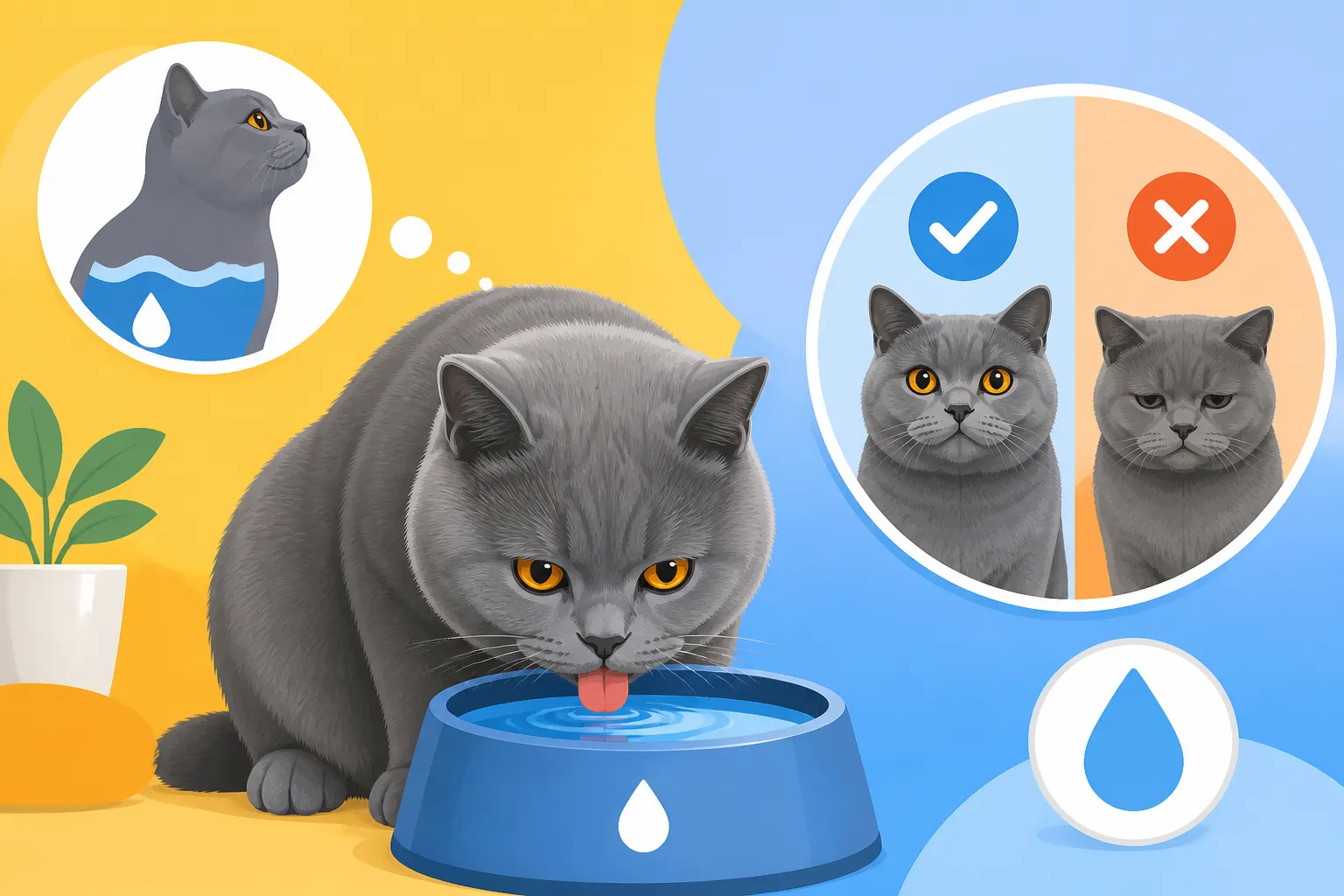
Cats are notoriously particular, and their water bowl is no exception. It might seem like a simple matter, but the type, location, and even the cleanliness of their water source can make a huge difference in how much your British Shorthair chooses to drink. Many cats dislike bowls that are too small, too deep, or that touch their whiskers, a phenomenon known as "whisker fatigue."
Consider the material of the bowl. Plastic bowls can sometimes retain odors or develop tiny scratches where bacteria can harbor, making the water taste unpleasant. Ceramic or stainless steel bowls are generally preferred as they are non-porous, easier to clean, and don't leach chemicals. Ensure the bowl is wide enough for your British Shorthair's broad face and deep enough to hold a good amount of water without their whiskers brushing the sides. You can find a vast selection of these types of bowls on platforms like Amazon or Chewy, making it easy to experiment.
Location also matters immensely. Cats often prefer to drink away from their food bowl, as in nature, a prey animal might contaminate a water source. Try placing water bowls in several different locations around your home – not just next to their food. Consider quiet, low-traffic areas where your British Shorthair feels safe and unthreatened. Some cats also prefer running water, which leads us to water fountains.
Age, Activity Level, and Underlying Health Conditions
Your British Shorthair's age plays a significant role in their hydration needs and habits. Kittens are often more active and may need consistent water access, but their smaller bodies can also dehydrate faster. Adult British Shorthairs, while generally calm, still require a steady supply of water to maintain their health. As they become The Age a British Shorthair Is Considered Senior, typically around 10-12 years, their thirst drive can actually decrease, even as their bodies become more prone to dehydration and conditions like kidney disease. This is a cruel irony that requires extra vigilance from us. Caring for a British Shorthair Past Ten often involves careful monitoring of water intake.
Activity level, though usually low for a British Shorthair, also contributes. A cat that has a rare burst of zoomies or spends time "hunting" a toy will need more water than one who spends the day in a sunbeam. Changes in environment, such as a particularly warm day, will also increase their needs, even if they aren't actively running around. Always provide extra water during heatwaves.
Finally, underlying health conditions can drastically alter a British Shorthair's water requirements. Cats with diabetes or hyperthyroidism, for example, often drink and urinate excessively, a condition known as polydipsia and polyuria. While this isn't a sign of dehydration in the same way, it indicates a serious health issue that requires veterinary intervention. Conversely, cats with kidney disease or certain medications might struggle to retain water, making consistent hydration even more crucial. Any chronic illness can impact a cat's ability to stay hydrated, so regular veterinary check-ups are paramount, and you might even want to ask What a British Shorthair's Yearly Bloodwork Should Cover to catch early signs of issues that affect hydration.
Effective Strategies to Encourage Better Hydration
Now that we understand why hydration is so important and what might be hindering your British Shorthair's drinking habits, let's talk about practical solutions. Getting a cat to do anything they don't want to can feel like a Herculean task, but with water, consistency and a bit of cunning can go a long way. The goal isn't to force them to drink, but to make drinking so appealing and effortless that they do it naturally throughout the day.
Remember that cats are individuals, so don't get discouraged if the first thing you try doesn't yield immediate results. Experiment with different approaches and observe your British Shorthair's reactions. Patience is key, and celebrating small victories in their hydration journey will make you both happier and healthier.
Introducing Water Fountains and Multiple Water Stations
One of the most effective ways to entice a British Shorthair to drink more is by appealing to their natural instincts: many cats are drawn to moving water. In the wild, stagnant water is often unsafe, while flowing water is usually fresh. A cat water fountain mimics this, providing a continuous stream or bubbling source that many cats find irresistible. The sound and movement can pique their curiosity and encourage them to drink more frequently.
When choosing a fountain, consider materials like ceramic or stainless steel, which are easier to clean and prevent unpleasant tastes that plastic can sometimes impart. There are many different designs available on Chewy and Amazon, from bubbling spouts to cascading streams, so you might need to try a couple to see which one your British Shorthair prefers. Ensure it's easy to clean, as regular maintenance is vital to keep the water fresh and prevent bacteria buildup, which can deter even the most enthusiastic drinker.
Beyond fountains, simply increasing the number of water stations around your home can make a significant difference. Place several bowls in different rooms, on different levels (if your British Shorthair ventures upstairs), and away from food bowls and litter boxes. This increases the chances of your cat encountering water naturally throughout their day, rather than having to make a special trip to one specific spot. The more accessible water is, the more likely they are to drink from it. How Much Water a British Shorthair Should Drink is variable, but access to it should never be.
Enhancing Water Appeal with Additives or Ice
Sometimes, plain tap water just isn't exciting enough for our discerning British Shorthairs. You can try making their water more appealing by adding a touch of something flavorful, provided it's safe for cats. A small amount of low-sodium chicken or beef broth (ensure it has no onion or garlic, which are toxic to cats) can transform boring water into a tempting treat. Some owners even use specific cat water flavoring products, available at pet stores. Just a few drops can be enough to encourage them to lap more often.
Another simple trick is to add ice cubes to their water bowl. Many cats are fascinated by ice, whether it's the cold temperature or the novelty of batting it around before drinking. The melting ice also provides a continuous source of fresh, cool water, which can be particularly appealing on a warm day. You can even make "broth cubes" by freezing diluted, cat-safe broth for an extra special hydrating treat.
Consider using filtered water if your tap water has a strong chemical smell or taste, as cats have a much keener sense of smell than we do and might be put off by it. Some British Shorthairs even prefer specific temperatures – some like it cool, others prefer room temperature. Experiment with different options to see what gets your individual cat to drink more. Remember, consistency in providing fresh, appealing water is key to establishing good habits.
Rethinking Their Diet for Increased Moisture
As we discussed, diet plays a colossal role in a cat's overall hydration. If your British Shorthair is currently on a primarily dry kibble diet, the single most impactful change you can make to boost their moisture intake is to incorporate more wet food. This doesn't necessarily mean a complete overhaul if your cat is resistant to change, but even adding one wet meal a day can make a significant difference.
Start by gradually mixing wet food with their dry kibble, slowly increasing the proportion of wet food over several days or weeks. If they're particularly picky, try different brands, textures (pâté, shredded, gravy), and flavors. You can find a huge variety of high-quality wet foods, including prescription diets if recommended by your vet, on sites like Chewy.
For British Shorthairs who are particularly resistant to wet food, you can even add a tablespoon or two of water or cat-safe broth to their dry kibble to soften it and increase the moisture content. Some owners also find success with rehydrated freeze-dried raw food, which absorbs water and offers a palatable, moist meal. The goal is to get as much moisture into their diet as possible, reducing the burden on their natural, lower thirst drive.
When to Consult Your Veterinarian About Water Intake
While implementing the strategies above can greatly improve your British Shorthair's hydration, there are certain situations where observing their drinking habits warrants a call to your veterinarian. As responsible pet parents, it’s crucial to know when to seek professional advice, as changes in water intake can sometimes be the earliest indicators of underlying health problems that require medical attention. Never hesitate to contact your vet if you have concerns; they are your best resource for your cat's health.
It's better to be overly cautious than to let a serious condition go undetected. Remember, British Shorthairs are adept at hiding pain and illness, so a noticeable change in their routine around water is often a significant signal that their body is no longer able to compensate.
Sudden Changes in Drinking Patterns
If you notice a sudden and unexplained change in your British Shorthair's drinking habits, whether it's drinking significantly more or significantly less, it's a definite reason to contact your vet. While increasing water intake might seem like a good thing initially, excessive thirst (polydipsia) can be a symptom of several serious health conditions.
For example, a sudden increase in drinking and urination could indicate conditions like diabetes, kidney disease, or hyperthyroidism. These are metabolic disorders that affect how the body processes fluids and nutrients, and early diagnosis and treatment are crucial for managing them effectively. Similarly, a sudden decrease in drinking, especially if accompanied by lethargy or loss of appetite, could point to pain, nausea, or other acute illnesses that need immediate attention. Signs a British Shorthair Is Unwell are often subtle, and a change in water consumption is one to never ignore.
It’s important to provide your vet with as much detail as possible about the change. When did it start? How much more or less are they drinking? Are there any other symptoms you've observed, like changes in appetite, litter box habits, or energy levels? Even if your cat seems otherwise fine, a rapid shift in their hydration routine warrants a professional opinion.
Persistent Low Intake or Refusal to Drink
While a British Shorthair's naturally low thirst drive can make it challenging to encourage them to drink, a persistent, very low intake despite your best efforts, or an outright refusal to drink for an extended period, is a serious concern. If your cat hasn't consumed any water for 24 hours, even if they're eating wet food, you should contact your vet immediately. Cats can dehydrate quickly, and this can lead to severe health complications.
Refusal to drink could be a sign of nausea, oral pain (such as from Gingivitis in a British Shorthair or tooth resorption), or a generalized feeling of malaise. It could also be a symptom of a deeper, systemic illness. Don't simply assume they'll eventually get thirsty enough. Their health can deteriorate rapidly without adequate fluids, potentially leading to kidney injury or even organ failure if left unaddressed.
Your vet will be able to perform a physical examination, check for signs of dehydration, and potentially run blood tests or urinalysis to get to the bottom of the issue. They might also suggest specific rehydration methods, such as subcutaneous fluids, to stabilize your British Shorthair while they investigate the underlying cause. Trust your instincts here – if you feel something is genuinely wrong with your cat's water intake, act on it.
Associated Symptoms Suggesting a Deeper Issue
Beyond just changes in drinking, if you notice other concerning symptoms alongside altered water intake, it's time for a vet visit. These associated signs can provide crucial clues to diagnosing a potential underlying health problem. For example, if your British Shorthair is drinking more but also losing weight, it could indicate diabetes or hyperthyroidism. If they are drinking less and also lethargic, hiding, or refusing to eat, it might point to kidney problems or other acute illnesses.
Other red flags include vomiting, diarrhea, changes in urination (straining, crying out, or urinating outside the litter box), or a sudden lack of grooming (which can make their dense coats appear Why an Old British Shorthair Looks Unkempt). While British Shorthairs can be prone to Obesity Is the British Shorthair's Real Disease, sudden or unexplained weight loss should also always prompt a vet visit, especially in conjunction with changes in thirst.
Don't try to self-diagnose based on internet searches. Your veterinarian has the expertise and diagnostic tools to accurately assess your British Shorthair's health. They can perform a thorough examination, including blood work and urinalysis, to pinpoint the cause of the symptoms and develop an appropriate treatment plan. Being proactive and seeking veterinary care promptly can make a significant difference in your British Shorthair's prognosis and overall quality of life.
Disclaimer
This article is for general informational purposes only and does not constitute professional advice. Laws, prices and regulations vary by location and change over time. Consult a qualified professional for guidance on your specific situation.