Why a Fat British Shorthair Needs Its Rear Cleaned
It's a scene many British Shorthair owners know all too well, though few openly discuss it: you notice your otherwise pristine, dignified feline friend has a bit of a mess around their rear end. It’s unsightly, it’s smelly, and it’s definitely not like them. This isn't just a minor oversight; for an overweight British Shorthair, a dirty rear is a clear signal that their weight is directly impacting their ability to groom themselves, leading to discomfort, potential health issues, and a situation that absolutely requires your intervention. This guide will walk you through why this happens and what you can do about it.
The Unseen Struggle: Why Obesity Affects British Shorthair Grooming
Many British Shorthair owners adore their cats for their plush, teddy bear appearance, but sometimes that adorable chubbiness crosses into unhealthy territory. One of the most common, yet often un-talked about, consequences of an overweight British Shorthair is the struggle with self-grooming, especially around their hindquarters. It’s not just about aesthetics; it's a real health and comfort issue that owners often find themselves grappling with, wondering why their once meticulous cat has let standards slip.
The British Shorthair's Unique Physique and Dense Coat
Our beloved British Shorthairs are naturally cobby, meaning they have a stocky, muscular build with a broad chest and a short, thick neck. This solid frame, combined with their incredibly dense, plush double coat, is part of what makes them so appealing. Their fur stands away from their body, giving them that signature round look, but this density also means it can be harder for them to reach certain areas. You might notice their coat feels particularly thick and resilient; sometimes it's even described as Why a British Shorthair's Coat Is Called Crisp. When they are at a healthy weight, their flexibility is usually sufficient to navigate this physical architecture and keep themselves spotless.
However, this unique physique, while charming, can quickly become a hindrance with added weight. Imagine trying to bend and twist with a heavy backpack strapped to your middle – it's going to restrict your movement, right? For a British Shorthair, that extra padding around their midsection and hindquarters makes an already challenging grooming task almost impossible. Their short, sturdy legs and round bodies just aren't designed for extreme acrobatics, and any additional bulk significantly reduces their reach and agility. Even a little bit of extra padding can create a substantial obstacle.
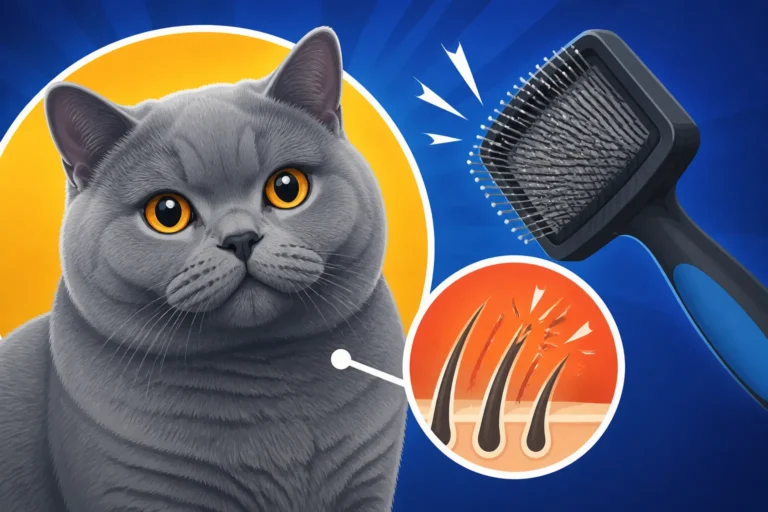
Furthermore, their luxurious, dense undercoat, which keeps them warm and cozy, also means that any trapped debris can become quite matted and stubborn. This isn't like a sleek, fine-haired cat where dirt might just fall off. The British Shorthair’s coat holds onto things, and if they can’t properly groom it, problems quickly compound. The density of their fur means that once something gets stuck, it's really stuck, and can quickly become a much larger problem.
How Excess Weight Impedes Proper Self-Grooming
When a British Shorthair carries too much weight, their body essentially becomes an obstacle course for their own grooming efforts. The excess fat around their belly, hips, and tail base creates a literal barrier. They simply cannot twist and contort their bodies enough to reach their anus, perineum, and the underside of their tail. It's a physical limitation, not a sign that they've suddenly become lazy or unkempt by choice. They want to be clean; they just can't physically achieve it.
Think about a time you might have struggled to reach your own lower back after a strenuous workout or with a bit of a tummy ache – that's a small glimpse into your cat's daily reality. Their spine isn't as flexible, and their legs, while strong, aren't long enough to compensate for the added girth. This leads to them performing incomplete grooming, focusing on areas they can reach, like their chest and front paws, while neglecting the critical rear end. This issue is precisely why many overweight British Shorthairs end up with Why an Overweight British Shorthair Cannot Groom Its Back. They might make valiant efforts, twisting themselves into odd positions, but ultimately, they just can't get to those critical spots.
This lack of effective self-cleaning isn't just cosmetic. It creates a breeding ground for bacteria and can lead to truly uncomfortable and painful conditions. As an owner, it can be heartbreaking to see your usually pristine cat looking disheveled and potentially suffering due to a problem that started with a few extra pounds. It's a cruel irony that the very thing we love about their appearance – their roundness – can become the source of their distress.
The Silent Struggle of the Overweight Cat
Cats are masters of hiding discomfort and illness, and an overweight British Shorthair struggling with rear hygiene is no exception. They won't usually vocalize their frustration or pain directly. Instead, you might notice subtle signs: perhaps they spend less time attempting to groom, they might appear agitated or uncomfortable after using the litter box, or you might even catch them trying to scoot across the floor – a clear sign they're trying to relieve irritation. This "scooting" is a desperate attempt to clean themselves or relieve an itch, and it's a big red flag that something is wrong.
This silent struggle means it's entirely up to us as their guardians to recognize the problem and step in. It's easy to dismiss a little bit of mess as just part of having a cat, but with a British Shorthair, especially an overweight one, it's often a symptom of a deeper physical inability. Understanding that they want to be clean but can't is the first step toward empathy and effective intervention. It's not a moral failing on their part, but a physical one, demanding our help and understanding. They are relying on you to be their eyes and hands where they simply cannot reach.
The Unpleasant Realities and Health Hazards of Poor Rear Hygiene
Ignoring the issue of a British Shorthair's uncleaned rear is not an option for their well-being. It quickly escalates from an aesthetic problem to a serious health concern, impacting their comfort, dignity, and overall quality of life. The consequences can range from mild irritation to severe infections, all of which are entirely preventable with proper care.
Skin Irritation, Inflammation, and Infections
When fecal matter, urine, or other debris constantly accumulates around a cat's anus and perineum, it creates a moist, warm environment that is ideal for bacterial growth. This constant contact with irritants can lead to a host of skin problems. You might first notice redness, irritation, or a strong odor. The skin might become inflamed and itchy, which is medically known as dermatitis. This condition is intensely uncomfortable for your cat, making them restless and miserable.
If left untreated, these irritated areas can become infected. Bacteria from feces can easily enter compromised skin, leading to painful skin infections, abscesses, or even yeast infections. These conditions often require veterinary intervention, including antibiotics, anti-inflammatory medications, and topical treatments. Imagine having an unhealed wound constantly exposed to waste – it's a truly miserable experience, and our cats suffer it in silence. Regular cleaning isn't just about cleanliness; it's about protecting their delicate skin from breakdown and infection and preventing a minor annoyance from turning into a serious medical issue.
Dingleberries and Fecal Matter Buildup
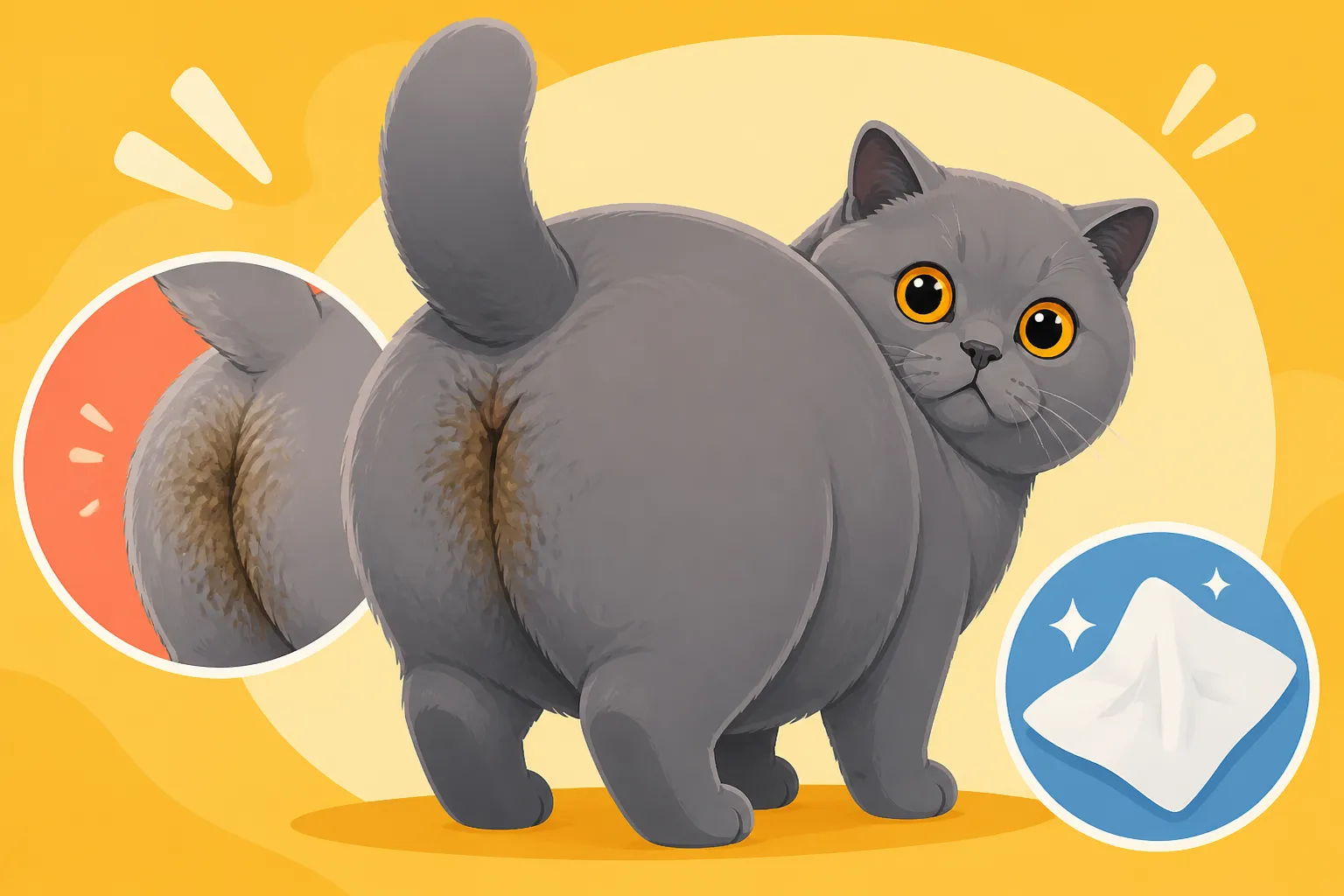
This is probably the most commonly observed and most visually unsettling consequence of poor rear hygiene: the infamous "dingleberries." These are hardened pieces of fecal matter that cling to the fur around the anus and under the tail. For a British Shorthair with a dense, longish coat around its hindquarters, these can become quite substantial and form large, uncomfortable clumps.
Not only are these extremely unsightly and smelly, but they are also deeply uncomfortable for the cat. They can pull on the skin, causing pain and irritation with every movement. They can also create a physical blockage, making it difficult for the cat to defecate properly, leading to straining and potential constipation. In severe cases, a large mass of fecal matter can completely occlude the anus, preventing bowel movements altogether – a medical emergency that can become life-threatening. Moreover, these sticky, matted clumps are perfect hiding spots for parasites like fleas or even maggots if the cat spends any time outdoors or if the problem is severe and goes unnoticed. This is why addressing these promptly and preventing their recurrence is absolutely vital for your cat's health and comfort.
Urinary Tract Issues and Persistent Odor
Beyond fecal matter, poor grooming in the rear can also contribute to urinary issues. If urine frequently soaks into the fur around the urethra, it can lead to skin irritation and infections, similar to what happens with fecal matter. This dampness, combined with bacterial presence, creates an environment where bacteria can more easily migrate into the urinary tract. In female cats, this can be particularly problematic, as their anatomy makes them more susceptible to ascending bacterial infections into the urinary tract. While not a direct cause, chronic dampness and bacterial presence in the surrounding fur can certainly be a contributing factor to urinary tract infections (UTIs).
And, of course, there's the pervasive, unpleasant odor. A cat that cannot keep its rear clean will inevitably carry a strong, offensive smell. This isn't just unpleasant for you; it's also unnatural for the cat. Cats are fastidiously clean animals by nature, and being unable to maintain their hygiene can cause them significant stress and anxiety. The smell can permeate their bedding, your furniture, and even the air in your home, indicating a persistent problem that needs immediate attention. Nobody wants a smelly British Shorthair, and more importantly, no British Shorthair wants to be smelly. A persistent smell is a clear sign that your cat needs help with their personal care.
Practical Steps for Keeping Your British Shorthair's Rear Clean
Once you've identified that your overweight British Shorthair is struggling with rear hygiene, it's time to take action. This isn't a problem that will resolve itself. It requires your gentle, consistent intervention. Approach this with patience and kindness, remembering that your cat isn't doing this on purpose.
Gentle Cleaning Techniques and Appropriate Tools
First things first, gather your supplies. You'll need soft, disposable cloths or cotton pads, lukewarm water, and possibly a mild, cat-safe cleansing solution recommended by your vet. Some owners find pet-specific wipes, available from places like Chewy or Amazon, to be very convenient for quick clean-ups. Always avoid human baby wipes as they can contain ingredients harmful or irritating to cats, such as alcohol or strong fragrances. You might also need blunt-tipped scissors if there are severe mats or dingleberries, but proceed with extreme caution.
Here's how to approach the cleaning process safely and effectively:
- Preparation is Key: Find a calm, quiet space where both you and your cat can feel secure. You might need assistance from another person to gently hold your cat, especially if they are initially resistant or prone to squirming. Talk to your cat in a soothing voice throughout the process to keep them as relaxed as possible. Have all your supplies within easy reach before you begin.
- Assess the Situation: Gently lift their tail to get a clear view of the affected area. Take a moment to see the extent of the issue. Be very careful and observant. If you see signs of severe irritation, open wounds, pus, excessive swelling, or maggots, stop immediately and contact your vet. These require professional medical attention.
- Remove Large Debris: If there are large, hardened fecal clumps (dingleberries), you might need to carefully trim them away with blunt-tipped scissors. Crucially, never cut close to the skin. Always slide a comb between the skin and the mat, or gently pull the mat away from the body before cutting, ensuring you only cut the matted fur. It's safer to leave a bit of fur on the clump than to risk nicking your cat's delicate skin.
- Wipe Gently: Dampen a soft cloth or cotton pad with lukewarm water or the vet-approved solution. Gently wipe the soiled areas, always moving away from the anus. Be thorough but gentle. Avoid scrubbing, which can cause further irritation to already sensitive skin. Use a fresh cloth or side of the cotton pad for each wipe to prevent spreading bacteria and re-soiling the area.
- Dry Thoroughly: This step is often overlooked but is crucial for preventing further skin issues. Excess moisture can lead to damp dermatitis or fungal infections. Gently pat the area completely dry with a clean, soft towel. If your cat tolerates it, you can use a hairdryer on a cool setting, held far away, but most cats won't appreciate the noise and sensation, so use your best judgment.
Remember, patience is paramount. If your cat becomes overly stressed or agitated, take a break and try again later. Forcing the issue will only make future cleanings more difficult. Positive reinforcement with treats and praise can also help your cat associate the cleaning process with something pleasant.
The Importance of a Regular Cleaning Routine
One-off cleaning might fix an immediate mess, but it won't prevent future issues if your British Shorthair remains overweight and unable to groom effectively. A regular cleaning routine is absolutely essential to maintain their hygiene and comfort. Depending on the severity of the problem and how quickly buildup occurs, this might mean a quick check and wipe daily, or every few days. The consistent goal is to prevent buildup from occurring in the first place, rather than waiting for a substantial problem to develop.
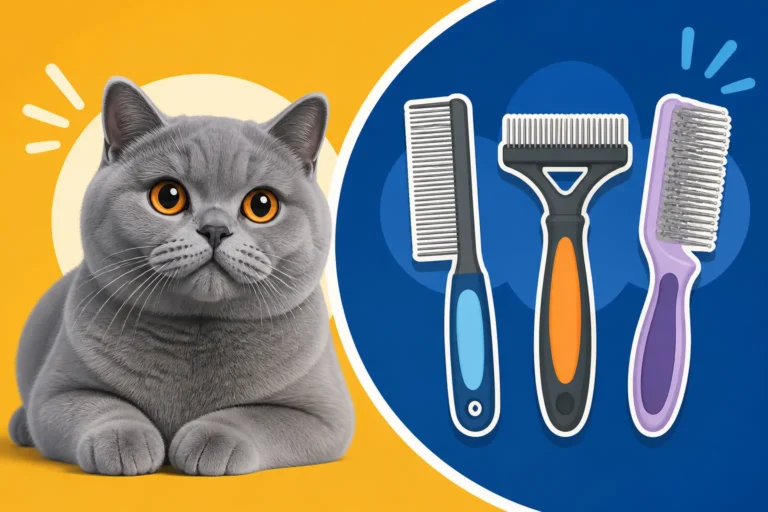
Consider incorporating this into a broader grooming routine. While British Shorthairs don't typically need frequent bathing, targeted cleaning of the rear can become a necessary part of their care. You might also find that brushing their hindquarters with a wide-toothed comb (like those found on Amazon) helps to keep the fur tangle-free, making it harder for debris to stick. This routine will not only keep your cat cleaner and more comfortable but will also allow you to regularly inspect their skin for any early signs of irritation or infection, allowing for prompt intervention.
Consistency builds trust. The more accustomed your cat becomes to your gentle handling of their rear, the less stressful the process will be for both of you. It becomes a predictable, if not entirely enjoyable, part of their day.
Seeking Veterinary Assistance for Severe Cases
There are times when cleaning at home just isn't enough, or when the situation has escalated beyond what you can comfortably manage. If your cat is in pain, aggressive when touched, has open sores, severe mats that you can't safely remove, or any signs of infection (like pus, extreme redness, or swelling), it's time to call your veterinarian immediately.
Your vet can safely sedate your cat if necessary to perform a thorough sanitary clip, removing all matted and soiled fur without causing undue stress or injury. They can also provide appropriate medical treatment for any skin infections, prescribing antibiotics or anti-inflammatory medications. Don't feel guilty about seeking professional help; it's a responsible part of pet ownership, and your vet has seen it all. They can also offer guidance on the best cleaning products and techniques specific to your cat's needs. Sometimes, a professional groomer who specializes in cats might also be an option for a sanitary trim, but always ensure they are experienced with the specific challenges of British Shorthairs and their temperament, and that your vet gives the go-ahead, especially if there are skin issues.
Addressing the Root Cause: Weight Management for Your British Shorthair
While manual cleaning is a necessary immediate solution, it's crucial to remember that it's treating a symptom, not the root cause. The real solution to recurring rear hygiene issues in an otherwise healthy British Shorthair is weight loss. Obesity Is the British Shorthair's Real Disease, and it affects so much more than just grooming habits, impacting their joints, organs, and overall lifespan.
Recognizing the Signs of Obesity in Your British Shorthair
It can be hard to admit your beloved pet is overweight, especially with British Shorthairs who are naturally substantial. Their dense coat can also mask excess pounds, making them appear "chunky" rather than truly fat. However, recognizing obesity is the first critical step toward helping them. You might want to refer to resources like How to Tell a Chunky British Shorthair From a Fat One or What a Healthy British Shorthair Weighs on the Scale for guidance.
Key signs to look for include:
- Inability to feel ribs: You should be able to easily feel your cat's ribs without pressing hard, feeling them like the knuckles on your hand. If you have to dig through a layer of fat, they're overweight.
- Loss of a visible waist: When viewed from above, your British Shorthair should have a slight indentation behind their ribs, indicating a waist. If they look like a solid cylinder from head to tail, they're too heavy.
- Pendulous abdomen: An obvious "belly pouch" that swings when they walk, often referred to as a primordial pouch, can be normal to some extent. However, an excessively large one or one that is firm with fat is a red flag.
- Difficulty grooming: As discussed, this is a major indicator, especially around the rear, back, and between the hind legs. This is one of the clearest Signs a British Shorthair Is Overweight.
- Reduced activity: Overweight cats often become less playful, sleep more, and are generally less enthusiastic about moving or jumping. They might struggle to How to Get a British Shorthair to Move or even jump onto furniture.
- Heavy breathing: Even with minimal exertion, an overweight cat might breathe heavily or pant, indicating strain on their respiratory system.
A veterinarian can perform a proper body condition score (BCS) and give you an objective assessment, which is invaluable. They can accurately determine how much weight your cat needs to lose.
Strategies for Healthy Weight Loss
Putting a British Shorthair on a diet requires patience, consistency, and a carefully planned approach. Crash dieting can be incredibly dangerous for cats, leading to a serious liver condition called hepatic lipidosis, which can be fatal. Slow and steady wins the race when it comes to feline weight loss. For a full guide, check out How to Put a British Shorthair on a Diet.
- Consult Your Vet: Always start with a veterinary check-up. Your vet can rule out any underlying medical conditions contributing to weight gain and help you determine a target weight and a safe, appropriate calorie intake. They can also advise on appropriate prescription weight-loss foods.
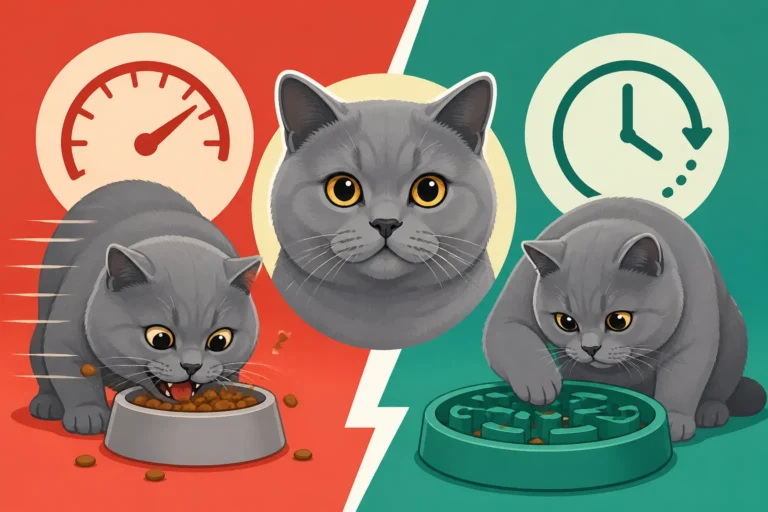
- Portion Control, Not Free Feeding: This is paramount for British Shorthairs, who are often enthusiastic eaters and prone to overeating if food is constantly available. Portion Control Is the Whole Job With a British Shorthair. Measure out their food precisely according to your vet's recommendations. Split their daily allowance into multiple small meals (e.g., two to three times a day) rather than leaving food out all the time. Automatic feeders can be helpful for consistency, especially those with portion control settings.
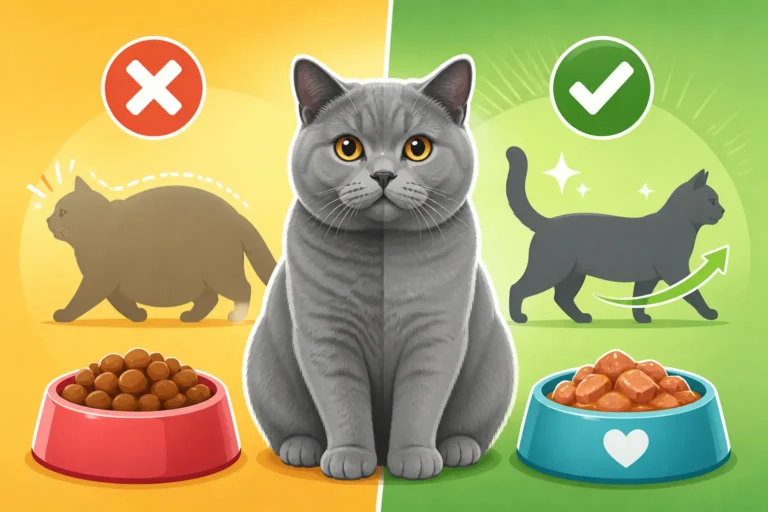
- High-Protein, Moderate-Fat, Low-Carbohydrate Diet: Many vets recommend a high-quality canned (wet) food for weight loss, as it's typically lower in calories per serving and higher in moisture, which helps with satiety. If using dry food, ensure it's a prescription weight-loss diet or a high-quality, vet-approved formula. Brands like Royal Canin, Purina Pro Plan, and Hill's Science Diet all offer excellent veterinary diet options, often available through your vet or online retailers like Chewy or Amazon.
- Increase Activity (Gently): British Shorthairs are not known for their athleticism, but even small increases in activity can make a difference. Encourage play sessions with wand toys, laser pointers (but always end with a physical toy for satisfaction), or puzzle feeders. Aim for several short play sessions throughout the day rather than one long, exhausting one. Even five minutes of active play several times a day adds up and helps burn calories while building muscle.
- Limit Treats: Treats are often calorie bombs. If you must give treats, choose low-calorie, healthy options (like small pieces of cooked chicken) and factor them into their daily calorie allowance. Treats should never exceed 10% of their daily calories.
Long-Term Maintenance and Lifestyle Changes
Weight loss is only half the battle; maintaining a healthy weight is the long-term goal. Once your British Shorthair reaches their ideal weight, you'll need to adjust their food intake to a maintenance level, still meticulously portion-controlled. Regular weigh-ins at home, and yearly check-ups with your vet, will help you monitor their progress and catch any creeping weight gain early. Consistency is key here.
Think about the bigger picture: a healthy weight reduces the risk of many other serious health issues, including Diabetes in a British Shorthair, What Obesity Does to a British Shorthair's Joints (which can cause painful arthritis), and even certain types of cancer. It also directly improves their quality of life, allowing them to groom themselves, move more freely, and enjoy their golden years with greater comfort and mobility. It's an investment in their health and happiness that pays dividends for years to come. Providing them with an appropriate Which Litter Box Size a British Shorthair Needs or even a Why a Heavy British Shorthair Needs a Low Sided Box can also make a huge difference in their ability to access and use their litter facilities comfortably, further improving hygiene and reducing stress.
It's a journey, not a destination, but one that is absolutely worth undertaking for the well-being of your cherished British Shorthair. Your dedication to their weight management will ensure they can live a cleaner, healthier, and happier life.
Disclaimer
This article is for general informational purposes only and does not constitute professional advice. Laws, prices and regulations vary by location and change over time. Consult a qualified professional for guidance on your specific situation.