Whether a Puzzle Feeder Slows a British Shorthair
It's a familiar scenario for many British Shorthair owners: you put down a bowl of kibble, turn around for a moment, and poof it's gone. Our charmingly chunky companions, with their endearing round faces and plush coats, often have an equally endearing (or perhaps, alarming) love for their food. This enthusiasm can quickly lead to them gulping down meals at lightning speed, which, as many of us have experienced, often results in them feeling hungry again too soon, or worse, regurgitating their meal. The question then becomes, how do we slow down this rapid consumption without turning mealtime into a battle? This comprehensive guide will delve into whether puzzle feeders are a truly effective solution for encouraging slower eating habits and providing much-needed mental stimulation for your beloved British Shorthair.
The British Shorthair's Relationship with Food: Why Slower is Better
Let's face it, our British Shorthairs aren't exactly known for their Olympic athleticism. They are calm, collected, and generally prefer a good nap over a rigorous chase. This makes their eating habits even more critical to their overall health. When they eat too fast, it's not just a minor inconvenience; it can lead to a host of problems that impact their well-being.
The Gulp-and-Go Tendency
Many British Shorthairs exhibit what I lovingly call the "gulp-and-go" tendency. Instead of savoring each bite, they approach their food bowl like a competitive eater, inhaling their meal with minimal chewing. This isn't usually out of hunger (though they'll happily convince you it is!), but rather a natural instinct that can be exacerbated by boredom or a routine that doesn't challenge them during mealtime. When a cat eats this quickly, they swallow a lot of air along with their food, which can lead to indigestion, burping, or even vomiting. You might walk into the room to find a pile of undigested kibble, and your British Shorthair looking at you as if you're the one who made the mistake. It’s frustrating for both of you, not to mention a messy cleanup! This rapid ingestion also means their brain doesn't have enough time to register that their stomach is filling up, leaving them feeling unsatisfied even after they've consumed a perfectly adequate amount of food. This cycle can then lead them to beg for more food sooner, setting the stage for overeating.
The Silent Threat of Obesity in British Shorthairs
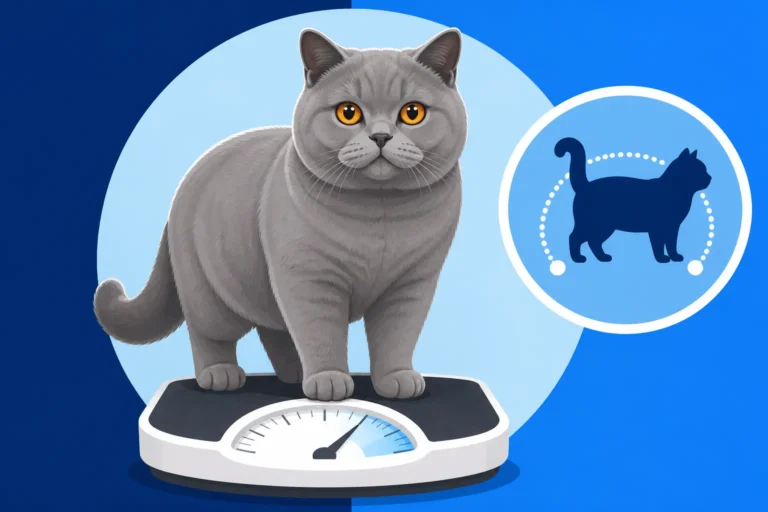
This fast-eating habit is a direct pipeline to one of the most common and silent threats to a British Shorthair's health: obesity. Our British Shorthairs are naturally built to be sturdy and substantial, with a cobby body and dense, plush coat that can cleverly mask extra pounds. It’s easy to look at a British Shorthair and think they’re just "big-boned" or "fluffy" when in reality, they might be carrying more weight than is healthy. This is why it's so important to be aware of Why a British Shorthair Gains Weight So Easily. Their generally lower activity levels, combined with a hearty appetite, create the perfect storm for weight gain. An overweight British Shorthair is at a significantly higher risk for a range of health issues, from joint problems and reduced mobility to more serious conditions like diabetes and heart disease. If you're wondering if your British Shorthair is too fluffy or genuinely overweight, keep an eye out for Signs a British Shorthair Is Overweight, such as difficulty grooming their back or a lack of a discernible waist. Catching it early can make all the difference in preventing long-term complications, like What Obesity Does to a British Shorthair's Joints.
Beyond Just Eating: The Need for Mental Engagement
While they may appear to be the epitome of feline tranquility, British Shorthairs still possess innate instincts that need to be satisfied, including the urge to hunt and forage. In a typical home environment, with food served in an open bowl, these instincts often go unaddressed. A British Shorthair might spend their days napping, gazing out the window, and then quickly devouring their meal, leaving little room for mental stimulation. This lack of engagement can lead to boredom, which, in some cats, manifests as destructive behavior, while in our more sedate British Shorthairs, it might just mean more napping and less activity, compounding any weight issues. Even if your British Shorthair seems perfectly content being a couch potato, engaging their minds can significantly improve their overall quality of life. Think about it – if you're struggling with Getting a Low Energy British Shorthair to Move, mental stimulation can be just as important as physical exercise in keeping them healthy and happy.
How Puzzle Feeders Work Their Magic for British Shorthairs
This is where puzzle feeders truly shine. They're not just fancy bowls; they're tools designed to transform mealtime into an engaging, natural experience that addresses many of the challenges British Shorthair owners face.
The Mechanism of Slowing Down
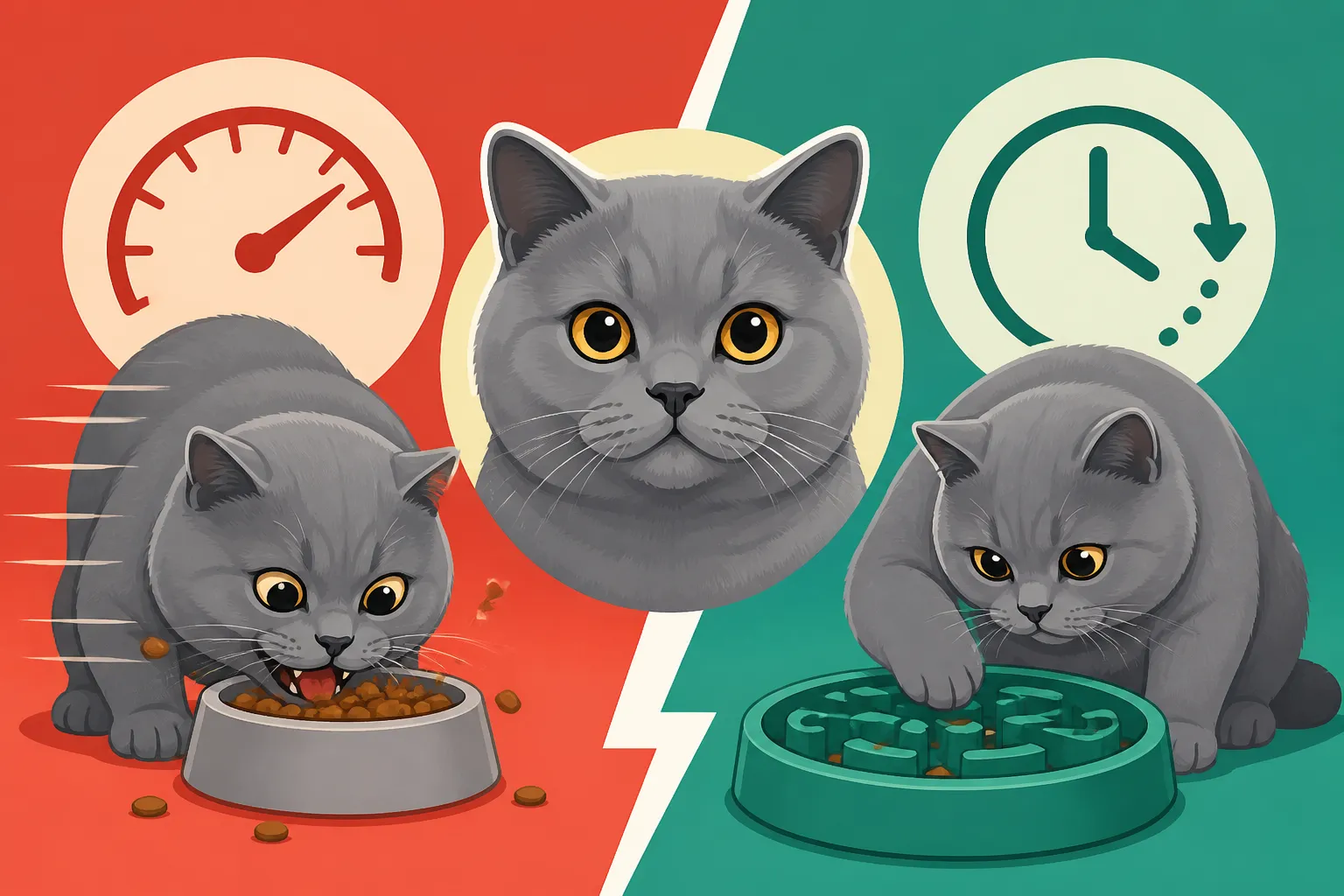
The primary function of any puzzle feeder is to make food less accessible, thereby forcing your cat to work for each bite. Instead of a wide-open trough, puzzle feeders present obstacles, mazes, and compartments that require physical interaction. Imagine a simple slow-feed bowl with raised ridges or bumps. Your British Shorthair can't just dive in and scoop up a mouthful; they have to navigate their tongue or paw around the barriers to get to the kibble. This small action significantly increases the time it takes to consume their meal. More complex feeders might involve rolling a ball, batting at a dispenser, or pulling food out of a tube. Each of these actions breaks up the feeding process into smaller, more deliberate efforts. This isn't about frustration; it's about making them engage with their food, much like they would if they were hunting a small prey animal. This measured approach gives their digestive system a chance to process the food more effectively and, crucially, allows their brain to catch up with their stomach, registering a feeling of fullness.
Turning Mealtime into a Hunt: Enrichment Benefits
Beyond just slowing down, puzzle feeders brilliantly tap into a cat's inherent foraging instincts. Domestic cats, even the most pampered British Shorthairs, are wired to hunt. In the wild, obtaining food is a process that involves searching, stalking, and capturing. When we simply present food in a bowl, we strip away this entire, satisfying behavioral sequence. Puzzle feeders restore a semblance of this natural "hunt." They transform the mundane act of eating into a stimulating activity. Your cat has to strategize, problem-solve, and exert effort to earn their meal. This mental workout can be incredibly enriching, reducing boredom and promoting a sense of accomplishment. For a British Shorthair who might not be inclined to intense physical Play for a British Shorthair That Would Rather Not, a puzzle feeder offers a perfect blend of mental and gentle physical activity. It encourages them to use their paws and minds in a constructive way, mimicking the natural behaviors that are so vital to their psychological well-being.
The Link to Weight Management and Satiety
One of the most powerful benefits of puzzle feeders for British Shorthairs is their profound impact on weight management and satiety. As we discussed, rapid eating often means a cat finishes their meal before their brain registers fullness. This can lead to them feeling hungry again very quickly, prompting them to beg for more food. By significantly slowing down the eating process, puzzle feeders allow time for the satiety signals to travel from the stomach to the brain. This means your British Shorthair will feel more satisfied with a smaller, appropriate portion, making it easier to stick to a calorie-controlled diet if needed. Instead of seeing their meal disappear in a minute, they spend 10, 15, or even 20 minutes actively engaging with their food. This extended mealtime helps trick their brain into feeling fuller for longer, which is absolutely crucial for managing their weight effectively. If you're practicing portion control, which is the whole job with a British Shorthair who will literally eat whatever you put down, a puzzle feeder can be your secret weapon. It supports healthier eating habits and makes the transition to a diet, if necessary, much smoother.
Choosing and Introducing the Right Puzzle Feeder for Your British Shorthair
So, you're convinced puzzle feeders are a good idea. Fantastic! But with so many options out there, how do you pick the right one, and more importantly, how do you convince your discerning British Shorthair to actually use it? Patience and understanding are key here.
Types of Puzzle Feeders: A British Shorthair Perspective
Considering the British Shorthair's generally calm demeanor and substantial build, certain types of puzzle feeders will be more effective and less frustrating for them. You want something that encourages engagement without being overly complex at first, allowing them to use their powerful paws and clever minds.
- Simple Slow-Feed Bowls: These are excellent starting points. They look like regular bowls but have ridges, bumps, or intricate patterns in the bottom that break up the food and prevent gulping. They don't require much "puzzle-solving" but effectively slow down eating. Many varieties are available on platforms like Chewy or Amazon. Look for ones with a wide, stable base so your British Shorthair can't easily tip it over.
- Real-life scenario: My friend Sarah's British Shorthair, Winston, was a notorious gobbler. She started with a basic slow-feed bowl from Amazon. It wasn't a "puzzle" in the traditional sense, but the raised bumps meant he couldn't just bury his face in the food. The first few meals were a bit clumsy, but within a week, he was much more deliberate, and the post-meal regurgitation stopped entirely.
- Treat Balls or Kibble Dispensers: These are spherical or irregularly shaped toys that dispense kibble as your cat bats them around. They encourage gentle physical activity and mental engagement. The size of the opening can usually be adjusted to control the difficulty. These are wonderful for encouraging How Much Play a British Shorthair Needs without requiring high-energy bursts.
- Real-life scenario: Luna, a British Shorthair belonging to a colleague, was notoriously lazy. Her owner found a treat ball on Chewy. At first, Luna just sniffed it, but once a few pieces of her favorite kibble tumbled out with a gentle nudge, her curiosity was piqued. Now, she bats it around the living room a few times a day, turning her meal into a mini-game.
- Maze or Tower Feeders: These feeders typically involve multiple levels or channels where food is placed, requiring your cat to use their paws to scoop or bat the kibble down to an accessible tray. They offer a higher level of challenge and sustained engagement.
- Real-life scenario: My British Shorthair, Earl, is quite clever but needed something more engaging after mastering a simple treat ball. I introduced a multi-level maze feeder. He initially stared at it, but after I demonstrated by nudging a few pieces down, he quickly learned to use his big paws to "fish" out his breakfast. It takes him a good 15 minutes to finish now, whereas before it was about 30 seconds.
- DIY Options: Don't want to invest right away? You can create simple puzzle feeders using household items. A muffin tin with a few kibbles in each cup, or even an empty toilet paper roll with kibble inside and the ends folded, can provide an initial challenge.
Here's a quick comparison of popular puzzle feeder types for British Shorthairs:
| Puzzle Feeder Type | Difficulty Level | Engagement Type | Pros | Cons | Ideal For |
|---|---|---|---|---|---|
| Slow-Feed Bowl | Easy | Tongue/Paw Navigation | Simple, easy to clean, stable, great for beginners. | Minimal mental challenge beyond slowing eating. | Gulping cats, first-time users, those needing basic slowing down. |
| Treat Ball/Dispenser | Easy to Medium | Batting, Rolling | Encourages gentle movement, adjustable difficulty, engaging. | Can be noisy, some cats may ignore it if not motivated. | Slightly more active British Shorthairs, boredom reduction. |
| Maze/Tower Feeder | Medium | Pawing, Scooping | Higher mental challenge, sustained engagement, can hold more food. | Can be frustrating for timid cats initially, larger footprint. | British Shorthairs who master simpler feeders, intelligent cats. |
| Automatic Microchip Feeder | N/A | Portion Control | Ensures only designated cat eats, perfect for multi-cat households. | Not a "puzzle" for slowing down, but for controlled access. | Multi-cat homes, managing specific diets |
Note: While a microchip feeder isn't a puzzle feeder, it's worth mentioning for British Shorthair owners in multi-cat households or those needing strict portion control, as explored in Whether a Microchip Feeder Works in a British Shorthair House. It perfectly complements the use of a puzzle feeder by ensuring only the intended cat gets their food.
Gradual Introduction is Key: Patience with Your Plush Companion
British Shorthairs are creatures of habit and can be famously resistant to change. Introducing a puzzle feeder requires patience and a gradual approach. Don't just swap their regular bowl for a challenging feeder and expect them to embrace it immediately. That's a recipe for frustration for both of you, and they might just decide to go on a hunger strike!
- Start Easy: Begin with the simplest puzzle feeder you have, or even just a regular bowl placed on a towel with some kibble sprinkled around it, forcing them to sniff it out. For a slow-feed bowl, just put their regular meal in it. For a treat ball or maze feeder, make it ridiculously easy at first. Use high-value, irresistible treats or their favorite kibble. Leave the opening on a treat ball wide open so food tumbles out with the slightest touch, or place food in the most accessible parts of a maze feeder.
- Real-life scenario: When I first tried to introduce a puzzle feeder to my elderly British Shorthair, he just sat there, looking bewildered. I started by putting just a few pieces of his absolute favorite freeze-dried chicken treats in the feeder, right on top where they were easy to get. Once he realized there was something tasty to be had, he was more willing to investigate.
- Mix and Match: For the first few days, you might want to offer a small portion of their meal in the puzzle feeder and the rest in their regular bowl. This ensures they still get enough to eat while slowly acclimating to the new method. Gradually increase the amount of food in the puzzle feeder as they gain confidence.
- Positive Reinforcement: Celebrate every little interaction with the feeder! If they bat it, paw at it, or even just sniff it, offer verbal praise. Never scold them if they seem confused or ignore it. The goal is to create a positive association with the puzzle feeder.
- No Pressure: Place the feeder in a quiet, low-traffic area where your British Shorthair feels safe and unobserved. Give them space to explore it on their own terms. Some cats might investigate immediately, while others might take days or even weeks. Remember, our British Shorthairs can be quite stubborn, and forcing them will only backfire. This careful approach can also help if you're working on Whether a British Shorthair Will Diet Willingly, as they're more likely to accept a new feeding routine if it's introduced gently.
Monitoring Progress and Adjusting
Once your British Shorthair starts using the puzzle feeder, it's crucial to monitor their progress. Observe how quickly they eat, if they seem frustrated, and whether they're consuming all their food.
- Watch for Frustration: If your cat consistently ignores the feeder, or shows signs of stress (like excessive meowing, pacing, or outright refusing to eat from it), the feeder might be too difficult. Revert to an easier setting or a simpler feeder. The goal is engagement, not starvation!
- Adjust Difficulty: As your British Shorthair masters one level, you can gradually increase the difficulty. Close the treat ball opening a little, add more obstacles to a maze, or introduce a new, slightly more challenging feeder. The idea is to keep it interesting without making it impossible.
- Check Food Intake: Ensure they are still eating enough. If they're leaving significant amounts of food in the feeder regularly, they might not be getting enough calories. Always make sure How Many Calories a British Shorthair Needs is being met. You may need to temporarily revert to an easier feeder or offer a supplemental small meal in their regular bowl until they adapt fully. Regular check-ups at the vet, including weighing your cat, can help track their overall health and confirm they are maintaining a healthy What a British Shorthair Should Weigh at Two Years.
Maximizing the Benefits and Long-Term Engagement
Puzzle feeders are fantastic, but they work best when integrated into a broader strategy for your British Shorthair's health and happiness. It's not a set-it-and-forget-it solution; rather, it's an ongoing tool that requires a little thought and variation.
Integrating Puzzle Feeders into a Holistic Diet Plan
A puzzle feeder is a powerful ally in the fight against feline obesity, especially for our British Shorthairs, but it’s just one piece of the puzzle. It should be part of a holistic diet plan that includes portion control, appropriate food choices, and regular body condition monitoring. If your British Shorthair has been free-fed in the past, transitioning to scheduled, portion-controlled meals in a puzzle feeder is a game-changer. Free feeding, as you might know, Why Free Feeding Ruins a British Shorthair by making it impossible to accurately track caloric intake and often leading to overconsumption.
Consider the quality of food you're offering as well. High-quality, species-appropriate food can make a big difference in satiety and overall health. Some owners opt for fresh food options with tailored meal plans that can be portioned precisely. For kibble eaters, many reputable brands available on Chewy or Amazon offer weight management formulas that, when paired with a puzzle feeder, can significantly help your cat reach and maintain a healthy weight. Regular veterinary check-ups are vital to ensure your British Shorthair isn't developing any diet-related issues, such as Whether an Overweight British Shorthair Gets Diabetes. Your vet can also guide you on the best type and quantity of food for your specific cat's needs.
Keeping it Fresh: Rotating and Varying the Challenge
Even the cleverest British Shorthair can get bored with the same puzzle feeder day in and day out. Once they've mastered a particular feeder, the novelty and challenge can wear off, reducing its effectiveness as an enrichment tool. To maintain engagement and prevent them from becoming too efficient (and thus, fast) at solving it, you need to keep things fresh!
Consider having a few different types of puzzle feeders and rotating them throughout the week. One day it might be a treat ball, the next a maze feeder, and perhaps a slow-feed bowl for an evening meal. You can also vary the difficulty settings on adjustable feeders. For instance, start with a wider opening on the treat ball, and once they're proficient, reduce the opening slightly. This keeps their mind active and prevents them from simply going through the motions. This approach directly addresses the question of Whether a Puzzle Feeder Motivates a British Shorthair – yes, it does, but only if the motivation is consistently renewed! A varied approach ensures that every meal remains a stimulating experience, encouraging continuous learning and engagement.
Not a Solo Act: Combining with Other Enrichment
While puzzle feeders are magnificent tools, they shouldn't be the only source of enrichment for your British Shorthair. Think of them as part of a well-rounded lifestyle that caters to all their needs. Combine puzzle feeding with other forms of play and mental stimulation to create a truly enriching environment.
Schedule dedicated playtime with interactive toys like wand toys or laser pointers (used carefully to avoid frustration). Even though British Shorthairs are generally calm, short bursts of interactive play can be very beneficial for their physical health and mood. Encourage climbing and exploring by providing sturdy cat trees or window perches. Many British Shorthairs appreciate a good vantage point, even if they don't scale it like an acrobat. Consider rotating toys to prevent boredom and introducing new scents or textures for sensory enrichment. Remember that their world is primarily indoors, so it's up to us to make that world as stimulating and engaging as possible. A healthy British Shorthair is one that is both physically exercised (even gently) and mentally stimulated, and puzzle feeders are a fantastic way to contribute to that balance.
In conclusion, puzzle feeders are far more than just a passing trend; they are an incredibly valuable tool for British Shorthair owners. They directly address the common issue of rapid eating, which can lead to digestive upset and, more critically, obesity – a widespread concern for this wonderful breed. By transforming mealtime into an engaging mental and gentle physical activity, puzzle feeders not only slow down consumption but also provide crucial enrichment, tapping into your cat's natural instincts. With a patient introduction, careful selection, and consistent variation, these ingenious devices can significantly contribute to a healthier, happier, and more engaged British Shorthair, ensuring they truly savor their meals and lead a more fulfilling life.
Disclaimer
This article is for general informational purposes only and does not constitute professional advice. Laws, prices and regulations vary by location and change over time. Consult a qualified professional for guidance on your specific situation.