Whether a Covered Box Suits a British Shorthair
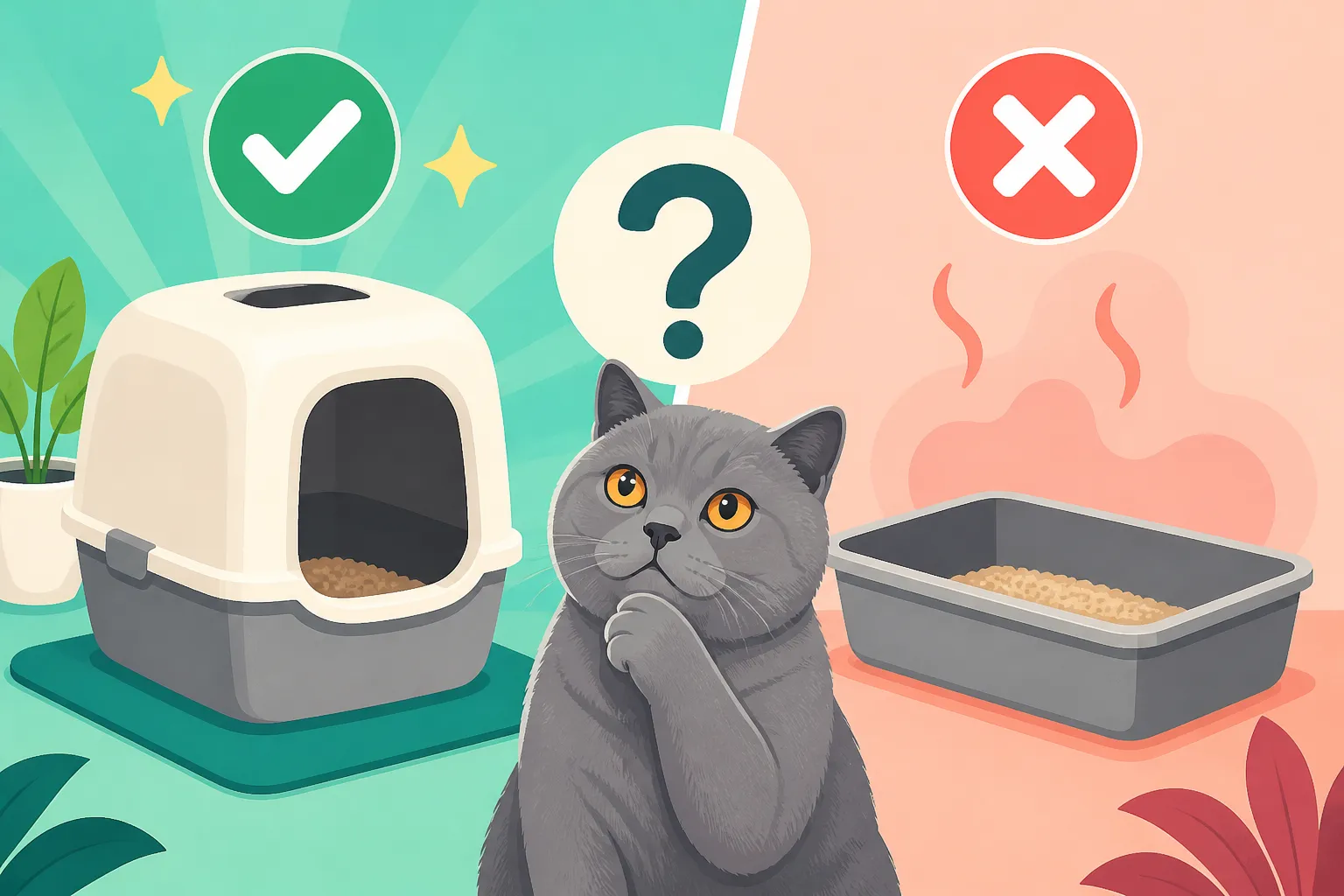
As devoted British Shorthair guardians, we often strive to create the most comfortable and private environment for our beloved felines. This desire sometimes leads us to covered litter boxes, thinking they offer a secluded sanctuary and better odor control. However, for a cat with the unique physique and specific needs of a British Shorthair, a covered litter box can often create more problems than it solves, leading to discomfort, stress, and even inappropriate elimination. This guide will delve into why open litter boxes are generally a much better fit for your plush, round companion.
The British Shorthair's Unique Physique and Space Needs
Before we even get into the nitty-gritty of litter box preferences, it's essential to understand the magnificent creature that is the British Shorthair. These aren't your average, slender domestic cats. They are robust, substantial, and wonderfully cobby, and their physical attributes directly impact their comfort and satisfaction with their litter box setup. Ignoring these unique traits can inadvertently lead to issues that leave both you and your feline friend frustrated.
Understanding Their Cobby Build and Size
British Shorthairs are renowned for their distinct, cobby build. This isn't just a fancy way of saying they're big; it refers to their broad chest, sturdy frame, and powerful, compact body. When fully grown, a male British Shorthair can weigh significantly more than many other breeds, often reaching impressive sizes. Think of them as the teddy bears of the cat world, but with serious muscle and bone beneath that plush coat. This means they require ample space to move, turn around, and position themselves comfortably. A standard covered litter box, designed for a more petite or average-sized cat, often becomes a cramped, claustrophobic cubicle for a British Shorthair.
Imagine trying to navigate a small phone booth in a bulky winter coat; that's often how a British Shorthair feels inside a typical covered box. They need room to walk in, pivot, find the perfect spot, dig, do their business, and then turn around to cover it up, all without rubbing against the sides or ceiling. When a box is too small, they might awkwardly hang half out of the opening, or worse, decide that relieving themselves outside the box is simply a more dignified and comfortable option. This isn't them being spiteful; it's a direct result of their physical needs not being met. Understanding What a British Shorthair Weighs and How Big It Gets is crucial here, as it directly impacts their litter box requirements.
The Importance of Easy Access and Maneuverability
Beyond just the overall size, the ease of access and maneuverability within the litter box are paramount for a British Shorthair. Their short, sturdy legs are built for power and stability, not for agile leaps into tight spaces. A covered box, especially one with a high lip or a restrictive entry, can pose a physical challenge. As they age, or if they carry a little extra weight (which, let's be honest, many British Shorthairs are prone to!), these challenges only become more pronounced. Arthritis can make high steps painful, and their broad body makes squeezing through small openings awkward.
Consider an older British Shorthair with a bit of stiffness, a common issue as they get into their senior years. Having to crouch low to enter a small opening, or twist their body unnaturally to turn around inside, can be genuinely uncomfortable or even painful. They might hesitate to use the box as frequently as they should, leading to holding their bladder or bowels, which can contribute to urinary tract issues or constipation. You want a litter box that invites them in, not one that feels like an obstacle course. Easy entry and sufficient room to shift positions are non-negotiable for their long-term health and happiness.
Why Their Plush Coat Matters for Litter Box Hygiene
The British Shorthair's coat is a thing of beauty – dense, plush, and wonderfully soft, almost like velvet. This unique coat, however, also presents a specific consideration when it comes to litter boxes. Their fur tends to stand away from their body, creating a luxuriant, thick layer. While this is fantastic for petting, it also means that litter can more easily cling to their fur, especially around their hindquarters, if they don't have enough room to maneuver and squat cleanly.
In a cramped covered box, a British Shorthair is more likely to brush against the sides or the lid as they enter, exit, or turn around, potentially picking up stray litter or even urine/feces residue if the box isn't impeccably clean. This can lead to litter tracking far beyond the box and, more concerningly, can lead to their fur becoming soiled. Most cats are fastidious groomers, but an overweight British Shorthair might struggle to groom their back or hindquarters effectively, exacerbating the problem. A soiled coat is not only unhygienic but can also be irritating to their skin, and in extreme cases, could lead to skin infections. An open, spacious box allows for cleaner entry and exit, minimizing contact with soiled surfaces and making it easier for their glorious coat to remain pristine. What a British Shorthair's Coat Is Like definitely plays a role in litter selection and box style.
Why Covered Boxes Can Be Problematic for British Shorthairs
While the intention behind choosing a covered litter box is often good – wanting to reduce odor or provide privacy – the reality for many British Shorthairs is that these enclosures present significant disadvantages. It's not just about aesthetics for us; it's about comfort, hygiene, and ultimately, encouraging healthy litter box habits for them.
Restricting Space and Comfort
The most immediate and often overlooked issue with covered litter boxes for British Shorthairs is the severe restriction of space. As we've discussed, these are substantial cats, and a standard covered box can feel like a tiny closet. Imagine going to the restroom and having to squeeze into a cubicle where your head touches the ceiling and your knees hit the door. It’s hardly a relaxing experience, right? Your British Shorthair feels much the same.
In a small, enclosed space, a large cat might struggle to perform natural digging motions, leading to them not covering their waste properly. They might also find it difficult to maintain a comfortable squatting position without their body pressing against the sides or top. This discomfort can lead to "hovering" over their waste, or even eliminating standing up, which can result in urine spraying the inside of the lid or sides, and then dripping down. Not only is this messy, but it also creates an unsanitary environment for future visits. The lack of headroom and lateral space can make the entire process stressful rather than a natural, instinctual act. This cramped feeling can discourage them from using the box consistently, potentially leading to accidents elsewhere in the home, which is a frustration nobody wants.
Trapping Odors and Ammonia
One of the primary reasons owners opt for covered litter boxes is for odor control. The idea is that the lid will trap unpleasant smells inside, keeping your home fresher. However, for the cat actually using the box, this often creates a far more noxious environment. Covered boxes, by their very design, trap odors, ammonia, and moisture inside, turning what should be a relief station into a stinky, suffocating chamber.
Cats have incredibly sensitive noses, far more acute than ours. While we might appreciate the smell being contained, our British Shorthair experiences a concentrated blast of ammonia every time they enter. This is deeply unpleasant and can be a significant deterrent. Ammonia fumes are not just smelly; they can also be irritating to a cat's respiratory system and eyes. A cat's natural instinct is to seek out a clean, fresh place to eliminate, and a covered box that quickly becomes a foul-smelling pit will be actively avoided. This trapped odor, combined with poor ventilation, transforms the box into an unappealing, unhealthy space that your British Shorthair might choose to forgo entirely, particularly if they are already a bit finicky about cleanliness.
Hindering Ventilation and Hygiene
The lack of proper ventilation in a covered litter box goes hand-in-hand with the issue of trapped odors. Without airflow, moisture and ammonia build up rapidly, fostering an environment that is less hygienic and potentially less healthy for your cat. This becomes particularly problematic if you're not scooping multiple times a day, which, let's face it, isn't always feasible for busy households.
Imagine a humid bathroom that never gets aired out; mold and mildew thrive. Similarly, a poorly ventilated litter box can become a breeding ground for bacteria. For a British Shorthair, who might already struggle with certain health issues like Urinary Problems in a British Shorthair, maintaining impeccable litter box hygiene is crucial. A consistently damp or ammonia-rich environment can be a contributing factor to reluctance to use the box, leading to stress-related urinary issues. Furthermore, the trapped moisture can make clumping litter less effective, creating a sticky mess that is harder to clean and more likely to cling to your cat's fur. This cycle of poor hygiene can quickly turn a covered box into a source of stress and aversion for your meticulous British Shorthair.
The Ideal Litter Box Setup for Your British Shorthair
So, if covered boxes are generally a no-go, what does make for a great litter box experience for your British Shorthair? It really comes down to providing ample space, easy access, and a clean, fresh environment. Think big, open, and accessible – these are the golden rules.
Opting for Open and Large Designs
The absolute best option for a British Shorthair is a large, open litter box. Forget the restrictive lids and small entryways. Your goal is to provide a spacious arena where they can move freely, dig enthusiastically, and eliminate comfortably. When we say "large," we often mean larger than what might seem necessary for a typical house cat. Look for boxes designed for "large cats" or even "multiple cats." These typically offer a much greater surface area and higher sides without a restrictive lid.
Many owners find success with large storage bins (often found at big box stores or online retailers like Amazon and Chewy) that they modify by cutting a low entry point on one side. This DIY approach allows you to customize the height of the entry, making it perfect for cats of all ages and mobility levels, including older British Shorthairs who might have Arthritis in an Older British Shorthair. A good rule of thumb is that the box should be at least 1.5 times the length of your cat from nose to the base of their tail, allowing them to comfortably turn around without touching the ends. An open top ensures excellent air circulation, immediately addressing the odor and ventilation problems inherent in covered designs.
Considering Entry Height and Surface Area
Beyond the general "large and open" directive, pay close attention to the entry height and the actual surface area of the litter within the box. While higher sides are generally good for containing kicked litter (and trust me, British Shorthairs can be enthusiastic diggers!), the entry point itself needs to be low enough for easy access. A low entry helps prevent straining joints or causing discomfort, especially if your cat is less agile or has some extra fluff around the middle, which can make high steps cumbersome.
For younger, sprightlier cats, a higher side might not be an issue, but as they age, even a few inches can become a significant hurdle. A box with an entryway that's only a few inches off the ground is ideal. Furthermore, the sheer surface area where the litter sits is crucial. This provides enough space for them to instinctively seek out a clean patch for each use. Cats prefer not to step on old waste, and a large, wide area means they have options, even if you can't scoop immediately after every visit. Think about the specific needs discussed in Which Litter Box Size a British Shorthair Needs to guide your selection.
Strategic Placement and Multiple Boxes
The type of litter box is only half the battle; where you place it and how many you have are equally important. For a British Shorthair, like most cats, the general rule is to have one litter box per cat, plus one extra, spread out in different, accessible locations throughout your home. This prevents one cat from monopolizing a box, and ensures that if one box becomes unappealing (or a cat is surprised by a loud noise while using it), there's always an alternative.
Placement should be in quiet, easily accessible areas where your cat won't feel cornered or startled. Avoid high-traffic zones, loud appliances, or cramped closets. Your British Shorthair values calm and predictability. If a box is tucked away in a dark, noisy corner, they might avoid it. Consider placing boxes on different levels of your home if you have multiple floors, ensuring easy access no matter where your cat happens to be. You'll also want to consider how much litter a low activity British Shorthair gets through, as their digging habits are important for litter choice and maintenance.
Common Misconceptions About Litter Boxes and British Shorthairs
It’s easy to fall for common myths about what cats want or need in a litter box. Often, these myths stem from human preferences rather than actual feline psychology or physiology. Dispelling these can help you create a truly cat-centric environment.
The Myth of Cat Privacy
Many cat owners assume that covered litter boxes provide privacy, which cats supposedly crave. This is a very human way of thinking about elimination. For cats, however, privacy often means something entirely different. While they do appreciate a quiet, undisturbed location, an enclosed box can feel like a trap. In the wild, a cat would never choose to eliminate in a space where they couldn't see potential threats approaching from all angles. Being enclosed limits their line of sight, making them feel vulnerable and unable to escape quickly if necessary.
Think of it from their perspective: entering a dark, enclosed space with only one small exit. If another pet or a child were to approach, they would feel trapped. This instinctual fear can lead to stress and avoidance. An open litter box, placed in a quiet corner, actually offers a better sense of security because your British Shorthair can keep an eye on their surroundings and feel confident they can make a swift exit if needed. True "privacy" for a cat is feeling safe and unthreatened, not being hidden away in a small box.
Odor Control Versus Cat Comfort
As discussed earlier, odor control is often the driving force behind choosing a covered box. While it's certainly pleasant for us to minimize unpleasant smells, this goal should never override your cat's comfort and health. The strong concentration of odors inside a covered box is far more intense for your cat's sensitive nose than it is for ours, even if we smell it too. Compromising their comfort and potentially their health for our convenience regarding smell is a trade-off that rarely works out well in the long run.
Instead of relying on a lid to trap odors, focus on the fundamentals of good litter box hygiene. This means scooping at least once, ideally twice, daily. Change the entire litter content and clean the box thoroughly with unscented soap and water weekly. Using a high-quality, absorbent, and odor-controlling litter can also make a huge difference. You can find excellent options for large open litter boxes and suitable litter on sites like Chewy or Amazon. Remember, a British Shorthair's low activity level might mean less frequent litter disruption, but regular scooping is still paramount to prevent odor buildup. Prioritizing consistent cleaning in an open box will result in a much healthier and happier environment for your British Shorthair than relying on a covered box to hide smells.
Here’s a quick comparison to help you visualize the differences:
| Feature | Covered Litter Box | Open Litter Box |
|---|---|---|
| Space for Cat | Often cramped, restrictive, hard to maneuver. | Ample room to turn, dig, and squat comfortably. |
| Ventilation | Poor, traps odors, ammonia, and moisture. | Excellent, allows odors to dissipate. |
| Odor Control (Human) | Appears to contain odors, but concentrates them. | Requires diligent scooping, but no concentrated fumes. |
| Odor Control (Cat) | Unpleasant, irritating, can deter use. | Fresher, more appealing, encourages proper use. |
| Ease of Access | Can be challenging, especially for large/old cats. | Easy entry and exit for all cats. |
| Hygiene | Can foster bacteria, litter sticks to cat's fur. | Easier to keep clean, less fur contact. |
| Sense of Security | Can feel like a trap, limits visibility. | Provides good visibility, reduces vulnerability. |
| Cleaning for Owner | Can be awkward to scoop and clean thoroughly. | Simple to scoop, easy to wash out completely. |
When considering What a British Shorthair Costs to Buy in 2026 and the lifetime care involved, investing in the right litter box from the start is a small but significant step towards a healthy, happy cat. Ultimately, for a British Shorthair, an open, spacious, and well-maintained litter box is almost always the superior choice. It caters to their unique physical needs, respects their natural instincts, and promotes both their comfort and their overall well-being. Don't be swayed by human preferences for aesthetics or perceived privacy; listen to what your British Shorthair truly needs to thrive.
Disclaimer
This article is for general informational purposes only and does not constitute professional advice. Laws, prices and regulations vary by location and change over time. Consult a qualified professional for guidance on your specific situation.