Why a Type B British Shorthair Queen Kills Type A Kittens
It's absolutely heartbreaking to welcome a new litter of British Shorthair kittens, only to find some of them inexplicably fading away in their first few days. This devastating scenario, often silent and sudden, can leave even experienced breeders feeling utterly helpless and confused. This guide is here to shed light on a critical, yet often misunderstood, genetic incompatibility involving blood types that can lead to this tragedy, known as neonatal isoerythrolysis, specifically when a Type B British Shorthair queen is bred to a tom that produces Type A kittens.
Understanding Feline Blood Types in British Shorthairs
Before we delve into the complexities of why certain kittens are at risk, it's essential to grasp the basics of feline blood types, especially as they pertain to our beloved British Shorthairs. This isn't just a quirky genetic trait; it's a fundamental aspect of their physiology that can have life-or-death consequences.
The ABO System and British Shorthairs
Just like humans, cats have different blood types, though their system is a bit simpler, primarily revolving around the ABO blood group system. In cats, there are three main blood types: Type A, Type B, and Type AB. Type A is the most common blood type in the general feline population, but here's where British Shorthairs stand out. Many British Shorthairs are actually Type B, making this breed particularly susceptible to certain blood-related issues that might not be as prevalent in other breeds. This genetic predisposition to Type B blood is a crucial piece of the puzzle when we talk about kitten mortality. Research suggests that a significant percentage of British Shorthairs carry the gene for Type B, which means that breeders and owners need to be extra vigilant. You might wonder, How Many British Shorthairs Are Blood Type B? It's a higher percentage than you might expect, certainly enough to warrant routine testing.
Understanding the genetics behind these blood types is pretty straightforward. The A allele is dominant over the b allele. A cat with two A alleles (A/A) or one A and one b allele (A/b) will have Type A blood. A cat will only have Type B blood if it inherits two b alleles (b/b). Type AB is rare and is thought to be an expression of both A and B, where the AB allele is dominant over b but recessive to A. For our discussion, the key takeaway is that a Type B cat (b/b) carries only the b allele and will pass it on to all its offspring.
What makes Type B cats so unique and, in this context, potentially problematic, is their immune system. Unlike Type A cats, which have naturally occurring, weak anti-B antibodies (meaning they'll react mildly if given Type B blood), Type B cats possess extremely strong, naturally occurring anti-A antibodies. This means their immune system is primed to aggressively attack and destroy Type A red blood cells. This powerful antibody response is the root cause of the neonatal isoerythrolysis we're discussing, and it's What Blood Type B Means in a British Shorthair in practical terms.
The Importance of Blood Typing Your British Shorthair
Now, you might be thinking, "My British Shorthair is a pet, not a breeding cat, so why does this matter to me?" The truth is, knowing your cat's blood type is incredibly valuable for all owners, not just breeders. While the most critical application is undoubtedly in breeding to prevent the tragic loss of kittens, blood typing has other vital uses, primarily concerning veterinary care and emergencies.
Imagine a scenario where your beloved British Shorthair suffers a sudden injury or illness requiring a blood transfusion. Without knowing their blood type beforehand, precious time can be lost while the veterinary team scrambles to type your cat and find a compatible donor. If a Type A cat is given Type B blood, or vice versa, it can lead to a severe and potentially fatal transfusion reaction. The strong anti-A antibodies in a Type B cat would launch an immediate, aggressive attack on any Type A blood transfused, leading to a hemolytic crisis. Therefore, having this information readily available can be a lifesaver in an emergency. It truly highlights Whether a Pet British Shorthair Needs Blood Typing.
For breeders, blood typing is not just important; it's an absolute necessity. It's a foundational step in responsible breeding practices, akin to screening for genetic diseases like HCM or PKD. By knowing the blood types of both the queen and the tom, breeders can make informed decisions about breeding pairs to ensure the safety and survival of their future litters. Ignoring this crucial step can lead to devastating consequences, not only for the kittens but also for the emotional well-being of the breeder. It's an investment that prevents unimaginable heartbreak.
How a British Shorthair Is Blood Typed
Getting your British Shorthair blood typed is a relatively simple and straightforward process, and thankfully, it’s not particularly invasive. There are a couple of common methods used, both providing accurate results, and understanding them can help you feel more comfortable about having your cat tested.
The most common method often employed by veterinarians in-clinic is a quick card or gel test. A small blood sample is taken from your cat, usually from a leg vein. This blood is then mixed with reagents on a special card or gel cassette designed to detect the presence of A and B antigens. The results are typically available within minutes, making it a fast way to get immediate answers, which is especially useful in emergency situations or right before a planned breeding. The cost of these tests can vary depending on your veterinary clinic and location, but generally, it's a manageable expense for the peace of mind it provides. If you're wondering What a British Shorthair Blood Type Test Costs, it's typically a fraction of the cost of treating an unwell kitten.
Another highly accurate method, often preferred by breeders for its reliability and for genetic record-keeping, is a DNA test. For this, a blood sample or even a cheek swab can be sent to a specialized veterinary genetics laboratory. These labs analyze the cat's DNA to determine the genetic markers associated with the A and b alleles. The results from DNA testing are definitive and can indicate not only the cat's phenotype (the blood type it expresses) but also its genotype (the actual genetic makeup, such as A/A, A/b, or b/b), which is incredibly useful for predicting the blood types of offspring. While results take a bit longer to receive compared to in-clinic tests, the comprehensive genetic information is invaluable for long-term breeding strategies.
The Mechanics of Neonatal Isoerythrolysis (NI)
Neonatal isoerythrolysis, or NI, is a truly heartbreaking condition where a mother cat's antibodies attack and destroy her own kittens' red blood cells. It's a silent killer, often striking before an owner even realizes something is wrong. Understanding the precise mechanics behind it is crucial for preventing this tragedy.
How a Type B Queen Develops Antibodies
The key to understanding NI lies in the unique immune system of Type B cats. As mentioned earlier, Type B British Shorthairs naturally possess very strong, pre-formed antibodies against Type A red blood cells, even if they've never been exposed to Type A blood before. This isn't something they develop after an exposure, like with vaccines; it's an inherent part of their biology. These antibodies are called anti-A antibodies.
These potent anti-A antibodies are a double-edged sword. While they offer robust protection against Type A blood in the event of a transfusion (ensuring a Type B cat can only receive Type B blood safely), they become a deadly threat to incompatible kittens. When a Type B queen (b/b) mates with a tom that carries the Type A gene (A/A or A/b), there's a strong possibility that some of her kittens will inherit the Type A blood type. This is where the danger truly begins.
The queen's body, designed to be highly efficient, concentrates these anti-A antibodies in her colostrum. Colostrum is that vital "first milk" produced by the mother immediately after birth, packed with antibodies and nutrients that give newborns their initial immune protection. It's literally nature's perfect defense mechanism for kittens, but in this specific scenario, it becomes the delivery vehicle for a deadly attack.
The Role of Colostrum in NI
Colostrum is absolutely critical for the survival and initial health of newborn kittens. In the first 24-48 hours after birth, a kitten's intestinal lining is "open," meaning it can absorb large, intact antibody molecules directly into its bloodstream. This passive transfer of immunity from the queen is how kittens get their initial protection against common pathogens. It’s Why the First Day of Colostrum Matters to a British Shorthair so immensely. However, in the case of NI, this natural process tragically backfires.
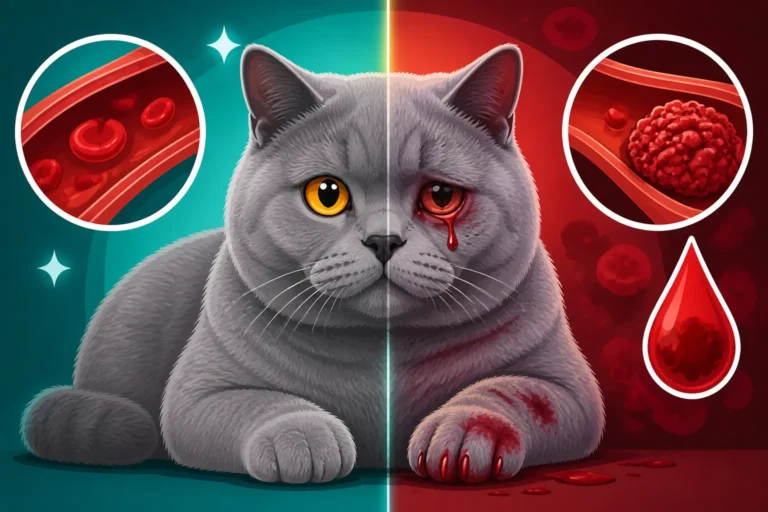
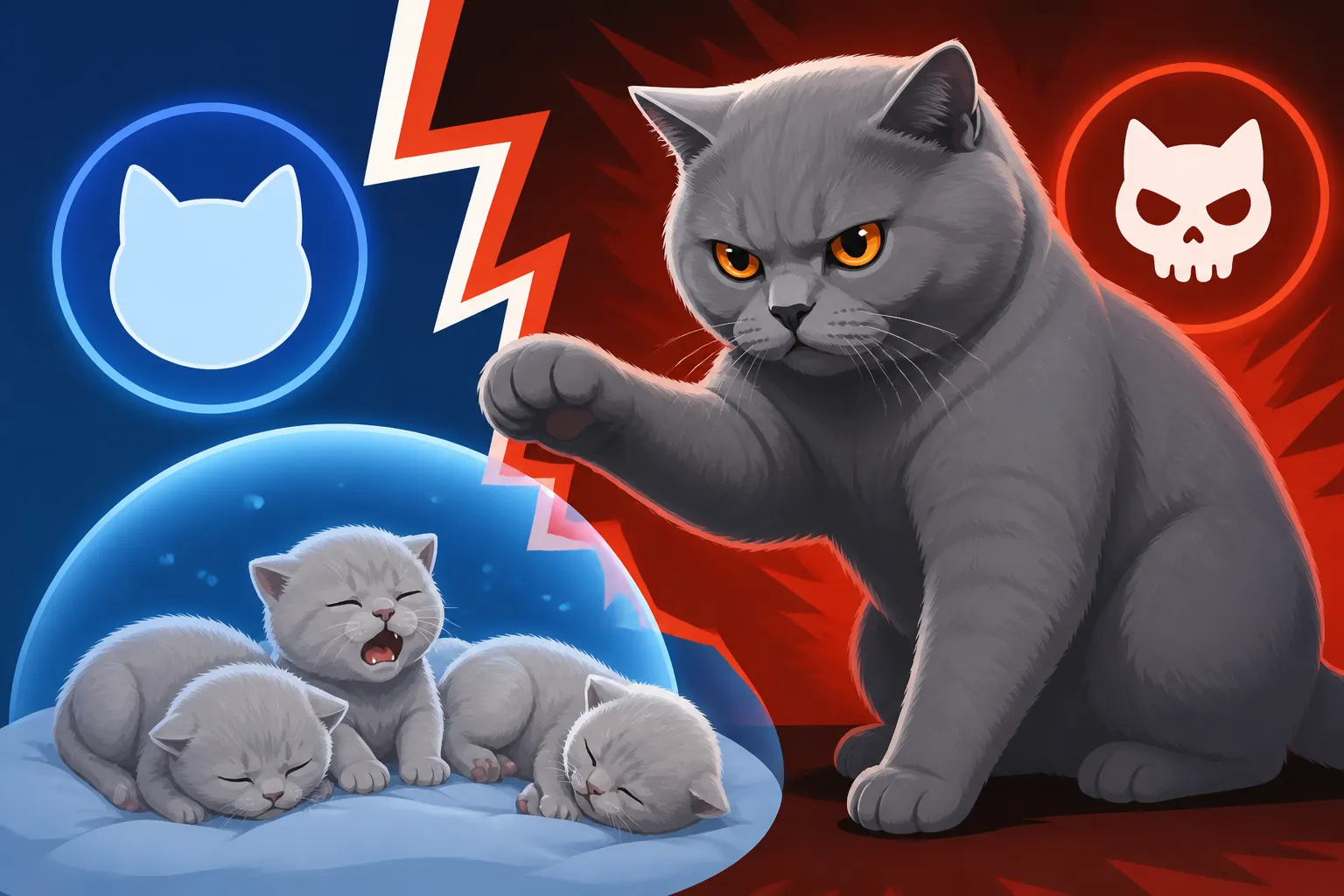
If a Type B queen nurses Type A kittens, her colostrum, brimming with those potent anti-A antibodies, gets absorbed directly into the kittens' circulation. Once these antibodies enter the Type A kittens' bloodstream, they immediately recognize the Type A red blood cells as foreign invaders. A fierce immunological reaction ensues, leading to the rapid destruction of the kittens' red blood cells. This process is called hemolysis.
The kittens essentially become severely anemic, as their red blood cells, which carry oxygen throughout the body, are systematically destroyed. This leads to a cascade of debilitating symptoms, often resulting in death. The rapid onset and severity of this reaction mean that interventions often come too late, highlighting the importance of prevention. The critical window for absorption is short, typically closing after 24-48 hours, but the damage inflicted during that time is often irreversible.
Why Type A Kittens Are at Risk
The risk to Type A kittens from a Type B queen arises entirely from the specific genetic pairing of the parents. A Type B queen, having a genotype of b/b, can only pass on the b allele to her offspring. If she mates with a Type A tom (A/A), all the kittens will inherit an A allele from the father and a b allele from the mother, making them all Type A (A/b). In this scenario, every single kitten in the litter is at risk.
If the Type B queen (b/b) mates with a Type A tom who is heterozygous (A/b), meaning he carries both the A and b alleles, the litter will be mixed. Statistically, half the kittens would inherit the A allele from the father (becoming A/b, or Type A) and half would inherit the b allele (becoming b/b, or Type B). Only the Type A kittens in this litter would be at risk of NI. The Type B kittens would be safe, as their red blood cells are compatible with the mother's antibodies.
What this boils down to is a genetic mismatch. The queen's immune system is programmed to attack what her Type A kittens possess. It's a cruel irony of nature where the very mechanism designed to protect the young instead harms them. This is precisely Which British Shorthair Pairing Causes Neonatal Isoerythrolysis, and it underscores the non-negotiable need for blood typing all potential breeding cats. This isn't just about feline genetics; it's about responsible care and ensuring the well-being of every precious life brought into the world.
Recognizing and Preventing Neonatal Isoerythrolysis
Dealing with neonatal isoerythrolysis is one of the toughest challenges for a British Shorthair breeder or even an accidental litter. The key is truly in prevention, but recognizing the signs early can sometimes make a difference.
Signs a Newborn British Shorthair Kitten Is Fading
The signs of neonatal isoerythrolysis can be subtle at first, often mistaken for "fading kitten syndrome" from other causes, which adds to the difficulty in diagnosis and intervention. Typically, symptoms appear within the first few hours or days of life, precisely when the kittens are absorbing the colostrum. It's important to remember that these kittens often appear perfectly healthy at birth, full of vigor and nursing well, which makes their sudden decline all the more devastating.
One of the earliest and most common signs is a general weakness and lethargy. Affected kittens may become less active, struggle to compete for nipples, and their suckling reflex might weaken. They might also appear pale, especially in their mucous membranes (gums, inside of ears) due to the severe anemia caused by red blood cell destruction. This pallor can progress to jaundice, a yellowish tint to the skin, gums, and whites of the eyes, as their liver struggles to process the breakdown products of the destroyed red blood cells. Dark, reddish-brown urine is another alarming symptom, indicating the presence of hemoglobin from the ruptured red blood cells. Sadly, without intervention, these kittens often succumb to the condition, passing away suddenly, usually within the first 2-3 days of life. Knowing Signs a Newborn British Shorthair Kitten Is Fading can prompt immediate action, though time is incredibly short.
Some kittens might show milder signs if they ingested less colostrum or if the antibody levels were lower. These kittens might survive but often suffer from long-term health issues related to anemia or kidney damage. It's a truly insidious condition because of its rapid onset and the fact that the mother cat herself, the source of life and nourishment, is unknowingly the cause of the problem. This is What Neonatal Isoerythrolysis Does to a British Shorthair Kitten in its most tragic form.
Breeding Practices to Avoid NI
The absolute best way to manage neonatal isoerythrolysis is to prevent it from happening in the first place. This means that responsible British Shorthair breeders must blood type their breeding cats. There's simply no acceptable excuse not to. The knowledge gained from blood typing empowers breeders to make informed decisions about breeding pairs, eliminating the risk entirely.
Here's the golden rule: Never breed a Type B queen to a Type A or Type AB tom. This pairing is a guaranteed recipe for disaster, as it will inevitably produce Type A kittens that will absorb the queen's deadly anti-A antibodies. Instead, a Type B queen should only be bred to a Type B tom. In this scenario, all offspring will inherit the b allele from both parents, making them all Type B (b/b), and thus completely safe from NI.
If you have a Type A queen, the risks are minimal. A Type A queen can be safely bred to a Type A, Type B, or Type AB tom. Even if she has Type B kittens, her weak anti-B antibodies pose no threat to them. For those considering breeding, always confirm the blood types of both parents before making any mating plans. This proactive step is arguably one of the most critical responsibilities a British Shorthair breeder has, and it's certainly part of What a British Shorthair Breeder Should Have Tested.
| Queen's Blood Type | Tom's Blood Type | Kitten Blood Types Possible | Risk of Neonatal Isoerythrolysis | Responsible Breeding Action |
|---|---|---|---|---|
| Type B | Type A | Type A | HIGH (100% of kittens) | AVOID THIS MATING |
| Type B | Type A/b | 50% Type A, 50% Type B | HIGH (50% of kittens) | AVOID THIS MATING |
| Type B | Type B | Type B | NONE | SAFE MATING |
| Type A | Type A | Type A | None | Safe Mating |
| Type A | Type B | Type A | None | Safe Mating |
| Type A | Type A/b | Type A | None | Safe Mating |
| Type AB | Any | Varies | Check Specifics | Consult Vet/Geneticist |
Emergency Measures to Save British Shorthair Kittens
While prevention through careful breeding is paramount, sometimes, despite best intentions or in rescue situations, an incompatible mating occurs. If you find yourself with a Type B queen who has given birth to Type A kittens, immediate and decisive action is critical to save their lives. Time is of the essence, as the kittens are most vulnerable during the first 24-48 hours when their gut can absorb the harmful antibodies.
The most crucial step is to prevent the Type A kittens from ingesting any of the queen's colostrum. This means removing them from the queen immediately after birth. This can be incredibly challenging and distressing for both the queen and the kittens, but it is their only chance. These vulnerable newborns will then need to be hand-reared. This involves feeding them a high-quality kitten milk replacer every few hours, round the clock, using a bottle or syringe. You might need to look into resources on How British Shorthair Kittens Are Hand Reared to Survive.
For how long do they need to be separated? Generally, it's recommended to keep the kittens away from the queen for at least 24 to 48 hours, ideally up to 72 hours. This period allows the kittens' intestinal lining to "close," preventing further absorption of the large antibody molecules from the queen's milk. After this critical window, if the kittens have survived, they can usually be safely returned to the queen to nurse. By this point, her milk no longer contains high levels of colostral antibodies, and the kittens' guts are no longer capable of absorbing them. It's important to monitor them closely after they are reunited, but typically, once the initial colostrum period is over, they are out of the woods. This is How Long British Shorthair Kittens Stay Off a Type B Queen.
In some cases, if the kittens are discovered to be affected shortly after nursing has begun, your veterinarian might attempt a blood transfusion with compatible Type B blood to replace the destroyed red blood cells. However, this is a highly specialized procedure, often with limited success in tiny newborns, and very expensive. The emotional toll of trying to save fading kittens, coupled with potential veterinary bills that can quickly escalate, makes prevention not just the ethical choice, but also the most practical one. Insuring your British Shorthair with a provider like Healthy Paws, while not covering pre-existing conditions, can offer a safety net for unexpected emergencies in future generations or unrelated health issues.
The Broader Implications for British Shorthair Breeding and Ownership
Neonatal isoerythrolysis isn't just a biological curiosity; it has significant ethical, financial, and emotional implications for everyone involved with British Shorthairs. Understanding these broader impacts can help foster a more responsible and informed community.
Ethical Considerations for Breeders
For any British Shorthair breeder, preventing neonatal isoerythrolysis is a fundamental ethical responsibility. Knowing that a simple blood test can prevent such immense suffering and loss places a moral obligation on breeders to screen their cats. It’s not enough to simply produce beautiful kittens; they must be healthy and have the best possible start in life. Breeders who neglect blood typing risk not only the lives of their kittens but also their reputation and the trust placed in them by prospective owners.
This commitment to health testing extends beyond blood typing, of course. Reputable British Shorthair breeders also conduct screenings for other genetic conditions common in the breed, such as hypertrophic cardiomyopathy (HCM) and polycystic kidney disease (PKD). However, blood typing for NI is unique in its direct and immediate impact on a litter's survival. Ethical breeders often go the extra mile, maintaining meticulous records of their cats' blood types and sharing this information transparently with buyers, even for pet-only kittens, ensuring future generations are protected. A comprehensive health panel is always a good idea, and the blood typing falls squarely within that necessity.
The emotional toll of losing a litter to NI is profound. Breeders invest countless hours, immense care, and deep affection into their cats and kittens. To witness kittens fade away due to a preventable genetic incompatibility is devastating. This tragedy reinforces why proactive measures are not just about adhering to standards but about protecting the well-being of every cat and the people who care for them.
What a Pet Owner Should Know
Even if you've brought a British Shorthair into your home purely as a beloved companion and have no intention of breeding, understanding feline blood types remains incredibly important. While you won't be navigating breeding compatibilities, this knowledge can be a lifesaver in a veterinary emergency. If your cat ever needs a blood transfusion due to an accident, illness, or surgery, knowing their blood type immediately can dramatically improve the outcome by allowing veterinarians to swiftly find a compatible donor.
Imagine your cat, usually covered by a robust pet insurance plan like those from Healthy Paws, needing emergency surgery after an unexpected incident. The last thing you want is a delay due to unknown blood type. Having this information on file with your vet, or even on a pet's tag, can shave critical minutes off a potentially life-saving procedure. While British Shorthairs are generally a healthy breed, unforeseen circumstances can always arise.
Furthermore, if you ever consider adopting another cat, especially a British Shorthair from a rescue or shelter, it's a good idea to inquire about their blood type if possible. While typically not an issue for non-breeding pets, being informed is always beneficial for comprehensive health management. A rescue might not always have detailed genetic information, but if they do, it's valuable.
The Cost of Prevention vs. Treatment
When considering blood typing, some might pause at the cost. However, a quick comparison reveals that the expense of prevention is minuscule compared to the potential costs – both financial and emotional – of dealing with neonatal isoerythrolysis. A blood typing test is typically an affordable procedure, costing anywhere from $50 to $150 per cat, depending on the method and location. This is a one-time cost for the lifetime of a breeding cat.
Contrast this with the scenario of an NI-affected litter. The financial costs can quickly skyrocket if you attempt to save the kittens. Emergency veterinary care, including potential blood transfusions, intensive nursing, and specialized medications, can easily run into hundreds, if not thousands, of dollars per kitten, with no guarantee of success. Beyond the immediate vet bills, there's the cost of lost income for a breeder (as these kittens cannot be sold), and the time and effort invested in hand-rearing which is emotionally exhausting.
Then there's the immeasurable emotional cost. The grief and distress of watching kittens suffer and die are profound. For a breeder, it can be a deeply traumatic experience, leading to burnout or a questioning of their entire program. For a pet owner, the unexpected loss of a beloved kitten can be devastating. When you weigh these factors, the preventative measure of blood typing becomes not just sensible, but absolutely imperative. Investing in preventive care is often far more cost-effective and emotionally less taxing than trying to manage a crisis after it has already occurred. Being proactive, perhaps even having a good pet insurance policy from a company like Healthy Paws for all your animals, can soften the blow of other unexpected health issues, though NI typically falls under preventable genetic issues.
Disclaimer
Please remember that this article provides general information and should not be considered a substitute for professional veterinary advice. Always consult with a qualified veterinarian for any health concerns or before making decisions about your British Shorthair's care, breeding, or medical treatment.