Whether a British Shorthair Tolerates Anesthesia
As a British Shorthair owner, the thought of your beloved chunky companion going under anesthesia for any reason – be it a routine dental cleaning, a neuter, or a more serious procedure – can be truly nerve-wracking. It’s natural to worry about the risks involved, especially for a breed known for its calm demeanor but also for certain predispositions. This guide aims to demystify anesthesia for British Shorthairs, helping you understand the process, potential concerns, and how to work with your vet to ensure the safest possible experience for your furry family member.
Understanding Anesthesia in Cats Generally
Bringing your cat in for any procedure requiring anesthesia can feel like a huge leap of faith. You're entrusting their very breath to someone else, and that's a weighty feeling. Knowing what to expect can help ease some of that anxiety and empower you to ask the right questions.
What Anesthesia Entails for Felines
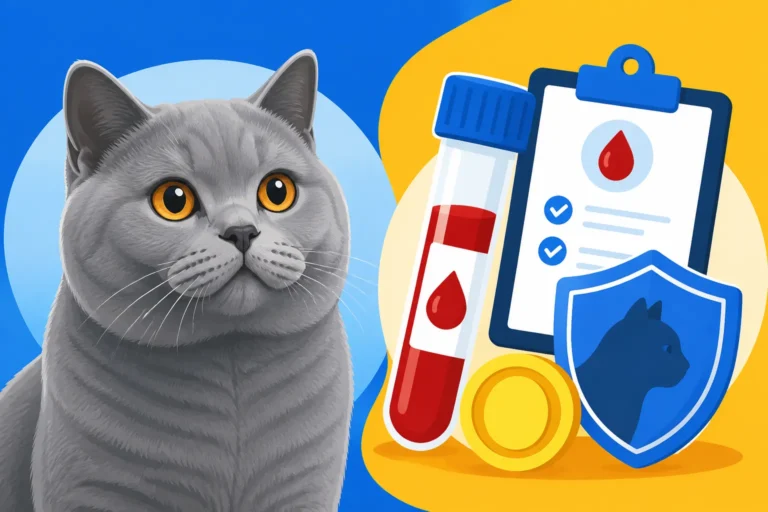
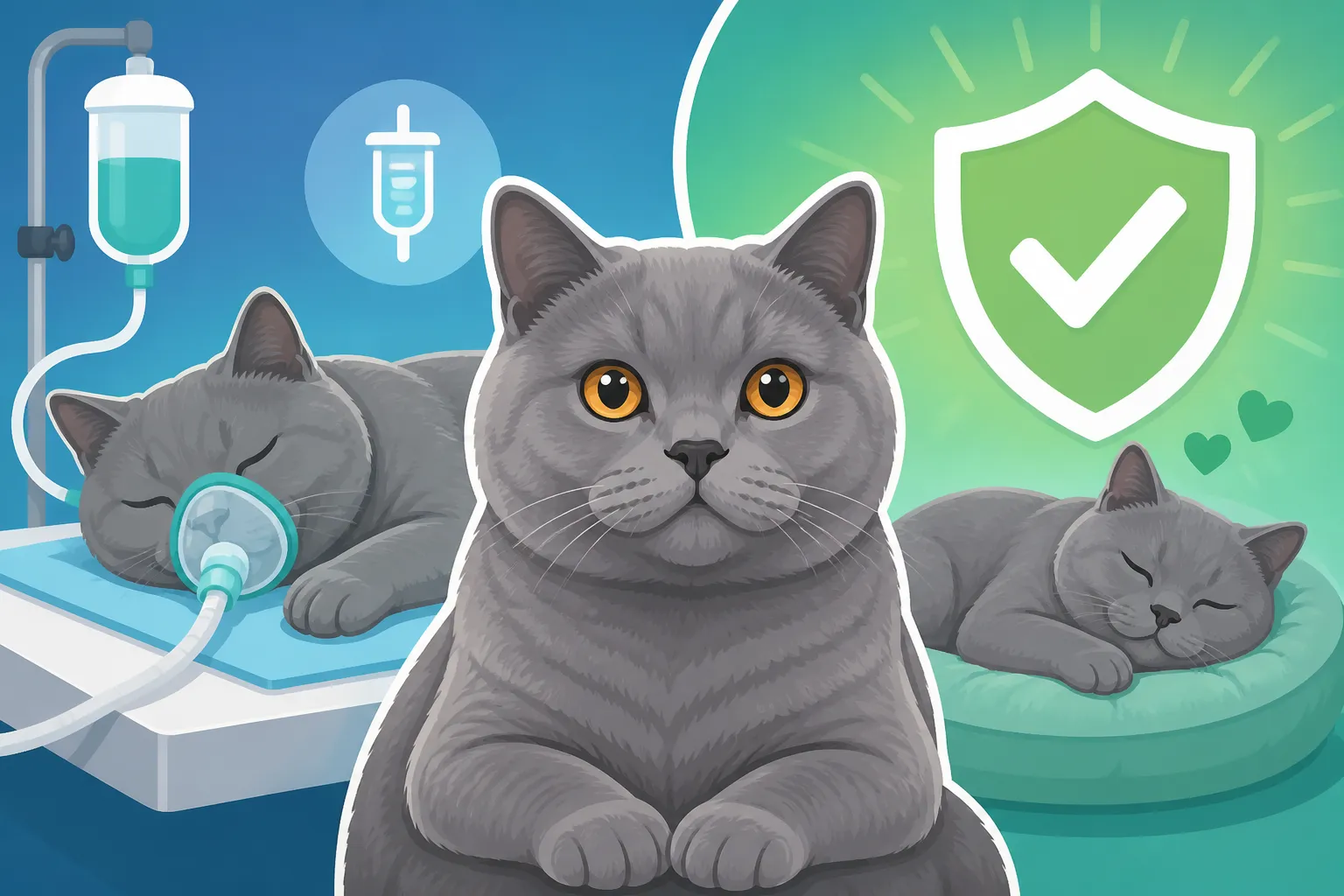
Anesthesia isn't just a single injection; it's a carefully managed process designed to keep your cat safe, pain-free, and still during a medical procedure. It typically begins long before your cat even sees the operating table. Most veterinary clinics will require a comprehensive physical examination and pre-anesthetic blood work to assess organ function, particularly the kidneys and liver, which are vital for processing anesthetic drugs. This initial screening helps flag any underlying issues that might complicate anesthesia.
Once cleared for the procedure, an intravenous (IV) catheter is usually placed, which serves multiple purposes. It allows the vet team to administer medications directly into the bloodstream, provides a route for IV fluids to maintain hydration and blood pressure, and offers immediate access in case of an emergency. The anesthesia itself usually involves a combination of injectable medications to induce a relaxed state, followed by an inhalant anesthetic delivered via a breathing tube to maintain unconsciousness throughout the procedure. Throughout this entire process, a dedicated veterinary technician or assistant constantly monitors your cat's vital signs, making adjustments as needed.
General Risks Associated with Feline Anesthesia
It's important to acknowledge that no anesthetic procedure is entirely without risk, no matter how healthy the patient or how skilled the veterinary team. While modern veterinary anesthesia has made incredible strides in safety, potential complications can arise. These can range from mild issues like nausea or a slightly prolonged recovery time to more serious concerns.
Common risks include temporary drops in blood pressure, which can affect organ perfusion, or respiratory depression, where breathing becomes too shallow or slow. Some cats might experience hypothermia, a drop in body temperature, especially during longer procedures, which is why warming blankets are so crucial. Allergic reactions to medications, although rare, are also a possibility. In very rare cases, more severe complications like cardiac arrest or stroke can occur. The key is that a good veterinary team anticipates these risks and has protocols in place to prevent them and respond swiftly if they do happen.
British Shorthairs and Anesthesia: Specific Considerations
When it comes to British Shorthairs, while many aspects of anesthesia are similar to other breeds, there are a few particular traits and health predispositions that warrant extra attention. Understanding these can help you have a more informed discussion with your veterinarian.
Breed-Specific Health Concerns Affecting Anesthesia
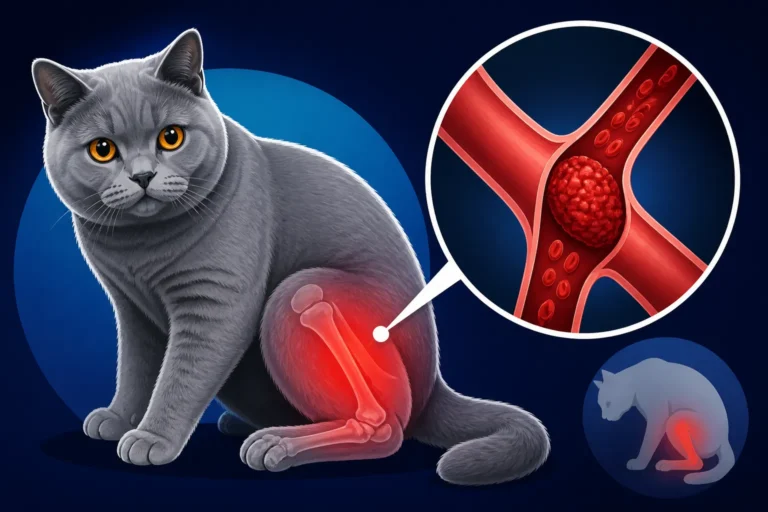
British Shorthairs are generally a robust breed, but like any purebred cat, they do have a genetic blueprint that can unfortunately lead to certain health challenges. One of the most significant concerns when it comes to anesthesia in British Shorthairs is Hypertrophic Cardiomyopathy (HCM). This is a heart condition where the muscle walls of the heart thicken, making it harder for the heart to pump blood effectively. What HCM Does to a British Shorthair's Heart is a serious issue that can be asymptomatic for a long time, meaning your cat might appear perfectly healthy even if the condition is developing. Anesthetic drugs can put additional stress on an already compromised heart, potentially leading to complications.
Another common factor in many British Shorthairs is their tendency towards obesity. Their sturdy build and calm, less active nature can easily lead to excessive weight gain. Obesity Is the British Shorthair's Real Disease can complicate anesthesia in several ways. Overweight cats can have more difficulty breathing when lying down, as extra fat places pressure on the lungs and diaphragm. It can also make it harder to intubate them, monitor their vital signs, and can affect how anesthetic drugs are metabolized and eliminated from the body. While not as extreme as some brachycephalic (flat-faced) breeds like Persians, British Shorthairs do have a somewhat rounded head and shorter nose compared to typical domestic cats. This mild brachycephalic tendency can sometimes contribute to subtle respiratory challenges, especially if they are also overweight or have underlying respiratory issues.
The Importance of Pre-Anesthetic Screening for British Shorthairs
Given these breed-specific considerations, robust pre-anesthetic screening is not just a good idea; it's absolutely crucial for British Shorthairs. Simply performing basic blood work and a physical exam might not be enough to detect hidden issues. A comprehensive blood panel will certainly provide invaluable information about organ function, but it won't tell you about your cat's heart health.
This is where an echocardiogram comes in. An echo is an ultrasound of the heart that allows a veterinary cardiologist to visualize the heart's structure and function. It's the gold standard for diagnosing HCM, even in its early stages. For a British Shorthair, particularly if they are past their kitten years, a pre-anesthetic echo is highly recommended to rule out HCM or to allow the veterinary team to tailor the anesthetic protocol to minimize risks if HCM is present. When a British Shorthair Should Have Its First Echo can offer guidance on appropriate timing. Many breeders already screen for HCM as part of their health protocols, so knowing What a British Shorthair Breeder Should Have Tested can give you an idea of what records to request. Even if your British Shorthair appears completely normal, a hidden heart condition could be exacerbated by anesthesia. How a British Shorthair Hides Heart Failure emphasizes how good they are at masking illness.
Minimizing Anesthetic Risks for Your British Shorthair
While the risks of anesthesia can seem daunting, there are many steps both you and your veterinary team can take to ensure the procedure is as safe as possible for your British Shorthair. Proactive planning and communication are your best allies.
Pre-Anesthetic Preparations You Can Make
Your role in preparing your British Shorthair for anesthesia begins at home. Firstly, it's vital to follow your vet's fasting instructions precisely. Typically, food is withheld for 8-12 hours before the procedure, but water can be offered until the morning of the appointment. This helps prevent regurgitation and aspiration during anesthesia, which can be a serious complication. If your British Shorthair is on any medications, discuss these with your vet well in advance; some might need to be temporarily stopped or adjusted.
It's also a good idea to bring all your cat's health records, especially if you're seeing a new vet or if your British Shorthair has had previous medical issues. Be honest and thorough about any concerns you have, even if they seem minor. For instance, if you've noticed your British Shorthair has been breathing harder after exercise or hiding more, these details could be important. Knowing Signs a British Shorthair Is Unwell can help you spot subtle changes. Don't hesitate to ask your vet about their specific anesthetic protocols, what monitoring equipment they use, and who will be overseeing your cat during the procedure. Being well-informed can significantly reduce your anxiety on the day of the surgery.
During the Procedure: Veterinary Protocols and Monitoring
Once your British Shorthair is at the clinic and the pre-anesthetic checks are complete, the veterinary team takes over with a meticulous approach to safety. Modern veterinary practices employ a suite of sophisticated monitoring equipment during anesthesia. This includes an electrocardiogram (ECG) to track heart rhythm, a pulse oximeter to measure oxygen saturation in the blood, a capnograph to monitor carbon dioxide levels in exhaled breath, and blood pressure cuffs. Temperature is also continuously monitored, and warming devices like circulating water blankets or forced-air warmers are used to prevent hypothermia, which British Shorthairs can be particularly prone to due to their dense coat and lower activity levels once sedated.
The IV catheter, as mentioned, is not just for drug administration but also for delivering intravenous fluids. These fluids help maintain blood pressure and support kidney function, making recovery smoother. A dedicated veterinary technician is typically assigned to monitor your British Shorthair throughout the entire procedure, from induction to recovery, constantly adjusting anesthetic depth based on vital signs and reporting any changes to the veterinarian. This constant vigilance is critical for early detection and management of any potential complications.
Post-Anesthetic Care and Recovery at Home
The period immediately following anesthesia is just as important as the procedure itself. Most clinics will keep your British Shorthair for a few hours, or even overnight, to ensure they're fully awake and stable before discharge. When you bring them home, they might still be a bit groggy, disoriented, or even nauseous. Provide a quiet, warm, and comfortable space away from other pets or children where they can rest. Offer small amounts of water and food as directed by your vet.
It's crucial to observe your British Shorthair closely for the next 24-48 hours. Watch for excessive lethargy, vomiting, diarrhea, difficulty breathing, or any signs of pain. If they had a surgical site, check it regularly for swelling, redness, or discharge. Your vet will provide specific post-operative instructions, including any medications for pain or inflammation. Don't hesitate to call your vet if you have any concerns at all, no matter how minor they seem. They are there to support you through the recovery process and ensure your British Shorthair bounces back safely and comfortably.
The Role of a Qualified Veterinary Team
The expertise and resources of your veterinary clinic play an enormous role in the safety of anesthesia for your British Shorthair. It's not just about the drugs used, but the people administering and monitoring them.
Why Board-Certified Anesthesiologists or Experienced Vets Matter
For particularly complex cases, or if your British Shorthair has significant underlying health conditions like advanced HCM, consulting with a board-certified veterinary anesthesiologist can offer an additional layer of expertise. These specialists have undergone extensive training specifically in pain management and anesthesia, making them adept at developing highly customized and safe anesthetic plans for high-risk patients. While not every clinic has one on staff, many can refer you to a specialist.
However, even without a board-certified anesthesiologist, a general practice veterinarian with extensive experience in feline anesthesia and a strong commitment to continuous education can provide excellent care. The key is their understanding of breed-specific risks, their adherence to stringent monitoring protocols, and their ability to quickly respond to complications. Don't be shy about asking your vet about their experience with British Shorthairs or their anesthetic safety protocols. Their confidence and transparency will tell you a lot.
Equipment and Facilities That Enhance Safety
The quality of the veterinary facility and its equipment directly impacts anesthetic safety. A clinic equipped with modern, well-maintained anesthetic machines allows for precise control over gas flow and oxygen delivery. State-of-the-art monitoring devices, as discussed earlier (ECG, capnography, pulse oximetry, blood pressure), are not luxuries but necessities for providing the highest standard of care.
Furthermore, a well-stocked pharmacy with a range of anesthetic and emergency drugs, along with appropriate resuscitation equipment, ensures that the team is prepared for any eventuality. Many clinics also have dedicated surgical suites, separate recovery areas, and trained staff who focus solely on monitoring patients during and after anesthesia. These facilities, combined with experienced personnel, create an environment where anesthetic risks are significantly mitigated, allowing your British Shorthair the best chance for a smooth and safe procedure.
Insurance and Financial Considerations
The reality of providing top-notch veterinary care, especially when it involves specialized diagnostics and anesthesia, is that it comes with a cost. This can add another layer of stress for pet owners.
The Cost of Comprehensive Anesthetic Protocols
When you're presented with an estimate for your British Shorthair's procedure, you might wonder why the "anesthesia" line item seems so substantial. It’s not just the drugs themselves. This cost encompasses the physical exam, pre-anesthetic blood work, potentially an echocardiogram, IV catheter placement, IV fluids, the anesthetic medications (which can be pricey, especially newer, safer options), the inhalant gas, and the extensive monitoring by dedicated staff using expensive equipment.
For a British Shorthair, particularly, the recommendation for pre-anesthetic screening like an echocardiogram, while invaluable for safety, adds to the overall cost. These are investments in your cat's well-being. Opting for the cheapest anesthetic option might mean sacrificing crucial safety measures, which is a gamble you likely don't want to take with your beloved pet. It's about ensuring every possible precaution is in place to protect them. What a British Shorthair's First Echo Costs and What a British Shorthair's Yearly Bloodwork Should Cover shed light on these diagnostic expenses.
How Pet Insurance Can Help with Unexpected Complications
This is where pet insurance can be a real game-changer. While many routine procedures might not be fully covered, especially if they are deemed "preventative," pet insurance often steps in to cover unexpected complications or illnesses that might arise, even those related to anesthesia. For example, if during a routine dental, an unforeseen cardiac event occurs, or if your British Shorthair requires extended hospitalization due to a difficult recovery, pet insurance can help absorb those significant veterinary bills.
Providers like Healthy Paws offer comprehensive coverage that can provide immense peace of mind. Knowing you have a safety net like Healthy Paws means you can make medical decisions based on what's best for your British Shorthair's health, rather than being solely driven by financial constraints. For British Shorthair owners, especially considering the breed's predisposition to conditions like HCM, having insurance that covers diagnostic tests, specialized care, and emergency treatments can be incredibly valuable over their lifetime. Insuring a British Shorthair is definitely something worth considering early on.
Addressing Common Anesthesia Myths and Fears
The internet is full of information, and sometimes misinformation, about pet health. Let's clear up a couple of common myths and fears surrounding anesthesia for British Shorthairs.
Anesthesia is Always Risky for Older Cats
It’s a common misconception that simply being an older cat makes anesthesia inherently dangerous. While it's true that senior pets (usually considered over 10 years old for British Shorthairs) may have age-related changes in organ function, age itself is not a disease. A healthy older cat with thorough pre-anesthetic screening is often a safer anesthetic candidate than a young cat with an undiagnosed underlying condition.
For senior British Shorthairs, vets will typically recommend even more extensive blood work, potentially a urinalysis, and almost certainly a chest X-ray and echocardiogram before anesthesia. These tests help identify any age-related issues like early kidney disease, liver changes, or subclinical heart conditions that might influence the choice of anesthetic drugs or protocol. With proper screening and a tailored approach, many older British Shorthairs can undergo necessary procedures with a very high degree of safety. Caring for a British Shorthair Past Ten provides more insights into the needs of aging British Shorthairs.
My British Shorthair is "Healthy," So No Tests Are Needed
This is perhaps the most dangerous myth of all, particularly for a breed like the British Shorthair. It's wonderful if your cat seems perfectly healthy, but many serious conditions, like the early stages of Hypertrophic Cardiomyopathy, are silent. A cat can have significant heart disease and show absolutely no outward symptoms until the condition is quite advanced or until they are put under stress, such as during anesthesia. How Common HCM Is in British Shorthairs reminds us that this condition is prevalent.
Skipping pre-anesthetic tests because your cat appears healthy is akin to driving without car insurance – you think everything is fine until it isn't. Those blood tests and especially an echocardiogram for a British Shorthair, are designed to uncover these hidden dangers. They allow your vet to identify risks before anesthesia and adjust the protocol accordingly, or even postpone the procedure if a serious condition is found that needs management first. This proactive approach drastically improves the safety margin for your British Shorthair, ensuring their procedure is as safe as humanly and medically possible.
Disclaimer
The information provided in this guide is for general informational purposes only and does not constitute veterinary advice. Always consult with a qualified veterinarian for any health concerns or before making any decisions related to your pet's health and treatment, especially regarding anesthesia.